Christmas gifts for dementia patients
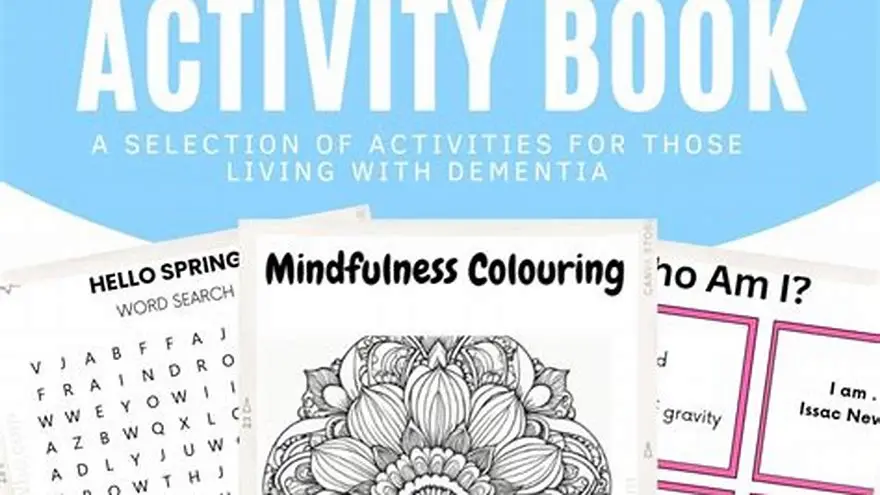
Learn what features make Christmas gifts suitable for dementia patients and find the Gentle Minds Activity Kit to support memory and comfort.
Choose Christmas gifts that match dementia patients' abilities and comfort. The Gentle Minds Activity Kit offers printable activities at three difficulty levels, promoting conversation and engagement without overwhelming users.
On this page (8 sections)
- The short version
- What makes a gift suitable for someone with dementia
- Examples of gifts that support memory and reduce frustration
- Why the Gentle Minds Activity Kit works well for dementia patients
- How to choose and use dementia-friendly activity gifts effectively
- How the Gentle Minds Activity Kit compares with free or DIY activity options
- Christmas gifts for dementia patients: what features aid engagement and comfort
- Questions people still ask
Part of our guide on gifts for dementia patients in nursing homes
| Activity levels | 3 levels |
|---|---|
| Printable pages | 130+ |
| Conversation cards | 48 cards |
| Suitable for | Memory loss adults |
The short version
- Gifts should match cognitive and physical abilities to avoid frustration.
- Activities that encourage conversation help maintain social connection.
- Gentle Minds Activity Kit offers three levels to suit different stages.
- Large print and simple instructions reduce confusion and eye strain.
- Avoid gifts that are too childish or complex for dementia patients.
What makes a gift suitable for someone with dementia
A suitable gift for someone with dementia respects their current cognitive and physical abilities. Activities that are too complex cause frustration, while overly simple ones may feel childish, leading to disengagement. This balance is critical.
Key features include clear instructions, large print for easy reading, and content that stimulates memory without demanding exact answers. The gift should avoid abstract concepts and instead focus on concrete, familiar topics.
Sensory comfort is also important. Materials should be visually clear and tactilely pleasant. Items that provide a sense of accomplishment or connection to past memories work best.
Engagement needs vary by stage of dementia, so adaptability or multiple difficulty levels can help. Gifts that allow repeated use with variation tend to sustain interest longer. People in this spot often ask about activity book for adults with dementia as well.
Gifts that engage multiple senses tend to hold attention longer. Items with soft textures, calming colors, or gentle sounds can soothe and comfort. For example, a soft fleece blanket in a favorite color gives warmth and reassurance.
For later stages of dementia, simple items offering sensory stimulation without requiring active participation work best. Weighted lap pads or aromatherapy sachets can calm agitation and promote relaxation. These gifts need no instructions, so they reduce pressure.
Repetition helps maintain skills and confidence. Gifts that can be used repeatedly with slight variations offer chances to practice familiar tasks. This kind of positive reinforcement can improve mood and reduce anxiety.
Examples of gifts that support memory and reduce frustration
Gift examples that aid memory and reduce frustration include large-print puzzles, simple word searches, and conversation starter cards. These encourage engagement without overwhelming the user.
Jigsaw puzzles with fewer pieces and clear images can help focus attention and provide a sense of achievement. Memory games that focus on recognition rather than recall also work well.
Items that promote social interaction, like question or conversation cards, help maintain connections and reduce feelings of isolation. These cards encourage sharing memories and stories.
Simple crafts or tactile activities involving familiar materials may provide comfort and sensory stimulation. Avoid digital devices with complex interfaces or fast-paced apps.
A worked example: a jigsaw puzzle with 24 large pieces showing a familiar farm scene. The user can complete it with some help in 15 minutes, gaining a sense of accomplishment. This contrasts with a 100-piece puzzle that would likely cause frustration.
Memory books with photos and simple captions can also support memory. Users can turn pages at their own pace, prompting recognition without pressure to recall. This promotes positive reminiscence.
Avoid items requiring fine motor skills beyond the person’s ability. Even a simple craft can cause frustration if it demands too much dexterity. A large-beaded necklace kit might be too challenging, while soft fabric squares for touching offer meaningful sensory input.
- Large-print puzzles: clear visuals, fewer pieces
- Conversation cards: stimulate memory recall
- Memory recognition games: reduce cognitive load
- Tactile crafts: sensory engagement
- Avoid: complex digital devices
Why the Gentle Minds Activity Kit works well for dementia patients
The Gentle Minds Activity Kit is designed specifically for adults living with memory loss. It includes over 130 printable pages of activities at three difficulty levels: Gentle, Easy, and Steady. This variety matches changing cognitive abilities.
Its large-print format and clear layout reduce eye strain and confusion. The kit also offers 48 conversation cards that encourage talking and sharing memories, essential for maintaining social bonds.
Caregivers receive a guide to facilitate activity use, making it easier to engage patients without causing frustration. The kit’s printable nature means activities can be repeated or shared among multiple users.
However, it is not a medical treatment and will not reverse memory loss. Its strength lies in providing enjoyable, respectful activities that support engagement and reduce boredom.
The kit’s flexibility suits changing daily moods and abilities. On a good day, users may try Steady level puzzles. On tougher days, Gentle level activities keep engagement positive. This adaptability prevents frustration and supports confidence.
Physical ease of use matters. The printable pages lie flat for easy handling. No small parts reduce choking risk or loss. This simplicity makes it safer than many commercial kits with complex components. Users can focus on the activity, not fiddly pieces.
Caregivers report the kit eases their role. Clear instructions and conversation prompts reduce guesswork. This means less stress and more meaningful time spent together. The kit’s design respects both patient and caregiver needs, making it a practical gift choice.
How to choose and use dementia-friendly activity gifts effectively
Start by assessing the person's current abilities and interests. Observe what activities they enjoy and how they respond to different tasks. This helps avoid frustration from unsuitable gifts.
Select items with large print, simple instructions, and familiar themes. Ensure the activity doesn't require precise memory but allows creative or open-ended responses.
Use the gift together to encourage interaction and conversation. Caregiver involvement increases the likelihood the activity brings comfort and enjoyment.
Limit session times to avoid fatigue and repeat activities for consistency. Rotate through different types to maintain interest and stimulate several cognitive areas.
An example of matching ability: if the person can follow a two-step instruction but struggles with three-step tasks, choose activities requiring only one or two steps. For instance, sorting colored cards rather than completing word puzzles.
Caregivers should observe signs of fatigue or frustration during activities. Pausing or switching to a different type can prevent negative experiences. For example, if a puzzle causes agitation, shift to listening to music or looking through a photo album.
Using gifts in a calm, familiar environment also helps. Avoid distractions like TV noise or clutter which can overwhelm. A quiet room with comfortable seating encourages focus and enjoyment, improving the activity’s benefits.
Environmental factors affect activity success. Bright, natural light helps prevent eye strain. Avoid glare on glossy pages which can confuse users. Good lighting boosts focus and mood during activities.
Timing also matters. Late afternoon or evening sessions risk fatigue and irritability. Morning activities often achieve better engagement and attention span. Watch for signs of tiredness and end activities early if needed.
Personalizing activities increases value. Incorporate familiar names, places, or hobbies in conversation cards or puzzles. This triggers positive memories and meaningful discussion. For example, a puzzle featuring a local landmark can spark stories and recognition.
- Assess cognitive and physical abilities of the person.
- Choose activities with appropriate difficulty and familiar themes.
- Engage together to support and encourage participation.
- Limit length of sessions to prevent tiredness.
- Repeat and rotate activities for sustained interest.
How the Gentle Minds Activity Kit compares with free or DIY activity options
Free options include printable word searches or Sudoku puzzles. These can be created using tools for large print, such as the free Large Print Word Search Maker. These lack variety and tailored difficulty levels.
DIY methods require time creating or sourcing suitable materials and testing their appropriateness for dementia patients. They might not include caregiver guides or conversation cards.
The Gentle Minds Activity Kit provides ready-made, tested activities with adjustable difficulty and caregiver support. This saves time and reduces guesswork about what works best.
However, free and DIY options still can be effective when customized carefully, especially for those on a tight budget or who enjoy creating personalized materials.
| Feature | Gentle Minds Activity Kit | Free/DIY Printables |
|---|---|---|
| Activity Levels | Three tailored levels | Usually one fixed level |
| Print Quality | Large print, clear layout | Varies, user-dependent |
| Caregiver Support | Included guide and cards | None or minimal |
| Variety | 130+ pages, multiple types | Limited by creator's effort |
| Ease of Use | Ready to print and use | Requires creation and testing |
- Saves time with ready materials
- Tailored to dementia patients
- Includes caregiver guide and conversation cards
- Not free, one-time payment required
- No medical or therapeutic claims
Christmas gifts for dementia patients: what features aid engagement and comfort
Christmas gifts for dementia patients should be easy to understand and use. Clear, large print and minimal distractions help maintain focus. Familiar themes reduce anxiety and encourage positive memories.
Gifts that encourage communication, like conversation cards or activity kits with prompts, support social connections and reduce isolation. Comfort comes from achievable challenges and sensory pleasure.
Avoid flashy, noisy, or overly complicated gifts. These can cause confusion and stress. Instead, opt for tactile, visual, or verbal activities that match the person’s stage of dementia.
The Gentle Minds Activity Kit fits well here. It combines large-print puzzles, conversation prompts, and caregiver support, making it a thoughtful Christmas gift that invites interaction and comfort.
Comfort features go beyond sensory elements. Gifts with rounded edges or soft materials reduce accidental injury. Weighted blankets or lap pads provide soothing pressure which can calm restlessness or anxiety common in dementia.
Engagement also depends on variety. Rotate gifts to prevent boredom. Mix tactile, visual, and verbal activities to stimulate different senses and cognitive functions. For example, alternate a puzzle day with a music-listening session or simple craft.
Packaging matters too. Gifts that open easily without frustration encourage use. Avoid tight seals or small fiddly parts that could discourage the recipient. Clear labeling on the packaging helps caregivers select suitable activities quickly during busy holidays.
Questions people still ask
Can gifts improve dementia symptoms or memory loss?
No gift can cure or reverse dementia symptoms. However, suitable gifts can support engagement, reduce frustration, and improve quality of life by encouraging social interaction.
How do I know which activity level suits my loved one?
Observe their current abilities and try easier levels first. Increase difficulty as tolerated. Activities that cause confusion or frustration should be simplified or paused.
Are digital games suitable as gifts for dementia patients?
Digital games often require quick responses and complex navigation, which can frustrate dementia patients. Simple, tactile, printable activities are usually better suited.
How often should I use activity gifts with someone who has dementia?
Short daily sessions around 15-30 minutes are ideal. Regular use builds routine and familiarity without causing fatigue.
Can caregivers benefit from activity kits too?
Yes, caregiver guides and conversation cards help caregivers facilitate engagement, reducing their stress and improving interactions with the person living with dementia.
Ready to try it? It provides printable, multi-level activities with caregiver support suited to adults living with memory loss, matching the reader’s problem exactly.
Download the Gentle Minds Kit