Dementia activity books for adults: what features aid memory and engagement
Find the right dementia activity book features that help adults with memory loss stay engaged without frustration.
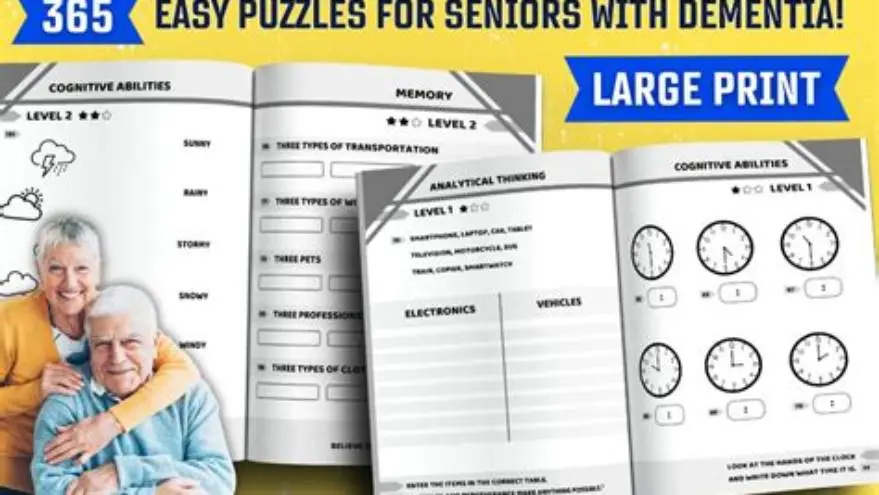
A dementia activity book for adults must offer large-print, easy-to-understand activities that match cognitive ability levels to avoid frustration and promote calm engagement.
On this page (8 sections)
- The short version
- What makes an activity book suitable for adults with dementia
- Types of activities included and their benefits
- How to choose the right book based on dementia stages
- Where to find or print dementia-friendly activity books
- Dementia activity book for adults: how the Gentle Minds Activity Kit helps
- How to use dementia activity books to promote calm and success
- Questions people still ask
Part of our guide on activities for all dementia stages
Discover the exact features in dementia activity books that keep adults calm, engaged, and successful without causing frustration.
| Print size | Large-print |
|---|---|
| Activity levels | 3 difficulty tiers |
| Pages count | 130+ pages |
| Suitable for | Memory loss stages |
| Print formats | US Letter, A4 |
| Instant download | Yes |
The short version
- Choose books with large, clear print for low vision.
- Select activity difficulty that fits the dementia stage.
- Include activities that encourage success and calmness.
- Use books with caregiver guides for facilitation.
- Printable kits offer flexible reuse and tailored sessions.
What makes an activity book suitable for adults with dementia
Activity books for adults with dementia need large, clear print and simple layouts. This ensures users with low vision or cognitive challenges can read and engage without strain.
Activities must match mental abilities to avoid frustration. Books that offer graded levels from easy to steady help maintain success and calm. Avoid overly complex puzzles that cause distress.
The content should promote positive feelings rather than test memory. Encouraging success with no ‘wrong’ answers helps users stay motivated and connected. Caregiver support materials improve activity facilitation.
Including familiar themes and images can increase engagement. Use pictures from nature, daily life, or popular culture relevant to the user's past. This taps into long-term memory and sparks recognition. If that sounds like your situation, read up on activity book for dementia patients large print next.
Some books add tactile elements like textured paper or raised images. These features provide sensory input that helps users stay focused and grounded during activities. For example, a page with a soft fabric patch can stimulate touch and comfort.
Types of activities included and their benefits
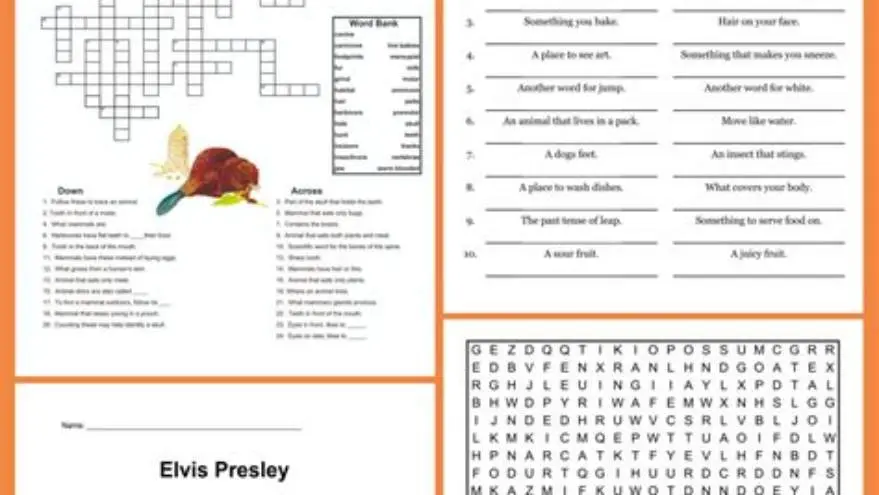
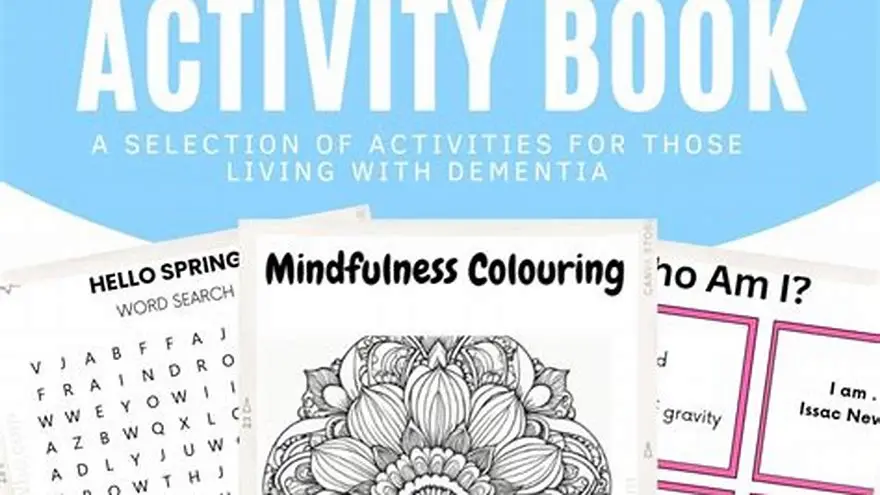
Suitable dementia activity books include word searches, simple crosswords, matching games, and conversational prompts. These activities engage memory lightly and spark conversation.
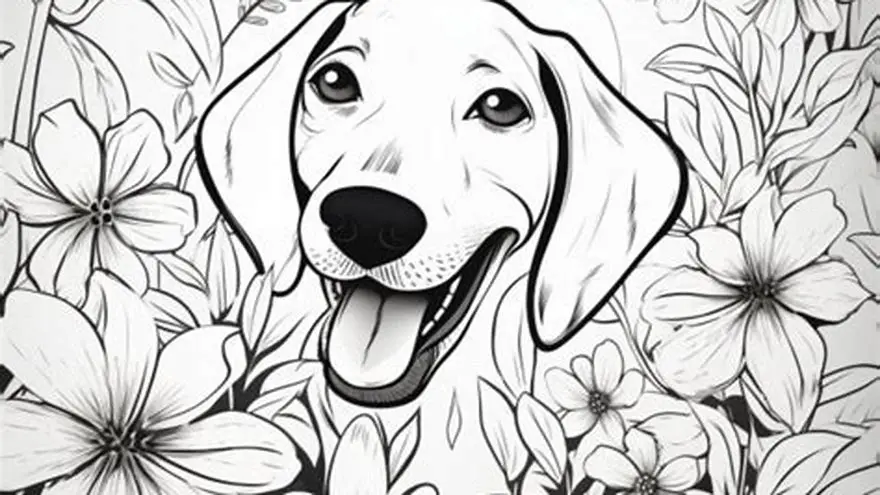
Physical puzzles or coloring pages can provide tactile stimulation, which benefits those with sensory needs. Games that promote reminiscence encourage emotional connection and memory recall. Before you commit to anything, it is worth looking at calm-promoting printable activity sheets.
Benefits of these activities include reduced anxiety, better mood, and social connection. Selecting activities that allow repeated success supports self-esteem and reduces frustration.
Reminiscence activities that use photos or objects linked to personal history are powerful. They encourage storytelling and emotional connection. For example, matching old car models or household items can bring joy and memories.
Physical activities like simple folding or cutting exercises promote hand-eye coordination. These also help maintain motor skills. For instance, folding a paper to create a shape blends mental and physical engagement, which benefits brain function. We cover adult dementia coloring designs in its own article.
- Word searches: promote focus and vocabulary.
- Crosswords: support recognition over recall.
- Conversation cards: encourage sharing memories.
- Coloring pages: aid sensory and motor skills.
How to choose the right book based on dementia stages
Early-stage dementia calls for activities that challenge but don't overwhelm, such as easy puzzles and memory games. Intermediate stages benefit from simpler tasks, like word matching or coloring.
Advanced dementia requires very gentle activities focused on sensory input and basic recognition. At this stage, books with minimal text and bold images work best.
Look for books that clearly state their target dementia stage or difficulty tiers. Adjust activity choice as cognitive ability changes to keep engagement positive and avoid frustration. There is more on activities for adults with dementia in a separate guide.
Monitor changes in cognitive ability regularly. A person might progress faster or slower than average. For example, a user moving from intermediate to advanced dementia might need a quicker switch to sensory-only activities.
Consider emotional state as well as cognitive level. Anxiety or depression can affect engagement. Choose activities that feel safe and enjoyable, even if they seem easier than the stage suggests.
| Dementia Stage | Recommended Activity Type | Key Focus |
|---|---|---|
| Early | Crosswords, Word Searches | Cognitive stimulation |
| Mid | Matching games, Coloring | Recognition, sensory |
| Late | Picture-based, Sensory tasks | Calm and connection |
Where to find or print dementia-friendly activity books
Many libraries and senior centers stock dementia-appropriate activity books. However, printable kits offer flexibility and variety for home use or care settings. If that sounds like your situation, read up on easy puzzles for dementia patients next.
Websites offering printable large-print puzzles allow you to customize word lists and difficulty. This helps tailor activities to the individual's interests and abilities.
Printable kits like the Gentle Minds Activity Kit provide extensive pages at several difficulty levels. These kits also include conversation cards and caregiver guides to support meaningful engagement.
Community centers sometimes organize group activity sessions using these books. Joining a group can provide social stimulation and reduce isolation. Check local senior service listings for programs.
Printing your own materials allows you to customize content to personal interests like hobbies or past careers. This personalization increases motivation and attention during activities.
Dementia activity book for adults: how the Gentle Minds Activity Kit helps
The Gentle Minds Activity Kit is designed specifically for adults living with memory loss, offering over 130 printable pages in large print. It provides three difficulty levels (Gentle, Easy, and Steady) to suit changing cognitive needs.
This kit includes conversation cards that stimulate discussion and memory sharing, encouraging social connection during activities. A caregiver guide helps facilitators use the materials effectively.
It solves the common problem of finding age-appropriate, engaging activities that promote calm and success. However, it’s not a medical treatment or therapy tool. It focuses purely on enjoyment and meaningful connection.
- Large-print text for easy reading
- Multiple difficulty levels included
- Conversation cards promote social engagement
- Printable for flexible use
- No medical or therapeutic claims
- Requires caregiver involvement
- One-time purchase needed
How to use dementia activity books to promote calm and success
Start sessions by choosing activities that match current ability, avoiding frustration through trial and error. Use simpler tasks first to build confidence.
Encourage social participation using conversation prompts. Celebrating small successes keeps users motivated and reduces anxiety.
Repeat favorite activities regularly. Familiarity stimulates memory and provides comfort. Always watch for signs of fatigue or stress and pause as needed.
- Assess current cognitive ability and vision.
- Select appropriately leveled activities.
- Use conversation cards to engage dialogue.
- Observe reactions and adjust difficulty.
- Repeat successful activities consistently.
Questions people still ask
Can a dementia activity book improve memory?
Activity books aim to engage and stimulate but do not cure or significantly improve memory. They help maintain skills and provide meaningful engagement.
Are all large-print puzzle books suitable for dementia?
Not all large-print books fit dementia needs. Suitable books must match cognitive stages, avoid frustration, and include supportive guidance.
How often should activities be done?
Daily short sessions of 15-30 minutes work best, balancing engagement and preventing fatigue.
Can I create my own dementia-friendly puzzles?
Yes, free tools exist to craft large-print word searches with your own word lists. Tailoring puzzles to interests helps engagement.
Where can I find free printable dementia-friendly activities?
Several websites offer large-print word searches, sudoku, and coloring pages free to print. Check local senior centers for resources too.
Ready to try it? It provides printable, large-print activities at three difficulty levels, with conversation cards and a caregiver guide to support adults living with memory loss.
Download the Gentle Minds Kit