Large-print dementia activity book: puzzles and games that aid memory
Look at dementia-friendly large-print puzzles and games that support memory and cognition with calm, engaging activities.
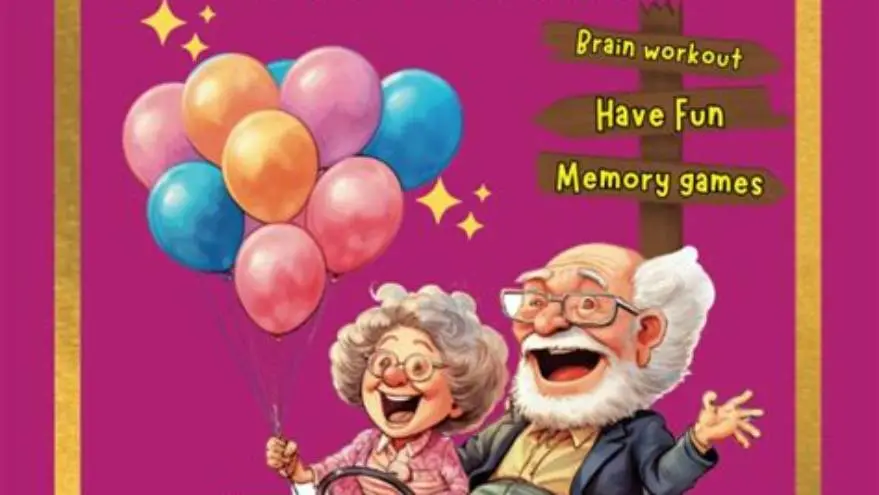
A large print activity book for dementia patients should feature clear, big text and simple puzzles that avoid frustration. Activities must match abilities and promote calm success. The Gentle Minds Activity Kit offers 130+ pages with varied difficulty and conversation support.
On this page (8 sections)
- The short version
- What makes activities dementia-friendly
- How large print improves usability
- Examples of suitable puzzles and games
- Tips for gentle engagement
- What a large print activity book for dementia patients includes
- Where to find or how to create large-print dementia activity books
- Questions people still ask
Part of our guide on activities for dementia patients simple
Large-print puzzles tailored for dementia patients help avoid frustration and encourage memory and conversation with calm, respectful activities.
| Print size | Large, clear font |
|---|---|
| Pages | 130+ printable |
| Difficulty levels | 3 levels |
| Activity types | Puzzles, word games, cards |
| Suitable for | Adults with memory loss |
| Format | Printable PDFs |
The short version
- Choose activities with large, clear print to aid low vision.
- Select puzzles that adjust difficulty to prevent frustration.
- Use conversation cards to encourage engagement and memory sharing.
- Gentle Minds Activity Kit provides printable, multi-level activities.
- Avoid overly complex or childish activities to respect dignity.
What makes activities dementia-friendly
Activities for people with dementia should bring calm and a sense of success. They avoid frustration caused by tasks that are too complex or too simple, which can feel patronizing or discouraging.
Dementia-friendly activities use simple instructions and familiar themes. They respect the person's current cognitive abilities and encourage participation without pressure on 'right answers'.
Activities that stimulate memory and conversation help maintain social connection and cognitive function. They should invite sharing stories or feelings rather than just solving puzzles.
- Calm focus - avoid tasks that increase anxiety
- Success oriented - tasks match skills, no failure
- Memory support - encourage reminiscence and connection
- Respect - avoid childish or overly simplistic tasks
How large print improves usability
Large print in activity books improves readability for older adults with vision decline common in dementia. Text sizes usually range from 18 to 24 points or more to ensure clarity. Before you commit to anything, it is worth looking at brain games for dementia patients printable.
Clear spacing and high contrast between text and background reduce eye strain and help focus. Large print also facilitates independent use, boosting confidence.
Besides text, puzzle elements like grids and letter sizes benefit from enlargement. This supports users with low vision or visual processing challenges, common in dementia.
Without large print, frustration mounts quickly as users struggle to see or process details. Adequate print size can transform engagement from stressful to enjoyable. The other half of this decision is dementia patient puzzles easy.
- Font size - at least 18pt, often 20-24pt
- High contrast - black on white or cream background
- Clear layout - generous spacing between elements
- Printable formats - ease of producing multiple copies
Examples of suitable puzzles and games
Simple word searches, crosswords with straightforward clues, and easy sudoku puzzles fit well. Mazes with wide paths and picture-based matching games also work.
The Gentle Minds Activity Kit offers over 130 pages, including three levels of difficulty named Gentle, Easy, and Steady, to match varying abilities and stages of memory loss.
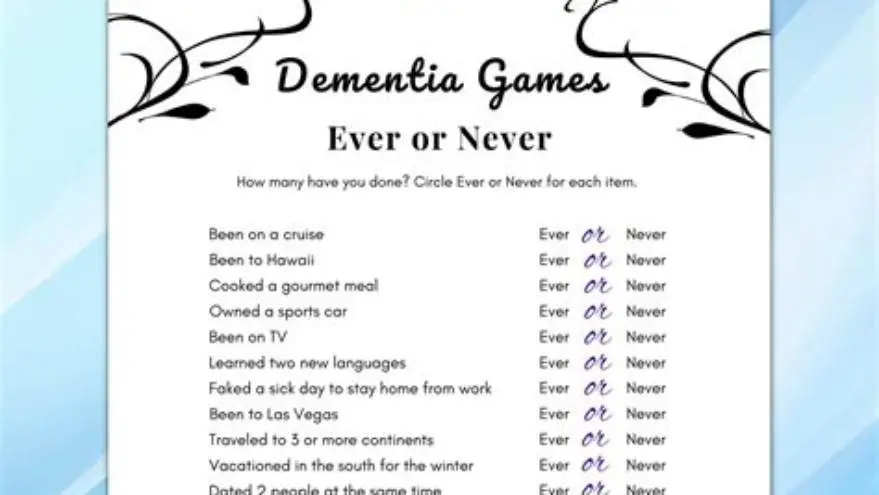
It includes not only puzzles but conversation cards that stimulate discussion and memory-sharing. Such variety helps maintain interest and social connection. The other half of this decision is tips for printing and preparation.
Avoid puzzles that require fast speed, complex logic, or abstract thinking. Instead, prioritize recognition, matching, and recalling familiar words or images.
| Puzzle Type | Difficulty Level | Memory Support | Visual Demands |
|---|---|---|---|
| Word Search | Gentle to Steady | High | Moderate |
| Crossword | Easy to Steady | Moderate | Moderate |
| Sudoku | Easy to Steady | Low to Moderate | Moderate |
| Mazes | Gentle to Easy | Low | Low |
| Matching Games | Gentle | High | Low |
Tips for gentle engagement
Start activities at the easiest level and observe how the person responds. Adjust complexity to keep them challenged but not overwhelmed.
Use positive language and avoid highlighting mistakes. Emphasize completion and effort over correctness to maintain confidence. The other half of this decision is dementia activities that are not childish.
Encourage social interaction by using conversation prompts included with some activity kits. Talk about memories or topics related to puzzles.
Keep sessions short and spread throughout the day to match energy levels. Offer breaks if frustration or fatigue appears.
- Start easy - prevent discouragement early
- Encourage talk - use conversation cards or prompts
- Focus on effort - ignore errors to build confidence
- Limit session length - avoid mental fatigue
What a large print activity book for dementia patients includes
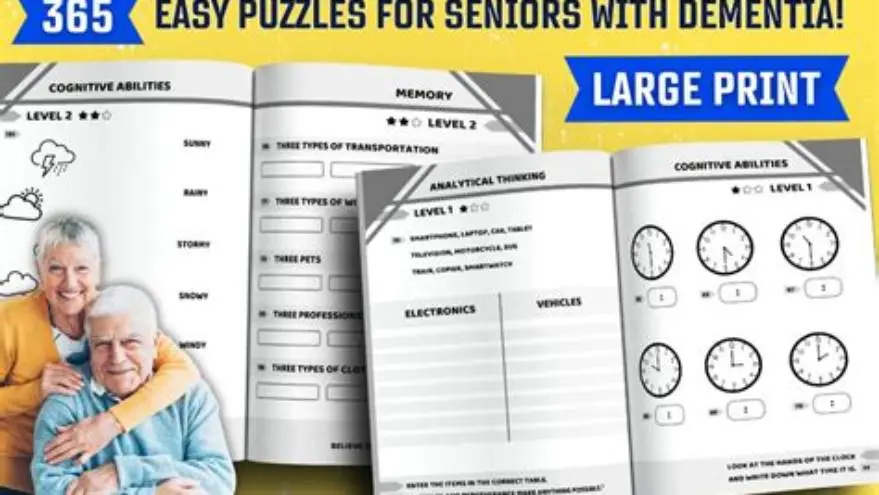
Such books offer puzzles and games printed with large, clear fonts and images fit for visual impairments. They group activities by difficulty levels to match ability variations.
The Gentle Minds Activity Kit, for example, contains over 130 printable pages including puzzles, conversation cards, planning pages, and caregiver guidance.
It supports repeated printing for multiple users or sessions and uses a 'no wrong answers' approach to reduce stress. The included caregiver guide explains how to facilitate engagement.
These kits avoid childish content and instead focus on age-appropriate themes that respect dignity. Diverse activity types keep interest steady.
Where to find or how to create large-print dementia activity books
You can find ready-made kits like the Gentle Minds Activity Kit that print instantly and cover multiple needs, saving time and avoiding trial and error.
Alternatively, free tools such as a Large Print Word Search Maker let you create custom puzzles from your own word lists. This option suits caregivers wanting personalization.
For those wanting to publish or sell large-print puzzle books, tools like BigPrint Puzzle Studio allow fast creation with multiple puzzle types and themes, but require some design skill.
Manual creation requires understanding font sizes, high contrast, and simple layouts. Use at least 18pt font and test print pages to check readability before use.
- Buy printable kits for variety and ease
- Use free word search makers for custom puzzles
- Create books with puzzle studio software if publishing
- Design manually with large fonts and clear contrast
Questions people still ask
Can large print activity books help with memory loss?
They don't treat memory loss but support engagement by reducing frustration and encouraging conversation. This can improve mood and social connection.
What font size is best for dementia-friendly print?
Font sizes 18 to 24 points with high contrast improve readability for older adults with vision challenges.
How do I choose puzzles that are not too hard or childish?
Select puzzles with adjustable difficulty and age-appropriate topics. Avoid tasks requiring complex reasoning or overly simplified childish themes.
Is it better to buy ready-made activity kits or create my own puzzles?
Kits save time and provide tested materials, but custom puzzles allow personalization. Use free tools for simple custom puzzles if preferred.
How long should dementia activity sessions last?
Short sessions of 15-30 minutes suit most. Frequent breaks help avoid fatigue and frustration.
Ready to try it? It provides printable, large-print puzzles at three difficulty levels, conversation cards, and caregiver guidance to match dementia patients' needs.
Try the Gentle Minds Kit