Simple activities for dementia patients
Learn which simple activities fit mild, moderate, and severe dementia to keep patients calm and engaged without frustration.

Simple activities for dementia patients depend on the stage: mild stage suits puzzles and word games; moderate stage benefits from sensory and art activities; severe stage requires gentle tasks like sorting or listening to music. Choose tasks that bring calm and success.
On this page (8 sections)
- The short version
- Why activities matter for dementia patients
- Examples of simple activities by dementia stage
- How to choose activities that engage without overwhelming
- Simple activities for dementia patients
- When and why to use the Gentle Minds Activity Kit
- How to make your own large-print activities for dementia patients
- Questions people still ask
Part of our guide on printable word games for dementia patients
Find calming, simple activities for every dementia stage that engage without causing frustration or overwhelm.
| Mild stage activities | Puzzles, word games |
|---|---|
| Moderate stage activities | Art, sensory tasks |
| Severe stage activities | Gentle sorting, music |
| Activity kit pages | 130+ printable |
| Print sizes | US Letter, A4 |
The short version
- Match activities to dementia stage for engagement
- Choose calm tasks to avoid frustration
- Use repetitive, familiar tasks for moderate and severe stages
- Large-print puzzles help with mild dementia
- Printable kits save preparation time
Why activities matter for dementia patients
Adults with dementia benefit from activities that stimulate the mind and body. Activities can slow decline, reduce agitation, and improve mood. They provide structure and a sense of achievement.
Engagement helps maintain cognitive skills longer. Simple activities that match abilities build confidence. Frustration arises if tasks feel too hard or childish.
Activities also encourage social interaction. This counters loneliness common in dementia. Without appropriate tasks, patients risk boredom or withdrawal.
This makes choosing the right activities crucial. The wrong activity can cause anxiety or refusal. The right one brings calm and success, improving quality of life. Before you commit to anything, it is worth looking at dementia printable brain games.
Some dementia patients respond better to physical activities like walking or gentle stretching. These keep muscles strong and improve mood. The range of motion exercises can be done seated if standing is difficult. Sessions of 10-15 minutes once or twice a day help without tiring the patient.
Different cultures may prefer certain activities. For example, gardening or cooking familiar recipes can trigger positive memories. Tailoring activities to personal history makes engagement more meaningful. A person who was a teacher might enjoy reading aloud or simple word games themed around education.
Caregiver involvement boosts activity benefits. Participating together offers social contact and reassurance. It also allows the caregiver to observe patient reactions and adjust tasks. The best activities create moments of success and shared enjoyment. Before you commit to anything, it is worth looking at christmas activities for dementia patients.
- Improves mood
- Slows decline
- Encourages social interaction
- Needs careful matching
- Can cause frustration if wrong
- Requires caregiver time
Examples of simple activities by dementia stage
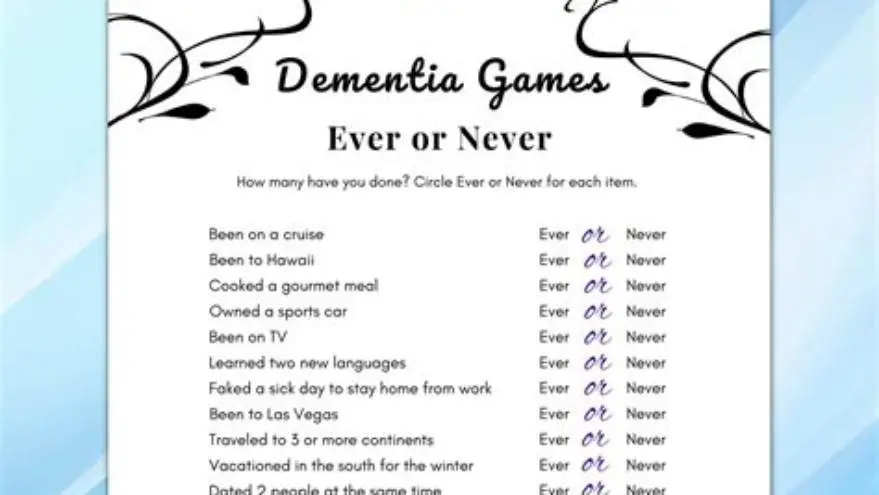
Mild dementia patients usually handle board games, word searches, or large-print crosswords. These tasks tap memory and reasoning while being visually accessible.
Moderate dementia patients do better with art projects, simple crafts, and sensory activities like sorting objects by color or texture. These support motor skills and provide soothing focus.
Severe dementia patients respond best to very gentle tasks: folding cloths, listening to familiar music, or looking at photo albums. These reduce distress and evoke memories. If that sounds like your situation, read up on printable activities for alzheimer's patients next.
Matching activities to stage avoids overwhelming the patient. For example, a puzzle that needs 100 pieces suits mild stage but frustrates severe stage patients.
Mild stage patients can also try simple card games like Go Fish or matching pairs with large, clear cards. These encourage memory and social skills without too much complexity. For example, a 30-card matching game can be completed in 15-20 minutes.
Moderate stage patients may benefit from sensory boxes filled with items of different textures, like soft fabric, smooth stones, and rubber balls. Sorting these by touch alone offers calming stimulation. A session might involve grouping 12 items by texture within 10 minutes. For the detail, see our notes on activities for men with dementia.
Severe stage activities should focus on reducing anxiety. Playing familiar songs for 15 minutes can evoke positive emotions. Use headphones if background noise causes confusion. Folding towels or napkins calmly for 5-10 minutes provides a gentle sense of purpose without pressure.
| Stage | Activity Type | Purpose | Difficulty |
|---|---|---|---|
| Mild | Large-print puzzles, word games | Cognitive stimulation | Moderate |
| Moderate | Art, crafts, sorting objects | Sensory and motor engagement | Easy |
| Severe | Listening to music, folding cloths | Calming and memory recall | Very easy |
How to choose activities that engage without overwhelming
Start by assessing what the person enjoys and can do now. Avoid tasks requiring skills they lost. Keep instructions simple and clear.
Choose activities with clear goals and low chance of failure. Success builds confidence; failure leads to frustration. There is more on non-childish dementia activities in a separate guide.
Break activities into small steps. Repeat familiar tasks often. Use large-print or tactile materials for easier handling.
Test an activity in short sessions. Watch for signs of stress: agitation, refusal, or confusion. If these appear, simplify or change the task.
Use conversation cards or prompts to encourage sharing and connection alongside activities. The other half of this decision is dry erase laminated sheets durability.
Observe the patient's reactions closely during activities. Signs of overwhelm include fidgeting, restlessness, or repeated questions. When these appear, switch to a simpler task or take a break. For instance, if a word search frustrates, try a coloring page instead.
Keep activities predictable. Routine helps dementia patients feel secure. Introduce new activities gradually and repeat favorites often. A daily schedule with 1-2 activity times can prevent boredom and agitation.
Adjust the environment to support focus. Reduce background noise, ensure good lighting, and remove distractions. Provide seating that supports good posture and comfort. These factors affect how well a patient can engage with any task.
- Assess current abilities before choosing
- Pick tasks with clear, simple goals
- Use large print and tactile materials
- Watch for stress signals and adjust
- Encourage conversation during activities
Simple activities for dementia patients
Simple activities suitable for dementia patients vary by stage and individual skills. Here are practical ideas you can try.
1. Mild stage: Large-print word searches, sudoku or crosswords provide mental exercise without overwhelm. Choose puzzles with 20-30 items for manageable challenge.
2. Moderate stage: Sorting buttons or colored items, crafting with modeling clay, and listening to familiar songs promote sensory engagement and calm.
3. Severe stage: Gentle folding of soft cloths, handling textured objects, or watching fish in a tank provide soothing, non-verbal stimulation.
Always set up the activity thoughtfully. Prepare materials in advance and create a calm, distraction-free environment. Limit session length to 15-20 minutes.
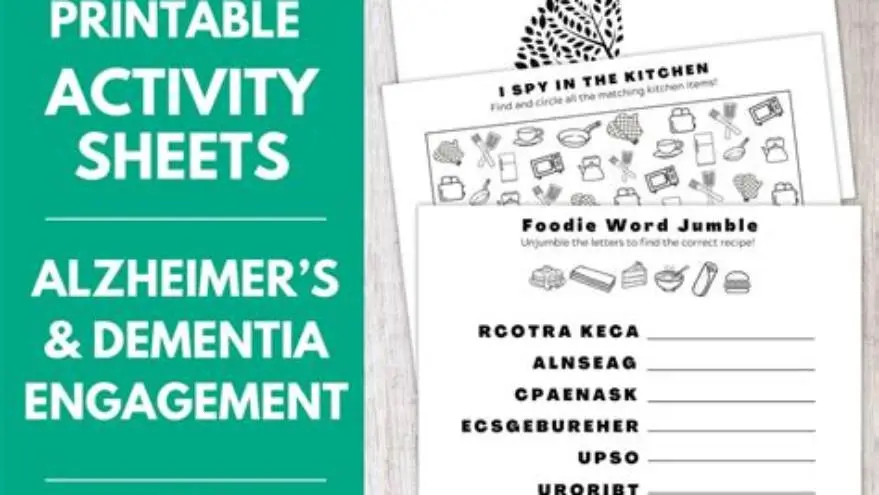
If you want a ready solution, the Gentle Minds Activity Kit offers printable activities at three difficulty levels plus conversation starters and caregiver guides. It can save time and avoids childish materials but does not provide therapy or promise cognitive improvement.
When and why to use the Gentle Minds Activity Kit
The Gentle Minds Activity Kit helps you find appropriate activities quickly. It includes over 130 printable pages at gentle, easy, and steady difficulty levels.
It suits families caring for loved ones with memory loss and activity coordinators in care homes. The kit features large print, conversation cards, and a caregiver guide.
Use it when you need fresh ideas that respect abilities. It prevents running out of activities during the week and avoids tasks that feel too childish or too hard.
The kit does not treat dementia or improve cognition. It focuses on enjoyment and connection. You can print multiple copies for different users and pick tasks that fit mild, moderate, or severe stages.
If you prefer free or self-made activities, large-print puzzle books or manual craft projects are alternatives but require more time and skill to prepare.
- Ready-to-print activities
- Three difficulty levels
- Includes conversation cards
- Caregiver guide included
- Not therapeutic
- No guaranteed cognitive benefit
- Requires printer access
How to make your own large-print activities for dementia patients
Creating activities yourself lets you tailor them precisely. Use large fonts (18-24 points) and high contrast colors to aid visibility.
Choose simple puzzles: word searches with familiar words, simple sudoku with fewer numbers, or crosswords with basic clues.
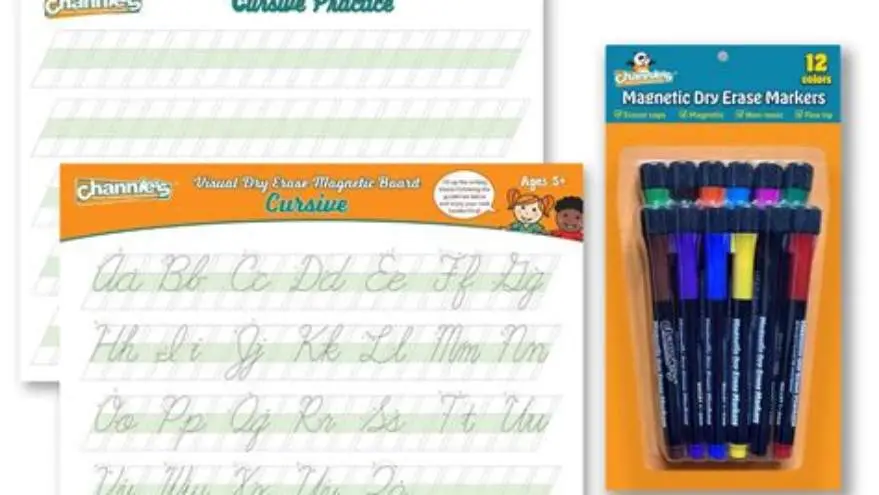
Print on sturdy paper to help handling. Laminate pages for reuse with dry-erase markers to save printing costs.
Use free online tools or apps to generate puzzles, then enlarge and customize them. The BigPrint Puzzle Studio tool is designed to create large-print, printable puzzles easily if you want a digital method.
Keep instructions clear and concise. Include answer keys for helpers to guide gently without taking over.
Your own activities can be cheap and flexible, but require time and some design ability to keep them engaging and accessible.
- Tailored to individual
- Cost-effective
- Reusable with lamination
- Requires time and skill
- May lack variety
- Printing costs add up
Questions people still ask
What activities work best for mild dementia?
Large-print puzzles, word searches, and simple card games work well. They provide mental stimulation without overwhelming the person.
How can I avoid frustrating a dementia patient with activities?
Match activities to their current abilities. Keep instructions simple. Choose tasks with a high success rate and watch for distress signs.
Are craft projects suitable for dementia patients?
Yes, especially for moderate-stage patients. Simple art and craft tasks encourage sensory engagement and calm.
Is the Gentle Minds Activity Kit suitable for severe dementia?
It includes activities at multiple levels, including gentle tasks for severe dementia, focusing on calm and achievable engagement.
Can large-print puzzles improve memory in dementia?
They help maintain cognitive engagement and provide enjoyment but do not cure or improve dementia.
Ready to try it? It provides ready, stage-appropriate printable activities that honor abilities and prevent frustration.
Try printable activities now