Printable word games for dementia patients: what makes them easy and engaging
Printable word games for dementia patients must have large, clear print of at least 18-24 point font, simple layouts with minimal distractions, and easy-to-understand instructions. Games like word searches with familiar words and short crosswords work best.
On this page (8 sections)
- Quick recap
- What features make word games suitable for dementia patients
- How print size and layout affect usability for dementia patients
- Examples of printable word games adapted for dementia
- Where to find free or low-cost dementia-friendly printables
- Printable word games for dementia patients: how to choose or adapt them
- Using printable kits like Gentle Minds Activity Kit for dementia word games
- Still wondering?
Part of our guide on activity book for adults with dementia
Key figures
- Font size
- 18-24 point
- Print format
- US Letter / A4
- Activity types
- Word search, basic crossword
- Levels of difficulty
- 3 levels common
- Printable pages
- Over 130 pages in kits
- Memory loss focus
- Adults with dementia
Quick recap
- Choose large print (18-24 point) to aid low vision and reduce strain.
- Simple layouts and fewer words prevent confusion and frustration.
- Word searches and basic crosswords suit different cognitive abilities.
- Printable kits with levels allow gradual challenge adjustment.
- Free online resources can provide dementia-friendly printables.
What features make word games suitable for dementia patients
Word games for dementia patients must prioritize clarity and simplicity. Large, readable print in at least 18-24 point font reduces eye strain and helps users focus. Avoid cluttered layouts; white space around words eases navigation.
Instructions should be short and straightforward, with examples or visual cues. Games with familiar, concrete words linked to everyday life or past experiences engage memory more effectively than abstract vocabulary.
The correct level of challenge matters. Too easy, and the activity feels trivial; too hard, and it leads to frustration. Offering activities in graduated difficulty supports users with varying cognitive abilities and helps maintain confidence.
Games that encourage success and calm, rather than competition or timed pressure, foster engagement. Avoid multi-step puzzles requiring complex sequencing, which can overwhelm users with memory loss. There is more on printable activities for adults with dementia in a separate guide.
Adjusting word complexity within the same game type can help maintain interest as dementia progresses. For instance, starting with three-letter common words and gradually including four- or five-letter words increases engagement without introducing frustration. Monitoring responses and adjusting accordingly ensures the activity remains rewarding.
Including visual aids alongside words, such as simple icons or images representing the words, can enhance recognition and recall. For example, pairing the word "apple" with a clear picture of an apple supports memory by linking verbal and visual cues, aiding those with declining language ability.
How print size and layout affect usability for dementia patients
Print size is crucial to usability. Fonts under 18 points can cause frequent re-reading and confusion, especially for users with common age-related vision decline. At 18-24 points, print is easier to scan and words stand out clearly. We go through easy dementia games for seniors step by step elsewhere on the site.
Layout must avoid distractions. Avoid dense grids or excessive decoration. A single column or uncluttered grid with large squares or boxes helps users track their progress without losing place.
High-contrast text and background, such as black on white or soft pastel backgrounds, improve readability. Glossy paper or glare can create barriers, so matte printables are preferable.
Spacing between letters and lines should be ample; cramped text strains attention and visual processing. Margins and space around puzzles aid focus and reduce anxiety. There is more on games with simple rules and large print in a separate guide.
Using sans-serif fonts like Arial or Verdana can improve readability over serif fonts, as they present cleaner letterforms and reduce visual clutter. For example, printing a word search in 20-point Arial font on matte paper with 1.5 line spacing can significantly reduce eye strain.
Consistency in layout across different printables also minimizes cognitive load. If all word search puzzles use the same grid size and format, users can transfer familiarity from one game to another, making the experience smoother and less daunting.
Examples of printable word games adapted for dementia
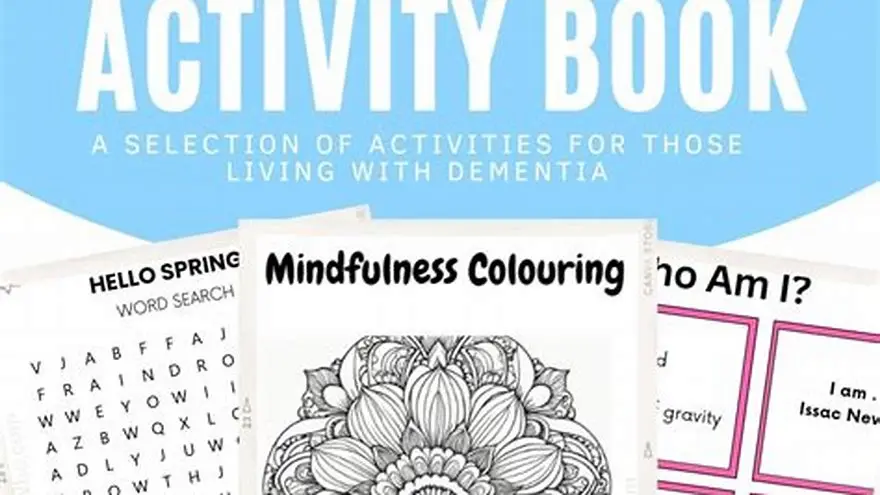
Word searches with clear, everyday vocabulary and larger grids are widely used. Limiting words to 5-7 per puzzle supports early to moderate dementia. Words linked to hobbies, seasons, or familiar places work best. If that sounds like your situation, read up on word games for early stage dementia next.
Simple crosswords with brief, concrete clues and short answers (3-5 letters) engage language without overwhelming. Avoid thematic puzzles requiring abstract knowledge or too many tricky word forms.
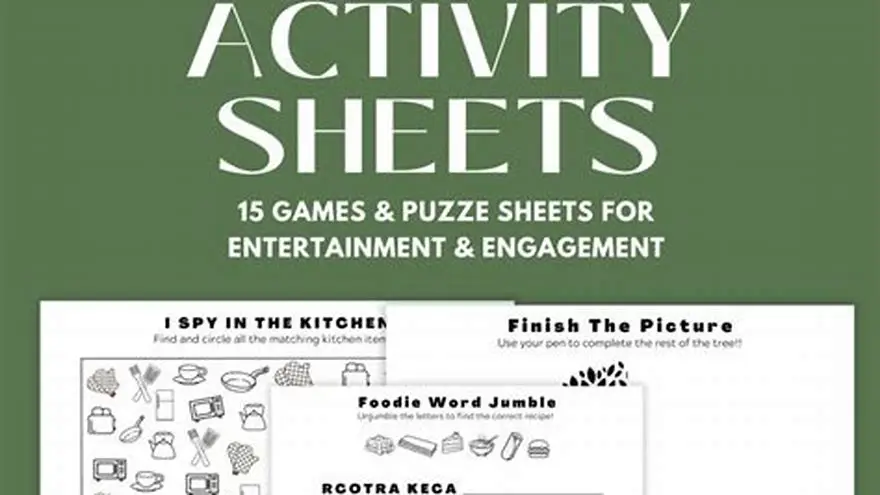
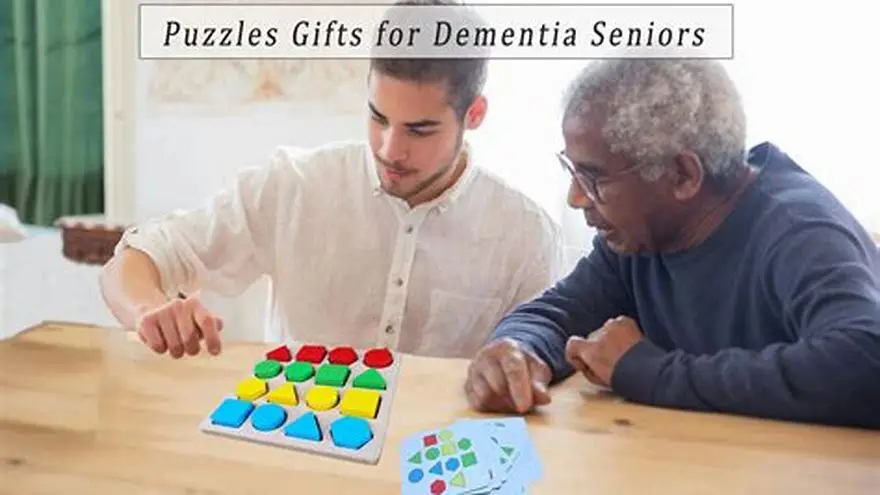
Matching games or letter tracing exercises can complement word games, especially for those who enjoy tactile engagement. These often come as printables with large, simple shapes and letters.
Printable kits like the Gentle Minds Activity Kit offer activities at three difficulty levels, from simple word finds to steadier puzzles, adjustable to users’ abilities. They also include conversation cards to stimulate memory and interaction. People in this spot often ask about puzzles with large print type as well.
A simple worked example is a word search with a 10x10 letter grid containing 5 words linked to seasons: SPRING, SUMMER, WINTER, FALL, and SNOW. Words run horizontally or vertically with clear spacing between letters. The answer key highlights found words in bold, allowing caregivers to confirm progress easily.
Crosswords with shorter clues like "red fruit" for "apple" or "pet animal" for "dog" keep puzzles accessible. Avoiding clues that require abstract associations, such as "emotion" or "philosophy," prevents confusion and maintains enjoyment.
| Game type | Typical print size | Typical word count | Cognitive demand |
|---|---|---|---|
| Word search | 18-24 point | 5-7 words | Easy to moderate |
| Basic crossword | 18-24 point | 10-15 words | Moderate |
| Matching/Tracing | Large shapes | N/A | Low |
| Conversation cards | Large print | N/A | Memory stimulation |
- Large print promotes accessibility
- Multiple difficulty levels available
- Familiar word themes aid memory
- Crosswords may still challenge some
- Limited variety compared to standard puzzles
Where to find free or low-cost dementia-friendly printables
Many websites offer free printable word games adapted for dementia, usually in large print with easy layouts. Government health sites, senior care organizations, and volunteer groups provide reliable resources.
Public libraries often have large-print puzzle books that can be photocopied or scanned for personal use. These include word searches and basic crosswords tailored to older adults.
Digital kits like the Gentle Minds Activity Kit provide hundreds of printables with clear design, plus caregiver guides and conversation starters, all in one organized package. This saves time hunting for individual games and adjusting them.
Alternatively, you can create your own word games using free online puzzle makers. Adjust font size and word lists carefully, but this requires some trial and error to avoid complexity or print issues.
Some nonprofit organizations dedicated to aging and memory care curate collections of printable word games specifically tested for dementia suitability. Checking their websites can yield vetted materials that balance challenge and ease.
Local senior centers or adult day programs sometimes offer printed activity sheets developed by occupational therapists. These resources often consider sensory and cognitive limitations, making them reliable options for printables.
Printable word games for dementia patients: how to choose or adapt them
Select games with large, legible fonts and enough space around text. Playtesting with your loved one or group helps confirm ease of use and enjoyment before printing multiple copies.
Adapt word lists to include familiar and positive words related to the user’s past interests and daily life. Avoid unfamiliar jargon or complicated vocabulary.
Simplify instructions and provide examples by your side. Use pencil or erasable markers so users can correct mistakes without stress.
Consider games with no 'wrong' answers or timed limits to reduce anxiety. Focus on activities that encourage conversation and connection, not just puzzle completion.
- Choose printables with 18-24 point font and simple layout.
- Check that words and clues are familiar and concrete.
- Test the puzzle with the user for interest and difficulty.
- Print on matte paper with good contrast and clear spacing.
- Use pencil and encourage relaxed, social play.
- Customizable to individual interests
- Encourages social interaction
- Reduces frustration with pacing
- Requires caregiver involvement
- May need multiple print versions
Using printable kits like Gentle Minds Activity Kit for dementia word games
The Gentle Minds Activity Kit bundles over 130 large-print activities, including word games at three difficulty levels. It suits adults with memory loss by providing progressively steady challenges.
This kit includes conversation cards that spark meaningful discussions and memory sharing, enhancing engagement beyond puzzles alone. Caregiver guides help tailor sessions to user needs.
Unlike random free printables, this kit offers consistent quality, design, and immediate access as an instant download in US Letter and A4 sizes. It is not a medical treatment but an enjoyable activity resource.
If you want to save time finding or adapting printables, this kit is a strong practical solution that respects your loved one’s abilities and avoids frustration.
- Multiple difficulty levels included
- Caregiver guide and conversation cards
- Clear, large print and simple design
- Not a medical or therapeutic product
- Requires purchase
Still wondering?
Can word games improve memory in dementia?
Word games do not cure or significantly improve dementia but can support engagement, stimulate conversation, and reduce anxiety through enjoyable activities.
What font size is best for dementia printables?
Fonts between 18 and 24 points are generally ideal to aid readability for most adults with memory loss and vision challenges.
Are free printable word games good enough for dementia care?
Free printables can be useful but often lack the design features and varying difficulty levels found in dedicated kits suited for dementia.
How to adapt existing word games for dementia?
Increase font size, simplify word lists to familiar terms, reduce the number of words, and remove extra decorations or distractions.
Should activities have answers provided for dementia patients?
Yes, providing answers helps caregivers assist without frustration and encourages success rather than failure.
Ready to try it? It offers a large set of printable word games at three difficulty levels specifically designed for adults with memory loss, saving you time adapting materials.
Explore the Gentle Minds Kit