Printable activities for adults with dementia
Match printable activities to dementia stages to ease frustration and boost engagement with clear, easy, and enjoyable puzzles and games.
Printable activities for adults with dementia work best when tailored to their cognitive stage and designed to be simple, clear, and calming, such as large-print word searches and easy mazes with no penalty for mistakes.
On this page (8 sections)
- The short version
- What types of printable activities work best for dementia patients
- How to choose or adapt printables by dementia stage
- Examples of easy-to-use printables like word searches and mazes
- Tips for caregivers to facilitate these activities
- Printable activities for adults with dementia: matching activities to stages
- How to choose or create dementia-friendly printables yourself
- Questions people still ask
Part of the guide: Printable word games for dementia patients: what makes them easy and engaging
Printable activities matched to dementia stages bring calm, success, and connection without frustration.
| Print size | 14-18 pt font |
|---|---|
| Activity levels | 3 levels |
| Pages in kit | 130+ printables |
| Common puzzles | word search, maze, matching |
| Caregiver role | active facilitation |
| Activity duration | 15-30 minutes |
The short version
- Choose activities with large, clear print and simple instructions.
- Match activities to dementia stages to reduce frustration.
- Use familiar themes and no-pressure puzzles to promote success.
- Caregivers should facilitate and encourage connection during activities.
- Printable kits like Gentle Minds can save time with staged options.
What types of printable activities work best for dementia patients
Activities that work best for adults with dementia are those that promote calm and a sense of success, not frustration or confusion. They typically have large, clear print and simple instructions. Word searches with clearly defined word lists, basic mazes without dead ends, and matching or sorting tasks are good examples.
These activities rely on preserved abilities like recognition rather than recall or complex problem solving. Avoid puzzles that require memory or abstract reasoning beyond the individual's capacity. Instead, choose printables with familiar themes and clear visual cues to support engagement.
Activities that encourage social interaction or memory sharing, such as conversation cards or picture prompts, also have value. They help create meaningful moments and reduce isolation, especially when a caregiver or family member participates.
Activities involving music and rhythm can also be effective printables for adults with dementia, using lyrics or simple musical notation sheets. These combine cognitive engagement with emotional stimulation and can trigger positive memories. For example, printing the lyrics to a well-known song in large, clear font might encourage singing along or humming, which has calming effects. People in this spot often ask about printable activities for dementia patients as well.
Check the suitability of printables by observing engagement and stress signals during use. If an activity repeatedly causes frustration or withdrawal, it likely needs further simplification or replacement. Success is shown when the person participates willingly and appears relaxed or pleased.
How to choose or adapt printables by dementia stage
Dementia progresses through stages that affect cognitive abilities differently. In early stages, adults may handle puzzles like basic crosswords or sudoku with some support. Medium stages call for simpler word searches and matching games, while late stages need very straightforward activities focused on sensory stimulation and recognition.
Adapting printables can mean increasing print size to at least 14-18 point font and simplifying instructions. Remove time limits and allow unlimited attempts to reduce stress. Highlighting or coloring parts of the puzzle can also help guide attention. If that sounds like your situation, read up on large-print activities for seniors with dementia next.
If an activity feels too hard, scale it down by limiting choices, providing examples, or switching to tactile or visual aids. This adaptability prevents frustration and keeps the activity enjoyable.
Some adults in the early stage may benefit from printables that incorporate mild cognitive challenges, like fill-in-the-blank exercises related to familiar topics. These help maintain mental activity but should be designed to avoid failure feelings. For instance, a printable asking to complete a well-known phrase with one missing word can be stimulating without stress.
In late stages, printables that focus on sensory engagement can include high-contrast images or textures added to printouts, such as glued fabric pieces or raised outlines. These adaptations make the activity more accessible when vision or fine motor skills decline. We go through choosing word games for dementia step by step elsewhere on the site.
| Stage | Recommended Activities | Print Size | Key Adaptations |
|---|---|---|---|
| Early | Basic crosswords, sudoku, word searches | 14-16 pt | Simple instructions, moderate difficulty |
| Middle | Word searches, matching, easy mazes | 16-18 pt | Remove time pressure, use visual cues |
| Late | Sensory cards, picture matching, coloring | 18+ pt | Simplify tasks, focus on recognition |
Examples of easy-to-use printables like word searches and mazes
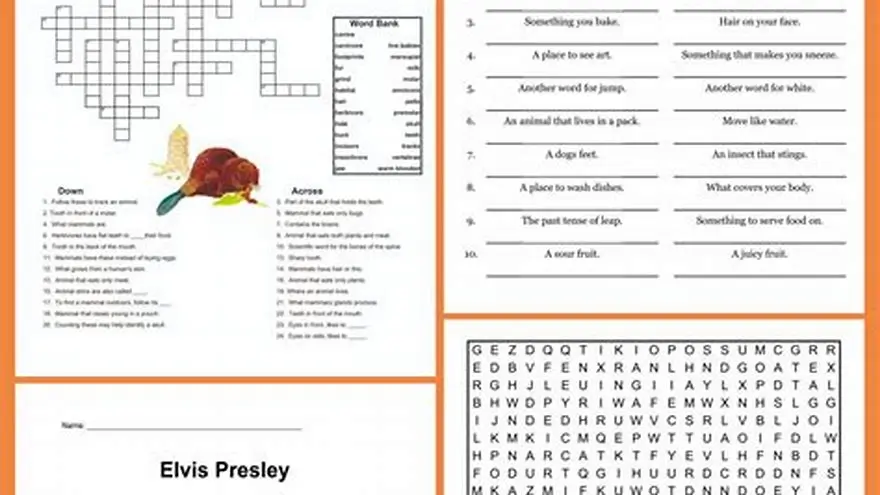
Word searches designed for dementia patients typically limit the word list to 5-10 words and print them in a clear box on the page. The words are simple, familiar, and often themed around seasons, hobbies, or nature. The grid uses large letters spaced apart to aid readability.
Mazes for adults with dementia avoid complex branching paths. Usually, they have one clear route from start to finish with wide lines and no dead ends. Coloring activities with large sections and basic shapes are also common choices.
Matching printables may include pairing pictures to words or matching colors and shapes. The objective is to stimulate recognition without requiring memory recall, supporting users to feel successful and engaged. The other half of this decision is large-print puzzles for reminiscence.
- Word searches: 5-10 large words, familiar themes, no penalty for missing words.
- Mazes: single clear path, wide lines, simple shapes.
- Matching: picture-to-word or color-to-shape pairs, limited options.
- Coloring: large shapes, familiar images, few color choices.
Tips for caregivers to facilitate these activities
Caregivers play a critical role in making printable activities accessible and enjoyable. They should prepare the materials in advance, ensuring print quality and size are suitable. Present activities calmly and without pressure, offering gentle encouragement rather than correction.
Sit alongside the person with dementia and engage in conversation related to the activity, using it as a prompt for shared memories or feelings. Avoid rushing or focusing on accuracy; the goal is connection and calm engagement.
Use the answers or guidance sheets if available to help gently steer the activity, but respect moments when the person wants to stop or switch. Rotate different types of activities to maintain interest and accommodate fluctuating abilities.
Caregivers should consider the lighting and seating arrangement when facilitating printables to reduce glare and discomfort, which can distract or tire the person with dementia. A well-lit, quiet space with comfortable seating supports concentration.
Using positive reinforcement like smiles, nods, or verbal praise encourages continued participation. If the activity includes multiple steps, breaking it down and celebrating small achievements helps maintain motivation.
If the person becomes restless or distracted, switch to a different type of printable or a non-printable activity briefly, then return to printables later. This flexibility keeps the experience positive and respects the person's needs.
- Print the activity on large, clear paper with at least
14 ptfont. - Introduce the activity with simple, positive instructions.
- Do the activity together, encouraging but not correcting.
- Use conversation cards or prompts to stimulate dialogue.
- Observe signs of fatigue or frustration and adjust accordingly.
Printable activities for adults with dementia: matching activities to stages
Matching printable activities explicitly to dementia stages makes a significant difference. In early stages, activities can challenge recognition and some problem solving, including simple crossword or sudoku puzzles printed in large type.
Middle-stage printables should simplify tasks, use no-fail designs, and focus on recognition and sensory engagement. Large-print word searches with a limited word list and simple matching cards are ideal.
Late-stage printables mostly stimulate senses and familiarity, using picture cards, coloring sheets with bold outlines, and tactile activities where possible. No reading or writing is required.
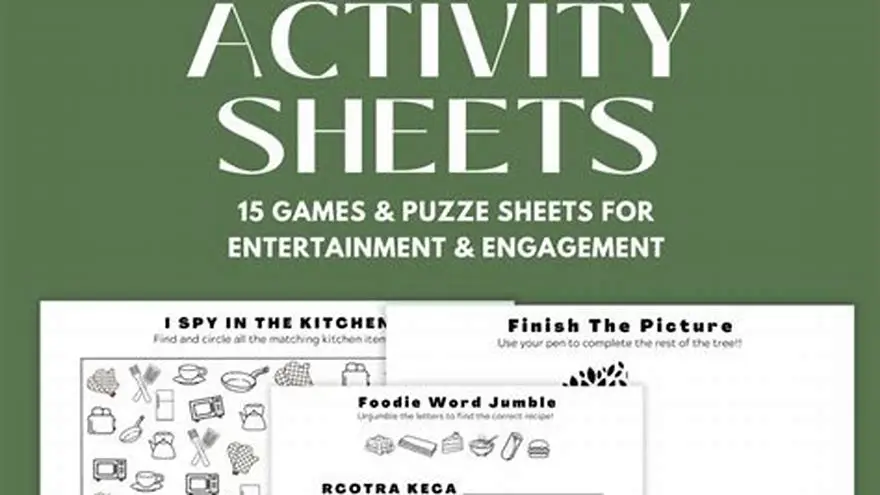
Products like the Gentle Minds Activity Kit provide ready-made printables grouped into three levels: Gentle, Easy, and Steady, each tailored to different stages. The kit includes over 130 pages, conversation cards, and caregiver guides, making it easier to pick the right activity without guesswork.
How to choose or create dementia-friendly printables yourself
You can create dementia-friendly printables by starting with large fonts (ideally 14-18 pt) and clear, uncluttered layouts. Pick familiar themes and limit choices to reduce overwhelm. Use simple instructions and remove timers.
Free resources often include basic word searches and maze generators online, but they usually lack dementia-specific adjustments like conversation prompts or caregiver guides. You can modify by printing on thick paper, using high-contrast colors, or adding visual cues.
For sellers or activity coordinators, tools like BigPrint Puzzle Studio let you customize puzzles with large print and themes, but they don’t provide caregiver guidance or staged difficulty built-in. Combining such tools with your own knowledge of dementia stages helps craft effective materials.
Manual creation or adaptation takes time and trial to match abilities and preferences. Kits like Gentle Minds save time by bundling suitable activities with facilitation tips, but you can do well with careful selection and simple modifications.
| Method | Print Size Control | Stage Adaptation | Caregiver Support | Cost |
|---|---|---|---|---|
| Manual Free Printables | Moderate | User-dependent | None | Free |
| BigPrint Puzzle Studio | Full Control | No | No | One-time fee |
| Gentle Minds Activity Kit | Fixed large print | Yes, 3 levels | Caregiver guide included | One-time fee |
- Manual method costs nothing
- BigPrint offers puzzle variety and print control
- Gentle Minds offers staged activities and caregiver help
- Manual requires time and skill
- BigPrint lacks staging or facilitation materials
- Gentle Minds is a paid kit and not medical
Questions people still ask
Are printable activities effective for all types of dementia?
Printable activities support many types, but effectiveness depends on the individual's stage and abilities. Tailoring activities to cognitive function and sensory preferences is essential.
How often should adults with dementia do printable activities?
Short sessions of 15-30 minutes, several times a week, are ideal. Watch for signs of fatigue or frustration and adjust frequency accordingly.
Can printable activities improve memory in dementia?
These activities mainly support engagement, calm, and social connection. They do not restore memory but can improve quality of life and mood.
Is it better for caregivers to do activities with the person or let them work alone?
Active caregiver involvement helps maintain connection, provide encouragement, and adapt the task as needed, making activities more enjoyable.
Where can I find free printable dementia-friendly activities?
Many sites offer free large-print word searches and mazes. However, they may lack stage-appropriate designs or caregiver guidance needed for dementia.
Ready to try it? It offers staged, printable activities with caregiver guidance designed specifically for adults living with memory loss.
Try the Gentle Minds Kit