Coloring pages for adults with dementia: how to pick dementia-friendly designs
Find out what makes coloring pages suitable for adults with dementia and where to find designs that bring calm and success.
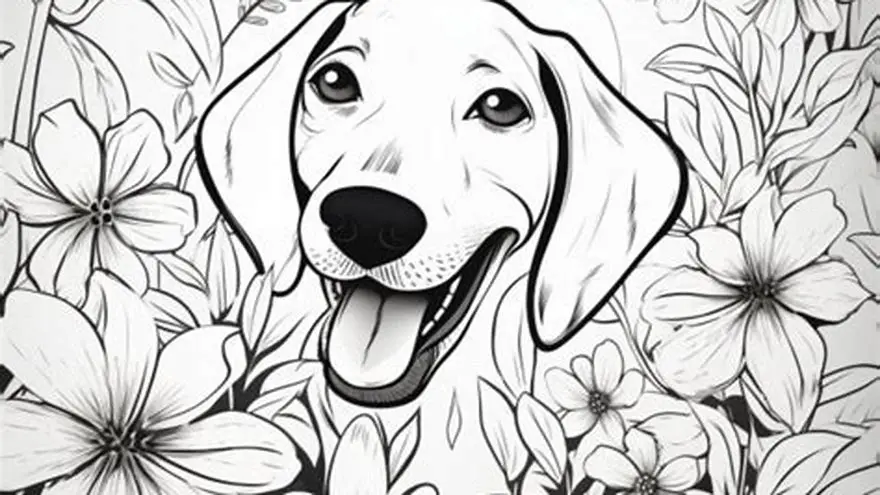
Choose coloring pages with simple, large shapes and clear outlines to reduce frustration for adults with dementia. Designs with familiar subjects and limited color areas work best to promote calm and engagement.
On this page (8 sections)
- The short version
- Features that make coloring pages suitable for dementia
- Examples of easy coloring pages for dementia adults
- Where to find free or printable dementia-friendly coloring pages
- How to make your own dementia-friendly coloring pages
- How the Gentle Minds Activity Kit helps with coloring pages for adults with dementia
- Choosing coloring pages that bring calm and success, not frustration
- Questions people still ask
Part of our guide on simple activities for dementia patients
| Line thickness | 5-10 mm |
|---|---|
| Complexity level | low to medium |
| Typical page size | US Letter or A4 |
| Color zones | 5-10 large areas |
| Print format | large-print PDF |
The short version
- Use simple, bold outlines to help focus and avoid overwhelm.
- Select familiar, comforting themes that trigger positive memories.
- Avoid intricate or abstract designs that cause confusion.
- Look for large-print or dementia-specific printable pages online.
- The Gentle Minds Activity Kit offers ready-made dementia-friendly activities.
Features that make coloring pages suitable for dementia
Coloring pages for adults with dementia should have bold, thick outlines usually between 5 and 10 millimeters. This helps compensate for declining fine motor skills and vision issues common in dementia. Thin, delicate lines cause frustration as they are harder to see and color.
Designs must contain large, simple color areas rather than intricate patterns. Adults with dementia often face difficulty with small details and complex images. Large shapes reduce stress and increase the chance of completing the page successfully.
Choose recognizable and familiar subjects such as flowers, animals, or everyday objects. These themes can trigger positive memories and provide a comforting experience. Abstract or surreal images risk causing confusion or agitation.
Pages in large-print format, typically US Letter or A4 size with ample white space between elements, improve readability. This format suits both home printing and care home activities, accommodating common equipment. There is more on boosting engagement with simple games in a separate guide.
Avoid high contrast or overly busy backgrounds, as they distract or overwhelm users. A clean, uncluttered page helps focus on the coloring task and minimizes cognitive load.
Coloring pages that include high-contrast color suggestions can help adults with dementia distinguish areas to color more clearly. For example, outlining zones intended for bright colors like red or yellow helps guide choices and avoid confusion. Contrast ratios of at least 4.5:1 between outlines and background improve visibility.
Pages designed with a single focal point rather than multiple competing images reduce cognitive load. A single object centered on the page, such as a large sunflower or a simple cat silhouette, keeps attention focused. Too many separate elements spread across the page can cause distraction and frustration. We go through easy games for seniors with dementia step by step elsewhere on the site.
Examples of easy coloring pages for dementia adults
Easy dementia-friendly coloring pages feature simple outlines and broad color zones. Examples include single large flowers, animals with clear shapes, and familiar objects like fruit or household items. These images encourage participation without overwhelming the user.
Pages that use repetitive, structured patterns can also work if they have large, uniform blocks of color. For instance, a striped or dotted pattern with a limited palette provides focus without complexity.
Coloring pages with a theme tied to seasons or holidays may increase engagement by linking to familiar routines. For example, pumpkins for autumn or snowflakes for winter can bring comfort. Before you commit to anything, it is worth looking at adult dementia activities.
Avoid pages with faces that have many small features or abstract art requiring interpretation. Such pages often cause confusion rather than relaxation.
You can find many examples by searching for 'large-print coloring pages for seniors' or 'dementia-friendly coloring sheets' online. Trusted caregiving sites and forums often share free samples.
An example worked through: a large sunflower outline with thick black lines and five broad petals offers five main color areas. The center can be colored brown or black. This keeps the palette simple and focused, supporting success and satisfaction. We go through dementia printable brain games step by step elsewhere on the site.
Coloring pages of simple mandalas made up of large geometric shapes can also work if each shape is distinct and separated by thick lines. A mandala with 10 to 15 large sections works well, whereas one with dozens of tiny shapes overwhelms users.
A worked example helps: take a simple cat silhouette with thick black outlines. The body divides into three large zones: the head, torso, and tail. This creates just three main coloring areas, which prevents overwhelm. The familiar shape keeps it comforting and engaging. Users often enjoy choosing colors for the eyes and nose, adding a small splash of detail that feels manageable.
Simple cartoon-like images also work well if they avoid tiny details. An example is a large smiling sun with rays spaced widely apart. The sun's face can be one color, and each ray another, allowing easy switching between colors without confusion. This type of friendly image supports success and can boost mood effectively.
- Large single objects: flowers, animals, fruit
- Simple seasonal themes: leaves, pumpkins, snowflakes
- Repetitive geometric patterns with large blocks
- Avoid: small detailed faces or abstract art
Where to find free or printable dementia-friendly coloring pages
Several websites provide free printable coloring pages designed for older adults or dementia care, usually in large-print formats. Search for terms like 'dementia coloring pages free printable' or 'large-print coloring sheets for seniors'.
Caregiving organizations and memory care centers often share downloadable resources that have been tested for dementia suitability. These sites focus on calm, straightforward designs you can print at home or in care facilities.
Many general coloring pages can be adapted by enlarging them before printing. Increase contrast and outline thickness with basic image editing software to make them more dementia-friendly.
You can also create your own pages by tracing or drawing simple shapes, then scanning and printing them in large format. This allows customization for the user’s interests.
Avoid sites offering overly complex or tiny detailed images, which cause frustration rather than engagement.
When searching for free resources, some sites categorize pages by difficulty level or suitability for seniors. Check descriptions carefully to pick pages marked for 'easy' or 'senior-friendly'.
Print samples on regular paper to test size and outline thickness before committing to a full batch. A page that looks fine on screen may shrink or lose clarity when printed.
If you have access to a scanner, you can enlarge hand-drawn sketches or old coloring pages to improve their dementia-friendliness. Scan at 300 dpi or higher for crisp prints.
Some libraries and community centers offer printed coloring books designed for seniors or dementia care, often free or at low cost. Check local resources as they may provide physical copies ideal for those without home printers. These books usually follow best practices on simplicity and readability.
You can also join online caregiving groups or forums where members share their favorite dementia-friendly coloring pages. These peer recommendations often include tested resources with user feedback, helping you find pages that work in practice, not just theory.
Some charity and health websites provide themed printable packs for holidays or seasons, specifically targeting cognitive engagement for older adults. These often come with instructions for caregivers on how to use the pages effectively, including suggestions for color choices and pacing.
- Search caregiving and memory care websites
- Use large-print and simple design filters
- Adapt general coloring pages with editing
- Create custom simple pages by tracing
How to make your own dementia-friendly coloring pages
Start by selecting familiar, simple images such as a basic flower shape or a large animal outline. Avoid any fine details or textures.
Trace the image with a thick marker or use graphic software to thicken all outlines to at least 5 millimeters. This step improves visibility and ease of coloring.
Enlarge the image to fill most of an A4 or US Letter page. Leave white margins and space between shapes to reduce visual crowding.
Simplify the interior by removing small sections or patterns inside objects, leaving broad colorable areas.
Print the pages on quality paper to prevent bleeding if markers or pens are used.
Test the page with the adult who will use it to watch for any signs of frustration or confusion, and adjust accordingly.
If you use software like Microsoft Paint or free vector editors, you can trace scanned images and increase line thickness digitally. This also lets you remove unwanted details easily without redrawing.
Consider adding simple labels or color guides on the page. For example, a small box with suggested colors helps guide the user and avoids decision fatigue.
Once printed, laminate the page or slip it into a plastic sleeve so it can be colored with dry-erase markers and reused. This saves paper and allows repeated practice without waste.
If you have access to a tablet or computer with a touchscreen, you can create digital versions of your custom coloring pages. Apps that allow simple drawing or coloring can be used with a stylus or finger, reducing mess and providing immediate undo options, which can lower frustration.
Consider involving the adult in choosing the subject for a custom page. For example, if they like birds, draw a simple bird outline together, then thicken and enlarge it. This co-creation can boost interest and ownership of the activity.
Another tip is to print pages on slightly textured paper, like light watercolor paper, which can provide tactile feedback that some adults with dementia find soothing. Test different paper types to find what the user prefers and what works best with their coloring tools.
- Choose a simple, familiar image
- Trace or edit to thicken outlines (5-10 mm)
- Enlarge to fill standard page size
- Simplify interior shapes for broad color zones
- Print on quality paper
- Check with user and adjust
How the Gentle Minds Activity Kit helps with coloring pages for adults with dementia
The Gentle Minds Activity Kit includes over 130 printable pages designed specifically for adults living with memory loss, including coloring pages and other activities. Its designs use large print and simple shapes tailored to reduce frustration.
It offers activities at three levels (Gentle, Easy, and Steady) letting you choose what fits the user’s current abilities. This graduated approach matches the common fluctuation in focus and motor skills in dementia.
Conversation cards included encourage interaction around the activities, helping caregivers engage the adult meaningfully during coloring or other tasks.
Because it is a downloadable kit, you can print pages multiple times for different users or replace worn copies without buying new books. It also includes a caregiver guide explaining how to use the activities effectively.
Note that the kit does not replace medical therapy or personalized treatment. It is designed purely for enjoyment, connection, and cognitive engagement without pressure.
Choosing coloring pages that bring calm and success, not frustration
The goal is to pick coloring pages that empower rather than frustrate adults with dementia. Success here means the person finishes while feeling calm and engaged.
Pages with too many small details or complex scenes often cause confusion and agitation. You notice this when the user stops mid-task or gets upset.
Choose designs with fewer colors needed and broader zones to avoid the fatigue of color matching. This reduces cognitive strain.
Familiar subjects linked to positive memories help sustain attention longer. It also encourages conversation about the image, which is a bonus for caregivers.
Rotate the pages to maintain interest but keep the same style to avoid confusion. Consistency in format boosts confidence.
Test the page choice by observing if the person stays focused for at least 10 minutes without signs of frustration such as crumpling the paper or abandoning the activity.
If agitation arises, switch to a simpler page or offer a break with a different calming activity. Signs of success include smiling, humming, or asking questions about the image.
Encourage using a limited palette of 3 to 5 colors to avoid overwhelming the user. Suggest colors gently rather than insisting on realistic choices, which can cause stress.
- Avoid tiny details or complex images
- Limit colors needed to 5-10 large zones
- Pick familiar, comforting themes
- Rotate pages but keep consistent style
- Watch for signs of agitation to switch tasks
Questions people still ask
Can adults with advanced dementia use coloring pages?
Yes, but choose the simplest pages with very large shapes and very thick outlines. Coloring may become more about the tactile activity than creating a precise picture.
Are coloring pages alone enough for dementia care?
No. They provide calm, engagement, and meaningful activity but do not replace medical or therapeutic interventions.
How often should coloring activities be offered?
Daily sessions of 15-30 minutes work well, depending on the individual's stamina and interest.
Can family caregivers create their own dementia-friendly coloring pages?
Yes. Use simple images and enlarge outlines to 5-10 mm. Test and adjust based on user reaction.
Where can I find printable free coloring pages suitable for dementia?
Look at caregiving websites, memory care resources, and community forums. Also, adapt large-print pages from general sources.
Ready to try it? It provides large-print, multi-level coloring pages and activities tailored specifically for adults living with memory loss, reducing frustration.
Get dementia-friendly activities