Easy games for seniors with dementia: 3 features that make play simple and fun
Learn what makes games easy for seniors with dementia and how to choose activities that bring calm and success, avoiding frustration.

Easy games for seniors with dementia have three key features: clear, simple rules; familiar or meaningful content; and gentle challenge suited to their stage. These features reduce frustration and encourage calm, enjoyable play.
On this page (8 sections)
- The short version
- What makes a game easy for seniors with dementia
- Examples of games fitting these features
- How to adapt games for different dementia stages
- Easy games for seniors with dementia: how the Gentle Minds Activity Kit helps
- Alternative ways to create or find easy dementia games
- How to get started playing easy games with a senior living with dementia
- Questions people still ask
Part of our guide on adapting word games for dementia
Identify three clear features that make games calm, fun, and successful for seniors with dementia, avoiding guesswork and frustration.
| Key features | Simple rules, familiar, gentle |
|---|---|
| Game types | Puzzles, matching, word games |
| Difficulty levels | 3 typical stages |
| Printable activities | 130+ pages |
| Typical session length | 10-30 minutes |
| Print sizes | Large print (14pt+) |
The short version
- Choose games with simple, clear instructions and no complex scoring.
- Use familiar themes or content linked to the player’s past.
- Match game challenge to dementia stage to avoid frustration.
- Printable large-print kits can save time and offer variety.
- Adapt games as dementia progresses to keep engagement.
What makes a game easy for seniors with dementia
A game is easy for seniors with dementia when it follows three critical features. First, it has simple, clear rules that the player can understand without confusion or memory overload. Second, the content feels familiar or meaningful, using themes and images that resonate with the player’s life and interests. Third, the challenge level matches the current cognitive abilities, providing gentle success without causing frustration or fatigue.
Simple rules mean no complicated scoring, no time limits, and no need to remember multiple steps at once. Familiar content taps into long-term memories, which typically remain stronger than short-term in many dementia cases. Gentle challenge adjusts to each individual’s stage, allowing tasks like matching or word searches to be easier or harder depending on needs.
Avoid games that require fast reactions, complex problem-solving, or abstract thinking. These increase stress and reduce enjoyment. Instead, games that promote calm, conversation, and gentle brain activity work best. When these features align, seniors with dementia often show increased focus and positive mood during and after play.
Some seniors with dementia have sensory impairments like reduced vision or hearing loss. Games that include tactile elements, like textured cards or pieces, help keep senses engaged. This physical touch can improve focus and lower stress during play. We go through activities for seniors with dementia printable step by step elsewhere on the site.
Seniors may also have fluctuating attention spans. Games with built-in pauses or natural breaks work better. For example, a matching game can have built-in moments for conversation or rest before continuing. This pacing allows players to stay comfortable and enjoy the activity.
Check for signs that a game is too hard, like repeated requests for rules or visible frustration. If these occur, simplify by reducing the number of steps or choices. On the other hand, if a game is too easy, boredom may show as lack of interest. Adjust the difficulty to find the right balance for enjoyment.
Examples of games fitting these features
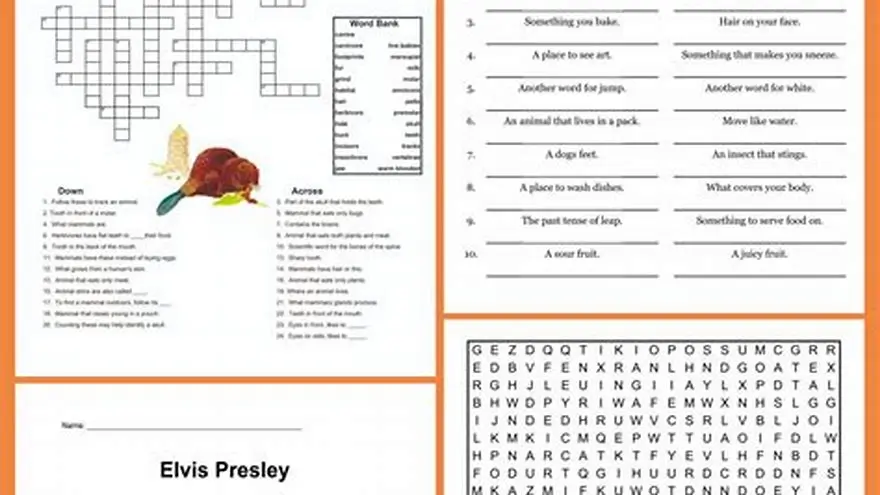
Games that fit these criteria often include large-print word searches, matching picture cards, simple jigsaw puzzles, and easy bingo with familiar themes like nature or holidays. For example, word searches with big letters and a limited word list allow focus and a feeling of accomplishment. People in this spot often ask about fun word games for seniors as well.
Matching games using photographs or images related to the player’s past, such as old cars or household items, encourage memory recall and conversation. Jigsaw puzzles with large pieces and familiar images reduce frustration and build confidence. Bingo played with clear, simple cards offers social interaction and gentle mental stimulation.
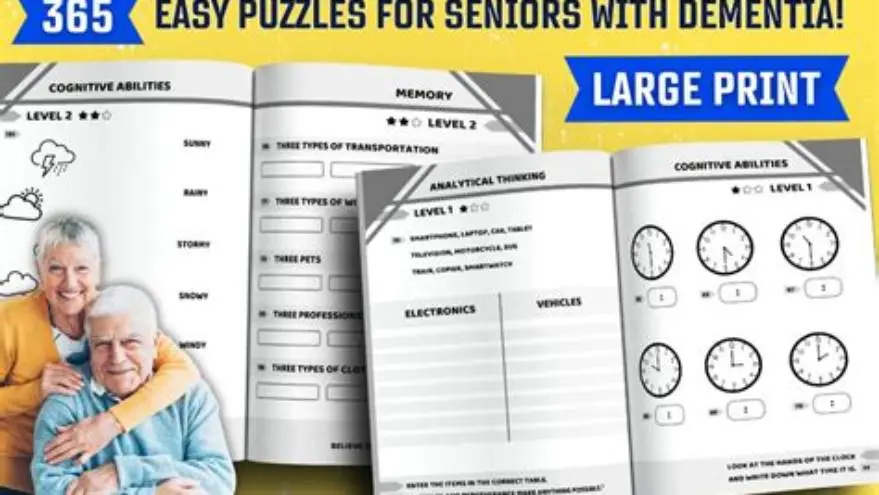
One ready-made resource is the Gentle Minds Activity Kit, which provides over 130 printable pages of activities designed with three difficulty levels. It includes conversation cards, daily planning pages, and a caregiver guide. This kit respects abilities, promotes connection, and avoids childish or overly simplistic content.
How to adapt games for different dementia stages
Dementia progresses in stages, so adapting games is essential. Early stage players may handle simple rules and memory tasks like finding words or matching objects. Mid-stage requires even simpler tasks, with fewer choices and more visual cues. Late stage players benefit from sensory games or activities that involve touch or sound rather than cognitive challenge. There is more on easy puzzles for dementia patients in a separate guide.
Adjust print size to at least 14-point font or bigger to support visual impairments common in seniors. Limit distractions and offer one activity at a time. Use step-by-step instructions and offer help gently. You can gradually increase or decrease game complexity by changing the number of items or length of the activity.
For example, a word search might use a 15-word list for early-stage and reduce to 5-7 words for mid-stage. Picture matching might reduce card numbers or shift to simple sorting by color or shape. Adapting this way sustains interest and reduces frustration, keeping the player calm and willing to try again.
For late-stage dementia, sensory games might include handling soft objects or listening to familiar songs. These activities don't rely on memory but still provide meaningful engagement. For example, feeling a piece of fabric or smelling a flower can evoke calmness. The other half of this decision is seniors 1950s reminiscence activities.
If a senior has trouble speaking, games can focus on nonverbal responses like pointing or gesturing. Caregivers can use yes/no questions or simple choices to involve the player. This adapts the game to the person's current communication ability.
A word search for an early-stage player might have 10 words and a 16-point font. For mid-stage, reduce to 5 words with 18-point font and a highlighted word list. For late stage, switch to a puzzle with large images to find or match by color instead of words. These changes keep the game suitable as abilities change.
Easy games for seniors with dementia: how the Gentle Minds Activity Kit helps
The Gentle Minds Activity Kit is a printable resource designed specifically for adults with memory loss. It solves the challenge of finding suitable, easy-to-use games that respect changing abilities. The kit offers three levels of difficulty (Gentle, Easy, and Steady) so you can choose activities that fit the player’s dementia stage and interests.
It includes over 130 large-print pages of puzzles, conversation cards, and daily planning sheets. This variety keeps engagement fresh and supports interaction between caregivers and seniors. The caregiver guide explains how to use the materials effectively and highlights that there are no wrong answers, reducing pressure on the player.
While it does not provide medical or therapeutic treatment, the kit saves time by providing ready-made, age-appropriate activities. It allows printing as needed, so families or care staff can plan weekly sessions without running out of ideas. Its focus on calm, success, and connection fits the goal of easy games for seniors with dementia.
Alternative ways to create or find easy dementia games
If you prefer a DIY approach, you can create large-print games manually. Use word processors to enlarge fonts (14–18 point) and reduce clutter on the page. Pick themes familiar to the individual, such as family names or hobbies. Simple word searches or matching games can be made using free online puzzle generators, then printed.
Another option is BigPrint Puzzle Studio, a tool designed for creating large-print puzzle books quickly. It lets you customize themes and puzzle difficulty for seniors and print multiple copies. This works well for those who want to create personalized puzzle books or sell activity materials online but requires some effort to learn and use the software.
Choosing between ready kits and DIY depends on your time, skill, and needs. Ready kits like Gentle Minds give immediate access to tested activities, while tools like BigPrint Puzzle Studio provide flexibility for those who want to design their own.
- DIY offers total customization
- Free or low-cost options available
- Tools can produce many puzzles fast
- Requires time to create and test
- Some tools have learning curve
- No guaranteed fit with dementia stages
How to get started playing easy games with a senior living with dementia
Starting with short and simple sessions respects the player’s stamina and focus. Encouraging conversation during play builds connection and enjoyment beyond the game itself. It’s normal to try different games to see which work best; some may spark memories and smiles while others may cause frustration.
Keep the environment calm and free from distractions during play. Have all materials ready to avoid interruptions. Celebrate small successes to boost confidence. Over time, you’ll learn which games your loved one enjoys most and how to adapt them.
If frustration arises, pause the game and switch to a relaxing activity like listening to music. Return to the game later if the player feels ready. Keeping sessions flexible helps maintain a positive experience.
Use positive language and celebrate even small achievements like placing a puzzle piece correctly. This encouragement boosts confidence and willingness to play again.
Invite family members or friends to join. Social interaction during games enhances mood and reduces feelings of isolation. Group play also offers natural support and shared enjoyment.
- Choose a game with simple rules and familiar content.
- Read instructions aloud clearly and slowly.
- Start with a short session, about 10-20 minutes.
- Observe for signs of frustration or fatigue and pause if needed.
- Use conversation cards or prompts to encourage interaction.
- Repeat favorite games or activities to build confidence.
Questions people still ask
What makes a game easy enough for someone with dementia?
An easy game has simple instructions, familiar content, and a gentle challenge suited to the player’s cognitive stage. It avoids complex rules and fast-paced tasks.
Can I use regular puzzles or games for seniors with dementia?
Regular puzzles may be too complex or small in print. Large print and simplified rules help maintain interest and reduce frustration.
How can I tell if a game is too hard or too easy?
Watch for signs like frustration, withdrawal, or boredom. Adjust difficulty by changing puzzle size, number of items, or pace.
Is the Gentle Minds Activity Kit suitable for all dementia stages?
It offers three difficulty levels to fit early to moderate stages. Late-stage dementia may require more sensory-based activities not covered by the kit.
Can I adapt games myself if I don’t buy a kit?
Yes, using large fonts, familiar themes, and simplifying rules helps. Free tools and printable templates online assist in creating suitable games.
Ready to try it? It provides ready-made, large-print, staged activities designed specifically for adults living with memory loss.
Try Gentle Minds Kit