Group word games for seniors: 5 easy, fun games with answers and rules
Discover five easy and fun word games for senior groups with clear instructions and solutions, designed to engage and entertain all cognitive levels.

Five group word games fit seniors best: Word Association, Large-Print Anagrams, Word Search Relay, Category Naming, and Simple Crossword. Each includes clear rules and answers, adapted for varied group sizes and cognitive abilities.
On this page (8 sections)
- Key takeaways
- Simple and fun word games suitable for groups of seniors
- Games that include answer keys or solutions
- Instructions tailored to senior players
- Variety to accommodate different group sizes and cognitive levels
- Group word games for groups of seniors with answer keys and clear rules
- How to create or find large-print puzzles and word games for seniors
- Questions people still ask
Part of our guide on creative nursing home activities
| Number of games | 5 |
|---|---|
| Print size | 16-24 pt |
| Group size range | 3-10 players |
| Typical game time | 15-30 minutes |
| Answer keys included | Yes |
Key takeaways
- Choose games matching group size and cognitive level.
- Use large-print materials for easy reading.
- Games with answer keys support confidence and flow.
- Vary games to maintain engagement and accommodate abilities.
- Simple rules aid quick understanding and participation.
Simple and fun word games suitable for groups of seniors
Groups of seniors thrive on word games that are easy to learn and not physically demanding. Games such as Word Association, where a player says a word related to the previous one, encourage quick thinking and social interaction for groups of 3-10 players. Using large-print cards or prompts with at least 16-point font helps those with low vision participate fully.
Anagrams rearrange letters to form new words and can be simplified by limiting letter sets to common words. This keeps the cognitive load manageable. A group can take turns or work in pairs to find answers, fostering collaboration and conversation.
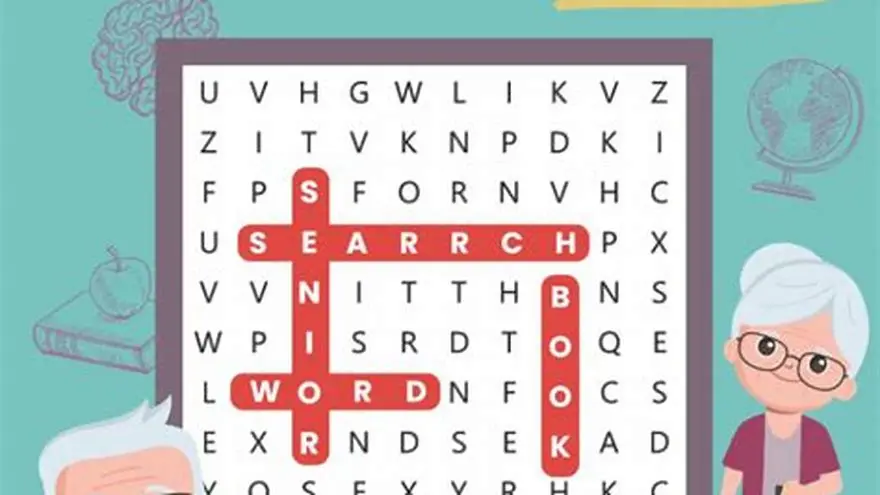
Word Search Relay divides the group into teams who race to find words in large-print puzzles. This is especially good for engaging participants with varying skill levels, as each team member contributes by spotting some words. Puzzles with around 15-20 words work well for a 20-30 minute session.
Games that include answer keys or solutions
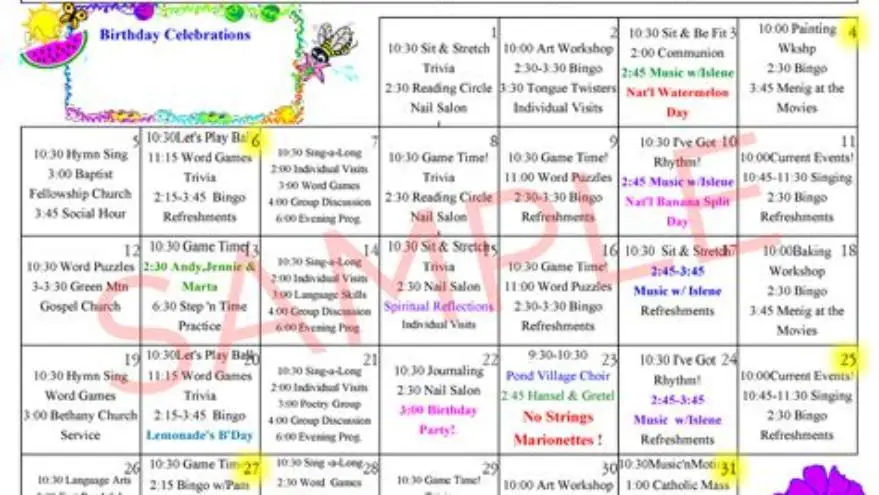
Providing answer keys with word games prevents frustration and helps maintain the flow of the group activity. For example, printed large-print word search puzzles come with a key highlighting all the words, so participants can self-check when needed. This is crucial for seniors with memory challenges or those who want independent confirmation of their findings. Before you commit to anything, it is worth looking at activity calendar for seniors.
Crosswords designed for seniors should have simple clues and a complete answer key. This allows facilitators to assist gently without stalling the game. Having keys on hand also helps when a game session is interrupted or paused, making it easy to resume without confusion.
In Word Association or Category Naming games, answers are open but suggested word lists or themes can guide players. For example, a category like 'Fruits' might include a printed list of 20 common fruits, which participants can consult if stuck.
Instructions tailored to senior players
Clear, concise instructions with familiar language make word games enjoyable for seniors. Start with a brief demonstration or example round to settle everyone. Avoid jargon or complex rules that require memory of multiple steps. There is more on printable and online word games in a separate guide.
Adapt instructions for cognitive levels by breaking tasks down: for example, in an anagram game, first show how to rearrange a word, then let players try on their own. Repeating instructions quietly as needed is important, especially for groups with memory loss.
Providing printed rule sheets in large print or displaying instructions on a board helps seniors follow along easily. Confirm understanding by asking a few players to explain the game back before starting. This reduces confusion and keeps participation high.
Variety to accommodate different group sizes and cognitive levels
No single word game fits all seniors or group sizes. Smaller groups of 3-4 may enjoy turn-based games like Word Association or Anagrams, where each player contributes actively. Larger groups benefit from team play, such as Word Search Relay or Category Naming with teams of 3-5. There is more on starting a puzzle group in a separate guide.
Cognitive abilities differ widely; choose simple games for mixed-ability groups to avoid excluding anyone. Games with flexible difficulty, like crosswords with optional hints or multi-level word searches, allow everyone to engage at their pace.
Rotating through different games prevents boredom and mental fatigue. For instance, follow a fast-paced Category Naming round with a calmer crossword solving session. This keeps seniors mentally alert and socially connected.
| Game | Best Group Size | Cognitive Demand | Adaptability |
|---|---|---|---|
| Word Association | 3-8 players | Low | High - can use simple or complex words |
| Anagrams | 3-6 players | Medium | Moderate - simpler words for lower levels |
| Word Search Relay | 6-10 players | Low | High - teams can share tasks |
| Category Naming | 4-10 players | Low to Medium | High - categories adjustable |
| Simple Crossword | 3-5 players | Medium | Moderate - clues can be simplified |
Group word games for groups of seniors with answer keys and clear rules
This section covers five word games, each with step-by-step rules and answer keys, suitable for groups of seniors. They cater to varying group sizes and cognitive levels, ensuring everyone can join in comfortably. If that sounds like your situation, read up on cards with pictures for low literacy next.
1. Word Association: Players say words linked to the previous one. No materials needed, but a moderator keeps turns. Example: dog - bone - chew. No fixed answers, but facilitator can prepare themed lists for guidance.
2. Large-Print Anagrams: Provide letters in large font; players rearrange to form words. Use simple words of 4-6 letters. Answers printed on a separate sheet help facilitators check solutions quickly.
3. Word Search Relay: Teams find words in large-print puzzles. Give 15-20 words per puzzle with answer keys. Teams alternate turns spotting words. Relay format motivates fast engagement. Before you commit to anything, it is worth looking at affordable assisted living ideas.
4. Category Naming: Name items in a category within a time limit. Prepare printable lists of category words for reference. Scores can be kept to encourage friendly competition.
5. Simple Crossword: Use large-print crosswords with straightforward clues. Provide full answer keys. Facilitator reads clues aloud to support players with vision or memory challenges.
- Prepare large-print materials (16-24 pt font) with clear answer keys.
- Explain rules simply and demonstrate one round.
- Divide group into appropriate sizes (individual, pairs, or teams).
- Play with a facilitator keeping time and encouraging all players.
- Use answer keys to assist and resolve disputes promptly.
How to create or find large-print puzzles and word games for seniors
Creating or sourcing large-print word games can be a challenge. Manual methods include enlarging printouts from free online word search or crossword generators, using 16-24 point font settings in word processors, and printing on high-contrast paper for clarity. For the detail, see our notes on create an activity calendar.
A practical tool is BigPrint Puzzle Studio, designed to build large-print puzzles quickly with included answer keys and themed word lists. It suits activity directors who want to create custom puzzles for their groups without complex software.
Alternatively, free printable websites offer basic puzzles but often lack large print and answer keys tailored for seniors. Combining free puzzles with manual enlargement and answer sheets is workable but time-consuming.
If you prefer no-cost, you can type simple word lists in large font and create your own anagrams or word searches on paper. This method requires more prep but customizes content for your group interests and abilities.
Questions people still ask
What print size is best for seniors with low vision?
Print size between 16 and 24 points is ideal for clear visibility. Choose bolder fonts and high-contrast backgrounds to ease reading.
How do I keep group word games fair for mixed cognitive abilities?
Select games with adjustable difficulty and provide reference lists or hints. Pair stronger players with those needing support to balance participation.
Can word games help with memory loss?
Word games stimulate mental activity and social interaction but are not medical treatments. They support engagement and cognitive exercise beneficial to well-being.
How long should a group word game session last?
Sessions of around 15 to 30 minutes prevent fatigue and keep focus. Adapt based on group energy and interest levels.
Are there digital tools to make large-print puzzles easily?
Yes, software like BigPrint Puzzle Studio allows quick creation of large-print puzzles with answer keys, tailored for seniors, saving prep time.