How to run a senior center puzzle club: setup, puzzles, and group tips
Step-by-step guide to starting and running a puzzle club seniors enjoy with accessible large-print puzzles and social engagement.
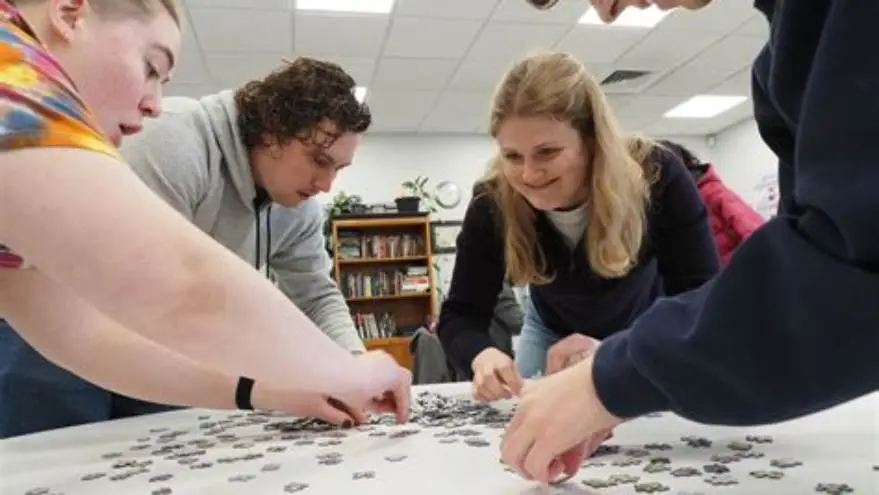
Running a puzzle club at a senior center requires choosing puzzles suited to seniors’ abilities, scheduling regular 60-90 minute sessions, fostering group interaction, and adapting puzzles for vision or cognitive challenges to keep everyone engaged.
On this page (8 sections)
- Key takeaways
- Choosing puzzles seniors can enjoy and handle
- Setting up meeting frequency and duration
- How to run a puzzle club at a senior center: facilitating group interaction and inclusion
- Adapting puzzles for vision or cognitive issues
- How to run a puzzle club at a senior center
- Tools to create and provide puzzles
- Questions people still ask
Part of our guide on creative ideas for nursing homes
| Meeting frequency | 1-2 times weekly |
|---|---|
| Session length | 60-90 minutes |
| Font size | 16-24 pt for large print |
| Puzzle types | word searches, sudoku, crosswords |
| Group size | 5-15 participants |
Key takeaways
- Pick puzzles with large print and manageable difficulty
- Hold meetings 1-2 times weekly, lasting around 60-90 minutes
- Encourage socializing through team puzzles and sharing solutions
- Adapt puzzles by increasing font size or simplifying instructions
- Balance challenge to avoid frustration but maintain interest
Choosing puzzles seniors can enjoy and handle
Select puzzles with large-print fonts between 16 and 24 points to accommodate seniors with low vision. Legibility directly affects participation. Word searches, sudoku, and simple crosswords are reliable types because they vary in difficulty and cognitive demands.
Avoid puzzles with tiny print or overly complex rules, which can discourage participation and cause fatigue. Instead, choose puzzles with clear, straightforward instructions and themes relevant or nostalgic to seniors, such as holidays, nature, or popular culture from their era.
Mix puzzle difficulty levels within a session to cater to a range of abilities, from beginners to experienced solvers. This balance prevents boredom or frustration, encouraging continued attendance. Use familiar formats and consider offering answer keys discreetly for those who need encouragement.
- Large print: 16-24 pt font size improves readability
- Puzzle types: word searches, sudoku, crosswords suit most seniors
- Difficulty: mix easy and moderate puzzles to engage wider abilities
- Themes: choose familiar or nostalgic topics
Setting up meeting frequency and duration
Most puzzle clubs succeed running 1-2 sessions per week, each lasting about 60 to 90 minutes. This schedule respects seniors’ energy levels and attention spans without overwhelming them. Meeting too often or too long risks drop-off due to fatigue or scheduling conflicts. For the detail, see our notes on low cost assisted living activities.
Plan a consistent day and time to help participants form a habit and look forward to the club. Morning or early afternoon slots often work best, avoiding times after meals or when fatigue typically sets in.
Include a 10-15 minute socializing period at the start or end of each meeting. This encourages relationship-building, which greatly boosts attendance and participant satisfaction. Keeping sessions lively but not rushed helps maintain engagement.
- Frequency: 1-2 times per week balances engagement and energy
- Duration: 60-90 minutes prevents fatigue and loss of focus
- Timing: mornings or early afternoons preferred
- Consistency: same day/time builds routine
- Socializing: 10-15 minutes to encourage connections
How to run a puzzle club at a senior center: facilitating group interaction and inclusion
Encourage inclusivity by organizing puzzles that foster teamwork, such as group word searches or collaborative sudoku solving. Breaking into pairs or small teams of 3-4 people allows participants to help each other, reducing frustration and boosting social bonds. People in this spot often ask about word games for senior groups as well.
Briefly explain puzzle rules and offer examples before starting each activity, ensuring no one feels left behind. Invite volunteers to share their problem-solving strategies or solutions to build confidence and participation.
Rotate leadership roles within the group to empower members and keep the dynamic fresh. Always watch for quiet participants and gently involve them by asking for input or pairing them with more confident solvers. This keeps the group cohesive and welcoming.
- Use team puzzles to build cooperation
- Explain instructions clearly with examples
- Invite sharing of solutions to boost confidence
- Rotate roles to involve everyone
- Watch for quieter members and engage them gently
Adapting puzzles for vision or cognitive issues
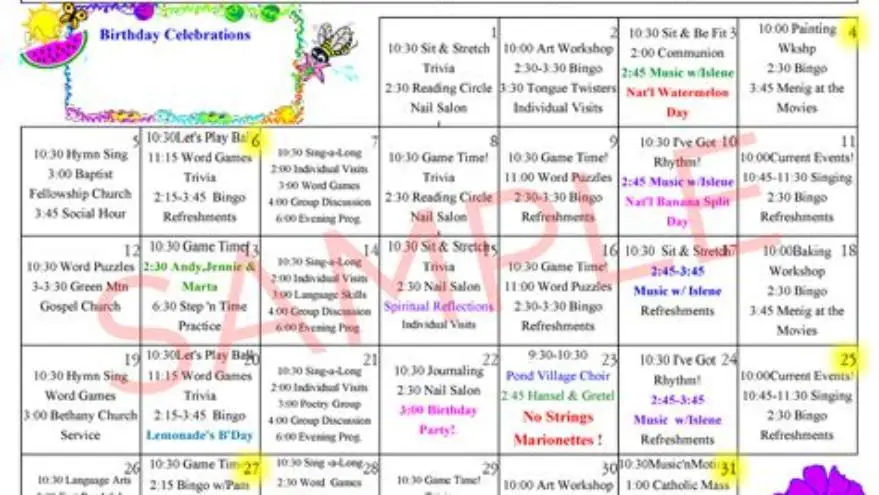
Use puzzles printed in 16 to 24 pt fonts with high-contrast colors like black on white or white on dark blue. Avoid patterned backgrounds or faint colors that obscure text. Large, clear print is essential for those with low vision, a common issue among seniors. There is more on how to create an activity calendar in a separate guide.
Simplify puzzle instructions and reduce puzzle size or complexity for participants with mild cognitive impairment or memory loss. Offering puzzles with fewer elements or shorter word lists lessens overwhelm and sustains interest.
Provide optional aids like magnifying glasses, colored overlays, or audio instructions if feasible. Some seniors benefit from solving puzzles aloud or with a helper reading the clues. Customizing the puzzle experience increases accessibility and inclusion.
- Print puzzles in 16-24 pt large fonts for readability
- Use high contrast text and backgrounds
- Simplify instructions for cognitive challenges
- Offer aids: magnifiers, overlays, or audio help
- Consider shorter or fewer puzzle elements
How to run a puzzle club at a senior center
Running a puzzle club involves a clear sequence: choose accessible puzzles, schedule manageable sessions, facilitate friendly group interactions, and adapt materials for vision or cognitive limitations. Start by selecting puzzles with large, legible print and varied difficulty. We go through monthly activity calendar ideas for seniors step by step elsewhere on the site.
Set a consistent meeting time, usually once or twice a week for about an hour to an hour and a half, balancing challenge with enjoyment. Begin sessions with a social warm-up and end with shared problem-solving or discussion to foster community.
Encourage cooperation rather than competition by organizing team puzzles and rotating roles. Always tailor puzzles and instruction clarity to your group’s abilities and preferences. This structure helps residents look forward to meetings, enhancing social and cognitive benefits.
- Choose puzzles with large print and suitable difficulty
- Schedule regular 1-2 times weekly meetings of 60-90 minutes
- Facilitate group introductions and clear instructions
- Use team activities and rotate leadership
- Adapt materials and provide aids for impairments
- Include social time before or after puzzle solving
Tools to create and provide puzzles
Creating large-print, tailored puzzles manually can be time-consuming. BigPrint Puzzle Studio helps activity directors and family caregivers quickly produce custom large-print puzzles with various themes and difficulty levels. It automates formatting in 16, 20, or 24 point font sizes and generates answer keys. For the detail, see our notes on designing cards to support memory.
This software suits those needing puzzles for seniors with memory loss or low vision but does not offer medical solutions or diagnosis. It requires some basic computer skills but is designed to be user-friendly. Alternative free options include manually adjusting font sizes in word processors or using printable puzzles from websites.
While free printable puzzles exist, they often lack appropriate large-print formats or customization. Investing in a tool like BigPrint Puzzle Studio saves preparation time and lets you tailor puzzles specifically to your group’s interests and abilities.
- BigPrint Puzzle Studio: fast, custom large-print puzzles
- Print size options: 16, 20, 24 pt fonts
- Includes answer keys and themed word lists
- Alternative: manual formatting or free printables online
Questions people still ask
What is the ideal group size for a senior puzzle club?
Groups of about 5 to 15 participants balance social interaction and manageability. Too large a group can feel chaotic, while too small may reduce socializing opportunities.
Can puzzles help with memory loss in seniors?
Puzzles stimulate cognitive activity and can help maintain mental function but are not a treatment or cure for memory loss. Choose puzzles suitable for the individual's abilities.
How do I keep seniors motivated to attend puzzle club regularly?
Consistency in scheduling, mixing puzzles with social time, and ensuring puzzles are neither too hard nor too easy encourages ongoing attendance and enthusiasm.
What if some seniors have difficulty seeing the puzzles?
Use large-print puzzles with fonts 16 pt or larger, good lighting, and aids such as magnifiers or overlays to improve accessibility.
Are competitive puzzles a good idea for seniors?
Competitive puzzles can discourage slower participants; cooperative or team puzzles foster inclusion and positive social interaction better.
Ready to try it? It helps you quickly create large-print puzzles tailored to seniors’ needs, saving prep time and enabling inclusion.
Create large-print puzzles