Senior Center Activities Ideas for Every Kind of Member
Senior center activities ideas cover movement, learning, creative work, games, shared meals and outings. Drop in, try one session that matches an interest you already have, and build from there.
On this page (8 sections)
Part of our guide on creative nursing home activities
Key figures
- Cost
- Often free or low cost
- Drop in
- Most sessions, no booking
- Best first step
- One session, one interest
- First visit
- Call ahead, then turn up
- Lunch
- Served most weekdays
Quick recap
- Try one session that matches an interest you already have, then build from there.
- A good week mixes movement, learning, making and social time.
- Drop-in sessions and quiet corners matter as much as classes.
- Ask members what they enjoy and let the calendar follow their answers.
Senior center activities ideas: what centers actually offer
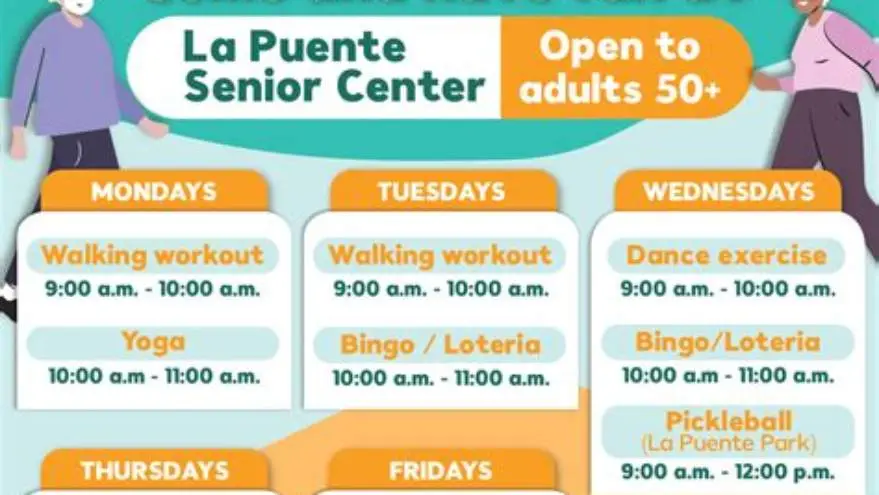
What does a senior center actually offer? A center runs a mix of fitness classes, art and craft sessions, card and board games, talks, shared lunches and day trips. Most run during the day, often free or for a small fee. Many let you turn up without signing up ahead of time. Most centers run sessions on weekday mornings and afternoons, and print a new calendar each month, so check the current one before you go. What is on offer changes from center to center. Call your nearest one, or look at its printed calendar, to find out fast.
Think of them as clubhouses, not waiting rooms. They are places where members meet the same faces week after week, learn something new, or sit with a coffee and a newspaper. Many centers have a full kitchen and serve lunch most weekdays. Others run a woodshop, a garden, or a computer room. Good centers mix busy sessions with quiet corners. A member who wants company and a member who wants a puzzle both find their place.
Most sessions are open to anyone in the age group the center serves, and you do not need to be a member to join them. Many centers keep fees low or ask only for a donation; ask at the desk when you call. Call ahead, ask what is on, and turn up for one session. That first visit tells you more than any brochure.
Movement ideas that fit most bodies
Movement classes are the backbone of most centers. Chair yoga, tai chi, gentle strength work with bands, and line dancing all suit members with stiff joints or weak balance. Walking clubs need nothing but safe paths and a regular time. Water aerobics suits members whose knees dislike dry land. Cover sitting, standing and moving, so members can join at the level their body allows. We go through practical gifts for activity directors step by step elsewhere on the site.
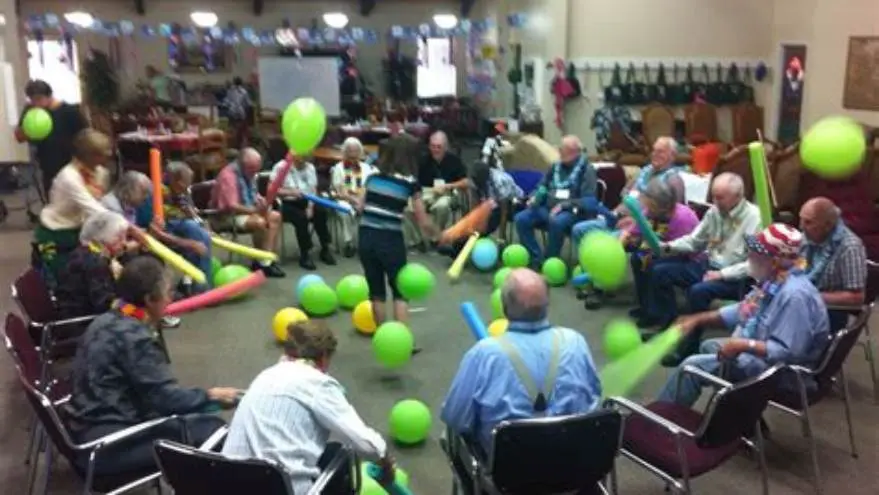
Games that move the body without tiring it out fill the gap between classes. Balloon volleyball works seated or standing, since a balloon moves slowly enough to track. Indoor putting, beanbag toss and gentle bowling all give a score to chase without strain. Pickleball has become a fixture at many centers, with short rallies and a small court. Light rules and mixed teams keep new players from watching from the side.
Safety comes before sport. Check with their doctor before starting a new exercise class, and keep a chair within reach in every session. Instructors who know older bodies will show a seated version of every move. Classes that end with stretching and a glass of water send members home feeling good. That feeling is what brings them back next week. Good centers think about hearing and sight too. A hearing loop in the main room, large-print signs, and a shuttle bus help members who struggle to hear, see or get there.
| Activity | Best for | What it needs |
|---|---|---|
| Walking club | Most members | Safe paths, a regular time |
| Chair yoga | Stiff joints | Chairs, a teacher |
| Tai chi | Balance | Open floor |
| Pickleball | Active members | Court, paddles |
| Balloon volleyball | Seated players | Balloon, net |
Learning and creative ideas for curious members
Learning classes treat older adults as what they are: curious people who still like to learn. History, literature, science, art, technology and current events all draw members who want a good discussion. Many centers partner with local colleges or libraries to bring in teachers. Weekly talks with time for questions cost little and fill a room. It helps to understand senior center group activities before going further.
Creative sessions give members something to take home. Painting, drawing, pottery, quilting, photography and woodwork all run well in a center with a dedicated room. Music groups suit members who sing or play, and a choir needs nothing but chairs and a song sheet. Creative writing and memoir classes let members set down stories from their own lives. Simple tools and an unhurried pace suit everyone.
Technology classes answer a real need. Smartphones, email, video calls, online banking and telehealth visits are now part of everyday life. Patient teachers and printed handouts help more than a fast talker with a screen. Run the same class twice, once for beginners and once for members who want to go further. Those who learn to video-call family often become the class's best advertisement. Local school students sometimes visit to help with phones and tablets, and both sides enjoy the visit.
- Painting and drawing: watercolours, pencils, a table by the window
- Music: singing groups, a choir, instruments members already play
- Writing: memoir classes, poetry, letters and life stories
- Photography: phone cameras, local walks, a display wall
- Crafts: quilting, knitting, woodwork, pottery
Games, puzzles and quiet time for solo members
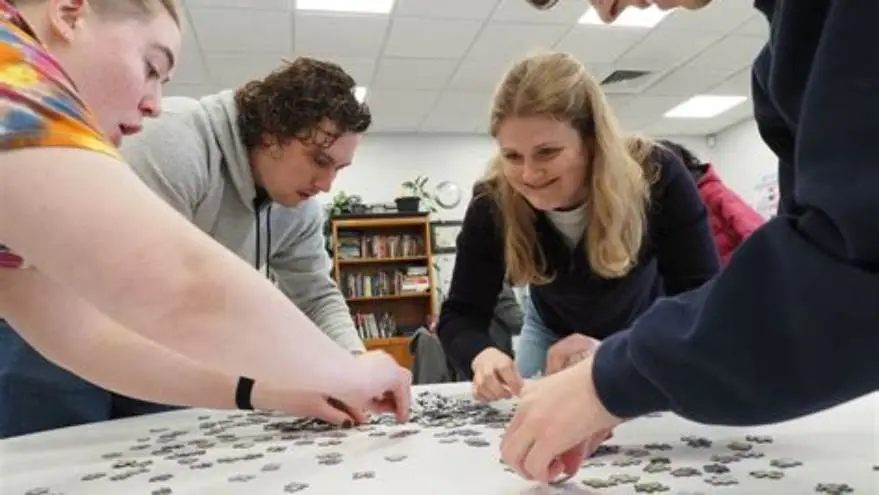
Not every member wants a class. Card groups, chess, mahjong, dominoes and board games run most afternoons in most centers, and they are social first and competitive second. Standing game groups meet at the same time each week, and members can turn up whenever they like. Quiet tables with a jigsaw or a crossword suit a member who wants company without conversation. There is more on run a senior center puzzle club in a separate guide.
Quiz afternoons need questions, and writing good ones takes time. Ready-made quiz books or a sheet of ten large-print questions both work. Either way, the person running the session can focus on the room instead of the questions. It fits a regular quiz afternoon, not a member who would rather play cards. Rounds on music, sport, films, food and local history let different members shine in different weeks.
Quiet corners matter as much as busy rooms. Reading corners give solo members a reason to come in. Large-print books, a shelf of puzzles, and a table for one or two players are enough. Word searches, crosswords and sudoku in large print suit members with poor sight. Put the quiet area away from the music room, and keep it open all day. Many come for the puzzle and stay for the lunch. Some centers also run sessions for members living with memory loss: familiar music, simple games and reminiscence groups at a regular time. Ask at the desk what your center offers.
Social time, volunteering and outings
Shared meals anchor the week at many centers. Lunch served most weekdays gives members a reason to come in, sit with friends, and stay for the afternoon session. Many centers serve lunch on weekdays for a suggested donation; the amount usually depends on funding, not on your income. Holiday parties, dances, talent shows and guest speakers break up the routine and give members something to look forward to. There is more on professionals week ideas in a separate guide.
Clubs give members a reason to return to the same faces. Book clubs, gardening clubs, travel groups and hobby circles meet weekly and build friendships that outlast any single session. Volunteering works the other way. Teaching a class, mentoring younger people, helping in the office, or serving on a committee makes members feel useful. The center gains from their skills. Both kinds of belonging keep members coming back.
Day trips take the center out into the world. Museums, gardens, theaters, restaurants and historic sites all make good outings, and a coach with a lift makes them possible for members who use wheelchairs. Short trips, a planned rest stop, and a plan printed in large type work best. Those who cannot manage a full day out may still enjoy a short trip to a nearby garden or a lunch out.
How to pick the right mix for your center
Start by asking the members. Short surveys, a suggestion box, or a chat at lunch tell you more than any list on the internet. Find out what members enjoy now, what they miss, and what time of day suits them. New members often want different things from long-standing ones. Listen to both, then pick the idea members ask for most. Before you commit to anything, it is worth looking at council meeting topics.
Balance the week across four kinds of activity: movement, learning, making, and social time. Run only fitness classes and you lose the readers. Run only talks and you lose the movers. Aim for a mix across the week rather than in a single day. A quiet morning and a busy afternoon suit different members, and both belong on the calendar.
Note what fills a room and what does not. Two members after a month has told you its answer, however good the idea looked on paper. Learn what the members who came liked, and change one thing at a time. Give a new idea a month before you judge it, then keep what works and drop what does not.
- Find out what members enjoy and what they miss.
- Sort the answers into movement, learning, making and social time.
- Fill the gaps, starting with the idea members ask for most.
- Give each new idea a month, then count who comes.
- Hold on to what fills a room and drop what does not.
Still wondering?
Do I need to be a member to join senior center activities?
You can usually join without being a member. Look around and join a session before deciding whether to sign up. Classes with limited places may ask you to book ahead. Front desk staff can tell you on your first visit.
How much do senior center activities cost?
Sessions usually cost nothing or ask for a small fee or a donation. Lunch is often subsidised, so members pay a small amount. Classes that need materials, like pottery or art, may charge for supplies. Ask before you join so cost never keeps you away.
What if I do not like group activities?
Plenty. A reading corner, a puzzle table, a walking club and a garden all suit members who prefer quiet company. You can do your own thing and stay for lunch without joining a class. Talk to staff about what suits you.
Can I bring a friend or family member?
Guests are usually welcome. Friends and family can join you for lunch, a talk, or a day trip. Classes with limited places give members first claim on seats. Check when you book.
What should I bring to my first visit?
Very little. Comfortable shoes for movement classes, a water bottle, and reading glasses if you use them. Art and craft sessions usually supply materials. Bring a notebook if you like to write things down.