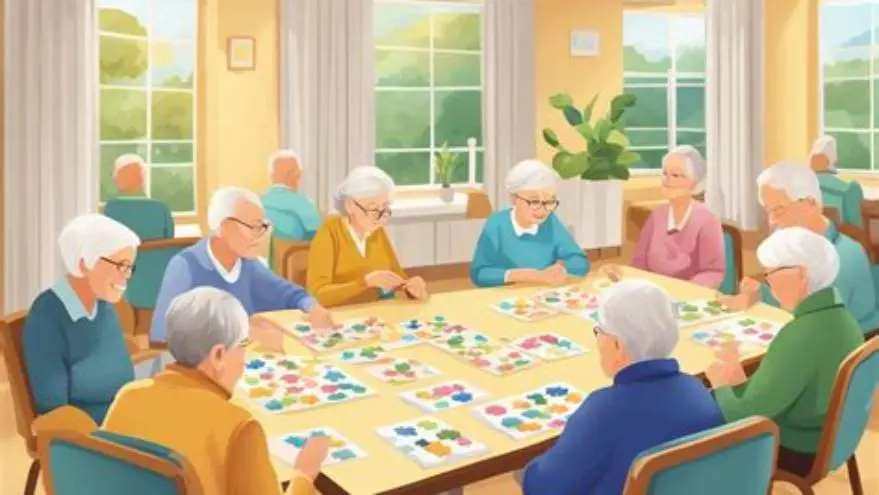
Table activities for nursing home residents that boost engagement
Find table activities tailored for nursing home residents, designed to promote social interaction and cognitive engagement with easy setup.
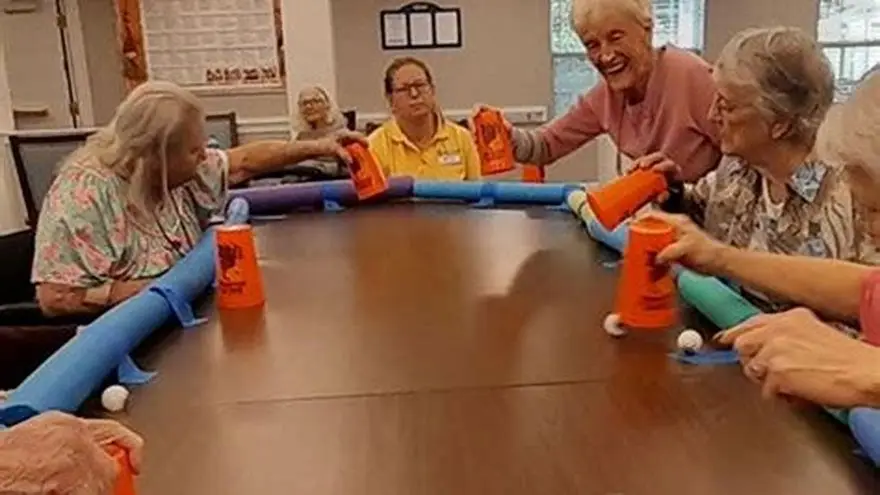
Table activities for nursing home residents should match cognitive and physical abilities, encourage social interaction, and be easy to prepare. Choose simple puzzles, word games, or themed kits like Gentle Minds that offer adaptable difficulty and promote connection.
On this page (8 sections)
- The short version
- What types of table activities suit different cognitive and physical abilities
- How to adapt table activities for group settings
- Examples of simple, low-prep table games and puzzles
- Table activities for nursing home residents
- How to set up and run table activities that residents look forward to
- Choosing the best printable activity kits versus making your own
- Questions people still ask
Part of our guide on creative ideas for nursing homes
Table activities designed for nursing home residents’ abilities boost engagement and make hosting simple and rewarding.
| Typical activity time | 15-30 minutes |
|---|---|
| Print size | Large print (18+ pt) |
| Group size | 3-8 participants |
| Difficulty levels | 3 levels |
| Prep time | Under 10 minutes |
The short version
- Match activities to residents’ cognitive and physical skills
- Adapt games for group dynamics to boost engagement
- Use low-prep, large-print puzzles and word games
- The Gentle Minds Activity Kit offers leveled, printable options
- Plan activities that invite interaction and conversation
What types of table activities suit different cognitive and physical abilities
Choose table activities aligned to your residents’ mental and physical capacities. For those with mild memory loss, puzzles like large-print crosswords or sudoku work well. They stimulate thinking without causing frustration.
Residents with moderate to severe cognitive decline benefit from simpler, repetitive activities such as matching games or themed sorting tasks. Large, clear print and tactile elements help those with low vision or limited dexterity.
Physical abilities also shape your choices. Fine motor impairments call for activities requiring minimal hand control, like tossing bean bags onto targets or using cards with bold images. Always allow seated or supported participation.
Matching the activity to ability prevents boredom or anxiety. It keeps residents calm and engaged, encouraging longer participation and social interaction. For the detail, see our notes on engaging residents on a budget.
- Encourages appropriate cognitive challenge
- Supports inclusion of all physical abilities
- Requires ability assessment
- May need multiple activity versions
How to adapt table activities for group settings
Group activities need adjustment to fit diverse abilities and encourage interaction. Use team-based or turn-taking games that build conversation and cooperation. Keep groups small so helpers can watch and help.
Modify rules to reduce competition stress. Let teams work together on one puzzle. Celebrate progress instead of times or points. This creates a supportive atmosphere and keeps pressure low.
Provide materials that match sight, touch and hand strength. Offer 18-point large-print cards, thicker pens, easy-grip dice and textured bingo markers. Use contrast colours on game boards so low vision residents see pieces clearly. Before you commit to anything, it is worth looking at large-print puzzles and cards.
Arrange seating so everyone can reach the table. Sit people with similar hearing levels where they can hear the leader. Place one helper per 3 to 4 residents if possible. That ratio keeps pace steady.
Use short prompts tied to the activity. Ask one-word memory cues, then follow with a simple question. Give one-step directions first. If the person follows, try two-step tasks. Increase complexity only after success.
Rotate simple roles each round. Names of roles work: card dealer, question reader, memory helper. Roles give purpose. They keep even quieter residents involved. There is more on monthly activity calendar ideas for seniors in a separate guide.
Check fatigue with a quick scale. Ask, "How tired are you on a 0 to 5 scale?" Stop if most score 3 or higher. Sessions that run too long reduce engagement and raise anxiety.
Record what works for each resident. Note preferred pace, prompts that help, and items they ignore. Use that note for the next session. Small changes add up fast.
- Use small groups of
3–6to keep everyone involved - Assign simple roles like card distributor or scorekeeper
- Encourage sharing memories connected to game themes
Examples of simple, low-prep table games and puzzles
Large-print word searches and sudoku puzzles require minimal setup. Print them on quality paper with at least 18-point font for clarity. For the detail, see our notes on downloadable forms for activity directors.
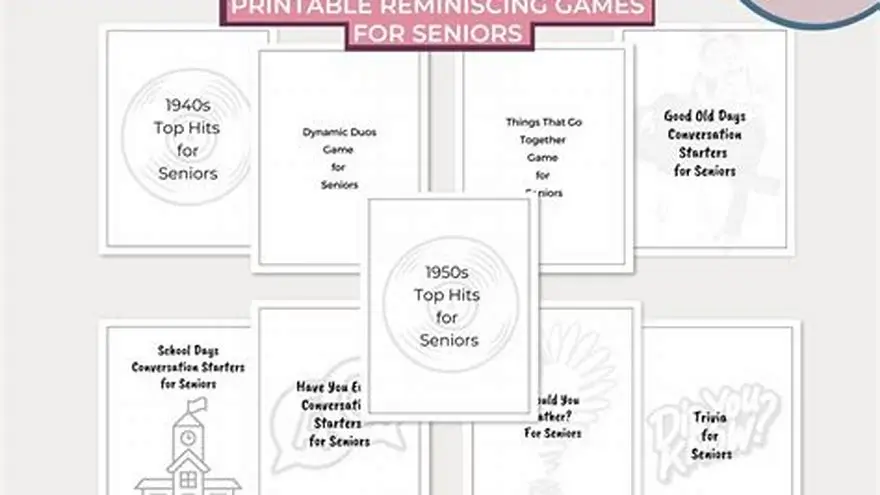
Conversation card games spark dialogue and memory sharing. They often come with question prompts tailored to different ability levels.
Matching picture cards or sorting colored shapes take little time to prepare and are good for tactile engagement.
Classic games like bingo adapted with large numbers and simple patterns are reliable crowd-pleasers. Before you commit to anything, it is worth looking at engaging dementia residents together.
- Printable large-print puzzles: word searches, crosswords, sudoku
- Memory card games: matching pairs with images
- Conversation card decks: themed questions to prompt sharing
- Sorting activities: group items by color, shape, or theme
- Bingo with large cards and markers
Table activities for nursing home residents
Table activities for nursing home residents should be easy to set up, adjustable for ability, and promote social connection. Choose large-print, tactile, or single-piece options to cut setup time and frustration. Offer a few activity types each week and swap them so residents see variety.
Use concrete activities with clear materials and short instructions. Example: Picture Bingo. Materials: large-print boards, high-contrast markers, caller cards. Instructions: call one image, pause 8 seconds, repeat if needed. Let residents mark their boards. Offer small, non-competitive rewards when a player finishes a row. Session length: 20 to 35 minutes for mixed-ability groups; shorter if many have advanced memory loss (see sources below).
Example: Reminiscence Box. Materials: 6 to 10 familiar items (old radio dial, postcard, fabric swatch), small tray, name tags. Instructions: place one item on the tray and ask one simple question about it. Give 30 to 60 seconds for response. Move to the next item. Use this for 15 to 25 minutes. Keep prompts factual: "What is this?" then "Did you ever use one like this?"
Example: Gentle Sorting. Materials: large buttons, knitting needles discarded for safety, shallow bowls, labelled cards with colours or numbers. Instructions: ask residents to sort by colour or size. Offer a matching card to copy. Increase challenge by timing 1 or 2 minutes. This supports fine motor skills and decision making.
Example: Story-building cards. Materials: 12 illustrated prompt cards, a timer, paper for helpers. Instructions: show a card and ask each person to add one sentence. Keep turns under 20 seconds. End after 6 cards. This boosts language and social flow.
Do not rely on one product. If you use a kit, test it first with 2 or 3 residents. Note which pages people ignore or like. Adapt pieces: laminate frequently used sheets and use Velcro to secure bits.
Assess each resident's abilities before group placement. Start with a quick functional check. Ask them to name three common objects. Ask them to follow a one-step instruction and a two-step instruction. Check grip by asking them to pick up a cup. Screen hearing and vision with simple checks: can they repeat a whispered phrase and read a large headline? Record results on a one-page sheet.
When staff need formal measures, use brief validated tools. The Mini-Cog gives a quick cognitive snapshot. Use the Katz Index to screen daily living ability. Have trained staff or clinicians perform formal tests. Informal checks and these tools together help you place residents where they thrive.
Session timing and benefits have evidence. Keep most activities short and frequent. The Alzheimer's Association recommends brief, regular activities for people living with dementia, often 15 to 30 minutes for moderate stages. Public health sources link social engagement to better mood and lower risk of loneliness-related harm (see references). Use this when planning the weekly calendar.
How to set up and run table activities that residents look forward to
Set realistic goals for each session: socializing, gentle mental stimulation, or enjoyment. Communicate these to helpers and residents.
Prepare materials before the activity. Use large print and tactile items. Organize seating to ensure clear sight lines and easy communication.
Start with simple warm-up tasks to build confidence, like naming familiar objects or easy matching games. Gradually increase difficulty if residents stay engaged.
Encourage positive feedback and conversation throughout. Celebrate small successes to keep motivation high.
Rotate activities to maintain interest and accommodate varying daily abilities.
- Assess residents’ abilities and preferences
- Print and organize activity materials by difficulty
- Set up an accessible, well-lit table
- Explain rules clearly and demonstrate
- Facilitate conversation and participation
- Adjust pacing and difficulty as needed
Choosing the best printable activity kits versus making your own
Creating your own large-print puzzles is possible but time-consuming. It requires software skills and attention to layout for readability.
Printable kits offer ready-to-use, professionally designed materials that fit a range of abilities and promote social interaction.
For caregivers pressed for time, kits like the Gentle Minds Activity Kit reduce prep work and provide structured conversation prompts.
Free tools like large print word search makers let you customize puzzles with familiar words but lack the depth and guided support of a full kit.
Consider your resources and time. Kits save setup effort but come at a cost; DIY is free but demands commitment.
| Aspect | Printable Kits | DIY Puzzles |
|---|---|---|
| Preparation time | Minutes to print | Hours to design |
| Difficulty levels | Multiple preset levels | Limited, self-made |
| Support materials | Conversation cards, guides | None unless created |
| Cost | One-time purchase | Free software, own time |
| Adaptability | Designed for seniors | Customizable but effortful |
Questions people still ask
Can table activities help with memory loss in nursing home residents?
Activities designed for memory loss stimulate cognition and socialization but do not treat the condition. They help maintain engagement and reduce isolation.
How often should table activities be scheduled?
Sessions of 15-30 minutes, two to three times per week, fit most residents’ endurance and attention spans.
What if some residents lose interest quickly?
Switch to simpler or more tactile activities. Shorter, multiple sessions with varied formats often keep engagement higher.
Are printable kits reusable?
Yes, printed sheets can be reused with laminated covers or replaced after use, depending on activity type.
How can I include residents with hearing or vision loss?
Use large-print materials, high-contrast colors, and tactile components. Speak clearly and face participants to aid lip reading.
Ready to try it? It supplies printable, large-print, leveled activities designed specifically for adults with memory loss, easing setup and boosting engagement.
Download Gentle Minds Kit