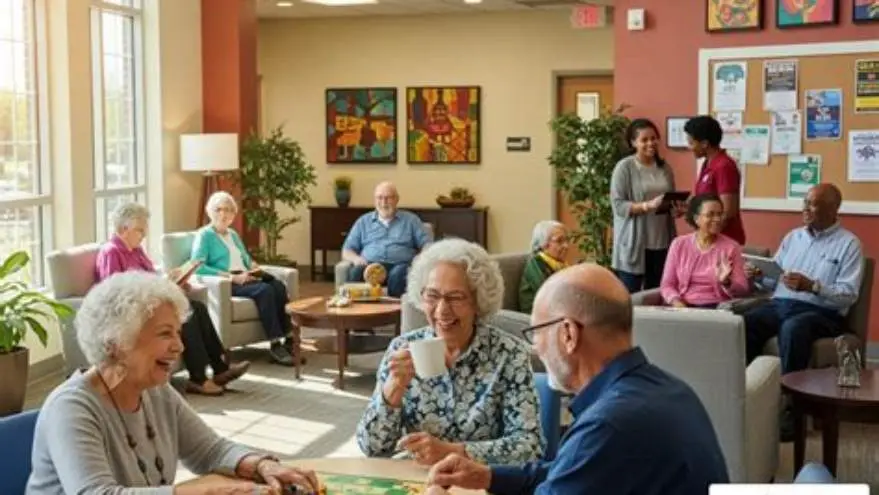
Group activities for dementia residents
Learn how to choose and adapt group activities for dementia residents at every stage to keep them engaged and comfortable in care settings.
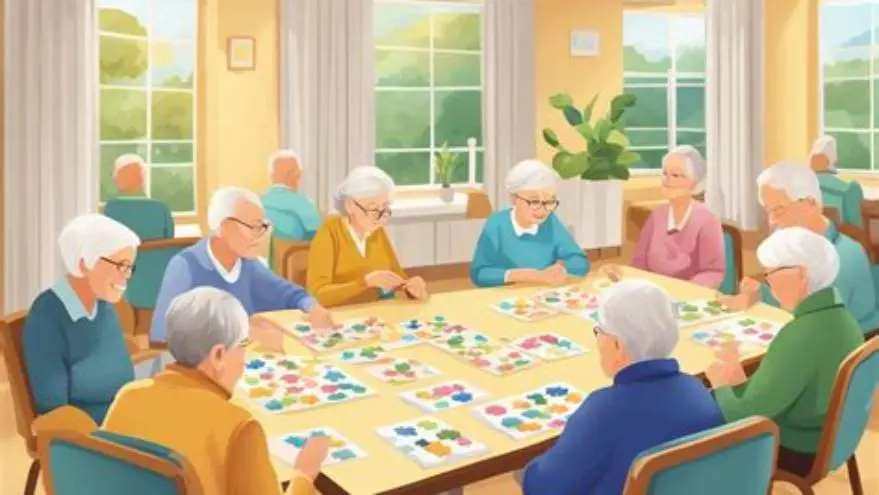
Group activities for dementia residents must match their stage: early-stage residents enjoy complex tasks, middle-stage need simpler, sensory-based activities, and late-stage benefit from social and comfort-focused interactions. Adapting activities preserves engagement and dignity.
On this page (8 sections)
- The short version
- Activities suited for early, middle, and late-stage dementia residents
- How to adapt activities for group settings with dementia residents
- Tips for keeping dementia groups engaged and comfortable
- Group activities for dementia residents using the Gentle Minds Activity Kit
- Alternative free methods and tools for group activities
- How to choose and adapt group activities for dementia residents
- Questions people still ask
Part of our guide on creative nursing home activities
Find group activities tailored to each dementia stage that keep residents engaged and comfortable, avoiding frustration and boredom.
| Activity levels | Three stages |
|---|---|
| Print size | Large-print preferred |
| Group size | 5-12 optimal |
| Activity duration | 15-30 minutes |
| Gentle Minds pages | 130+ printable |
The short version
- Match activities to dementia stages for best engagement
- Adapt group settings to residents’ abilities and comfort
- Use conversation and sensory activities to encourage connection
- Printable large-print resources aid visibility and participation
- Gentle Minds Activity Kit offers tailored, printable activities
Activities suited for early, middle, and late-stage dementia residents
Early-stage dementia residents usually handle tasks requiring recognition, problem-solving, and memory recall. Large-print puzzles like simple crosswords or word searches work well, engaging their cognition without overwhelming them.
Middle-stage dementia residents benefit from activities focusing on familiar themes and repetitive patterns. Sensory tasks such as sorting objects by color or texture help maintain involvement when memory declines.
Late-stage dementia residents respond best to activities emphasizing comfort, social connection, and sensory stimulation like music, hand massages, or looking at photo albums. Cognitive demands should be minimal to avoid frustration.
Early-stage residents often enjoy activities that also include a social element, such as group discussions about current events or shared hobbies. This encourages communication skills and helps maintain social bonds. A simple example is discussing a recent holiday or local news, which can stimulate memory and provide a sense of normalcy. People in this spot often ask about activities matched to cognitive stages as well.
Middle-stage dementia residents can benefit from activities that combine sensory stimulation with familiar tasks. For example, sorting items like fabric swatches by texture or color can engage touch and sight while providing a sense of accomplishment. An activity might involve grouping red, blue, and green pieces, which is simple yet rewarding.
Late-stage residents can respond positively to calm, sensory-rich environments. Playing soft, familiar music at around 50 decibels can ease agitation and evoke memories. A check that the volume is comfortable for each resident helps avoid overstimulation, which in turn keeps the group calm and engaged.
- Early stage: crosswords, word searches, theme-based discussions
- Middle stage: sorting tasks, simple matching games, music
- Late stage: sensory stimulation, social interaction, reminiscence
How to adapt activities for group settings with dementia residents
Group activity adaptation requires awareness of cognitive, sensory, and physical abilities. Simplify instructions and use clear, large-print materials to reduce confusion. Before you commit to anything, it is worth looking at age appropriate activities for adults with dementia.
Keep groups small, usually between 5-12 residents, to allow personalized attention and prevent overstimulation. Provide seating that accommodates mobility aids and allows easy eye contact.
Introduce activities with gentle cues and allow flexible pacing. Allow residents to participate at their own comfort level by offering optional roles or breaks when needed.
Adapting activities for groups means planning for varied abilities within the same session. Use multi-level tasks where some residents might do simple matching while others complete more complex puzzles. This keeps everyone involved without singling anyone out. If that sounds like your situation, read up on pdf resources free for activity directors next.
Visual aids help residents follow along. Show pictures or use color coding to guide tasks. For example, a sorting game might have colored baskets matching object colors to make the task easier to understand and do.
Timing also matters. Keep activities under 30 minutes when possible. You might start with a 15-minute puzzle, then switch to a sensory activity like hand massages. This pacing prevents fatigue and keeps residents attentive.
- Simplify instructions and use large-print materials
- Keep group size small, 5 to 12 participants
- Use physical layout for accessibility and interaction
- Offer flexible pacing and individual participation options
Tips for keeping dementia groups engaged and comfortable
Engagement rises when activities connect to residents’ life experiences and preferences. Use conversation cards or themed prompts to spark memories and dialogue. It helps to understand activity director printable resources before going further.
Comfort comes from managing noise, lighting, and temperature. Avoid harsh lighting and loud environments, which increase agitation.
Encourage smiles and laughter with light-hearted content and group participation. Adjust activities to avoid frustration by having no wrong answers and offering gentle encouragement.
Engagement increases when group leaders recognize non-verbal cues, like a resident smiling or leaning forward. These signs show interest and should guide activity choices. For instance, if a resident reaches for a photo album, expanding on that theme encourages participation. Before you commit to anything, it is worth looking at activities for assisted living low cost.
Comfort also means anticipating physical needs. Offer refreshments and bathroom breaks routinely. Planning these into the session fosters a relaxed atmosphere and prevents restlessness.
Groups can benefit from predictable routines. Holding activities at the same time each week supports memory and reduces anxiety. For example, starting every Tuesday with a music session followed by a craft creates a comforting rhythm.
- Choose familiar and meaningful themes
- Control environment for sensory comfort
- Encourage participation without pressure
- Use humor and positive reinforcement
Group activities for dementia residents using the Gentle Minds Activity Kit
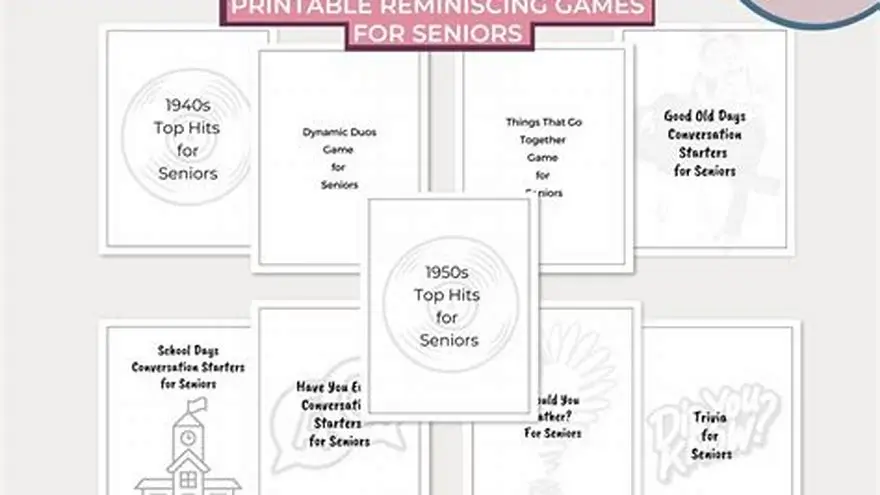
The Gentle Minds Activity Kit offers over 130 printable pages with activities classified into Gentle, Easy, and Steady levels matching dementia stages. It includes crosswords, word searches, conversation cards, and reminiscence prompts in large print.
Its design respects adults living with memory loss by avoiding childish content and allowing multiple prints for group use. The caregiver guide explains how to facilitate sessions and keep residents comfortable.
The kit supports group leaders who run weekly activities and seek variety without exhausting preparation time. It does not replace therapy but provides enjoyable, no-pressure engagement that encourages social connection.
- Three difficulty levels tailored to dementia stages
- Large-print puzzles and conversation cards included
- Caregiver guide with facilitation tips
- Printable for multiple participants
Alternative free methods and tools for group activities
Creating your own large-print puzzles with free tools can be cost-effective but time-consuming. The Large Print Word Search Maker lets you generate word searches from your choice of words with large letters and answers included.
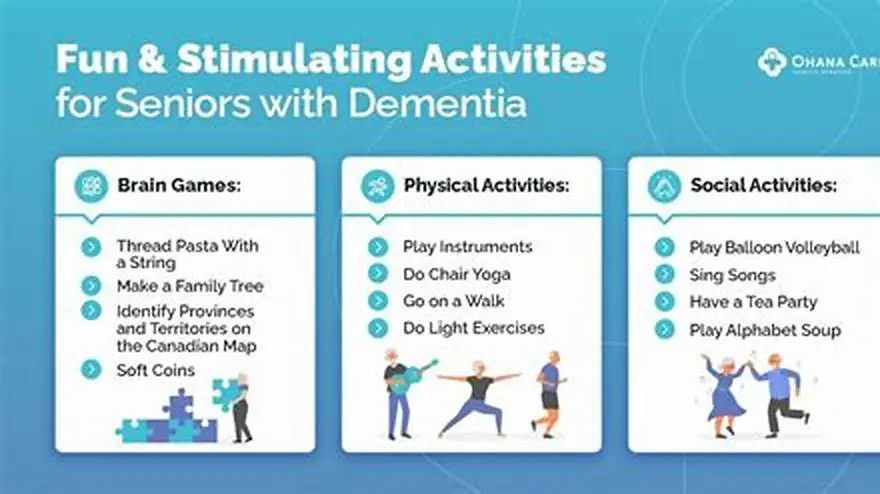
Manual activities such as simple crafts, singing familiar songs, and sharing stories also work well without needing printed materials. Adjust these to group size and dementia stage by simplifying steps and offering support.
While free options save money, they require more planning and adaptation knowledge. You might spend several hours weekly creating or gathering suitable materials.
- Large Print Word Search Maker - free printable word searches
- Simple crafts and music sessions without printables
- Storytelling and reminiscence with family photos
- Requires more time and tailoring
How to choose and adapt group activities for dementia residents
Start by assessing your group’s cognitive and physical abilities. Note who is in early, middle, or late-stage dementia to select appropriate activities.
Choose activities that encourage interaction without overstressing any individual. Adapt puzzles by reducing complexity or using visual aids for those with memory decline.
Prepare your space for accessibility and comfort. Have backup activities ready for unexpected energy or focus changes during sessions.
Monitor group mood and participation. Adjust pacing and activity type to maintain engagement without fatigue.
- Assess group dementia stages and abilities
- Select activities matching residents’ strengths
- Prepare large-print materials and accessible layout
- Offer flexible pacing and multiple participation options
- Observe and adapt in real time
Questions people still ask
What kinds of group activities work best for early-stage dementia residents?
Early-stage residents enjoy activities that challenge memory and reasoning, such as large-print crosswords, word searches, and themed discussions that promote cognitive engagement.
How can I adapt a group activity for residents with different dementia stages?
Offer layered activities with varying difficulty, use large-print materials, allow flexible participation, and provide sensory options to engage all residents comfortably.
What should I do if a resident becomes frustrated during a group activity?
Pause the activity and offer reassurance. Switch to simpler tasks or sensory activities to reduce stress and maintain comfort.
Are printable activity kits better than traditional puzzle books for dementia groups?
Printable kits like the Gentle Minds Activity Kit provide stage-appropriate, large-print, and varied activities tailored for dementia, unlike standard puzzle books that may be too hard or too simple.
How long should a group activity last for dementia residents?
Aim for 15-30 minutes depending on residents’ stamina and attention spans, with breaks to prevent fatigue or agitation.
Ready to try it? It provides printable, stage-appropriate activities with conversation cards and a caregiver guide to ease group facilitation for dementia residents.
Try Gentle Minds kit