Low-cost activities for assisted living
Explore six low-cost activities designed to engage assisted living residents with varied abilities and budgets.
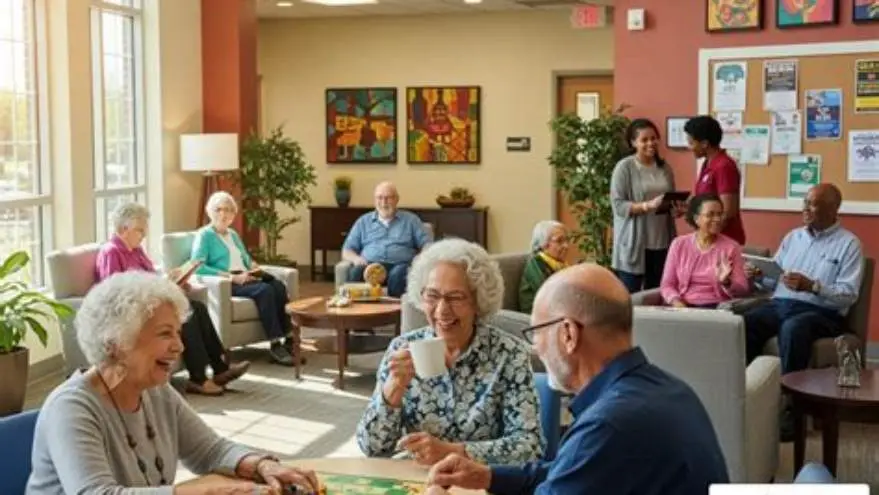
Effective low-cost activities for assisted living include large-print puzzles, simple crafts, music sessions, sensory games, storytelling groups, and gentle chair exercises, all adaptable to residents’ varying abilities and minimal resource needs.
On this page (8 sections)
- Key takeaways
- Examples of low-cost activities for assisted living
- How to adapt activities for different ability levels
- Ways to implement activities with minimal resources
- Low-cost activities for assisted living: specific ideas that work
- Using digital tools to create large-print puzzles efficiently
- How to run group activities residents look forward to
- Questions people still ask
Part of our guide on creative nursing home activities
| Puzzle font size | 16-24 pt |
|---|---|
| Group size | 5-12 participants |
| Craft cost | Under per session |
| Session length | 20-45 minutes |
| Activity frequency | 2-5 times weekly |
Key takeaways
- Use large-print puzzles to accommodate low vision and cognitive differences.
- Adapt activities by adjusting complexity and physical demands per resident's ability.
- Implement group activities that require few materials but offer social benefits.
- Choose versatile activities that can be scaled up or down easily.
- Digital tools can speed up activity creation but are optional.
Examples of low-cost activities for assisted living
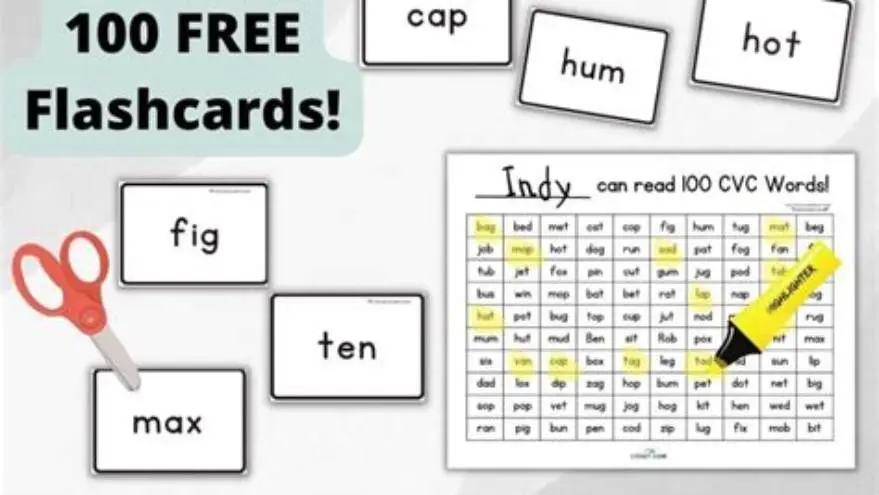
Start with activities that require very little to no special equipment, such as large-print word searches or sudoku puzzles, which cost only the price of printing or photocopying. These puzzles can stimulate memory and cognitive functions while being accessible to those with impaired vision if printed in 16-24 point font.
Craft projects like making simple greeting cards or decorating picture frames use inexpensive materials like paper, markers, and glue sticks, typically under $5 per session. These projects foster creativity and fine motor skills without demanding costly supplies.
Music sessions using a free playlist or residents’ favorite old songs can encourage group singing or light movement. No special instruments are necessary, and the social interaction supports emotional well-being.
Sensory games involving textured objects or scented items can engage touch and smell, requiring minimal investment in diverse materials but offering meaningful engagement, especially for those with memory loss. The other half of this decision is cards with pictures for low literacy.
- Large-print puzzles: word searches, sudoku in 16-24 pt font
- Simple crafts: cards, frame decorating under $5 material cost
- Music sessions: sing-alongs with free playlists
- Sensory games: textured and scented objects
How to adapt activities for different ability levels
Tailoring activities to varying cognitive and physical abilities is essential. For example, in puzzle games, you may offer simpler versions with fewer clues for residents with memory loss, while providing more complex puzzles for those with sharper cognitive skills.
Physical activities can be adapted by offering chair-based options or seated stretching for residents with limited mobility, ensuring participation without risking injury. Even seated games can include passing items or light hand movements to engage motor skills.
When conducting group storytelling or reminiscence sessions, use prompts or photos to aid recall for those with memory difficulties, while allowing others to contribute more elaborate stories. This keeps all participants engaged without pressure. The other half of this decision is monthly senior activity ideas.
Materials should be easy to handle—avoid small pieces for residents with dexterity issues and use non-toxic, washable supplies. Adjust the pace to allow more time for those who need it.
- Puzzles: simpler versions for memory loss, harder for others
- Physical activity: chair-based or seated options
- Storytelling: use prompts/photos for memory support
- Materials: avoid small parts, use safe supplies
Ways to implement activities with minimal resources
Utilize common, low-cost materials such as newspapers, old magazines, colored pencils, and glue to create diverse activities without extra budget strain. Repurposing household items for crafts and games reduces spending further.
Leverage free or low-cost printable resources available online, including large-print puzzle templates and word games. Printing in-house or at local libraries limits costs to paper and ink. Before you commit to anything, it is worth looking at word games for groups of seniors.
Organize group activities where materials can be shared, cutting down per-person expenses. For example, a single set of textured objects or a communal music player suffices for many participants.
Recruit volunteers or family members to help prepare materials or lead sessions, which reduces staffing costs and adds social connection.
- Use everyday items for crafts and games
- Print free puzzles and word games online
- Share materials during group sessions
- Engage volunteers for preparation and facilitation
Low-cost activities for assisted living: specific ideas that work
Word searches printed in large fonts (16-24 pt) allow residents to participate without strain. Use themed word lists from activities or holidays to keep interest high. These can be done individually or in small groups to encourage conversation. We go through puzzle club at senior center step by step elsewhere on the site.
Sudoku puzzles with fewer digits or smaller grids (4x4 instead of 9x9) reduce difficulty but maintain mental challenge. Printing these puzzles large helps those with low vision.
Simple crafts like decorating plant pots or assembling bead bracelets require minimal materials but yield a sense of accomplishment, boosting self-esteem.
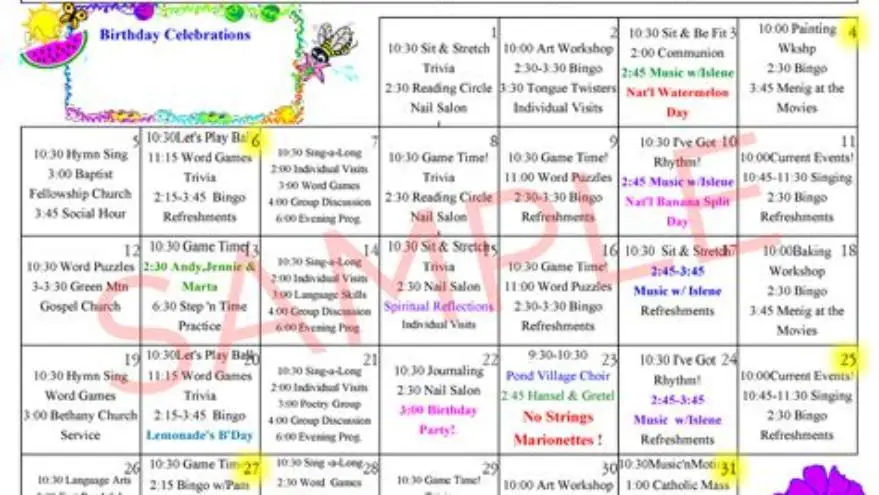
Gentle chair exercises focusing on stretching arms and legs improve circulation without requiring special equipment. Lead sessions with calm music to enhance relaxation. If that sounds like your situation, read up on activity calendar for seniors next.
Storytelling circles prompted by photos or familiar objects help stimulate memory and conversation in a warm, social setting.
Sensory boxes containing safe-to-handle objects with different textures and smells engage senses and can calm agitation in residents with memory issues.
| Activity | Approx. Cost per Session | Physical Demand | Adaptability for Abilities |
|---|---|---|---|
| Large-print puzzles | Under $2 | Low | High |
| Simple crafts | Up to $5 | Low to medium | Moderate |
| Music sessions | Free | Low | High |
| Sensory games | Under $3 | Low | High |
| Storytelling groups | Free | Low | High |
| Chair exercises | Free | Low to medium | Moderate |
Using digital tools to create large-print puzzles efficiently
Creating large-print puzzles manually can be time-consuming. Digital tools like BigPrint Puzzle Studio streamline production by generating puzzles in 16, 20, or 24-point fonts quickly. This is especially useful for activity directors needing themed, ready-to-print puzzles in bulk.
This tool offers a one-time purchase option and includes ready-made themes and answer keys, eliminating the need to design puzzles from scratch or search online endlessly. It supports moods and memory loss-friendly formats, making it well-suited for assisted living.
However, the software focuses solely on puzzle creation and doesn’t replace hands-on activities like crafts or physical sessions. Residents who prefer more tactile or interactive experiences may benefit less directly.
As an alternative, free printable puzzles available online can be enlarged with standard PDF viewer settings or photocopier enlargement, though this requires manual effort and may not provide the same thematic variety.
How to run group activities residents look forward to
Consistency encourages participation. Schedule activities regularly, ideally 2-5 times per week, keeping session lengths between 20 and 45 minutes to match residents’ attention capacities.
Begin with a brief warm-up or familiar song to help residents settle into the group. Clearly explain the activity’s steps, demonstrating as needed to reduce hesitation.
Encourage social interaction by pairing or grouping residents thoughtfully, mixing abilities so participants can help each other without frustration.
Solicit feedback regularly to learn which activities are most enjoyed and adjust plans accordingly. Notice signs of fatigue or boredom and be ready to switch gears smoothly.
Celebrate achievements, however small, to boost morale. Simple awards like stickers or verbal praise motivate continued engagement.
- Set a regular schedule with manageable session lengths
- Prepare materials and instructions in advance
- Demonstrate and explain clearly at session start
- Group residents by ability and encourage peer support
- Collect feedback and adapt future activities
- Recognize participant efforts to build confidence
Questions people still ask
What if residents have very different levels of ability?
Offer multiple versions of the same activity or adjust tasks within groups, such as simpler puzzles for some and more complex ones for others, and provide physical assistance or seated alternatives as needed.
Can these activities help residents with memory loss?
Yes, activities like sensory games, storytelling with prompts, and simple puzzles in large print are designed to stimulate memory gently and encourage social interaction.
How much time should I spend preparing low-cost activities?
Preparation can be minimal by using free printables or simple craft supplies. Digital tools can reduce prep time for puzzles, but basic activities like music or storytelling require little to no advance work.
Are there safety concerns with low-cost materials?
Materials should be non-toxic, easy to handle, and large enough to avoid choking hazards. Avoid small beads or sharp tools for residents with dexterity or cognitive issues.
Is technology necessary for effective activities?
Not at all. Many activities succeed with basic supplies and personal interaction. Technology can speed puzzle creation but is optional depending on your resources and skills.