Low-prep activities for assisted living: 5 easy games ready to start
Five low-prep activities designed for assisted living residents to start quickly and engage easily with minimal materials.
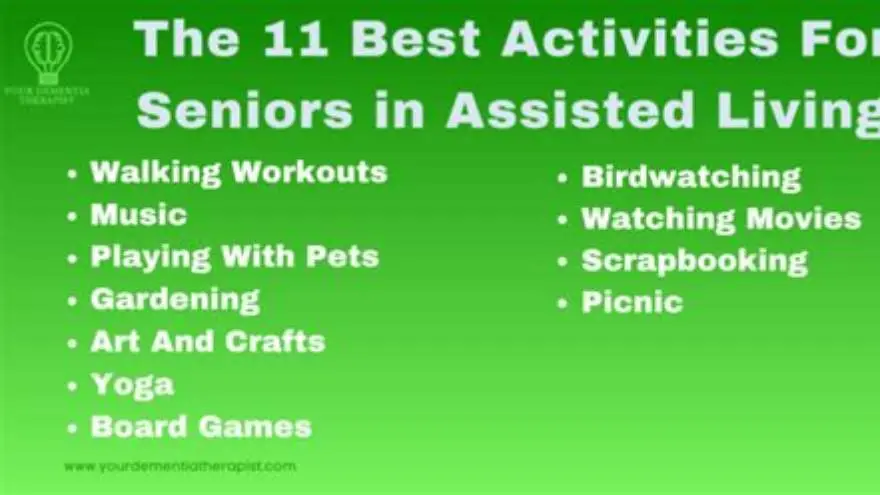
Low-prep activities for assisted living residents need minimal materials and setup, suited to varying abilities. Examples include large-print puzzles, word games, and guided conversation prompts that require little staff time but promote engagement.
On this page (8 sections)
- The short version
- Low prep activities for assisted living residents
- Examples of activities requiring minimal materials or setup
- How to adapt activities for different abilities
- Ways to keep residents engaged with minimal staff time
- Low prep activities for assisted living residents
- How to run group activities residents look forward to
- Questions people still ask
Part of our guide on creative ideas for nursing homes
| Setup time | Under 10 minutes |
|---|---|
| Printables | 130+ pages in kit |
| Activity levels | 3 difficulty levels |
| Typical group size | 5-10 residents |
| Materials required | Minimal, mostly paper |
The short version
- Choose activities needing under 10 minutes setup.
- Use large-print puzzles for easy readability.
- Include conversation prompts to encourage interaction.
- Adapt games by ability using levels or simplified rules.
- Use printable kits for quick, repeated use.
Low prep activities for assisted living residents
Activity kits for assisted living often include printable puzzles, picture-based conversation cards, and brief staff guides. The materials sit ready on a clipboard or tablet. Staff need only hand out pages and prompt discussion. That keeps setup under five minutes. Choose kits that offer multiple difficulty levels and large print to match residents' vision and cognition.
Research and expert guidance support short, structured activities for mood and engagement. The National Institute on Aging recommends regular social and cognitive activities for older adults. The Alzheimer's Association lists simple group games and conversation as helpful ways to reduce agitation and increase participation. Use those sources to justify routines to administrators or families.
Purchase options include memory-care suppliers, online retailers, and local adult-day program catalogs. Community volunteer groups and library outreach sometimes provide low-cost bundles. Free alternatives exist. Use online large-print generators, photo albums, and index cards to make your own sets. Compare time saved against cost when buying a kit to decide if paid materials fit your budget.
Staff instructions should stay short. Offer three activity lengths: five, fifteen, and thirty minutes. Prepare one bag per table with pens, spare copies, and a visual cue card. Track which activities residents prefer. Swap items that get little response. That keeps sessions respectful and dignity-preserving while saving staff time. For the detail, see our notes on low cost assisted living activities.
- Look for large-print pages and three difficulty levels.
- Choose kits with a one-page staff cue or script.
- Prefer items reusable by photocopy or laminated cards.
- Check local suppliers and library programs before buying.
- Select 2–3 activities for the week during a five-minute planning slot.
- Place materials in labeled folders by table or room.
- Brief staff or volunteers for two minutes before each session.
- Note resident response in a simple log after each activity.
Examples of activities requiring minimal materials or setup
Here are five proven low-prep activities that work well in assisted living settings:
1. Large-print word searches: Print and hand out sheets with clear, big letters; residents circle words with pencils.
2. Conversation card games: Use themed cards with questions or prompts to stimulate memory and sharing. The other half of this decision is activities at table for nursing home residents.
3. Bingo with large numbers: Pre-made cards and a caller calling numbers allow quick game starts.
4. Simple matching games: Use printed picture or word cards; residents match pairs or categories.
5. Easy sudoku or crossword puzzles: Printed large so residents can complete individually or in pairs. We go through activities for dementia residents step by step elsewhere on the site.
Each activity requires only paper, pencils, and sometimes a caller or facilitator. Setup mostly means printing and distributing sheets.
| Activity | Materials | Setup Time | Cognitive Level | Group Size |
|---|---|---|---|---|
| Word search | Paper, pencil | 5 min | Easy to moderate | 5-10 |
| Conversation cards | Cards | 2 min | Any | Small groups |
| Bingo | Cards, markers | 5 min | Easy | 5-20 |
| Matching game | Cards | 5 min | Easy to moderate | 4-6 |
| Sudoku/crossword | Paper, pencil | 5 min | Moderate | Individual or pairs |
How to adapt activities for different abilities
Adjusting activities for residents’ physical and cognitive skills increases participation. For lower cognitive levels, simplify instructions and use fewer options to avoid confusion.
For those with limited hand dexterity, provide larger pencils or finger pointers. Activities like conversation cards require no writing so they suit limited mobility.
You can tier the activity difficulty in printables. For example, use the Gentle Minds Activity Kit, which offers the same activity at three difficulty levels, from gentle to steady. This lets you match the task to the resident’s capability without needing multiple different games.
Visual aids and verbal prompts support engagement. Breaking activities into small steps and allowing breaks keeps residents comfortable and focused.
- Supports varied abilities
- Easy to modify printables
- No extra complex tools
- May need multiple versions
- Staff must assess abilities carefully
Ways to keep residents engaged with minimal staff time
Group activities must be easy to start and sustain with few staff. Use printed kits that come with clear instructions and answer keys to reduce preparation.
Set routines and predictable schedules help residents anticipate activities, boosting participation. Rotate simple games to keep variety without overwhelming setup demands.
Activities encouraging conversation and memory sharing, like those with conversation cards, need less constant supervision. Residents often help each other, easing staff workload.
Using kits like Gentle Minds Activity Kit provides daily planning pages and caregiver guides, streamlining activity delivery and saving time.
Minimal cleanup and reusable materials mean staff spend less time preparing for the next session.
Low prep activities for assisted living residents
The Gentle Minds Activity Kit fits perfectly for low-prep activities in assisted living. It includes over 130 printable pages with large-print puzzles and conversation cards at three difficulty levels. The kit requires only printing and minimal setup.
It suits residents with memory loss or varying cognitive abilities by letting you pick activities at gentle, easy, or steady levels. The caregiver guide explains how to use each part and promote engagement without stress.
Unlike generic puzzle books, this kit includes daily planning tools and conversation prompts to foster connection. It avoids childish or overly simple activities, respecting adult dignity.
While it’s a paid kit, it saves time over creating your own printables or searching for suitable materials. You can print repeatedly for groups or individuals. However, it is not therapy or medical treatment, just an enjoyable engagement tool.
An alternative is to use free printable word search makers or create your own large-print puzzles manually, but that requires more time and skill. The kit bundles variety and guidance for easy use.
How to run group activities residents look forward to
Plan sessions that match your group size and abilities. Start with simple warm-up games like word searches or conversation cards to build confidence.
Keep instructions brief and clear. Use visual aids or example answers to guide. Encourage residents to work together or share stories triggered by the games.
Mix activity types to include puzzles, social games, and physical movement if possible, but keep setup minimal. End sessions positively with praise or a group chat.
Regularly ask residents for feedback on what they enjoy. Adjust difficulty and themes accordingly. Consistency and variety help create anticipation and enjoyment.
Use tools like the Gentle Minds Activity Kit’s caregiver guide to structure sessions. It gives daily plans and tips on encouraging participation and conversation.
- Choose activity matching group skill level.
- Prepare materials in advance, 5-10 min.
- Explain rules briefly and demonstrate.
- Facilitate gently, offer help as needed.
- Encourage sharing and group interaction.
- End with positive feedback and next session preview.
Questions people still ask
Can low-prep activities help residents with dementia?
Yes, especially those designed with memory loss in mind. Activities like large-print puzzles and conversation cards promote engagement without overwhelming complexity.
What if residents have limited vision or mobility?
Use large-print materials and simple physical tasks. Adapt activities by offering tools like larger pencils or non-writing options such as group discussions.
How often should these activities be scheduled?
Daily or several times per week works well. Regular routine supports anticipation and participation.
Do I need special training to run these activities?
No special training is necessary. Clear instructions and guides within printable kits help even new activity coordinators.
Can family members use these activities at home?
Absolutely. Printable kits and simple games are great for family caregivers to engage their loved ones easily.
Ready to try it? The kit bundles large-print, difficulty-tiered activities that need minimal setup and match residents’ abilities.
Get print-ready puzzles