Monthly activity calendar for seniors with varied, practical daily ideas
A detailed monthly calendar offering practical, varied activity ideas for seniors of all abilities and interests, including printable options and adaptations.
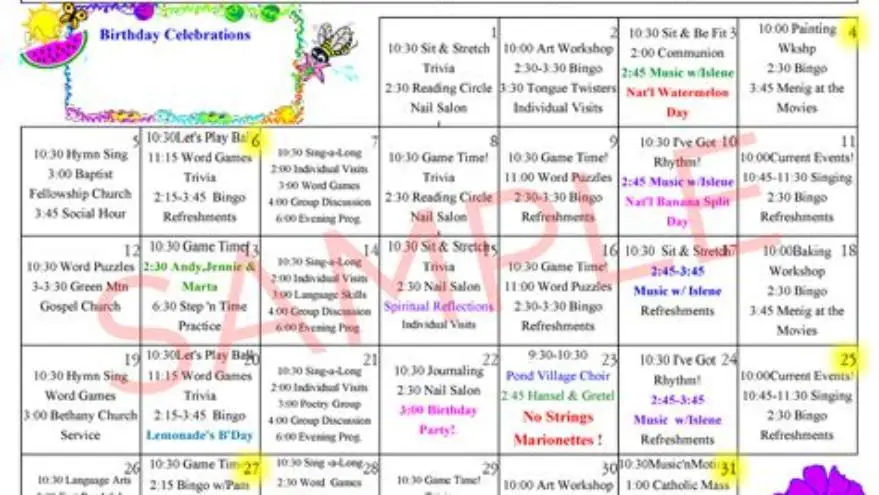
A monthly activity calendar for seniors should include at least one daily varied activity combining cognitive, social, physical, and creative tasks tailored to different abilities and interests, with printable puzzles and easy adaptations for memory loss or low vision.
On this page (8 sections)
- Key takeaways
- Daily varied activities for seniors that engage and motivate
- Monthly activity calendar ideas for seniors tailored by abilities and interests
- Examples of printable or easy-to-organize activities for seniors
- How to adapt activity ideas for seniors with memory loss or low vision
- How to create and use a monthly calendar of activities for seniors
- How BigPrint Puzzle Studio helps with monthly activity calendar planning
- Questions people still ask
Part of our guide on activity ideas for nursing homes
| Daily activity types | 4 main categories |
|---|---|
| Printable puzzle print size | 16-24 pt |
| Memory loss adaptation | Simplify instructions |
| Vision aid | High-contrast, large print |
| Recommended activity frequency | Daily varied tasks |
Key takeaways
- Daily activities benefit seniors' cognition and mood
- Include diverse activities: games, crafts, exercise, and social events
- Adapt activities for vision loss and memory challenges
- Printable puzzles are effective and easy to integrate
- Use a monthly calendar to plan varied, balanced activities
Daily varied activities for seniors that engage and motivate
Seniors benefit most when their daily activities vary in type and challenge. Aim for a mix of cognitive tasks like puzzles, physical exercises adjusted for mobility, social interactions such as group chats or games, and creative pursuits like art or music. This variety prevents boredom and supports multiple aspects of health.
A typical day might include a large-print word search in the morning, a gentle chair exercise session midday, a social card game in the afternoon, and a simple craft or reminiscence activity before evening. Balance is key: too much physical strain or cognitive load can discourage participation.
Adjust the intensity and complexity based on the group's abilities. For example, cognitive activities might shift from sudoku for those comfortable with numbers to simpler matching games or word finds with fewer clues for those with memory loss. Physical activities should respect mobility limits and may include seated stretching or light walking.
Monthly activity calendar ideas for seniors tailored by abilities and interests
Creating a monthly calendar that matches seniors’ abilities and interests requires grouping activities into categories: cognitive, physical, social, and creative. Each day should feature a main activity from one category, rotating through the others to maintain balance. Before you commit to anything, it is worth looking at making a printable activity calendar.
For example, a week could look like this: Monday - large-print crossword puzzles (cognitive), Tuesday - chair yoga (physical), Wednesday - storytelling or group singing (social), Thursday - watercolor painting (creative), Friday - word games with prizes (cognitive and social). This rotation works well for various abilities and keeps the schedule predictable yet varied.
Consider residents’ hobbies and backgrounds. Activities linked to past professions, cultures, or favorite eras increase engagement. Adapt complexity by using simpler puzzles or shorter sessions for those with cognitive decline or fatigue.
When tailoring monthly calendars, consider seasonal themes and holidays, which can enhance engagement by connecting activities to familiar events. For instance, during autumn, include leaf collage crafts or pumpkin-themed word searches. In December, plan holiday music sessions or card-making workshops. These timely themes can spark memories and conversations, especially beneficial for seniors with dementia. People in this spot often ask about word games for senior groups as well.
Another way to customize the calendar is by incorporating technology-based activities for those comfortable with devices. Simple tablet games that promote cognitive skills or virtual group chats with family members can be scheduled weekly. This caters to varied interests and supports social connection beyond the immediate community.
| Day | Category | Example Activity | Adaptation |
|---|---|---|---|
| Monday | Cognitive | Large-print crossword | Simplified clues for memory loss |
| Tuesday | Physical | Seated yoga | Use chair support, gentle stretches |
| Wednesday | Social | Group storytelling | Prompt cards for cues |
| Thursday | Creative | Watercolor painting | Pre-mixed colors, simple designs |
| Friday | Mixed | Word games with prizes | Short rounds, easy rules |
Examples of printable or easy-to-organize activities for seniors
Printable activities like word searches, sudoku, and crosswords in large print are practical options. These can be distributed daily or weekly, requiring minimal setup but offering strong cognitive benefits. Print sizes of 16 to 24 points make puzzles readable for those with low vision.
Other easy-to-organize activities include themed trivia quizzes, matching card games using large cards, simple crafts such as decorating photo frames, and music sing-alongs with printed lyrics. All can be tailored by difficulty and interest. We cover low cost activities for assisted living in its own article.
Physical activities need little equipment: chair yoga, balloon volleyball, or indoor walking challenges within the space work well. Social activities might include bingo with large-print cards or sharing personal stories prompted by photos or objects.
- Large-print puzzles: word searches, sudoku, crosswords
- Crafts: easy decorations, painting, collage with pre-cut shapes
- Physical: chair-based stretching, balloon volleyball, walking
- Social: bingo, trivia, storytelling circles, music sing-alongs
How to adapt activity ideas for seniors with memory loss or low vision
Adapting activities involves simplifying instructions and presentation. For memory loss, break tasks into smaller steps, offer frequent encouragement, and use visual or tactile cues. For example, use picture cards to guide a story-telling session or pre-filled puzzle templates with hints.
Low vision adaptations include enlarging print size to at least 16 points, increasing contrast (black on white or yellow backgrounds), using bold fonts, and ensuring good lighting. Physical activities benefit from clear space and stable furniture for support. We go through puzzle club at senior center step by step elsewhere on the site.
Avoid complex multitask games for those with cognitive impairment; instead, focus on repetitive, familiar activities. Using consistent routines within the monthly calendar also helps with orientation and reduces frustration.
A practical example of an adaptation for seniors with memory loss is using a daily activity board with photos or icons representing each scheduled activity. This visual aid serves as a reminder and orientation tool, reducing anxiety about what comes next. For low vision, consider magnetic boards with large tactile symbols that can be moved to indicate completed activities, providing a satisfying sense of progress.
When preparing puzzles for seniors with memory challenges, choose simpler formats like matching pairs or fill-in-the-blank exercises rather than complex crosswords. For example, a word search with 15 words instead of 30 and highlighted first letters can support success and confidence. Verifying understanding by encouraging participants to explain the instructions before starting helps avoid frustration. For the detail, see our notes on printable match cards with words and pictures for low literacy.
- Memory loss: simplify steps, use cues and repetition
- Low vision: increase print size, high contrast, bold fonts
- Physical safety: clear, stable environment, assistive devices
- Routine: consistent timing and format reduce confusion
How to create and use a monthly calendar of activities for seniors
Start by listing available activities sorted into cognitive, physical, social, and creative categories. Plan a balanced rotation so each type appears regularly, but avoid repeat intensity on consecutive days.
Use a calendar template or printable planner sheet with space for each day. Mark the activity, duration, and any special needs (e.g., short session, extra help). Color-coding by category helps quickly visualize variety.
Distribute printed copies to participants or post in common areas. Track attendance and feedback to adjust activities monthly. Involve seniors in choosing or suggesting activities to improve buy-in and enjoyment.
A useful check to ensure the calendar is effective is to review participation rates and observe which activities elicit the most enthusiasm. For example, if bingo sessions consistently have lower attendance, consider adjusting the format or trying alternative social games like trivia. Scheduling brief reflection meetings with participants can gather insightful feedback for continuous improvement.
When printing calendars, use fonts like Arial or Verdana for clarity, and maintain a clean layout with ample spacing to prevent confusion. Laminated calendars allow for reusable markings with dry-erase markers, offering flexibility to accommodate last-minute changes or preferences.
- List activities by category and difficulty
- Assign activities to calendar days with balanced rotation
- Use color codes for easy reference
- Print and post in visible areas
- Collect feedback and adjust monthly
How BigPrint Puzzle Studio helps with monthly activity calendar planning
BigPrint Puzzle Studio is an online tool that lets you create large-print puzzles for seniors quickly. This directly solves the challenge of sourcing or designing varied cognitive activities suitable for low vision and memory loss, saving significant preparation time.
You can generate word searches, sudoku, and crosswords sized 16 to 24 points, with ready themes and answer keys included. This allows easy printing and distribution as part of your calendar, ensuring puzzles are clear and accessible.
However, this tool focuses solely on puzzle creation and does not cover physical or social activities. It works best as part of a broader calendar incorporating diverse activity types. For those wanting a free alternative, manually selecting large-print puzzles from free online sources is possible but less efficient.
- Quick creation of large-print puzzles
- Multiple puzzle types and themes
- Includes answer keys and page numbers
- Limited to puzzle activities
- Not a full activity calendar planner
- Requires minimal tech comfort
Questions people still ask
How often should seniors do cognitive activities like puzzles?
Daily cognitive activities, even for 15-30 minutes, help maintain mental sharpness. Vary the type and challenge to keep engagement without frustration.
What are easy physical activities for seniors with limited mobility?
Chair yoga, seated stretching, balloon volleyball, and short indoor walks suit seniors with mobility issues, promoting circulation and flexibility safely.
Can large-print puzzles help seniors with memory loss?
Yes, large-print puzzles with simplified clues support cognition while accommodating vision issues and memory challenges, especially when combined with guidance.
How do I motivate seniors to join group activities regularly?
Include activities that match their interests, keep sessions short and varied, and foster social connections. Positive feedback and small rewards help sustain motivation.
Are printable puzzles better than digital games for seniors?
Printable puzzles are often preferred for seniors with low vision or limited tech skills. They offer tactile engagement and can be adapted with large print and bold fonts.
Ready to try it? It solves the key challenge of producing varied, large-print puzzles quickly for seniors with vision or memory difficulties.
Create large-print puzzles easily