Dry erase pockets for activities
Step-by-step guide to prepare and reuse dry erase pocket activities seniors look forward to, including cleaning tips and best markers.
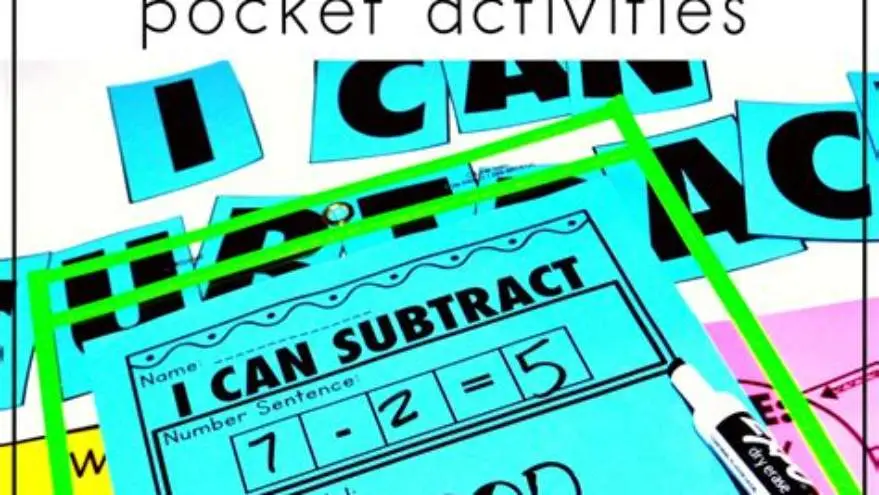
To use dry erase pockets for activities, prepare large-print sheets sized to the pockets, insert them, use suitable dry erase markers, and clean gently with recommended methods to allow reuse. This saves paper and supports engagement repeatedly.
On this page (8 sections)
- Key takeaways
- How to prepare activity sheets for dry erase pockets
- Best markers and cleaning methods for dry erase pockets
- Tips for reuse with seniors using dry erase pockets
- Examples of suitable activities for dry erase pockets
- Step-by-step sequence to prepare and maintain dry erase pocket activities
- How dry erase pockets improve activity engagement for seniors
- Questions people still ask
Part of our guide on activity ideas for nursing homes
| Sheet size | Fits pocket dimensions |
|---|---|
| Marker type | Low-odor dry erase |
| Cleaning method | Damp cloth or alcohol |
| Reuse count | 50+ times typical |
| Recommended activities | Puzzles, tracing, games |
Key takeaways
- Cut activity sheets to fit snugly inside dry erase pockets for ease of use.
- Use fine-tip, low-odor dry erase markers for clear, smudge-free writing.
- Clean sheets with a damp, soft cloth or alcohol wipes for best results without damage.
- Choose activities that allow repeated attempts, like puzzles or tracing.
- Label pockets with residents' names to prevent mix-ups and encourage ownership.
How to prepare activity sheets for dry erase pockets
The first step is to size your activity sheets to match the specific dimensions of the dry erase pockets you have. Most popular pockets come in letter size (8.5 x 11 inches) or A4 size; trim your printables accordingly, leaving a 0.1-0.2 inch margin so they slide in smoothly but don’t move around inside.
Choose large-print activities with clear, bold fonts— at least 18-24 point font size— to accommodate seniors with low vision. Activities should be straightforward, like crosswords, word searches, mazes, or tracing exercises. Avoid paper types that are too thick or glossy, as they might resist lamination or sliding into pockets.
Print your sheets on regular white paper or light cardstock for durability, but avoid coated paper which can be harder to clean and can cause glare inside pockets. If you prefer a free method, printable large-print puzzles from online sources can be adjusted in size using your printer’s scaling settings.
Insert sheets carefully to prevent bending or creasing. Ensure they lie flat, as wrinkles will make writing and erasing harder and frustrating for users. Before you commit to anything, it is worth looking at how to create an activity calendar.
Best markers and cleaning methods for dry erase pockets
Use low-odor, fine-tip dry erase markers designed for whiteboards. Markers with tips 1-2 mm wide work best for senior users who may have limited fine motor skills but still want clear lines.
Avoid permanent markers or those not designed for dry erase surfaces; they can cause staining. Brands labeled as 'non-toxic' and 'low odor' are preferred for indoor use with sensitive groups like older adults.
For cleaning, a damp microfiber cloth is usually sufficient after each use. For more stubborn marks, isopropyl alcohol wipes (70% concentration) can be applied sparingly. Avoid abrasive cleaners or rough cloths that can scratch the plastic surface inside the pocket. The other half of this decision is monthly activity calendar ideas for seniors.
Regular cleaning after every session prevents staining and ghosting, which reduces the lifespan of the pockets. To clean thoroughly, remove the sheet and wipe both sides of the pocket, plus the sheet inside if you want reuse with fresh activities.
Let pockets dry completely before reinserting sheets to avoid wrinkling or sticking. Proper cleaning methods can allow pockets to be reused over 50 times depending on handling.
- fine tips for precision
- low odor safer indoors
- easy cleaning with cloth
- some markers ghost over time
- alcohol wipes may wear plastic
- not suitable for permanent markers
Tips for reuse with seniors using dry erase pockets
Label each pocket with residents’ names or photos to personalize materials and prevent confusion, especially in group settings. Use removable labels or washi tape to avoid damage. There is more on how to run a puzzle club at a senior center in a separate guide.
Encourage residents to write with the markers gently to avoid tearing sheets or damaging pockets. Provide support for those with tremors, like wrist rests or clipboards underneath the pockets for stability.
Rotate activities regularly to maintain interest. Keep spare sheets handy so you can swap in fresh puzzles or games without delay.
Store pockets flat, not folded or bent, to avoid creases that interfere with writing and erasing. A box or shallow drawer works well. If that sounds like your situation, read up on printable match cards with words and pictures for low literacy next.
When a sheet’s activity is finished, remove and replace it with a new sheet before wiping the pocket clean. This reduces confusion and keeps materials fresh.
Examples of suitable activities for dry erase pockets
Puzzles that lend themselves well to dry erase pockets include large-print word searches, simple crosswords, sudoku with large numbers, and mazes. These activities benefit from the ability to erase mistakes and try again multiple times.
Tracing letters and shapes is excellent for seniors with arthritis or reduced dexterity. They can practice without wasting paper and gain confidence through repetition.
Matching games where residents draw lines between pairs, or fill-in-the-blank exercises where answers are written directly on the sheet, are ideal. These keep the user actively engaged without needing complex materials.
Avoid activities that require heavy coloring or pressure, as repeated erasing may wear out the pocket surfaces faster.
A selection of activity types — puzzles, tracing, matching, word games — keeps sessions varied and interesting, increasing the chance residents will look forward to them.
Step-by-step sequence to prepare and maintain dry erase pocket activities
- Measure your dry erase pocket dimensions precisely, including width and height.
- Select or create large-print activity sheets sized to the pockets, leaving slight margins.
- Print sheets on standard white or light cardstock paper to balance durability and ease of cleaning.
- Insert sheets carefully into dry erase pockets, ensuring no wrinkles or folds.
- Provide low-odor, fine-tip dry erase markers for use with the pockets.
- After activity use, wipe pockets clean with a damp microfiber cloth or alcohol wipe.
- Remove finished sheets and replace with new ones to refresh activities.
- Store pockets flat in a dry place to maintain their shape and surface quality.
- Label pockets clearly to personalize and organize the materials.
- Rotate activities to keep engagement high and avoid boredom.
How dry erase pockets improve activity engagement for seniors
Dry erase pockets reduce paper waste by allowing multiple uses of the same activity sheet, cutting preparation time and costs significantly. Seniors benefit by practicing skills repeatedly without frustration over permanent mistakes.
These pockets encourage active participation. Residents who might hesitate to write with pen or pencil often enjoy the forgiving nature of dry erase markers, which can erase errors immediately.
Group activities become smoother. Staff can quickly reset puzzles for each session by swapping sheets and wiping clean. This increases opportunities for social interaction and cognitive stimulation.
However, not all seniors find markers easy to grip or write with. Combining pockets with adaptive grips or stabilizers can help overcome this barrier.
Considering the durability and ease of use, dry erase pockets can make large-print activities more accessible and enjoyable for seniors with various cognitive and physical abilities.
Questions people still ask
Can I use any paper for activity sheets inside dry erase pockets?
Standard white or light cardstock paper works best. Avoid glossy or very thick paper as it can be harder to slide into pockets and may cause glare, making activities less visible.
What if the dry erase marker doesn’t erase cleanly?
Try wiping with a damp microfiber cloth or an alcohol wipe. Persistent stains may occur if non-dry-erase markers were used. Regular cleaning after each use helps prevent this.
How do I prevent pockets from getting scratched?
Use soft microfiber cloths for cleaning and store pockets flat. Avoid rough or abrasive materials and excessive pressure while writing or erasing.
Are there activity sheets ready-made for dry erase pockets?
Yes, printable large-print puzzles sized to pocket dimensions are available online. Alternatively, you can create your own or use tools like BigPrint Puzzle Studio to customize and print sheets designed for seniors.
How often can I reuse a dry erase pocket?
With proper care, pockets can be reused 50 or more times. Cleaning after each use and avoiding harsh chemicals or rough treatment extend their lifespan.