Bed bound dementia activities: simple sensory and cognitive tasks that engage
Simple sensory and cognitive activities adapted for bed bound dementia patients help maintain engagement and quality of life.

Effective activities for bed bound dementia patients focus on simple sensory stimulation and gentle cognitive tasks that respect mobility limits and memory loss, such as large-print puzzles and conversation cards adapted for use in bed.
On this page (8 sections)
- The short version
- Activities suitable for patients confined to bed
- Ways to adapt common dementia activities for bed bound patients
- Examples of gentle sensory and cognitive engagement
- How to use large-print puzzles or kits with limited mobility
- What activities work best for patients confined to bed
- Using Gentle Minds Activity Kit for bed bound dementia patients
- Questions people still ask
Part of our guide on creative nursing home activities
Sensory and cognitive activities tailored to bed bound dementia patients keep them engaged without physical strain or frustration.
| Activity levels | 3 difficulty tiers |
|---|---|
| Page count | 130+ printable pages |
| Print format | US Letter and A4 |
| Common task types | Puzzles, conversation cards |
| Usage setting | Bed or chair |
| Mobility needs | Minimal movement |
| Engagement focus | Sensory and cognitive |
The short version
- Choose sensory and gentle cognitive tasks suitable for limited movement.
- Adapt common dementia activities by simplifying handling and using large print.
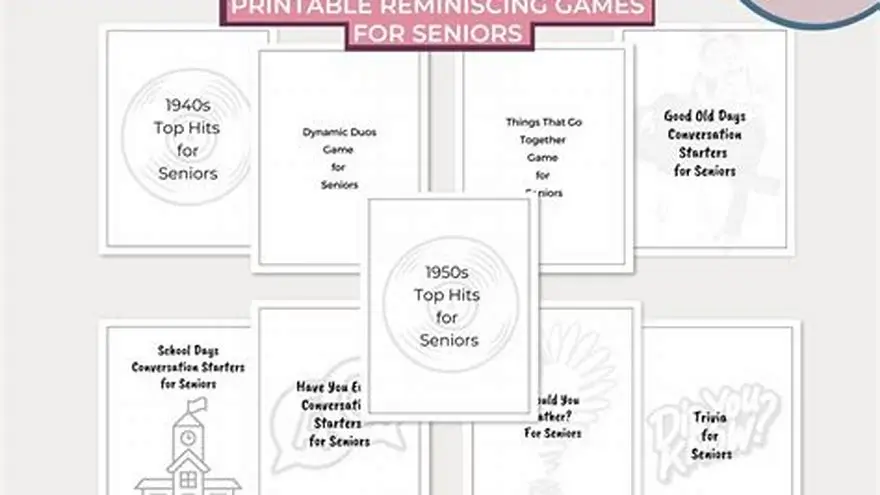
- Use conversation cards and printable kits designed for memory loss.
- Engagement improves mood and reduces agitation in bed bound dementia patients.
- Printable activity kits provide repeated, easy-to-access materials.
Activities suitable for patients confined to bed
Bed bound dementia patients benefit most from activities that require minimal physical effort but stimulate the senses and cognition. These include tactile tasks, music listening, and simple visual puzzles.
Large-print puzzles can be held or laid on a lap tray, allowing patients to follow patterns with their fingers or gaze. Sensory engagement such as holding textured objects or smelling familiar scents also helps reduce anxiety.
Simple cognitive tasks like naming common objects, answering easy questions, or using picture and conversation cards promote connection without causing frustration. These tasks adapt well to limited mobility.
Simple sensory activities can also involve temperature changes, like gently holding a warm or cool cloth. This variation can stimulate the sense of touch and provide comfort. For example, a warm lavender-scented cloth can soothe anxiety, while a cool cotton square might refresh the patient during warmer days. Before you commit to anything, it is worth looking at table activities for nursing home residents.
A practical example: Place a soft fleece square on their hand for two minutes, then switch to a textured rubber ball for another two minutes. This alternating stimulation engages different sensory receptors and can hold attention longer. Caregivers should observe the patient's reactions to adjust the activity accordingly.
- Tactile stimulation– use soft fabrics or textured balls.
- Visual puzzles– large-print word searches or mazes.
- Auditory tasks– familiar music or songs.
- Conversational engagement– using memory prompts.
Ways to adapt common dementia activities for bed bound patients
Common dementia activities often need adjustments for bedridden individuals. For example, puzzles usually designed for table use can be printed on sturdy boards and placed on lap trays.
Use large print and clear fonts to compensate for vision issues common in dementia. Activity sheets should be light and easy to handle, avoiding small pieces or tools. There is more on engaging one-on-one activities in a separate guide.
Incorporate conversation cards or storytelling prompts to encourage verbal interaction alongside puzzle solving, which deepens engagement without physical demands.
The Gentle Minds Activity Kit is a practical tool here. It offers large-print, printable activities at three different difficulty levels with conversation cards, all designed for easy bedside use. It requires no special tools and materials can be reprinted for different sessions.
- Designed for memory loss
- Printable and reusable
- Multiple difficulty levels
- Includes conversation aids
- No physical therapy tools
- Not a medical treatment
- Requires caregiver involvement
Examples of gentle sensory and cognitive engagement
Sensory stimulation can include feeling different materials like soft fleece or textured balls, listening to familiar melodies, or smelling herbs and flowers. These activate senses often dormant in bed bound patients. The other half of this decision is printable activities for memory care units.
Cognitive engagement involves simple word games, naming activities, or gentle puzzles with large text. These tasks foster recognition and recall without overwhelming the patient.
Conversation cards that feature familiar topics can encourage reminiscence, sharing memories, or expressing feelings, which helps maintain a sense of identity and connection.
Try using scented oils or herbs in small sachets that can be held or sniffed. Lavender, mint, or citrus scents often bring positive reactions. Always check for allergies or sensitivities first. People in this spot often ask about activities for dementia group residents as well.
A simple cognitive task is asking a patient to name objects shown in large-print picture cards. For example, showing a card with an apple and asking, 'What is this?' encourages recognition and memory recall without pressure.
If a patient struggles to respond verbally, encourage nonverbal cues like nodding or smiling. This keeps engagement positive and reduces frustration. The key is gentle encouragement, not testing.
- Touch– soft textile scraps, stress balls.
- Sight– large-print word searches or picture cards.
- Hearing– favorite songs or nature sounds.
- Smell– aromatic herbs like lavender or mint.
How to use large-print puzzles or kits with limited mobility
Place large-print activities on a stable surface near the bed, such as a lap tray or adjustable table. Ensure the patient can see and reach materials comfortably.
Use a caregiver’s help to turn pages or point to puzzle parts if needed. Encourage verbal responses rather than physical manipulation when fine motor skills are limited.
The Gentle Minds Activity Kit provides printable sheets that are already optimized for large print and clear design. It also includes a caregiver guide that explains how to facilitate activities for those with mobility restrictions.
Printed materials can be laminated or placed in sleeves for repeated use, reducing waste and preparation time.
What activities work best for patients confined to bed
Activities that limit physical effort but provide sensory or cognitive stimulation work best. For example, listening to music, sorting large tactile shapes, or discussing memory prompts.
Visual puzzles with large print and minimal pieces reduce confusion and frustration. Simple word search, crossword clues read aloud, or picture identification games are effective.
Avoid tasks requiring quick responses or fine motor skills, as these often cause anxiety or fatigue in bed bound patients.
Consistent, short sessions focusing on enjoyment and connection tend to yield the best engagement and mood improvement.
If a patient enjoys music, playing familiar songs or hymns can lift mood and prompt memory. Pair music with gentle hand tapping or clapping to enhance engagement without requiring movement around the bed.
A worked example: Use a word search with 10 large-print words related to nature. Read the list aloud, then help the patient scan the puzzle visually. Even if they cannot mark words, pointing and naming found words maintains involvement.
Watch for signs of fatigue such as closing eyes or fidgeting. Stop sessions before frustration builds. The goal is pleasant interaction, not task completion.
Using Gentle Minds Activity Kit for bed bound dementia patients
The Gentle Minds Activity Kit specializes in printable, large-print puzzles and conversation cards designed for adults with memory loss. Its three levels of difficulty let caregivers match activities to the patient's current abilities.
This kit saves time by providing ready-made materials that avoid childish or overly simple tasks, respecting the dignity of adults with dementia.
Caregivers can print activities as needed, reusing them for multiple sessions without additional cost. The included conversation cards promote sharing memories, easing feelings of isolation common in bed bound patients.
While it does not treat dementia or replace medical care, the kit offers a practical solution for keeping patients mentally and emotionally engaged when mobility is limited.
Questions people still ask
Can bed bound dementia patients do puzzles safely?
Yes, with adaptations like large print and stable surfaces, puzzles can be safe and enjoyable. Choose simplified puzzles to avoid frustration.
How often should activities be done with bed bound dementia patients?
Short, frequent sessions (about 10 to 20 minutes daily) work best to maintain engagement without causing fatigue.
What if the patient has very limited hand movement?
Focus on sensory activities and verbal engagement like listening to music or conversation cards rather than physical puzzle manipulation.
Are large-print puzzles better for dementia patients?
Large print improves readability and reduces eye strain, helping patients with vision loss or cognitive issues stay engaged longer.
How can I keep activities from feeling childish?
Choose materials designed for adults with memory loss that respect their dignity, such as the Gentle Minds Activity Kit with age-appropriate content.
Ready to try it? It offers printable, large-print activities with conversation cards designed for bed bound dementia patients' sensory and cognitive engagement.
Explore Gentle Minds Kit