Printable memory care activities: what works best for each cognitive stage
Choose printable activities matched to cognitive stages for memory care residents, ensuring engagement and enjoyment with large-print puzzles and conversation cards.
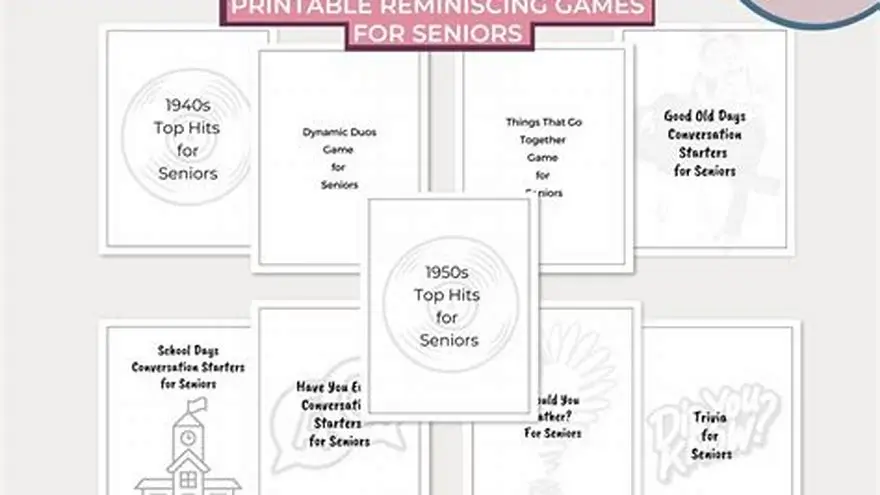
Use printable activities tailored to cognitive stages to engage memory care residents. Large-print puzzles and simple word games work well. The Gentle Minds Activity Kit offers over 130 pages with three difficulty levels, aiding varied needs.
On this page (7 sections)
Part of our guide on creative nursing home activities
Printable activities tailored to memory loss stages engage residents while respecting their abilities and vision needs.
| Printable pages | 130+ |
|---|---|
| Activity levels | 3 levels |
| Text size | Large print |
| Activity types | Puzzles, word games, cards |
| Suitable for | Memory loss stages |
The short version
- Match printables to cognitive abilities for best engagement
- Large-print puzzles help residents with low vision
- Gentle Minds Activity Kit covers three levels for memory loss
- Use conversation cards to stimulate social interaction
- Avoid overly childish or complex activities
Types of printable activities suited for memory care
Memory care residents benefit from activities matched to their abilities. Simple word searches, crosswords with large print, and mazes invite engagement without frustration. These printables focus on recognition and recall rather than speed or accuracy.
Grouping activities by difficulty aids participation. Early memory loss suits puzzles with clear images and straightforward instructions. Moderate stages work well with word games requiring minimal writing. Advanced stages prefer coloring, matching, or conversation prompts.
Printables that avoid complex rules or fine motor skills reduce stress. Residents enjoy activities that stimulate memory and conversation. Large-print formats accommodate visual impairments common in this population.
Activities that include sensory elements like textured paper or scratch-and-sniff stickers add appeal. These stimulate senses beyond sight and touch, keeping residents interested longer. Examples include simple matching games with different fabric swatches or scented cards. There is more on free activity director resources pdf in a separate guide.
Coloring pages with bold outlines and familiar objects can be soothing. Use crayons or markers with thick grips to ease handling. Choose themes such as nature scenes or animals, which residents often recall fondly, supporting emotional connection.
- Word searches: large font, familiar words
- Crosswords: easy clues, few words
- Mazes: simple paths, bold lines
- Conversation cards: prompt storytelling
How to choose printables by cognitive ability
Assess residents’ cognitive levels before selecting printables. Mild memory loss residents handle word puzzles with moderate challenge. Moderate loss requires simpler printables with clear instructions and no penalty for errors.
For severe memory loss, choose activities that focus on sensory stimulation, such as coloring or matching familiar images. Avoid printables needing reading comprehension or complex problem-solving here. We go through easing frustration with clear puzzles step by step elsewhere on the site.
Print size should be at least 18-24 point font, depending on vision. Contrast between text and background must be high to reduce eye strain. Printables should allow flexible time limits to accommodate pace differences.
Consider residents’ motor skills when selecting printables. Those with limited hand coordination benefit from activities involving larger movements, like tracing big shapes or connecting dots with thick pencils. Small, fiddly tasks can cause frustration and reduce engagement.
Difficulty can also relate to attention span. Short activities lasting 5-10 minutes suit residents with moderate to severe memory loss. Longer tasks risk losing their interest or causing fatigue, which affects mood and participation. For the detail, see our notes on printable activity director resources.
Examples of large print and easy puzzles
Large-print word searches using familiar themes engage memory. These puzzles typically feature a 20x20 letter grid with words listed in a minimum 24-point font. They encourage word recognition rather than spelling.
Easy crosswords with 8 to 12 words use straightforward clues like 'name a fruit' or 'a color'. The grid squares are 1.5 to 2 cm wide to ease filling in letters.
Simple mazes with bold black lines and wide paths prevent frustration. Mazes sized about 20x20 cm with a direct route are best for cognitive support. We cover preparing group memory match games in its own article.
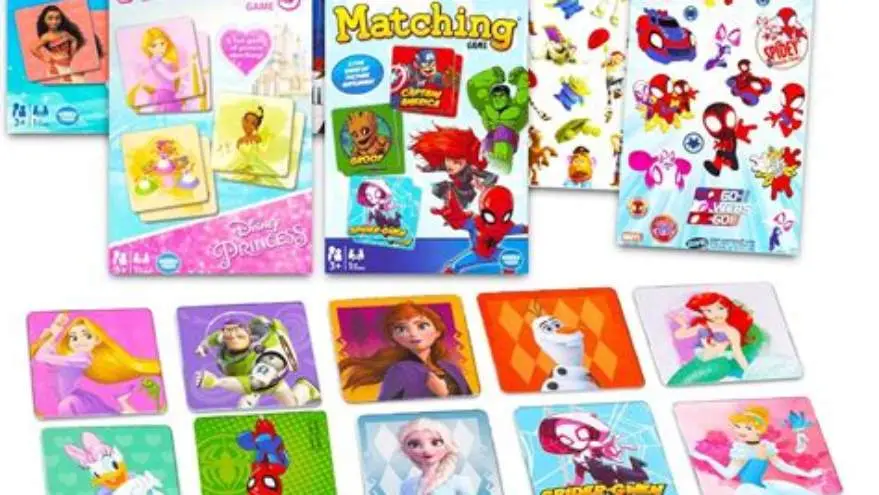
Matching games printing pairs of large, colorful images help recognition and recall without reading demands.
One example is a large-print word search themed on common household items, with a 20x20 grid and 15 words in 24-point font. This helps with word recognition without taxing memory too much.
Try a crossword puzzle with 10 simple clues like 'a red fruit' for 'apple' or 'something you drink' for 'tea'. The 1.5 cm squares allow easy writing. Residents find success with these, boosting confidence.
A maze roughly 25x25 cm with thick black lines and a clearly marked start and finish can help with focus. The direct route reduces frustration, providing a small sense of accomplishment.
| Puzzle Type | Grid Size | Font Size | Cognitive Stage | Engagement Focus |
|---|---|---|---|---|
| Word Search | 20x20 letters | 24-point | Mild to moderate | Recognition and recall |
| Crossword | 8-12 words | 24-point | Mild | Word recall, basic spelling |
| Maze | 20x20 cm | N/A | Moderate to severe | Problem solving, motor skills |
| Matching Game | Pairs | N/A | Moderate to severe | Memory and recognition |
Tips for using printables to engage residents safely
Set up group activities with printed materials spaced for easy reach. Use clear instructions and demonstrate before residents start. Encourage helpers to assist gently without taking over.
Allow ample time for completion. Avoid time limits which stress participants. Let residents share their answers or stories inspired by puzzles to promote social bonds.
Discard activities that cause frustration or boredom. Rotate puzzle types weekly to maintain interest. Clean printed materials regularly to prevent infection risk in care units.
Provide writing tools that fit comfortably in residents’ hands, such as chunky pencils or markers with rubber grips. These reduce strain and encourage participation.
Monitor residents’ expressions and verbal feedback during activities. If a task causes visible frustration or withdrawal, switch to a simpler or more sensory-based printable. Some residents respond better to quiet, individual activities, others to group games.
Keep cleaning routines for printed materials strict. Use wipeable covers or laminate pages when possible to prevent germ spread. This is vital during cold and flu seasons in care units.
- Use large print and avoid cluttered pages
- Provide pencils with good grip for ease of use
- Encourage group discussion around activities
- Monitor reactions and adjust difficulty accordingly
Printable activities for memory care units
The Gentle Minds Activity Kit offers over 130 large-print pages with activities at three difficulty levels: Gentle, Easy, and Steady. This tiered design fits residents from early to moderate memory loss stages.
It includes puzzles, word games, and 48 conversation cards to encourage meaningful discussions. The kit comes with a caregiver guide to facilitate safe and respectful use.
Its printable nature means you can provide fresh copies for individual or group use. The large print and simple layout reduce barriers for people with low vision or cognitive challenges.
This product helps families and activity coordinators keep engagement varied and respectful, avoiding childish or overly complex tasks. It does not offer therapy or medical benefits but supports enjoyment and connection.
If you need custom puzzles or want to create your own printable books, consider tools like BigPrint Puzzle Studio or free word search makers instead. They require more effort but offer flexibility.
- Three difficulty levels cover wide cognitive range
- Includes conversation cards for social engagement
- Printable on demand, suitable for groups
- Caregiver guide supports facilitation
- Not a therapy or treatment tool
- Requires printing resources
- No interactive digital component
Questions people still ask
What types of printables work best for severe memory loss?
Simple activities like coloring, matching pictures, and conversation cards work best. Avoid puzzles needing reading or writing. Large, bold visuals with minimal instructions reduce frustration.
How large should the print be for memory care activities?
Print size of at least 18-24 point font is recommended, depending on residents’ vision. High contrast between text and background helps readability.
Can printable activities improve cognitive function in memory loss?
Printables mainly support engagement and enjoyment. They do not treat or cure memory loss but can help reduce boredom and promote social interaction.
How often should printable activities be changed or rotated?
Changing activities weekly or biweekly helps maintain interest and avoids repetition fatigue. Adjust difficulty as residents’ needs evolve.
Are there free printable resources suitable for memory care?
Yes, some sites offer free large-print word searches and mazes. Creating your own with free tools is possible but requires time and formatting skills.
Ready to try it? The kit offers large-print, tiered difficulty puzzles and conversation cards tailored for memory care residents at different stages.
Try the printable activity kit