Memory care activity binder: what to include and how to organize it
Organize a memory care activity binder with engaging activities and easy-to-use formats to support daily routines and caregivers.
A memory care activity binder should include large-print puzzles, conversation cards, daily planners, and easy-to-use materials organized by difficulty and type to support caregivers and engage residents with memory loss effectively.
On this page (8 sections)
- The short version
- What types of activities engage people with memory loss
- How to organize activities for easy caregiver use
- How this binder supports daily routines in memory care
- What to include in a memory care activity binder
- How to create and maintain the binder for ongoing use
- How the Gentle Minds Activity Kit supports your memory care binder
- Questions people still ask
Part of our guide on activity ideas for nursing homes
Organize engaging large-print activities into a memory care binder that simplifies caregiver routines and delights residents with memory loss.
| Activity pages | 130+ printable |
|---|---|
| Difficulty levels | 3 levels |
| Conversation cards | 48 cards |
| Print sizes | US Letter & A4 |
| Caregiver guide | Included |
The short version
- Choose activities addressing different difficulty levels for varying abilities.
- Organize by activity type and day to simplify caregiver use.
- Include conversation cards to stimulate memories and connection.
- Use large-print materials for better readability and engagement.
- A well-organized binder supports daily routines and caregiver efficiency.
What types of activities engage people with memory loss
Adults living with memory loss respond best to activities that match their current cognitive abilities. Activities must be stimulating without overwhelming, allowing success and enjoyment.
Large-print word searches, simple crosswords, and sudoku puzzles with fewer numbers engage many. Familiar, repetitive tasks help maintain attention and confidence.
Conversation cards that prompt sharing memories or discussing familiar topics encourage connection and social interaction. These improve mood and reduce agitation.
Creative activities like coloring with large crayons or sorting objects by color or shape serve well for those with advancing memory challenges. Physical movement in activities also helps. There is more on downloadable forms for activity directors in a separate guide.
Avoid overly complex puzzles or tasks needing multi-step problem solving for severe memory loss. Focus on gentle, achievable tasks to avoid frustration.
Pay attention to sensory activities involving touch, sound, or smell. Textured fabrics, scented items, or simple musical instruments can trigger memories and soothe anxiety. For example, using a soft scarf or a small bell provides sensory input that engages without confusion.
Use real-life objects for reminiscence. Items like old coins, postcards, or kitchen tools from the resident’s era encourage meaningful interaction. One resident might hold a vintage spoon and recall family meals, sparking conversation and emotional connection. The other half of this decision is monthly activity calendar ideas for seniors.
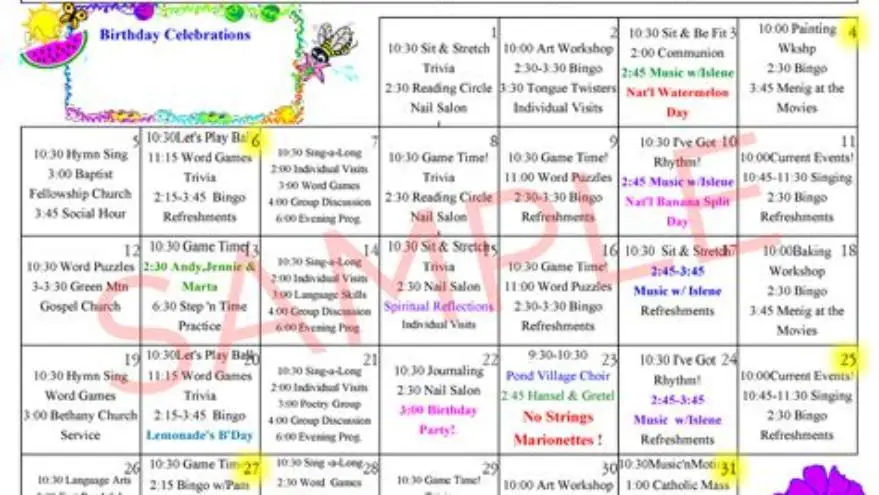
Rotate activities regularly to maintain interest. A weekly schedule that varies puzzles, crafts, and physical movement helps prevent boredom. For instance, Monday puzzles, Tuesday conversation cards, and Wednesday coloring keeps the routine fresh and engaging.
- Large-print puzzles: word searches, crosswords, sudoku
- Conversation prompts: memory sharing and storytelling
- Creative tasks: coloring, sorting, matching
- Physical activities: simple movement or object handling
- Avoid complexity: keep tasks achievable and gentle
How to organize activities for easy caregiver use
Organize your memory care binder by activity type and difficulty level. Use tabs or color-coded dividers for quick navigation.
Group large-print puzzles separately from conversation cards and creative exercises. Label sections clearly to reduce caregiver time searching for materials. For the detail, see our notes on printable activity director resources.
Include daily planning pages or checklists for caregivers to follow easily. They should show what activities suit each resident’s current level and preferences.
Store materials in clear plastic sleeves for durability and reuse. Print multiples of favorite activities in advance to avoid last-minute prep.
Keep instructions simple and brief. A caregiver guide explaining how to use each activity and adapt it supports confident delivery. There is more on preparing reusable activity sheets in a separate guide.
Label each section with large, clear fonts and contrasting colors. This visual aid speeds up finding the right activities, especially under time pressure. For example, use a bright yellow tab for 'Easy Puzzles' and a soft blue for 'Conversation Cards'.
Create a quick-reference sheet summarizing activity types and suitable resident levels. Caregivers can glance at it to decide what fits best. Imagine a page listing activities under 'Gentle' with bullet points like 'color sorting' and 'simple word searches'.
Include a section for feedback notes where caregivers jot down what worked or didn't. This ongoing record guides future choices and personalizes the binder over time. One note might say, 'Mr. Smith enjoyed the photo memory cards but found the sudoku too hard.'
- Use dividers by activity type: puzzles, conversations, crafts
- Arrange by difficulty: gentle, easy, steady
- Daily planning pages guide caregivers’ choices
- Protect pages with plastic sleeves for reuse
- Provide clear instructions and tips for each activity
How this binder supports daily routines in memory care
A well-organized activity binder structures the day for residents and caregivers. It sets predictable routines, which reduce anxiety for adults with memory loss.
Activities matched to ability prevent frustration and encourage participation. This supports a sense of accomplishment and maintains skills longer.
Caregiver ease reduces stress and improves quality of care. Quick access to suitable activities means less downtime and smoother transitions between tasks.
A binder that includes conversation cards fosters social connection, an essential element for emotional well-being.
Consistent use of a binder can improve communication and enrich daily interactions for residents and caregivers alike.
Set specific times for activity sessions within the daily schedule. For example, 10:00 AM for puzzles and 2:00 PM for creative activities. Establishing these slots adds structure and helps residents anticipate and prepare mentally.
Use the binder to track mood changes during activities. Caregivers can note when a task calms or frustrates a resident. This information helps tailor future sessions and avoid negative experiences.
Incorporate short physical breaks between activities to prevent fatigue. Simple stretches or chair exercises improve circulation and alertness. For instance, a two-minute hand stretch after a coloring task refreshes participants for the next activity.
- Creates predictable, comforting routines
- Matches activities to current abilities
- Reduces caregiver stress and prep time
- Promotes social connection and conversation
- Enhances daily engagement and mood
What to include in a memory care activity binder
Include large-print puzzles such as word searches, sudoku, and crosswords at three difficulty levels: gentle, easy, and steady. Each level suits different stages of memory loss.
Add conversation cards with prompts to encourage memory sharing and storytelling. These cards should be simple, with clear, large text.
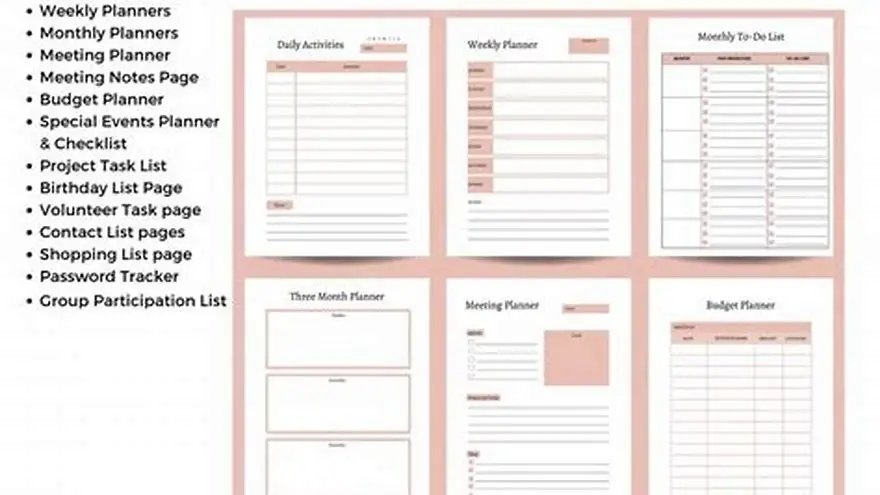
Daily planning pages let caregivers schedule activities by resident and track engagement. Use checkboxes or notes sections for ease.
Provide caregiver guides with instructions, tips, and adaptations to tailor activities to individual needs.
Keep craft or sensory activity sheets that involve coloring, sorting, or tactile tasks for variety and motor engagement.
Add a section for personalized materials, such as photos or memorabilia related to the resident's past. These items boost recognition and spark conversation. For example, a photo of a favorite pet or hometown can trigger positive memories.
Include simple instructions with images or icons for each activity. Visual cues help caregivers explain tasks clearly and allow residents to follow along more easily. A page showing a colored pencil icon next to 'coloring' clarifies the activity.
Keep a list of alternative activities for days when a resident resists usual tasks. Sensory items like textured balls or soft fabrics can serve as gentle distractions and comfort tools. This flexibility keeps engagement consistent.
| Content Type | Purpose | Typical Quantity | Format |
|---|---|---|---|
| Large-print puzzles | Engagement and cognitive exercise | 100+ pages | Printable sheets |
| Conversation cards | Stimulate memories and interaction | 48 cards | Printable cards |
| Daily planning pages | Organize activities and track progress | 7-14 pages | Printable planner |
| Caregiver guide | Instructions and adaptations | 1 booklet | Printable PDF |
| Craft/sensory activities | Motor skills and creativity | 10-20 pages | Printable sheets |
How to create and maintain the binder for ongoing use
Start by selecting activities that represent varied difficulty levels to match residents’ abilities. Print enough copies for group sessions and individual use.
Use a sturdy 3-ring binder with clear plastic sleeves to protect pages from spills or wear. Replace worn sheets regularly.
Update the binder quarterly to rotate in new activities and retire less popular ones. Keep notes on what residents prefer and respond to best.
Train caregivers on using the binder, emphasizing flexibility and encouragement rather than strict adherence to plans.
Store the binder in a consistent, accessible place for all caregivers to find easily.
Check the binder regularly for worn pages or outdated materials. Replace torn sheets and update photos or stories to keep content fresh and safe. For instance, a torn puzzle page should be swapped out immediately to avoid frustration.
Solicit input from caregivers and family members about the binder’s effectiveness. Their observations highlight which activities succeed or need change. One caregiver may report that a certain craft sparked enthusiasm, guiding future choices.
Plan a simple review meeting every few months to discuss binder updates. This ensures everyone agrees on activity selection and organization. During this meeting, set goals like introducing new sensory tasks or expanding conversation card topics.
- Select varied activities by ability and interest
- Print and protect pages in plastic sleeves
- Organize with tabs and clear labels
- Train caregivers on use and adaptations
- Review and update binder contents every 3 months
How the Gentle Minds Activity Kit supports your memory care binder
The Gentle Minds Activity Kit offers over 130 printable pages of large-print activities designed specifically for adults with memory loss. It includes three difficulty levels: Gentle, Easy, and Steady.
Conversation cards in the kit stimulate discussion and encourage sharing memories, enhancing social connection alongside cognitive engagement.
Daily planning pages and a caregiver guide coordinate activities and simplify daily use for caregivers. The kit's organized design matches the ideal memory care binder structure.
You can print materials multiple times for groups or individuals, with no risk of running out of ideas or materials.
The kit does not provide therapeutic treatment or guarantee cognitive improvement but focuses on enjoyment and meaningful engagement.
As a practical tool, it saves you time assembling suitable activities and supports a smoother daily routine.
An alternative is to create your own binder by sourcing free large-print puzzles and conversation prompts online. This requires more preparation but costs less.
Choose the kit if you want a ready-made, well-structured set that respects your loved one’s abilities and reduces caregiver prep time.
- Activities at three levels
- Includes caregiver guide
- Printable unlimited times
- Conversation cards included
- Not a therapy tool
- One-time purchase cost
Questions people still ask
Can activity binders help with severe memory loss?
Yes, if activities are simple and sensory-based. Complex puzzles may frustrate. Tailoring difficulty levels is key.
How often should I update the activity binder?
Review and refresh every 3 months or sooner if residents lose interest or abilities change.
What if the caregiver is new or inexperienced?
Include clear instructions and a caregiver guide in the binder. Training on flexibility supports success.
Are digital versions of activity binders useful?
Digital can help with easy updates but require device access and tech skills, which may not suit all caregivers or residents.
Can family members contribute to the binder?
Yes. Personalized photos, familiar stories, or favorite themes add comfort and encourage engagement.
Ready to try it? It provides a ready-made set of printables and tools that match the ideal memory care activity binder setup, easing caregiver prep and supporting engagement.
Get the Gentle Minds Kit