Memory care activities for dementia: how to pick what truly engages
Find practical ways to pick and adapt activities that dementia patients in memory care genuinely enjoy and benefit from.
Pick activities based on dementia stage, functional abilities, and interests. Use simple, large-print, familiar, and socially engaging tasks. Adjust challenge levels to avoid frustration or boredom. Printed kits with graded activities help keep patients connected and active.
On this page (7 sections)
- The short version
- How to select activities suited to dementia stages
- Examples of activities proven to engage dementia patients
- Adaptations for memory care environment and abilities
- Activities for dementia patients in memory care
- How to run group activities residents look forward to
- Common questions about activities for dementia patients in memory care
Part of our guide on creative ideas for nursing homes
Choose and adapt memory care activities that truly fit dementia stages to keep patients engaged, connected, and respected.
| Activity levels | 3 graded levels |
|---|---|
| Printable pages | 130+ pages |
| Conversation cards | 48 included |
| Suitable for | Memory care adults |
| Print sizes | US Letter & A4 |
The short version
- Match activities to dementia stage and abilities
- Choose large-print or tactile items for clarity
- Use familiar themes to spark memories
- Adapt tasks to minimize frustration
- Group activities boost social connection
How to select activities suited to dementia stages
Dementia patients show a wide range of abilities depending on their stage. Early stages usually allow more complex tasks. Late stages require simpler, sensory-focused activities. Matching activity difficulty to cognitive level avoids frustration and disengagement.
Focus first on functional skills like memory, attention span, and motor abilities. For early dementia, puzzles with larger print and moderate complexity suit well. Mid-stage patients benefit from repetitive tasks with clear steps. Late-stage individuals need soothing, tactile, or music-based activities.
Cognitive ability can fluctuate daily, so prepare options at different challenge levels. Use large print or bold visuals to compensate for vision issues common in older adults. Activities should also respect personal interests and cultural background to maintain engagement.
Dementia progression is not always linear. Patients may improve on some days and decline on others. Planning activities with flexibility allows caregivers to switch tasks based on daily ability. For example, a patient who struggles with puzzles one day may enjoy simple coloring the next. People in this spot often ask about bed bound dementia activities as well.
Social engagement is a factor in choosing activities. Some patients respond well to group games, while others prefer one-on-one interactions. Tailor activities not only to cognitive stage but also to personality and mood. A quiet person might find group discussions overwhelming, while an extrovert thrives on them.
Examples of activities proven to engage dementia patients
Activities proven to engage dementia patients include large-print puzzles, word searches, simple mazes, and memory games tied to personal history. Music and art crafts also stimulate senses and encourage participation.
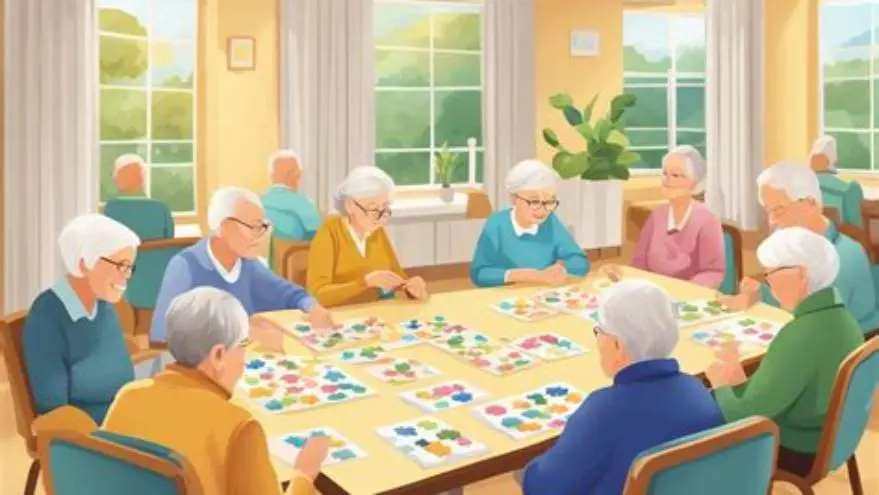
Group activities such as themed discussions or shared games improve social interaction and reduce feelings of isolation. Using conversation cards with prompts related to past experiences encourages storytelling and connection. It helps to understand group activities for dementia residents before going further.
Physical activities like gentle chair exercises support both cognition and mood. Sensory tasks involving textures, scents, or colors provide comfort and help focus attention without requiring complex thinking.
Cooking activities, such as stirring batter or assembling simple sandwiches, engage multiple senses and create a sense of accomplishment. These tasks also encourage fine motor skills and can trigger positive memories related to food preparation.
Gardening tasks like watering plants or sorting seeds provide gentle physical activity and sensory stimulation. These activities can be adapted easily: early-stage patients may plant seeds, while late-stage can focus on feeling soil textures or smelling flowers. We go through activities for dementia residents step by step elsewhere on the site.
Music therapy stands out as a powerful activity for dementia patients. Playing familiar songs from their youth can trigger memories and emotions, improving mood and communication. For example, a patient who rarely speaks might hum along or tap their fingers to a beloved tune. This engages multiple senses and fosters connection without pressure to perform.
Reminiscence therapy uses photos, objects, or stories from the past to stimulate memory recall. It works well in group settings or one-on-one and helps patients feel valued. A session might involve showing old family photos and inviting patients to share any memories. This boosts self-esteem and encourages social interaction without stressing cognitive limits.
- Large-print puzzles: support visual clarity and challenge thinking
- Memory games: trigger personal recall and conversation
- Conversation cards: prompt engagement and social interaction
- Art and crafts: encourage creativity and motor skills
- Gentle physical exercises: improve mood and energy
Adaptations for memory care environment and abilities
Memory care environments require activities that reduce confusion and overstimulation. Clear, simple instructions and uncluttered layouts help patients focus. Use contrasting colors and bold fonts for better readability. There is more on activities matched to cognitive stages in a separate guide.
Modify activities by breaking tasks into smaller steps, limiting time, and allowing extra response time. Avoid activities with right or wrong answers to reduce anxiety.
Provide materials that are easy to handle, such as large-piece puzzles or tactile cards. Ensure seating is comfortable and lighting is adequate. Regularly observe participants’ responses and adjust activities accordingly.
In memory care settings, noise levels greatly affect patient focus. Choose quiet spaces for activities to reduce distractions. Background music with familiar tunes can soothe anxiety but avoid loud or fast-paced songs that may cause agitation. Before you commit to anything, it is worth looking at affordable assisted living ideas.
Use clear visual cues to signal activity start and end times. A clock with simple icons or a timer with a gentle bell helps patients understand session structure. This reduces confusion and can improve participation consistency.
Adjust lighting to natural daylight levels when possible, as this supports circadian rhythms and can reduce agitation. Dim or flickering lights often increase confusion or anxiety. Use soft, indirect lighting during activities to maintain calm focus.
Check seating arrangements to promote eye contact and ease of hearing. Circular seating or placing chairs close together helps patients engage in group activities and reduces feelings of isolation. Avoid seating near distracting elements like windows with busy views or loud areas.
Adapt materials to sensory needs. For patients with arthritis, provide tools with larger grips. For those sensitive to textures, offer alternatives like soft fabrics instead of rough ones. Tailoring tactile experiences ensures comfort and sustained interest.
- Use large, bold fonts and high contrast colors
- Keep instructions simple and stepwise
- Choose tactile, easy-to-handle materials
- Limit activity duration to individual tolerance
- Create a calm, comfortable environment
Activities for dementia patients in memory care
Activities for dementia patients in memory care must balance cognitive challenge with accessibility. The Gentle Minds Activity Kit provides a practical set of printable, large-print activities tailored to memory loss stages. It features three difficulty levels, allowing caregivers to match tasks precisely to residents’ abilities.
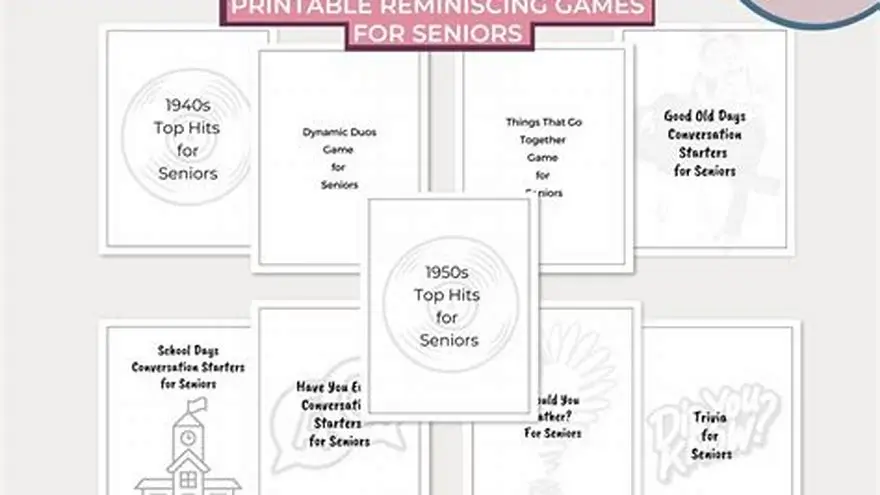
This kit includes over 130 pages of puzzles, games, and conversation cards designed to promote engagement without feeling childish or too basic. Caregivers can print multiple copies, facilitating group sessions or individual use. A caregiver guide helps with facilitation and adapting activities.
The kit addresses the common problem of running out of suitable activity ideas. It supports social interaction through conversation prompts and offers variety to maintain interest. While it does not provide medical treatment, it respects the user's dignity and encourages connection.
Consider using the Gentle Minds Activity Kit if you need a ready-to-use, graded resource that saves time planning and adapts to changing abilities. An alternative is creating your own large-print puzzles using free online word search makers combined with personal photos or themes, but this requires more prep.
Simple sorting tasks also work well in memory care. Ask patients to sort colored buttons or large beads by size or shade. This keeps fine motor skills active and provides visual cues to guide the task. For example, sorting 20 buttons into piles of red, blue, and green takes about 10 minutes and feels achievable.
Music listening sessions with headphones can benefit patients who become overstimulated in group settings. Playing calming instrumental music or nature sounds reduces anxiety and enhances focus. This option offers a personalized experience when group activities aren’t suitable.
Cooking tasks can be adjusted for safety and ability. Instead of using knives, patients might mix ingredients or decorate pre-baked cookies. These steps engage senses and create pride without risk. A caregiver can model each step, encouraging participation with clear prompts.
- Three graded difficulty levels
- Over 130 printable pages
- Includes conversation cards
- Caregiver guide included
- No medical or therapeutic claims
- Requires printer and some prep time
How to run group activities residents look forward to
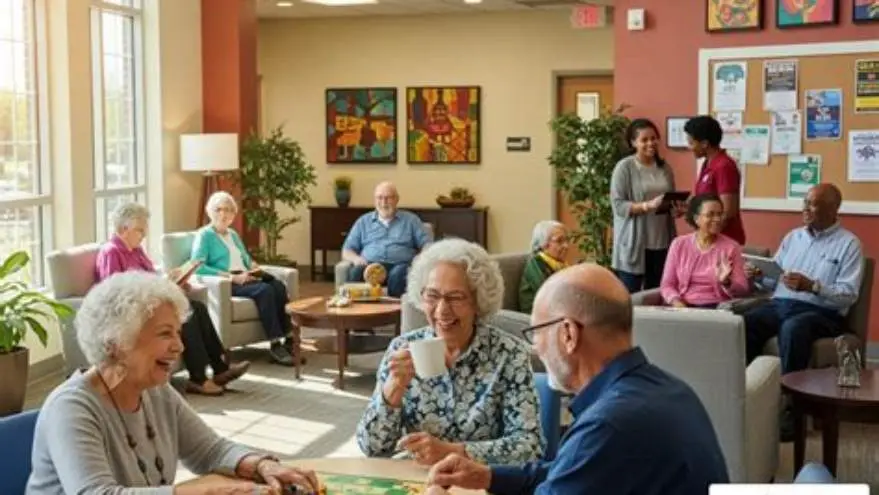
Group activities build community and reduce isolation. Plan sessions with a clear, gentle routine. Start with familiar, easy tasks then gradually add variety. Use large-print materials and conversation cards to stimulate discussion.
Encourage participation without pressure. Celebrate successes and allow time for responses. Use music or sensory items to create a welcoming atmosphere.
Involve families or volunteers to maintain social bonds. Adjust group size to comfort levels: smaller groups often work better. Monitor engagement and be ready to switch activities if interest wanes.
Use visual schedules to show the day's activities. This helps set expectations and reduces anxiety about changes. For instance, a picture of a puzzle indicates the next activity, reinforcing routine and familiarity.
Start group sessions with a brief, calming ritual such as lighting a scented candle or a moment of deep breathing. This signals a transition and helps residents focus on the upcoming activity.
Record which activities residents enjoy most. Use this data to plan future sessions. If a maze game sparks lively discussion, include variations of it regularly. Tracking responses ensures the group activities remain appealing and effective.
Use name tags during group activities to help residents recall each other's names. This supports social bonding and reduces confusion. A simple cloth or paper tag with large print works well.
Keep group sessions short, around 20 to 30 minutes, to match attention span. Breaks between activities help prevent fatigue and agitation. Watch for signs like fidgeting or disengagement as cues to pause or switch tasks.
Invite residents to suggest activities or themes. This increases ownership and excitement. For example, a resident who enjoyed gardening might help choose flower-related crafts or stories. Tailoring groups around shared interests maintains motivation and a sense of community.
- 1. Choose activities suited to the group’s average abilities
- 2. Prepare materials in large print and with clear instructions
- 3. Begin with simple, engaging tasks to build confidence
- 4. Use conversation cards to prompt sharing and connection
- 5. Observe reactions and adjust pace or difficulty
- 6. End with a calming or familiar activity
Common questions about activities for dementia patients in memory care
Selecting activities suited to dementia stages means tailoring complexity and sensory demands. Early stage allows more cognitive challenge; late stage benefits from soothing, sensory engagement.
Activities like large-print puzzles, memory card games, and conversation prompts are known to maintain interest and stimulate interaction.
Adaptations involve simplifying tasks, using large fonts, providing tactile materials, and maintaining a calm environment to enhance participation and reduce confusion.
Graded activity kits like Gentle Minds simplify finding engaging, appropriate tasks for memory care.
Ready to try it? It provides ready-made, graded large-print activities specifically for adults with memory loss, saving time and matching abilities.
Explore graded activity kits