Activities for dementia: which fit early, mid, and late stages of memory loss
Learn which activities suit each dementia stage and how to adapt them to keep adults with memory loss calm and engaged.
Age appropriate activities for adults with dementia depend on the stage: early stage suits complex puzzles, mid stage needs simpler tasks, late stage focuses on sensory and social engagement. Choose activities that avoid frustration and promote calm and success.
On this page (8 sections)
- The short version
- What activities work best at early, middle, late dementia stages
- How to adapt activities to cognitive and physical ability
- Examples of gentle, engaging activities for adults with dementia
- Age appropriate activities for adults with dementia using the Gentle Minds Activity Kit
- How to create or find your own dementia-friendly activities
- Why matching activities to dementia stage matters
- Questions people still ask
Part of our guide on adapting word games for dementia
Match dementia activities to each stage with practical guidance and printable, age appropriate resources to keep adults calm and engaged.
| Early stage | complex puzzles OK |
|---|---|
| Mid stage | simpler tasks needed |
| Late stage | sensory & social focus |
| Activity levels | gentle, easy, steady |
| Printables | large print preferred |
The short version
- Match activities to dementia stage to avoid frustration
- Adapt complexity and support to cognitive and physical ability
- Gentle, meaningful engagement beats challenging tasks
- Use large print and clear instructions for accessibility
- Printable kits like Gentle Minds save time and keep engagement
What activities work best at early, middle, late dementia stages
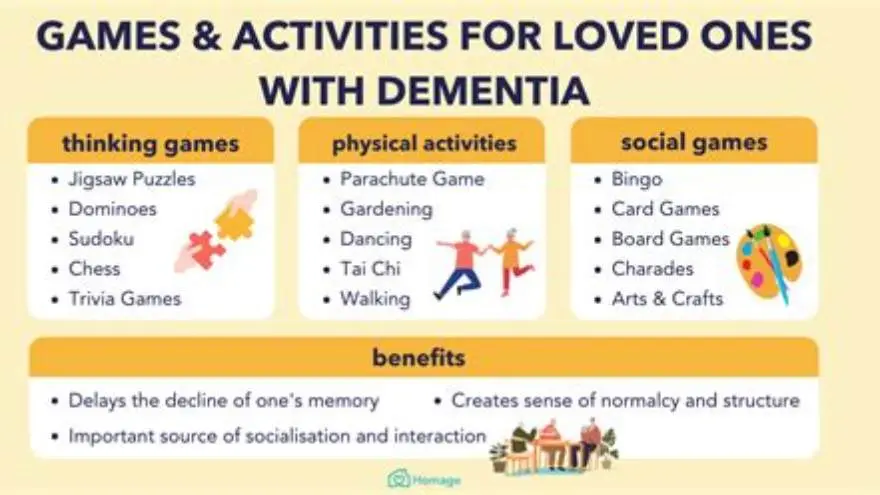
Early stage dementia usually allows adults to enjoy familiar and moderately challenging puzzles and word games. Activities like large-print crosswords or sudoku can work well if they are at the right difficulty.
Mid stage dementia calls for simpler, more guided activities. Tasks should be broken down to avoid frustration. Jigsaw puzzles with larger pieces or simple matching games help maintain engagement. Social activities that stimulate conversation also suit.
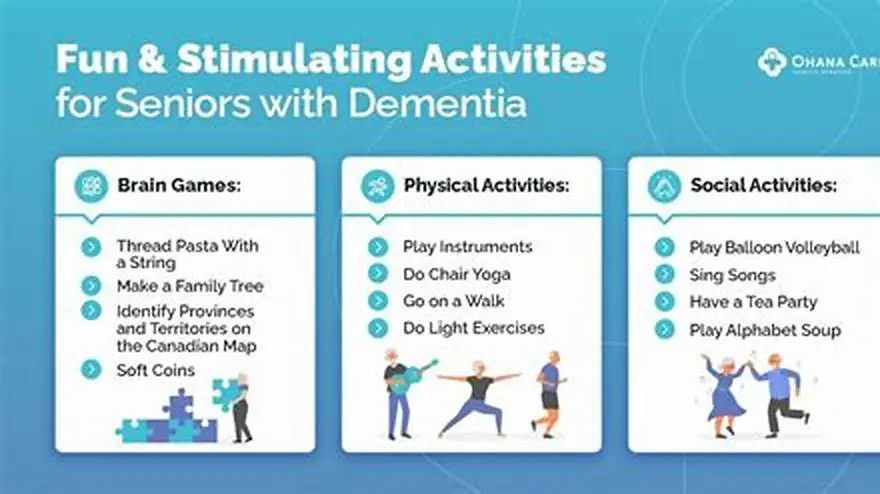
Late stage dementia focuses on sensory stimulation and social connection. Activities like listening to music, gentle hand massages, or looking at photo albums bring calm. Physical tasks must be minimal and safe.
How to adapt activities to cognitive and physical ability
Adjust activity complexity by simplifying instructions and reducing steps. Use cues like pictures or conversation cards to guide participation. For example, large-print puzzles with clear, bold fonts improve readability. People in this spot often ask about matching activities to dementia stages as well.
Physical ability changes mean activities may need to avoid fine motor skills. Use larger puzzle pieces or tactile materials. Seating and lighting should support comfort and focus.
Emphasize process over outcome. Praise effort and avoid correcting mistakes to reduce stress. Caregivers can demonstrate tasks or work alongside to provide support.
| Ability | Cognitive Adaptation | Physical Adaptation |
|---|---|---|
| High | Complex puzzles, minimal cues | Standard puzzle pieces |
| Moderate | Simplified tasks, visual prompts | Larger, easy-to-handle pieces |
| Low | Sensory activities, one-step tasks | No fine motor needed, tactile items |
- Reduces frustration
- Improves engagement
- Supports dignity
- Needs observation
- Requires flexibility
- Time-consuming to prepare
Examples of gentle, engaging activities for adults with dementia
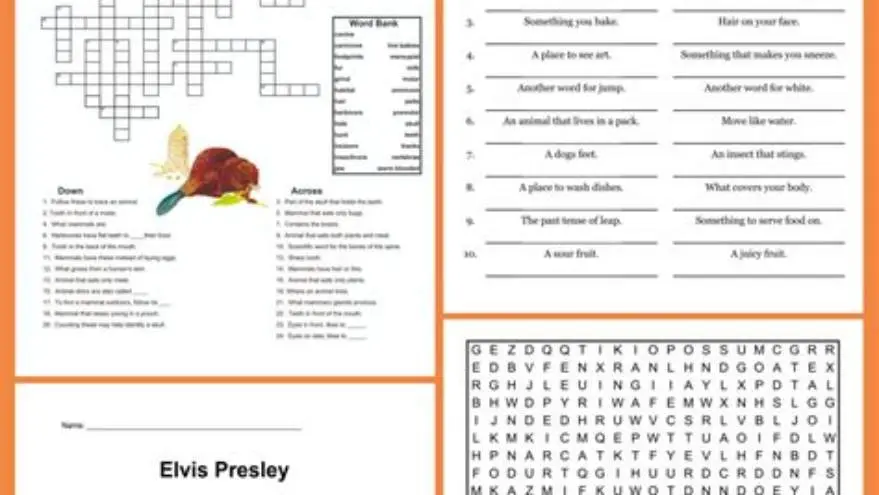
Large-print word searches and simple sudoku puzzles engage early stage adults. Use themes they enjoy for more interest. We go through easing frustration with clear puzzles step by step elsewhere on the site.
Conversation cards and photo-based memory games encourage sharing and discussion, suitable for mid stage.
Late stage activities include sensory exploration like textured fabrics, flower arranging, or listening to familiar music. These bring calm and connection without demanding memory or problem-solving.
- Word searches: print large and use familiar themes
- Conversation cards: prompt memories and storytelling
- Sensory mats: safe textures for tactile exploration
- Music sessions: familiar songs to soothe and engage
Age appropriate activities for adults with dementia using the Gentle Minds Activity Kit
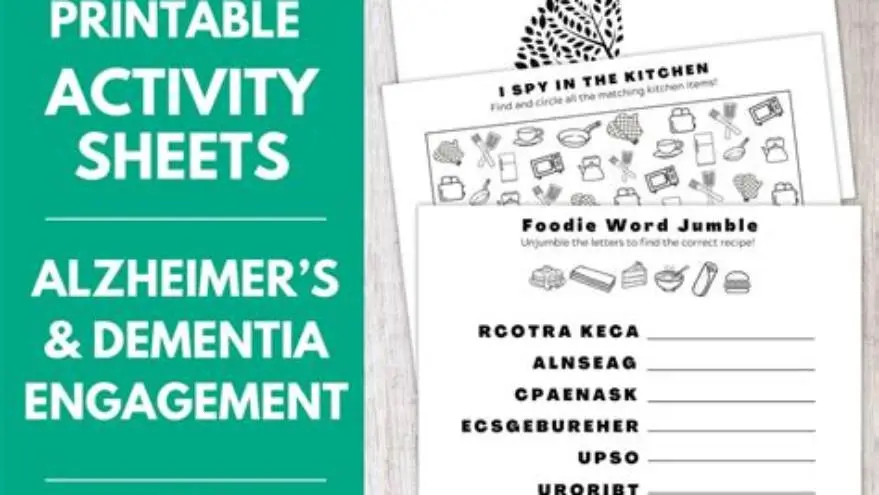
The Gentle Minds Activity Kit offers printable, large-print activities designed specifically for adults living with memory loss. It includes three levels of difficulty (Gentle, Easy, and Steady) which match early, mid, and late stages of dementia. Before you commit to anything, it is worth looking at dementia activities that are not childish.
This kit saves time by providing ready-to-print puzzles, conversation cards, and planning pages. It promotes calm and success by avoiding overly challenging tasks and offers no-wrong-answer games that reduce frustration.
The included caregiver guide explains how to facilitate activities and adapt them to users' abilities. However, it does not replace medical care or therapy and focuses solely on engagement and enjoyment.
For families or activity coordinators looking for varied, age appropriate materials that respect cognitive changes, this kit provides a practical, ready resource without needing to design activities from scratch. There is more on large-print memory support worksheets in a separate guide.
How to create or find your own dementia-friendly activities
You can make large-print puzzles yourself using free tools or software that allow font size adjustment and simple layouts. Look for puzzles that avoid complex rules and use familiar content.
Alternatively, puzzle creation tools like BigPrint Puzzle Studio help you design readable large-print books, but they focus on puzzle creation, not multi-level dementia adaptation.
Keep activities short and meaningful to avoid fatigue. Observe the person's reaction and stop activities that cause confusion or agitation. It helps to understand clear print and suitable complexity before going further.
Free printable large-print word searches, sudoku, and mazes on several websites provide quick options for caregivers on a budget.
- Cost-effective
- Customizable content
- No special purchase needed
- Time-consuming
- May lack dementia-specific design
- Limited adaptation support
Why matching activities to dementia stage matters
Matching activities avoids frustration and supports dignity. An activity too difficult causes stress; one too simple feels boring or childish.
Engagement helps maintain quality of life and communication. When activities bring calm success, they encourage social connection and positive feelings.
Without proper matching, caregivers may see withdrawal or agitation, making care harder.
Planning with dementia stage in mind helps caregivers select or adapt tasks that promote consistent enjoyment.
Questions people still ask
Can activities improve memory in dementia?
Activities are mainly for engagement and quality of life. They do not cure or significantly improve memory but help reduce agitation and promote connection.
How often should I do activities with a person with dementia?
Short daily sessions of 10-20 minutes work well. Watch for signs of fatigue or frustration and adjust frequency accordingly.
What if the person refuses to participate?
Try different activities or timing. Sometimes joining in yourself can encourage participation. Respect their mood and try again later.
Are digital activities appropriate for dementia?
They can be, if simple and familiar. However, physical puzzles and tactile tasks often work better for sensory stimulation.
How do I choose puzzle difficulty for my loved one?
Start with easy puzzles and observe their response. Increase complexity only if they show interest and success, never pressure.
Ready to try it? It provides printable, leveled activities designed for adults with memory loss, saving time and reducing frustration.
Download Gentle Minds Kit