Table top activities for dementia: which fit early, mid, and late stages
Match table top activities to dementia stages with tips for adapting and engaging your loved one successfully.
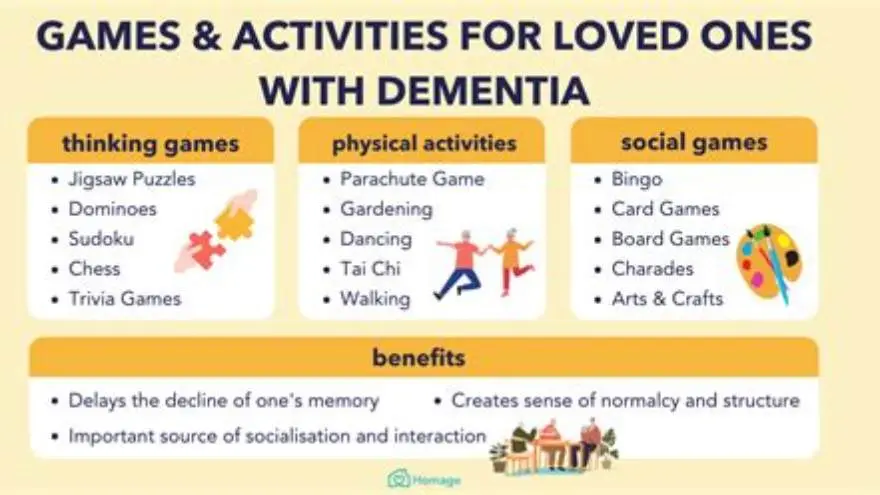
The best table top activities for dementia depend on stage: early stages suit puzzles and word games, mid stages need simpler crafts or sorting, late stages benefit from sensory items and assisted conversation cards.
On this page (8 sections)
- The short version
- Activities suitable for each dementia stage
- How to adapt table top activities for dementia
- Examples of engaging table top activities
- Why the Gentle Minds Activity Kit fits dementia table top needs
- How to plan table top activities for consistent engagement
- How large-print puzzles support dementia-friendly activities
- Questions people still ask
Part of our guide on printable word games for dementia patients
Choose calm, successful table top activities tailored to dementia stages with practical adaptations and ready-to-use printables.
| Early stage puzzles | Simple crosswords, word searches |
|---|---|
| Mid stage activities | Sorting, matching, crafts |
| Late stage focus | Sensory and conversation |
| Gentle Minds pages | 130+ printable sheets |
| Activity levels | 3 (Gentle, Easy, Steady) |
The short version
- Choose activities that fit the current dementia stage to avoid frustration
- Adapt puzzles by simplifying rules or using large print
- Use sensory and conversation-based activities in late stages
- Printable kits with levels of difficulty can save time
- Avoid overly complex or childish tasks to maintain dignity
Activities suitable for each dementia stage
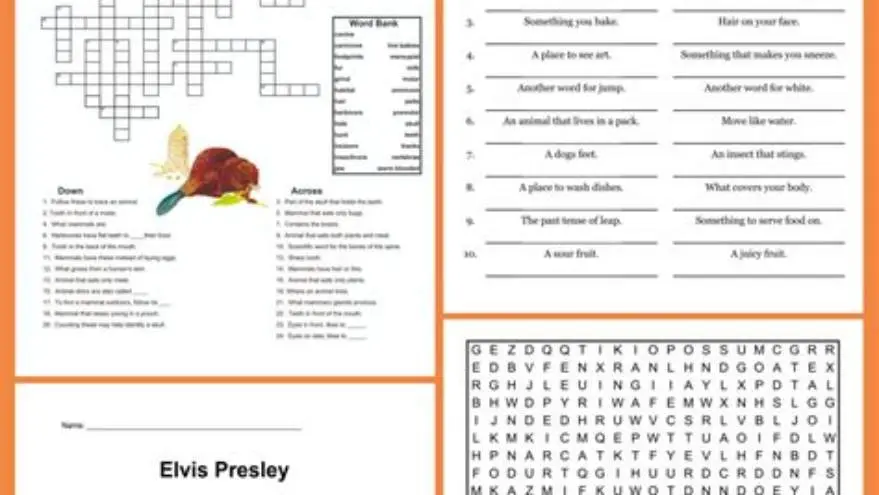
Early-stage dementia supports engagement with puzzles like large-print crosswords, sudoku, and word searches. These stimulate memory and cognition without overwhelming the user. Familiar themes help maintain interest. Look for activities that allow some independence and success.
Mid-stage dementia benefits from simpler, hands-on activities such as sorting objects by color or shape, matching cards, and easy crafts. These encourage focus and fine motor skills while reducing frustration. Activities should be short and repetitive to fit attention span changes.
Late-stage dementia calls for sensory stimulation and assisted participation. Gentle table top items like textured fabrics, sensory balls, or conversation cards can evoke memories and emotions. Direct interaction with a caregiver facilitates connection and reduces isolation.
| Stage | Activities | Engagement level | Typical attention span |
|---|---|---|---|
| Early | Large-print puzzles, word games | Independent to light help | 15-30 minutes |
| Mid | Sorting, matching, simple crafts | Moderate help | 5-15 minutes |
| Late | Sensory items, conversation cards | High help needed | Few minutes |
How to adapt table top activities for dementia
Adapt activities by simplifying rules and using large, clear print. Remove time limits and allow repeated attempts to reduce pressure. Break down tasks into smaller steps and provide visual or verbal cues. People in this spot often ask about printable dementia activities pdf as well.
Use sturdy materials and avoid small pieces that cause frustration or choking risks. Color code parts or enlarge images to accommodate low vision. Choose themes familiar to the participant's past to trigger positive memories.
For example, convert a standard crossword into a fill-in-the-blank word search with fewer words. Turn complex sorting into grouping by just two colors or shapes. Adapt puzzles by reducing piece count or creating partial images.
Adjust lighting to improve visibility during table top activities. Use natural light when possible or bright, non-glare lamps. Shadows and dimness can cause confusion and eye strain. Clear the space from clutter to minimize distractions. We go through printable alzheimer's patient activities step by step elsewhere on the site.
Include breaks between tasks to prevent fatigue and frustration. Dementia can reduce attention span and energy quickly. Short sessions of 10 to 15 minutes with rest intervals help maintain interest and reduce agitation. Watch for signs of tiredness or irritability.
Test materials before starting. Check that items are easy to grasp and not slippery. For example, use non-slip mats under paper or puzzles to keep them in place. This small step reduces frustration and keeps the focus on the activity.
- Simplify rules - remove timers and complex instructions
- Increase print size - use large fonts and clear layouts
- Use durable materials - avoid small, fragile pieces
- Incorporate familiar themes - evoke memories and ease
- Break tasks down - step-by-step guidance and cues
Examples of engaging table top activities
Large-print word searches and simple crosswords fit early-stage dementia well. They encourage recognition and recall without overloading. Use themed puzzles like holidays or nature for added interest. Before you commit to anything, it is worth looking at avoiding childish options.
Sorting games with colored buttons or shapes engage mid-stage dementia sufferers. Matching cards with images or colors provide sensory and cognitive stimulation. Crafts using easy-to-handle materials like clay or felt can also work.
For late-stage dementia, conversation cards paired with sensory objects like soft fabrics or scented items promote connection. Activities should focus on shared experiences and ease of participation rather than task completion.
Use familiar household objects like buttons, coins, or fabric scraps for sorting or matching. These items connect to past routines and make tasks more meaningful. For instance, sorting buttons by color or size can spark recognition and pride. The other half of this decision is large-print puzzles for reminiscence.
Create simple crafts using pre-cut shapes or large beads. For example, string large beads to make a necklace. Such activities engage fine motor skills and provide a tangible result to boost confidence.
Try memory games with personal photos. Arrange photos on the table and encourage naming or storytelling. This promotes conversation and emotional connection while keeping the activity focused and accessible.
- Early: large-print word games, photo puzzles
- Mid: sorting colored items, matching pairs, simple crafts
- Late: sensory balls, textured fabrics, conversation cards
Why the Gentle Minds Activity Kit fits dementia table top needs
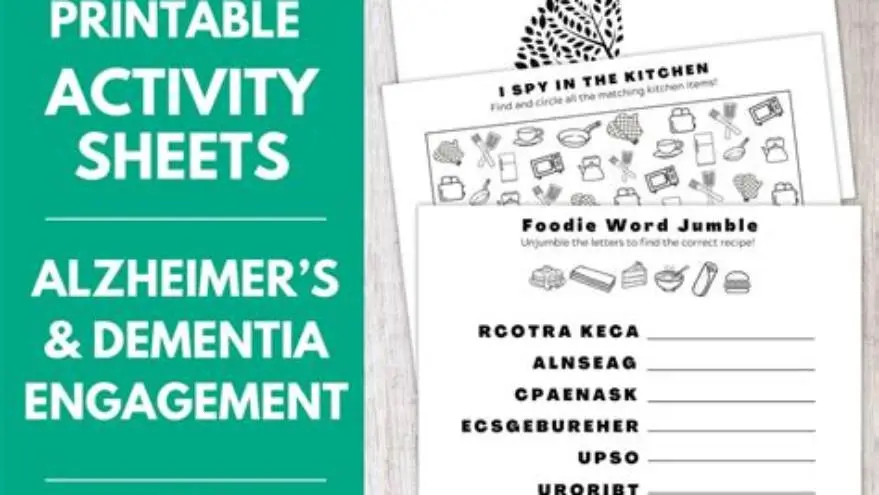
The Gentle Minds Activity Kit offers over 130 printable pages tailored for adults with memory loss. It bundles activities at three difficulty levels labeled Gentle, Easy, and Steady. This matches the progression from early to mid and late stages of dementia.
It includes conversation cards to stimulate dialogue alongside puzzles and games. A caregiver guide helps adapt activities and foster engagement. The large-print format suits users with low vision or cognitive changes.
This kit saves you time by providing ready-to-print, age-appropriate activities that avoid childishness or being too complex. It’s a practical way to keep loved ones involved and calm, with no wrong answers to increase confidence.
How to plan table top activities for consistent engagement
Plan weekly schedules with a mix of activity types and difficulties. Rotate between puzzles, crafts, and sensory items to sustain interest. Balance solo and assisted activities based on the person’s energy and mood.
Prepare materials in advance and set a calm environment. Avoid distractions like loud noise. Use daily planning pages and caregiver guides if available to track what works best.
Observe responses closely. Note which activities bring smiles or conversation. Adjust frequency and complexity accordingly. Flexibility avoids frustration and promotes success.
Include flexibility in your plan for days when your loved one feels tired or unwell. Swap a planned puzzle for a sensory activity like feeling textured fabrics. This keeps engagement without forcing effort.
Consider the time of day when planning activities. Many people with dementia function better in the morning or early afternoon. Schedule demanding tasks during peak alertness and reserve easier ones for later.
Invite family or friends to join table top activities occasionally. Social interaction adds motivation and joy. It also provides variety and shared memories, which can improve mood and participation.
- 1. Assess current cognitive and physical abilities
- 2. Choose activities matched to abilities and interests
- 3. Prepare all necessary materials beforehand
- 4. Set up a quiet, comfortable space for activity
- 5. Engage actively and offer help gently
- 6. Record reactions to guide future sessions
How large-print puzzles support dementia-friendly activities
Large-print puzzles reduce eye strain and confusion in people with low vision common in dementia. Bigger letters and simpler layouts help users recognize patterns and words more easily.
They offer a sense of achievement by fitting cognitive abilities and visual needs. Large-print formats also lower frustration by reducing errors from misreading.
Creating or sourcing large-print puzzles can be time-consuming. Tools like web-based puzzle creators help produce customized puzzles quickly. Alternatively, printable kits designed for memory loss save effort with pre-made content.
Questions people still ask
What if my loved one refuses to do table top activities?
Try gentle encouragement without pressure. Switch to sensory or conversation-based tasks. Sometimes mood or fatigue causes refusal. Offer choice and let the person lead when possible.
Can I use regular puzzle books for someone with dementia?
Standard puzzles often have small print and complex rules that frustrate dementia sufferers. Large print and simplified instructions work better. Adapt or select dementia-friendly versions where possible.
How often should I offer these table top activities?
Frequency depends on attention span and interest, usually 3-5 times a week. Keep sessions brief, 5-30 minutes. Observe responses to avoid exhaustion or boredom.
Are there free printable dementia-friendly activities available?
Yes, many sites offer free large-print word searches and simple puzzles. However, curated kits with graded difficulty and caregiver guides provide better engagement and ease of use.
How do conversation cards help in dementia activities?
They prompt memories and dialogue, reducing isolation. Cards with familiar topics encourage sharing stories and feelings, which boosts connection and emotional well-being.
Ready to try it? provides printable, large-print activities at three difficulty levels with conversation cards to suit all dementia stages
Get tailored activities now