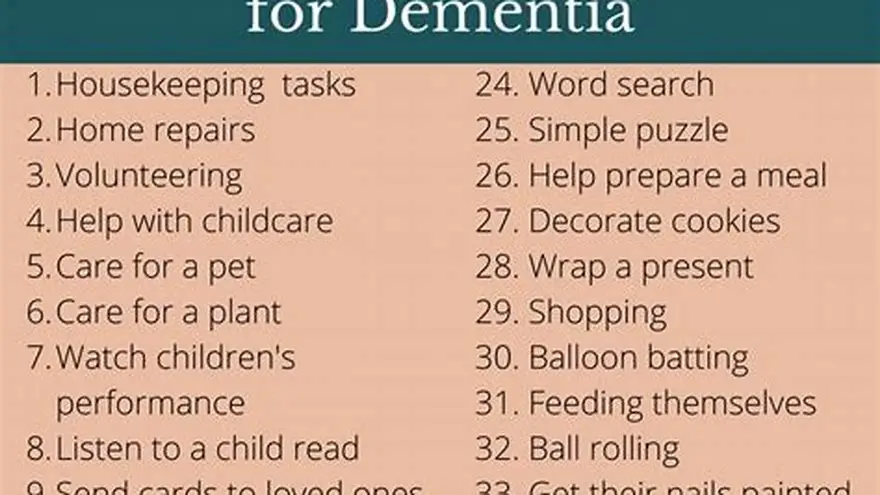
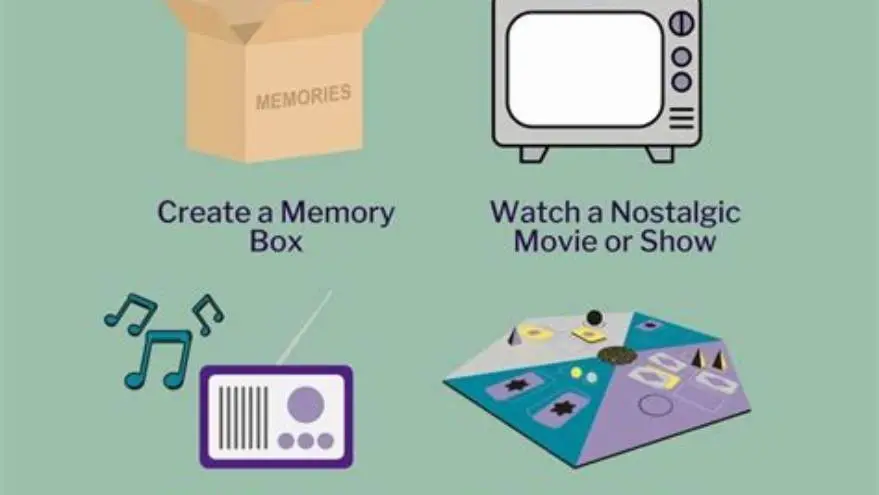
Printable dementia activities for seniors: large-print, easy-to-follow sheets
Printable activities designed for seniors with dementia use large print and simple instructions to reduce frustration and encourage calm engagement.
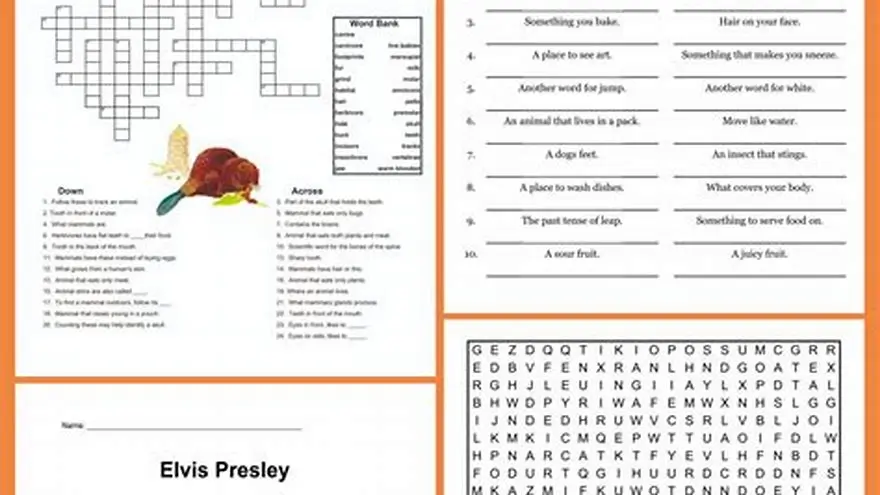
Printable activities for seniors with dementia work best when they combine large print, simple instructions, and levels of difficulty that match cognitive abilities to support calm and success, avoiding frustration and confusion.
On this page (8 sections)
- The short version
- Types of printable activities suitable for dementia stages
- How large-print supports usability for seniors with dementia
- Examples of easy-to-follow activity sheets for seniors with memory loss
- Printable activities for seniors with dementia
- Alternative ways to create printable dementia-friendly activities
- How to choose printable activities that bring calm and success, not frustration
- Questions people still ask
Part of the guide: Printable word games for dementia patients: what makes them easy and engaging
Printable activities tailored for seniors with dementia use easy-to-read large print and simple tasks to foster calmness and successful engagement.
| Print size | 18-24 point font |
|---|---|
| Activity levels | 3 levels common |
| Pages in kit | 130+ |
| Activity types | word searches, mazes, conversation cards |
| Print format | US Letter or A4 |
| Typical session | 15-30 minutes |
The short version
- Choose activities with large, clear print for easier reading
- Match activity difficulty to the dementia stage to keep engagement positive
- Use familiar or memory-triggering content to encourage connection
- Printable kits with varied levels help adapt as abilities change
- Avoid puzzles that require complex reasoning or fine motor skills
Types of printable activities suitable for dementia stages
Effective activities for seniors with dementia vary by the stage of cognitive decline. Early-stage individuals often handle simple puzzles like large-print word searches or easy crosswords that stimulate memory without causing overwhelm.
Middle stages benefit from very simple matching games, coloring pages, or guided story prompts that avoid frustration but encourage recognition and conversation. Activities should not require advanced reasoning or multiple-step logic.
In later stages, focus shifts to sensory activities and familiar pictures or themes that elicit memories and calm behavior. Large-print picture-based matching or basic mazes can work if kept very simple.
Adjusting activity difficulty as dementia progresses prevents feelings of failure. Using printable sheets that offer multiple difficulty levels supports this adaptation. It helps to understand engaging dementia activities for seniors before going further.
How large-print supports usability for seniors with dementia
Large-print puzzles typically use fonts sized between 18 and 24 points, improving readability for seniors with declining vision or cognitive slowing. This reduces eye strain and confusion.
Clear, uncluttered layouts with high contrast between text and background also help users focus and reduce distractions. Avoiding visual clutter supports comprehension.
Large-print supports caregivers by making instructions and answers easier to see, which aids prompt assistance and encourages independence in completing activities. We cover home activities for dementia patients in its own article.
Using printable materials designed for large print often means pages are formatted in US Letter or A4 sizes, which fit common printers and allow comfortable handling.
Selecting fonts with consistent stroke width and avoiding decorative or script styles also enhances readability for seniors with dementia. For example, sans-serif fonts like Arial or Verdana are preferred since serifs can blur or confuse letter shapes as vision declines.
Spacing between lines and characters matters: 1.5 line spacing and slightly increased letter spacing reduce crowding and improve recognition. Margins should keep text away from edges, preventing visual clutter and allowing easier page handling.
Testing print samples under different lighting conditions helps confirm usability. Seniors with dementia often have altered contrast sensitivity, so checking that large-print materials remain clear in dim rooms or with glare ensures practical effectiveness. Adjusting contrast ratios between 70% to 90% can be beneficial.
Examples of easy-to-follow activity sheets for seniors with memory loss
Printable activity sheets for seniors with dementia include large-print word searches with familiar themes like seasons, holidays, or everyday objects to trigger recognition and conversation.
Simple mazes with broad paths and clear start and end points encourage problem-solving without frustration. Coloring pages featuring large, simple shapes also provide sensory engagement.
Conversation cards with prompts related to personal memories or common life experiences stimulate social interaction and recall. They often accompany activity kits.
Activities with a no-wrong-answer approach and caregiver guides help maintain positive experiences, reducing anxiety and confusion.
A worked example of an easy-to-follow activity sheet is a large-print word search focused on common fruits. The grid uses 18-point Arial font with a simple 10x10 letter matrix. Words like APPLE, BANANA, and PEAR appear horizontally or vertically only, avoiding diagonal complexities.
This layout prevents confusion since diagonal or backward words can frustrate users with memory loss. The word list is in a separate large-print column to the right, so the user can easily check off found words, promoting a sense of achievement.
Caregivers can confirm success by counting the number of found words together after the activity. If the senior locates 7 out of 10 words without distress, the difficulty suits their ability. Repeating similar sheets with slightly different word lists builds familiarity and confidence.
- Word searches: large print, familiar words, simple grids
- Mazes: wide paths, clear goals, minimal complexity
- Coloring pages: bold outlines, simple images
- Conversation cards: memory prompts, easy language
Printable activities for seniors with dementia
Printable activities designed specifically for seniors with dementia combine large-print formatting, simple instructions, and levels of difficulty that respect changing cognitive abilities. They avoid overly complex puzzles that cause frustration.
The Gentle Minds Activity Kit offers over 130 large-print pages with activities grouped into Gentle, Easy, and Steady levels. This tiered approach lets caregivers select appropriate challenges based on the senior's current abilities.
Included conversation cards stimulate meaningful discussion and memory recall, while the caregiver guide offers tips for facilitating engagement and managing difficulties. Activities can be reprinted as needed, making the kit practical for ongoing use.
While not a medical or therapeutic product, this kit focuses on enjoyment, calmness, and social connection through engaging, dementia-appropriate printables.
Alternative ways to create printable dementia-friendly activities
You can manually create suitable printable activities using free word processors or design tools by selecting large fonts (18-24 points), high contrast colors, and simple layouts.
Free online puzzle generators provide basic word searches or mazes that you can customize for size and difficulty, but they rarely include guidance on dementia-appropriate content or conversation prompts.
Publishing tools like BigPrint Puzzle Studio help produce large-print puzzles quickly, but they lack dementia-specific adaptations such as graded difficulty or caregiver instructions.
Combining free resources with printed sheets from public domain or library materials can fill gaps, though requires more time and care to ensure suitability and avoid frustration.
- Cost-effective using free tools
- Customize themes and fonts
- Control over content complexity
- Time-consuming to design well
- No built-in caregiver guidance
- Lacks dementia-specific content
How to choose printable activities that bring calm and success, not frustration
Start by assessing the senior’s current memory, attention span, and vision to select activities that neither underwhelm nor overwhelm. Too easy can bore; too hard can frustrate.
Avoid timed or score-based puzzles; instead, focus on activities with no wrong answers and open-ended conversation prompts. This encourages participation without anxiety about performance.
Use activities with familiar themes or sensory elements that connect to the senior’s life experience. Personal relevance reduces confusion and supports calm engagement.
Rotate activities regularly to maintain interest, but keep formats consistent to build confidence. Support completion with friendly guidance and encouragement.
- 1. Evaluate cognitive and sensory abilities
- 2. Select large-print sheets with matching difficulty
- 3. Choose familiar, simple themes and instructions
- 4. Encourage conversation with memory prompts
- 5. Support, do not rush, during activities
Questions people still ask
Are printable activities suitable for all stages of dementia?
Printable activities can be adapted for each dementia stage by adjusting difficulty and complexity. Early stages handle more challenging word puzzles; later stages benefit from simple sensory or memory-focused activities.
Why is large print important for seniors with dementia?
Large print, typically 18-24 points, improves readability for seniors with vision decline and cognitive slowing, reducing frustration and helping focus on the task.
Can printable activities replace therapy or medical treatment?
No. Printable activities support engagement and calm but do not treat or improve dementia medically. They complement care by enhancing quality of life.
How can caregivers use conversation cards effectively?
Conversation cards with memory prompts encourage storytelling and social connection. Caregivers should allow time for responses and gently guide discussions without pressure.
Is it better to buy a complete activity kit or create printables myself?
Kits designed for dementia save time by including graded activities and caregiver guides. DIY printables offer customization but require more effort to ensure suitability.
How often should activities be rotated or changed?
Changing activities weekly or biweekly maintains interest. Keep formats consistent to build confidence but introduce new themes to avoid boredom.
Ready to try it? It provides large-print, dementia-appropriate activities at three levels with caregiver guidance, solving the challenge of finding suitable printables for memory loss.
Try Gentle Minds Kit