Montessori activities for dementia: printables matched to care stages
Printable Montessori activities matched to dementia stages help caregivers select calming, achievable tasks that engage without frustration.

Printable Montessori activities for dementia should match the care stage, focusing on calm, success, and engagement. The Gentle Minds Activity Kit offers 130+ large-print pages at three difficulty levels, suited for memory loss and dementia.
On this page (8 sections)
- The short version
- What Montessori activities help dementia patients
- How to select Montessori tasks per dementia stage
- Where to find free printable Montessori dementia activities
- Tips for using Montessori methods with adults with dementia
- Printable Montessori activities for dementia patients
- How to select and use Montessori printables for dementia care
- Questions people still ask
Part of our guide on large print activity book for dementia patients
Printable Montessori activities for dementia matched to care stages keep tasks achievable, calm, and respectful for adults with memory loss.
| Printable pages | 130+ |
|---|---|
| Difficulty levels | 3 |
| Activity types | Puzzles, games, cards |
| Suitable for | Adults with memory loss |
| Print formats | US Letter, A4 |
The short version
- Select activities by dementia stage to avoid frustration.
- Focus on tasks that promote calm and success.
- Printable kits ease finding suitable activities.
- Large print improves accessibility for vision loss.
- Use conversation cards to encourage engagement.
What Montessori activities help dementia patients
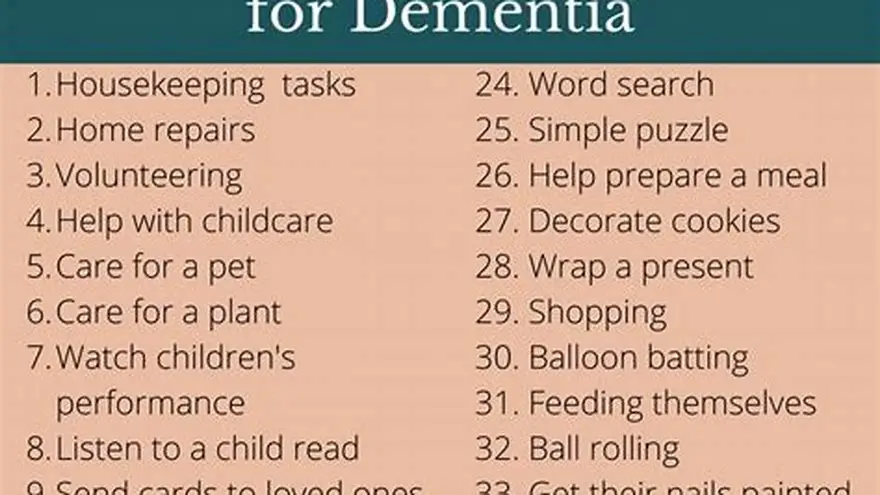
Montessori activities for dementia focus on simple, meaningful tasks that stimulate the senses and memory without causing stress. Examples include sorting objects by color or shape, matching cards, and large-print puzzles.
Activities that engage motor skills, recognition, and recall support cognition gently. They avoid overwhelming the person by being achievable and familiar.
Using real, everyday objects or high-quality printables with clear visuals maintains dignity and interest. This approach helps maintain skills and promotes calm through success.
Activities that involve sorting familiar household items, like buttons or utensils, help trigger recognition through touch and sight. These tasks encourage fine motor skills and can be adjusted by varying the number of items or sorting criteria. For example, sorting 10 colored buttons by color is a simple task suitable for early dementia, while sorting 20 by color and size adds moderate challenge for mid-stage. There is more on picking tasks that hold interest in a separate guide.
Some Montessori activities use music and rhythm to engage patients. Clapping or tapping along to a beat or matching sounds to pictures can stimulate brain areas linked to memory and emotions. These sensory-rich activities often work well for mid to late-stage dementia when verbal communication declines, providing joy and reducing anxiety.
How to select Montessori tasks per dementia stage
Match activity complexity to the person’s dementia stage to prevent frustration. Early-stage individuals can handle sorting, matching, and simple word puzzles.
Mid-stage dementia suits more guided tasks like tracing shapes, large-print crosswords, or sequencing cards with caregiver support. We cover dementia activities for seniors in its own article.
Late-stage activities simplify further: repetitive sensory tasks, large-piece sorting, or conversation prompts with pictures. Success and calm are key here, not challenge.
The stage of dementia can fluctuate day to day, so flexibility in task selection is key. If a person shows increased confusion one day, switch to a simpler task or sensory activity. For example, a patient who usually does matching cards might instead enjoy touching different textured fabrics for a while.
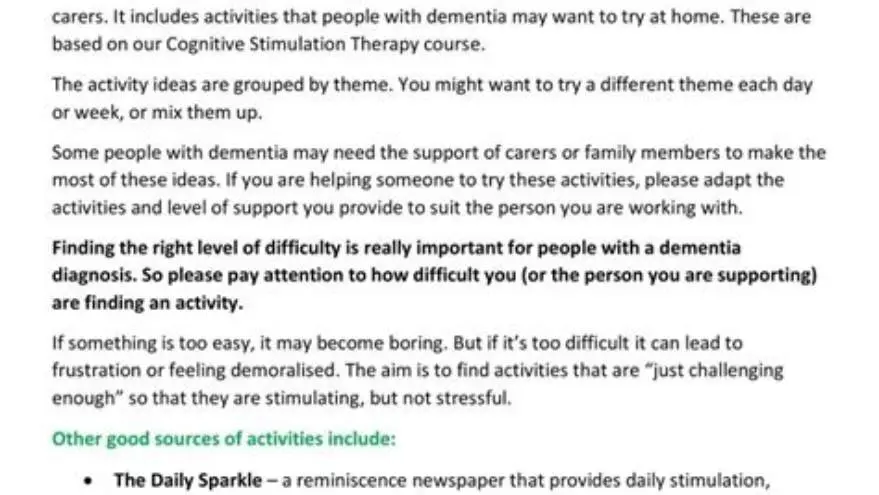
Caregivers should watch for signs of frustration or fatigue during activities. If a person repeatedly struggles with a task or seems upset, drop the difficulty level or switch to a calming sensory activity. Maintaining a positive experience is more important than completing a task perfectly. It helps to understand activities for non-reading dementia patients before going further.
Timing also affects task success. Morning hours often suit cognitive activities when the person is more alert. Afternoons might be better for passive sensory tasks like listening to music or looking at photo albums. Adjust the activity schedule to the individual’s daily rhythms.
Some individuals with dementia may have uneven abilities across different cognitive areas. For example, a person could handle matching shapes well but struggle with sequencing cards. Tailor Montessori tasks to the strongest skills to keep success high. If a patient excels at sorting colors but not at word puzzles, favor color sorting activities even in mid-stage dementia.
Caregivers can use simple observation charts to track which tasks work best on certain days. Note signs like engagement duration, facial expressions, and verbal responses. This data helps adjust activity plans weekly or monthly. For instance, if a late-stage patient shows less agitation during sensory tasks involving fabric textures than with picture matching, increase sensory options. For the detail, see our notes on do dementia patients make up stories.
Some days the person may resist activity altogether. In those cases, offer very passive Montessori methods such as looking through photo albums or listening to familiar songs. This respects fluctuating attention spans and energy. The goal is not to force tasks but to find moments of calm and connection. Even a five-minute session focused on soothing sensory input can benefit mood.
- Early stage: sorting, matching, simple puzzles
- Middle stage: tracing, sequencing, guided puzzles
- Late stage: sensory tasks, simple sorting, memory aids
Where to find free printable Montessori dementia activities
Free printables are available on senior activity sites, dementia resource pages, and some caregiving organizations. These include large-print word searches, mazes, and simple matching games.
The Large Print Word Search Maker tool lets you create word searches with custom words and answers, free and printable in large formats.
Be cautious: many free options are overly simple or childish. Choose printables designed specifically for adults with memory loss to ensure respect and usefulness.
Many websites provide free printable Montessori activities specifically designed for dementia care. Some include caregiver tips to tailor tasks by ability level. For example, the Alzheimer’s Association offers large-print word puzzles and themed matching cards that can be downloaded and printed.
Besides free sources, some online platforms allow customization of printables. You can upload personal photos or familiar words to create connection and meaning. This customization enhances engagement by linking activities to the person’s life history.
Check printables for adult-appropriate images and content. Avoid anything that looks childish or simplistic, as it can cause embarrassment or disengagement. Choose designs with clear fonts and neutral backgrounds to help focus attention.
Printables designed for dementia care differ from general puzzles by focusing on simplicity and clarity. They feature minimal text, high contrast colors, and familiar images to reduce cognitive load. For example, matching cards often use photos of common objects like fruits or animals rather than abstract shapes.
Some printable sets include step-by-step caregiver instructions and tips for adapting difficulty. This guidance helps tailor tasks to individual needs and ensures activities remain respectful and engaging. For example, a printable matching game might suggest using fewer cards or larger images for late-stage dementia.
When printing Montessori activities, consider paper quality and size. Use heavier stock to prevent pieces from curling or tearing during handling. Print on A4 or US Letter with margins to allow room for cutting. Laminating pages extends durability and allows reuse with dry-erase markers for tracing or marking answers.
- Senior activity websites: free large-print puzzles
- Dementia support organizations: printable resources
- Custom tools: Large Print Word Search Maker
Tips for using Montessori methods with adults with dementia
Present activities calmly and patiently, allowing plenty of time. Avoid rushing or correcting mistakes to reduce frustration.
Use conversation cards to stimulate memories and encourage talking. This fosters connection and adds meaning beyond the task.
Repeat favorite activities often to build confidence and routine. Vary tasks slightly to maintain interest without overwhelming.
Keep print size large and visuals clear. Reduce background clutter on materials to focus attention.
Observe how the person responds physically and emotionally during activities. Signs like smiling, humming, or focused attention indicate success. If you see fidgeting, withdrawal, or agitation, try a different task or simplify instructions.
Encourage independence by letting the person do as much as they can without help. Only step in to guide gently when needed. This respect for autonomy supports self-esteem and motivation.
Prepare the materials in advance and keep the activity space organized. Having all items ready reduces confusion and helps maintain calm. Use trays or containers to keep pieces together and prevent loss.
Set up the activity area with familiar objects and minimize distractions. Turn off TVs and radios unless using music as part of the task. Clear the table of unrelated items to help focus attention. Arrange materials within easy reach to promote independence.
Watch for subtle signs of stress during activities, such as tight gripping, rapid blinking, or sighing. These indicate the need for a break or simpler task. Resuming after a calming pause often improves cooperation and mood.
Celebrate small successes enthusiastically to boost confidence. Say things like “Great job matching those colors!” or “You finished the puzzle piece perfectly.” Positive reinforcement encourages continued participation and maintains dignity.
- Present calmly, allow time
- Use conversation cards for engagement
- Repeat favorites, vary slightly
- Ensure large, clear print and visuals
Printable Montessori activities for dementia patients
The Gentle Minds Activity Kit offers over 130 printable pages with activities at three difficulty levels: Gentle, Easy, and Steady. These cover puzzles, matching, tracing, and conversation cards.
Activities use large print and simple, dignified designs suitable for adults with memory loss. The kit includes caregiver guides and daily planning pages to organize tasks easily.
It helps caregivers avoid childish or frustrating activities by matching tasks to the user's ability. The print-ready files come in US Letter and A4 sizes, ready to print multiple times.
The kit does not provide therapy or medical treatment but supports engagement and calm through appropriate activities. It fits well when you need a reliable, ready-to-use printable Montessori resource matched to dementia stages.
How to select and use Montessori printables for dementia care
1. Assess the person's current abilities and stage of dementia.
2. Choose printables with large clear print and simple instructions.
3. Print activities in manageable batches to avoid overload.
4. Introduce activities gently, noting engagement and frustration levels.
5. Use conversation cards to encourage sharing memories and connection.
6. Adjust difficulty by choosing the Gentle, Easy, or Steady activity levels.
7. Repeat favored activities regularly for familiarity.
8. Keep the environment quiet and distraction-free during activity time.
- Assess dementia stage and abilities
- Select large-print, clear activities
- Print manageable sets
- Observe engagement and adjust
- Use conversation cards for talk
- Choose appropriate difficulty level
- Repeat favorites for routine
- Control environment distractions
Questions people still ask
Are Montessori activities effective for dementia care?
Montessori activities engage senses and cognition gently, helping maintain skills and reducing agitation. Effectiveness depends on matching tasks to abilities and using them consistently.
Can I create Montessori printables myself?
Yes, tools like the Large Print Word Search Maker help you create custom printables. However, curated kits save time and ensure tasks suit dementia stages.
How do I avoid making Montessori activities too hard?
Evaluate the person's current skills and choose activities that can be completed with some success. Adjust complexity downward if frustration rises.
What if my loved one loses interest quickly?
Offer a variety of activities, include conversation cards, and keep sessions short. Repeat favorite tasks to build routine and comfort.
Do Montessori activities replace medical treatment?
No. They support engagement and wellbeing but do not treat or cure dementia.
Ready to try it? It provides printable Montessori activities tailored to dementia stages, with large print and caregiver guides, easing activity selection and use.
Get printable Montessori activities