Dementia storytelling: how to tell if patients make up or recall stories
Understand why dementia patients create or repeat stories and how to distinguish made-up tales from confused memories.

Yes, dementia patients sometimes make up stories or fill gaps in memory with fabricated details, usually to compensate for lost or confused memories due to brain changes.
On this page (8 sections)
- Key takeaways
- Do dementia patients make up stories
- Why dementia patients create or repeat stories
- How to recognize when stories are fabricated versus confused memories
- How dementia storytelling affects activities for seniors
- Dementia storytelling how to tell if patients make up or recall stories
- How to provide large-print, calming activities that reduce storytelling
- Questions people still ask
Part of our guide on playlist for sundowning hours
| Memory gaps filled | common in dementia |
|---|---|
| Storytelling purpose | comfort or explanation |
| Recognition clues | consistency & emotion |
| Best activities | calm & success-focused |
| Large print size | 16-24 pt typical |
Key takeaways
- Dementia patients often create stories to fill memory gaps or seek comfort.
- Fabricated stories differ from confused memories by their consistency and emotional tone.
- Recognizing storytelling helps caregivers respond with patience and calm activities.
- Large-print puzzles and gentle activities reduce frustration that triggers storytelling.
- Using tools like BigPrint Puzzle Studio can help provide engaging, clear activities for seniors.
Do dementia patients make up stories
Dementia patients can and often do create or 'make up' stories. This behavior, sometimes called confabulation, arises because the brain cannot retrieve accurate memories. Usually, these stories fill in missing pieces in their recall. It’s not lying; the brain is trying to make sense of gaps in memory under confusing conditions.
The stories might involve past events, current situations, or imagined explanations for what the patient experiences. They often have a consistent emotional tone, such as reassurance or fear, and may change depending on the day or context. The fabrication is not deliberate deception but a coping mechanism.
Depending on the dementia type and stage, storytelling occurs with varying frequency. Early dementia may show fewer confabulations, while mid-to-late stages often see more frequent and elaborate stories. The behavior reflects brain damage rather than personality or intent.
Why dementia patients create or repeat stories
Memory loss in dementia creates holes the brain tries to fill. When factual recall fails, patients invent stories to maintain a coherent sense of reality. These stories reduce anxiety caused by confusion or gaps in memory. Before you commit to anything, it is worth looking at easy dementia puzzles.
Repetition of stories may come from the comfort they provide or because the patient forgets having told them before. This can also be a way to seek attention or connection when communication becomes difficult.
Emotional needs are major drivers: stories may reestablish identity, explain current surroundings, or avoid admitting loss or vulnerability. The brain prioritizes emotional meaning over factual accuracy in these narratives.
Caregivers who understand this can respond with empathy and redirect to calming activities, preventing frustration that worsens storytelling or agitation. Before you commit to anything, it is worth looking at dementia printable puzzles.
Another reason dementia patients create or repeat stories is the brain’s struggle to maintain a sense of identity amid cognitive decline. When personal history becomes fragmented, storytelling acts as a vehicle to preserve continuity of self, even if details are inaccurate. This can explain why certain themes or events recur frequently, reflecting core aspects of the person’s life or values.
In some cases, storytelling may increase during periods of stress, change, or fatigue. For example, a patient might fabricate comforting narratives more often after disruptive hospital stays or when routines are altered. Recognizing these triggers helps caregivers anticipate and gently redirect storytelling before it escalates.
How to recognize when stories are fabricated versus confused memories
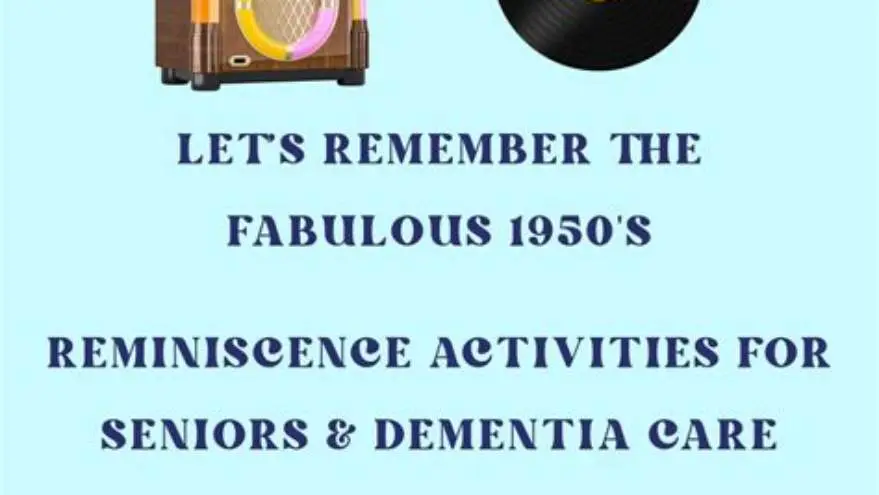
Fabricated stories often show clear signs: they might be elaborate, repeat unchanged, or conflict with reality. Confused memories tend to be vague, inconsistent, or blend fact with error. Before you commit to anything, it is worth looking at reminiscence activities seniors 1950s.
Look for these clues: fabricated stories usually have an emotional or explanatory purpose; confused memories are more fragmented and lack coherent narrative.
Checking details sensitively can help. If the patient insists on a story that doesn’t fit known facts but is delivered calmly, it’s likely fabrication. If their memory shifts or contradicts itself frequently without firm conviction, it’s confusion.
Recognizing this difference guides caregivers on how to respond: with validation and distraction for fabricated tales; with gentle correction or reassurance for confused memories. We cover how to choose puzzles for someone with dementia in its own article.
It can be helpful to consider the context in which stories arise. Fabricated tales often appear when the patient is asked direct questions or feels uncertain, whereas confused memories may surface spontaneously during casual conversation.
A simple check is to observe the patient’s reaction to gentle correction. If they become defensive or avoidant, it may indicate a fabricated story serving an emotional need. If they accept clarifications and move on, their memory is likely confused but not deliberately distorted.
For example, if a patient insists they are going to work despite being retired for years, this may be a confabulation. But if they mix up dates of recent events or names, this points to confusion. Understanding these nuances allows for more effective communication strategies. For the detail, see our notes on early stage dementia word games.
| Feature | Fabricated Stories | Confused Memories |
|---|---|---|
| Consistency | Usually consistent and repeated | Inconsistent and variable |
| Emotional tone | Often strong and purposeful | Often vague or anxious |
| Relation to facts | Often contradicts facts | Mix of true and false details |
| Purpose | Explains or reassures | No clear purpose |
How dementia storytelling affects activities for seniors
Storytelling can reflect unmet emotional needs or boredom. Activities that frustrate or confuse can trigger more frequent or elaborate stories as the person struggles to make sense of their experience.
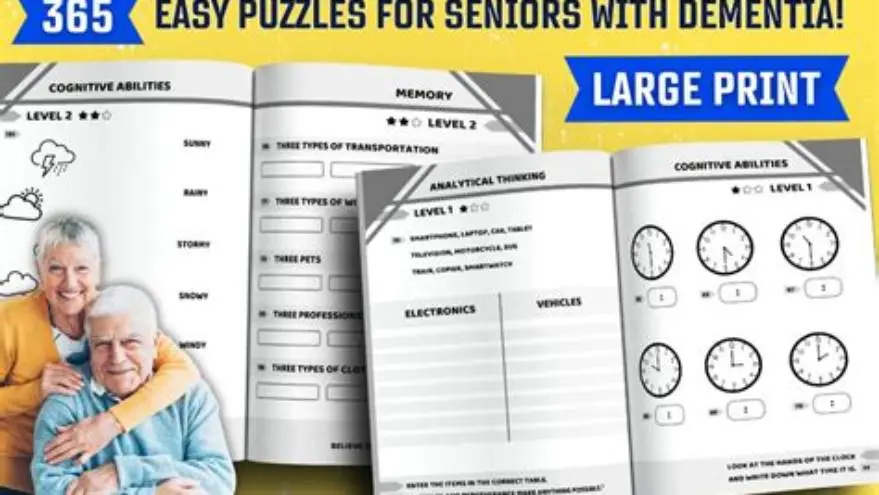
Choosing activities that bring calm and a sense of success reduces the need for storytelling. Large-print puzzles, word games, and simple structured tasks provide focus and satisfaction, lessening anxiety and confusion.
For example, puzzles with clear, easy-to-read print and manageable challenge levels help keep the mind engaged without overwhelming. This engagement fills time positively and reduces storytelling driven by restlessness or frustration.
Caregivers should select activities tailored to cognitive and visual abilities, avoiding tasks beyond the person’s current skills, which can increase confusion and storytelling.
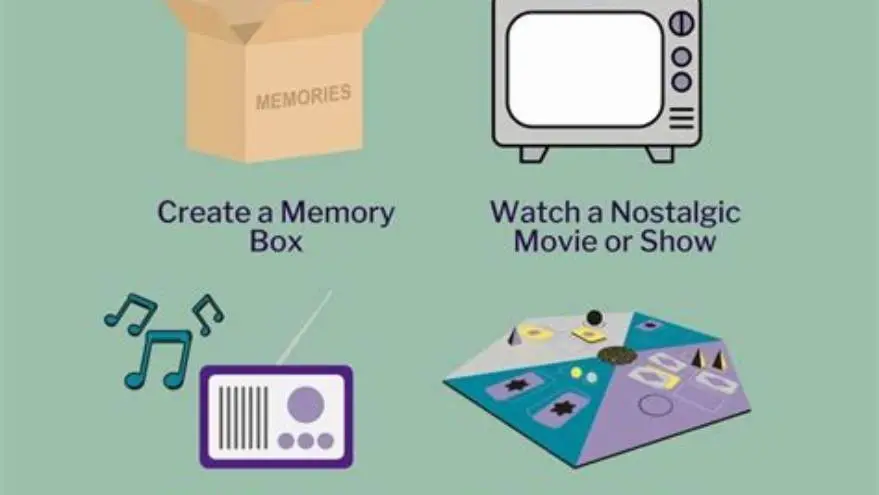
In addition to reducing storytelling, well-chosen activities can provide meaningful social interaction, which itself decreases anxiety and the need for fabricated narratives. Group games or reminiscence sessions using photos and music can stimulate genuine memory recall and emotional connection.
It is important to monitor how the person responds to activities; signs of frustration, fatigue, or boredom indicate the need to switch tasks or simplify them. Keeping activities within the individual’s comfort zone minimizes confusion and the resulting stories that attempt to explain their experience.
Even short, frequent sessions are better than long, demanding ones. For example, a 15-minute large-print word search followed by a chat about the words found can yield positive engagement without overwhelming the person. This balance supports cognitive function and emotional wellbeing.
Dementia storytelling how to tell if patients make up or recall stories
The key to telling if a dementia patient is making up stories or recalling actual memories lies in observation of detail, emotion, and consistency over time. Fabricated stories serve emotional needs, while genuine memories—even if confused—have some grounding in past reality.
Caregivers can track repeated stories, noting which ones remain stable and which shift. Stable, detailed stories that conflict with reality are likely confabulations. Memories that shift or fade suggest confusion.
Engaging the patient with gentle questions about their stories can reveal whether they know they’re creating explanations or struggling with recall. Offering supportive responses rather than corrections encourages trust and reduces anxiety.
Using large-print puzzles and memory-friendly activities alongside storytelling can provide calm structure and help manage symptoms by focusing attention away from confusion.
How to provide large-print, calming activities that reduce storytelling
Creating or sourcing puzzles in large print (sizes 16-24 pt) with simple instructions and familiar themes gives dementia patients a sense of accomplishment. This success reduces anxiety that often leads to storytelling.
BigPrint Puzzle Studio is a useful tool for activity planners and family caregivers. It helps make custom large-print puzzle books quickly with clear type and age-appropriate content. This lets you tailor activities that engage and soothe the person with dementia.
If you prefer free methods, printable large-print word searches or crossword puzzles from reputable senior activity sites are an option, though less customizable. Combining gentle physical movement or music with puzzles adds sensory comfort.
Keep in mind, no puzzle or activity stops storytelling completely, but consistent, calming engagement often eases the behavior and improves quality of life.
Questions people still ask
Is dementia storytelling the same as lying?
No, dementia storytelling is usually confabulation, a brain-driven attempt to fill memory gaps, not intentional lying or deceit.
Can storytelling in dementia be stopped?
It cannot be stopped completely but can be reduced by providing calm, successful activities and responding with patience rather than correction.
How can I tell if a story is made up or a real memory?
Look for consistency, emotional tone, and fit with known facts. Fabricated stories are usually stable and emotional; confused memories are inconsistent and vague.
What types of activities help reduce storytelling in dementia?
Activities with clear instructions, large print, and manageable challenge levels, such as word searches, sudoku, or crosswords, help keep the mind focused and reduce anxiety.
Can I make my own large-print puzzles for a loved one with dementia?
Yes, tools like BigPrint Puzzle Studio allow easy creation of large-print puzzles tailored to the person’s interests and abilities, helping keep them engaged.