Dementia Printables That Fit the Person in Front of You
Printable activities for seniors with dementia work when they match what the person can do. Those who read and plan get full puzzles. Those who follow one step get matching and sorting sheets. Once words have gone, print bold images and texture cards.
On this page (8 sections)
- Quick recap
- Printable activities for seniors with dementia start with ability
- Printables when reading and planning still work
- Printables when one step at a time is the limit
- Printables when words stop working
- Why the same sheet works one month and fails the next
- Free printables for every level, and a folder that keeps them straight
- Still wondering?
Part of our guide on features that aid memory and engagement
Key figures
- First test
- Can they start without help?
- First level
- Full puzzles, planning pages
- Middle level
- Small grids, one step
- Last level
- Sorting, texture, bold images
- Print extras
- Two or three copies
- When to stop
- Swap the sheet, never push
Quick recap
- Match the sheet to what the person can do today, not to a stage label.
- The prompt count tells you the level.
- Spare copies mean mistakes cost nothing.
- Free makers and your library cover the first level; make the rest yourself.
- Label every sheet with the level it suits.
Printable activities for seniors with dementia start with ability
Stage labels describe a general picture, not today's ability. It does not tell you what they can do this morning. Use three quick checks instead. Can they read a short clue and hold it in mind? Can they follow one step, then the next? Will they match a picture to its word? Those answers place the sheet, and the sheet changes when they change. Newspaper readers still handle crosswords. Someone who loses the thread halfway through a sentence needs a matching sheet. These sheets are activity, not therapy, and health questions go to their doctor.
Count the prompts. Sit beside the person for the first sheet. Count every time you step in: a word here, a finger on the line there, a reminder of what comes next. Zero or one prompt means the level is right. Three prompts means the sheet is too hard for today, so drop a level and try again tomorrow. Counts beat labels, because they measure this person on this day, not a stage on a chart. Write the count on the back in pencil, and the next helper starts from the same place.
Print two or three copies of every sheet. Mistakes stop mattering when a fresh copy sits underneath, and a second copy lets the person try again without asking. Choice helps too: offer a flower word search beside a bird one. Keep spares in the same folder, so a helper never hunts for them.
Printables when reading and planning still work
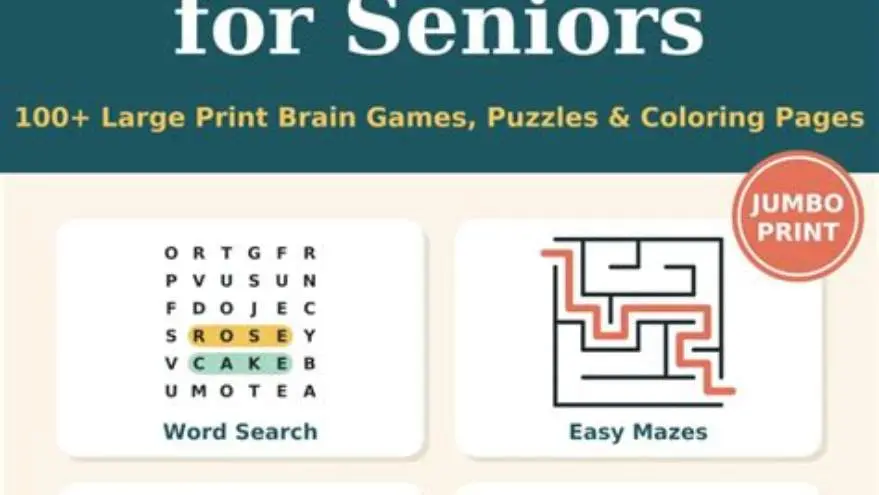
Full puzzles still work while the person reads the paper, follows a recipe and keeps a calendar. For a reader who can still work alone, aim for roughly a dozen to twenty words. If they finish in under ten minutes, add words. Crosswords work the same way: ten to fifteen plain clues. Sudoku starts with about half the grid filled. They can follow a sequence, spot a mistake and fix it. Start the print at 16 to 18 pt, and go bigger if anyone squints. Print on matte paper, not glossy: gloss throws glare under a lamp. Cream paper can feel easier on the eyes than bright white, so try one sheet of each. Use a plain sans-serif typeface with generous line spacing. If that sounds like your situation, read up on engaging dementia patients who can't read next.
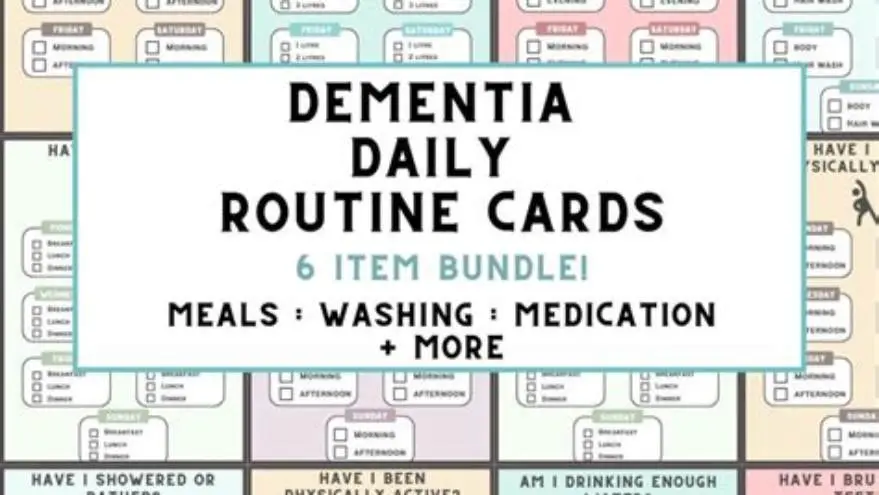
Conversation cards suit this level too. Cards that ask about a first job or a garden they grew give structure without demanding a right answer. They talk, you listen, and no fact gets tested. Daily planning pages help in the same way. A sheet with Morning, Afternoon and Evening boxes shows the shape of the day, even if the plan slips. Short passages with two or three questions work as well, when the topic is familiar: gardening, baking, a local landmark. Skip abstract topics and anything that needs yesterday's news.
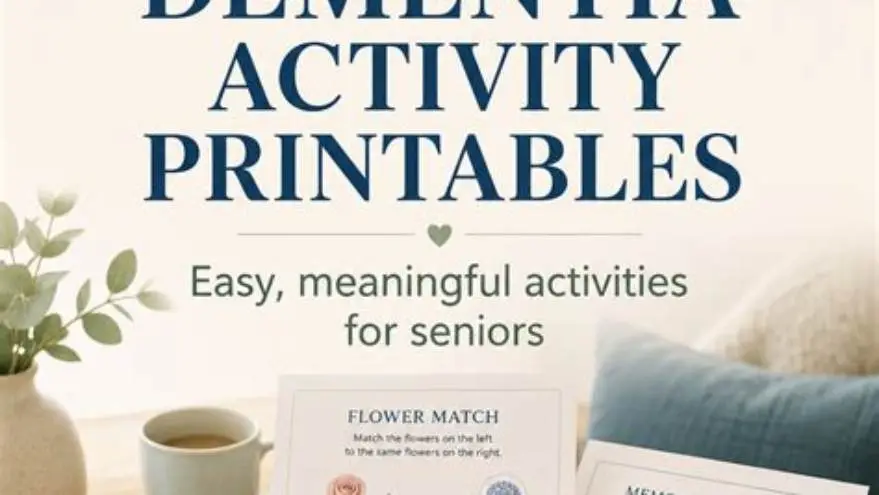
Our Gentle Minds Activity Kit covers this level with its Steady pages: full-size puzzles, planning pages and conversation prompts in large print. It suits a person who still works alone, not one who needs prompting.
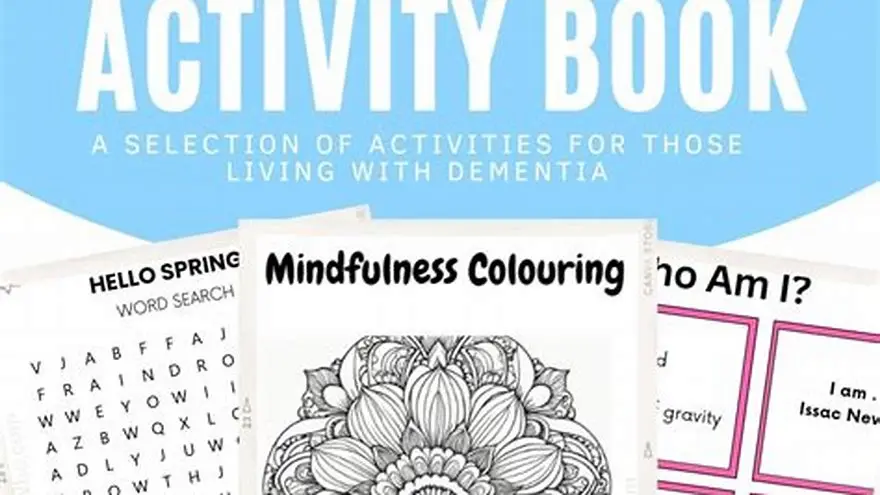
- Word searches: twelve to twenty words, familiar themes like food, nature or seasons
- Crosswords: ten to fifteen clues, plain definitions, no wordplay
- Sudoku: nine-by-nine grids, about half the numbers filled in
- Reminiscence cards: open prompts about the past, no right answer
Printables when one step at a time is the limit
When the person loses the thread halfway through a sentence, drop to sheets that ask for one decision at a time. Word searches with five to eight words on a small grid work: the person scans, finds and circles, then stops. Matching sheets work the same way. One column holds pictures of animals, the other their names, and the task is to draw a line between each pair. Each match is one decision, and the page fills with visible progress. Color-by-number fits here too: three to five colors, large numbered areas, and a key to follow. It helps to understand finding suitable designs for dementia before going further.
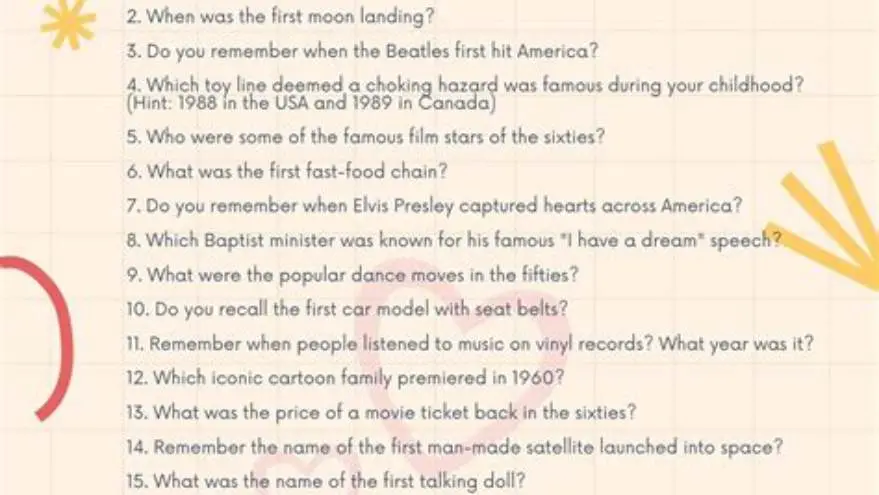
Reminiscence prompts with bold images do the heavy lifting at this level. A printed photo of an old-fashioned kitchen, a vintage car or a seaside pier, paired with one question: what does this remind you of? Images carry half the answer, and any answer fits, so the person cannot get it wrong. Conversation cards matter more than puzzles now. Our Gentle Minds kit includes Easy pages with image-and-prompt cards that need no names or dates. The helper reads the card, the person responds, and the talk is the point.
| Sheet | What it asks | What to skip |
|---|---|---|
| Small word search | Scan, find, circle | Grids over 8 by 8, more than 8 words |
| Picture matching | One line per pair | Abstract symbols, tiny images |
| Color-by-number | Follow the key, fill the space | More than 5 colors, fiddly outlines |
| Conversation cards | Answer a prompt out loud | Quizzes, dates, names of people |
Printables when words stop working
Once reading has gone and sentences come out in fragments, the sheet must work without words at all. Sorting cards do that. Cut large squares in red, blue and yellow from card stock, and the task is to make piles of matching colors. Each decision stands alone, and no pile is wrong. Bold images of faces, animals or familiar food trigger a look, a touch, sometimes a word.
Texture cards give the hands something to do. Glue fabric, foil, sandpaper or felt onto printed squares, and the person picks them up, rubs them and sorts them into rough and smooth. No words are needed, and no explanation either. Check every texture card before you hand it over. Sandpaper edges can scratch, foil can tear into sharp bits, and small pieces do not belong on the table when the person mouths objects. Before you commit to anything, it is worth looking at dementia coloring pages for adults.
Folding works the same way when the hands still cooperate. Print large dotted lines on plain paper, and the task is to fold along the line, or tear out a simple shape. Motion is the activity, and doing it twice is fine. Leave a sheet untouched for five minutes and it is the wrong sheet: swap it for another, and try the first one again another day.
- Color sorting: large squares in three bold colors, card stock, no words
- Big pictures: faces, animals, food, one per page, printed large
- Texture cards: fabric, foil, sandpaper, felt, glued to card
- Folding or tearing: dotted lines on plain paper, no instructions
Why the same sheet works one month and fails the next
Change comes over months, not days, and the sheet that worked in spring may fail by autumn. The signs are plain: the person pushes the sheet away, asks to stop, or sits without starting. Treat that as information, not refusal. Swap to an easier sheet, change the type, or come back to it tomorrow. Tasks that end in frustration teach the person to dodge the next one.
Watch the mistake, not the score. Someone who spots an error and crosses it out is still in charge of the sheet. Freezing after an error calls for a sheet with no wrong answers: sorting, matching, texture. Reactions matter, not error counts. A calm page helps too: bold lines, wide spacing, one task per sheet. Crowded sheets overwhelm before the person starts, however simple the task is. The other half of this decision is conversation starters for dementia care.
Reading often fades while recognition holds. Someone who cannot read a clue may still name a face in a photo. They may hum along to a song title, or sort cards by color without a pause. Build on what stays: the face, the tune, the color. When words go, pictures and touch carry the activity. That is why the last section's sheets work: they ask for what still works.
Free printables for every level, and a folder that keeps them straight
Free printables cover the first level without trouble. Free puzzle makers online turn a word list of your own into a printable sheet. Make a garden word search today, a bird one tomorrow, and the sheets stay fresh. Your local library is the other free source: many lend large-print puzzle books, and a librarian can point you to what they hold for adults.
Options thin out past the first level. Matching worksheets sit on teacher sites, but they are often made for children, and the pictures or language feel wrong for an adult. Bold images come free from photo libraries. One large image per page does it: a face, an animal, a bowl of apples, and the sheet is ready. Search the library for one big subject at a time: a smiling baby, a golden retriever, a bowl of apples. Take the largest size the library offers. Touch cards need only the card: fabric scraps, foil, sandpaper and felt, glued to squares cut from a cereal box. There is more on routine chart for dementia patients in a separate guide.
Keep three folders or envelopes: one for puzzles, one for talk and reminiscence, one for sorting and sensory sheets. When the level changes, move to the next folder instead of hunting through a pile. Label each sheet with the level it suits. Use pencil on the back, or a sticky note, so a new helper never has to guess. Keep extras of the favorites: the same bird word search three times running is success, not a problem.
- First level: free puzzle makers, your library's large-print books, planning templates
- Middle level: matching sheets from teacher sites, reminiscence photos, conversation cards
- Last level: bold images from free photo libraries, texture cards made at home
Still wondering?
Can a person with moderate dementia still do crossword puzzles?
Some can, if the clues are plain definitions, not puns or wordplay. Ten clues in large print with familiar words work better than a newspaper crossword. Needing help with more than half the clues means switching to a word search or a matching sheet.
How do I know when an activity is too hard?
Watch how often you step in. Stepping in again and again to start or finish the sheet means it is too hard for today. Pushing the sheet away, asking to stop, or sitting without starting all say the same thing. Put the harder sheet aside for another day.
Are coloring pages appropriate for adults with dementia?
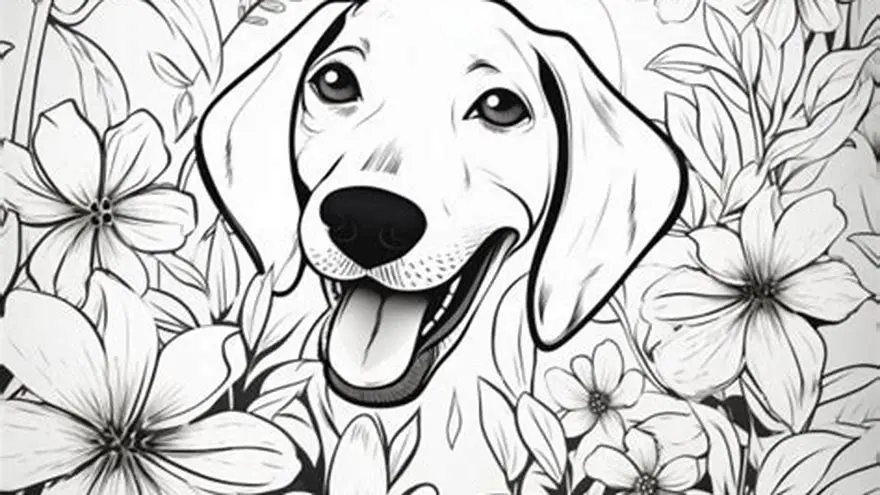
Yes, when the images are adult subjects: gardens, flowers, geometric patterns, not cartoon characters. Bold outlines and a small palette of three to five colors work best. Color-by-number suits the middle level; free coloring suits the last, when the person can still hold a marker.
Do I need to sit with the person while they do the activity?
Most people work alone on first-level sheets once the sheet is started. Middle-level sheets need you nearby to answer a question or offer a word of encouragement. Last-level sheets make you part of the activity. Hand over a card, point to an image, and talk through what they are looking at.
Can the same activity be used more than once?
Yes, and repetition is often the point. The person may not remember yesterday's sheet, and a familiar sheet feels safe. Three picks of the same word search, enjoyed each time, mean printing more copies.
Ready to try it? It includes activities at three difficulty levels, from full puzzles down to conversation prompts and bold images, so you can match the printable to the person's current stage.
See the three activity levels