How to Choose Coloring Pages an Adult with Dementia Will Enjoy
For an adult with dementia, the best coloring pages have large simple shapes, thick black outlines, a familiar subject, and plenty of white space. Many dementia-care organizations recommend keeping activities respectful and age-appropriate, and avoiding material that may feel infantilizing.
On this page (8 sections)
Part of our guide on activity book for adults with dementia
Key figures
- Shapes
- Large, single items
- Outlines
- Thick black, unbroken
- Subjects
- Familiar, one per page
- Layout
- White space between shapes
- Tools
- Thick markers or chunky pencils
- Session
- Stop when interest fades
Quick recap
- Judge every page by four features: large shapes, thick outlines, familiar subjects, clear layout.
- Keep the page adult: no cartoons, no childish themes, no text inside the design.
- Offer a few thick markers or chunky pencils, not a full box.
- Stop when interest fades. A few focused minutes count as success.
What makes coloring pages dementia-friendly?
Good pages work when four features line up. Shapes should be big enough to see, outlines thick enough to follow, subjects worth recognizing, and space enough to focus. Each feature removes one obstacle. Size helps failing eyesight. Outlines guide an unsteady hand. Familiar subjects spark recognition. White space keeps attention on one thing at a time. A page that gets all four right invites someone to start and lets them finish. A page that misses even one can end in frustration.
That guidance shapes every choice on this page. Adult subjects in large simple shapes respect the person coloring them. Cartoon animals and babyish themes do not, however simple their shapes are. Coloring is not a treatment, and it will not slow dementia down. What it gives is a calm activity with a finished page at the end, and a sense of purpose while doing it.
Use the four features as a test before you print anything. Hold the page at arm's length and ask three questions. Can I tell what it is at once? Can I see where each shape begins? Is there room to color without precision? If any answer is no, find another page. The test is quick and saves a spoiled afternoon. Passing pages get colored. Failing pages get left in the pile.
Large shapes with room to work
Shapes should be big enough to see at arm's length and fill with a few strokes of a marker. Single large butterflies work better than pages scattered with many small ones. People coloring stay oriented, make visible progress, and finish without frustration. Small shapes demand precision that an unsteady hand cannot give. Large shapes forgive a wandering line, and the page still looks finished. For the detail, see our notes on coloring pages for dementia adults.
White space around each shape matters as much as the shape itself. Crowded pages feel busy and confusing. Space lets each element breathe and makes it easier to focus on one thing at a time. Compare a page with a single rose centered on the sheet to one with roses, leaves, vines and butterflies filling every corner. One invites calm. The other triggers overwhelm.
Pages designed for children often have the right simplicity but the wrong subject. Cartoon dinosaurs with big shapes might have the right structure, but they read as condescending to an adult. Look instead for pages labeled as adult coloring but described as beginner or easy. Garden vegetables, kitchen tools, and common birds hit the right note. Subjects should feel grown-up, even when the shapes stay simple.
| Design feature | Works well | Causes difficulty |
|---|---|---|
| Shape size | Large, easy to see | Small and fiddly |
| Number of shapes | A handful of main shapes | Many small pieces |
| Layout density | Shapes separated by white space | Elements touching or overlapping |
| Shape detail | Single outline, no interior lines | Patterns or textures inside shapes |
Thick outlines you can follow
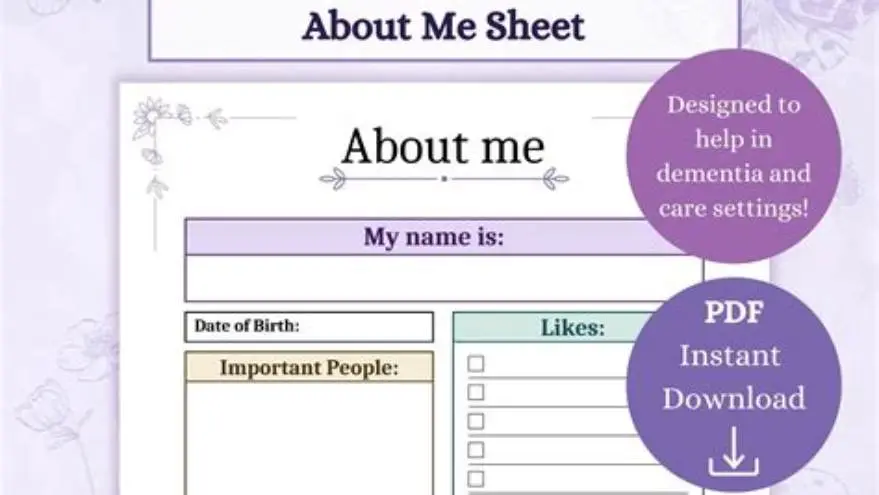
Outlines should be thick and printed in solid black. Thin lines disappear for someone with reduced contrast sensitivity. Thick borders act as a guide and a margin for error. Wandering tools still leave the shape looking complete. Thin lines offer no such forgiveness. Print at the darkest setting, and check that the lines come out solid, not faint or broken. We cover about me page for dementia care in its own article.
Avoid pages with decorative or broken outlines. Dashed borders, double lines, or outlines that fade at the edges add visual noise and confusion. Outlines should form a single, unbroken loop that clearly defines where the shape begins and ends. Some pages marketed as advanced or intricate use gray or sepia outlines instead of black. Those are harder to see and harder to follow.
Test the page by tracing one shape with your finger. If you lose the line or have to hunt for where it continues, the outline is not clear enough. People with dementia will struggle even more. Bold, unbroken borders let someone color with confidence and see their progress without second-guessing every stroke. Finger tests take seconds and tell you more than any product description.
Familiar subjects that start a conversation
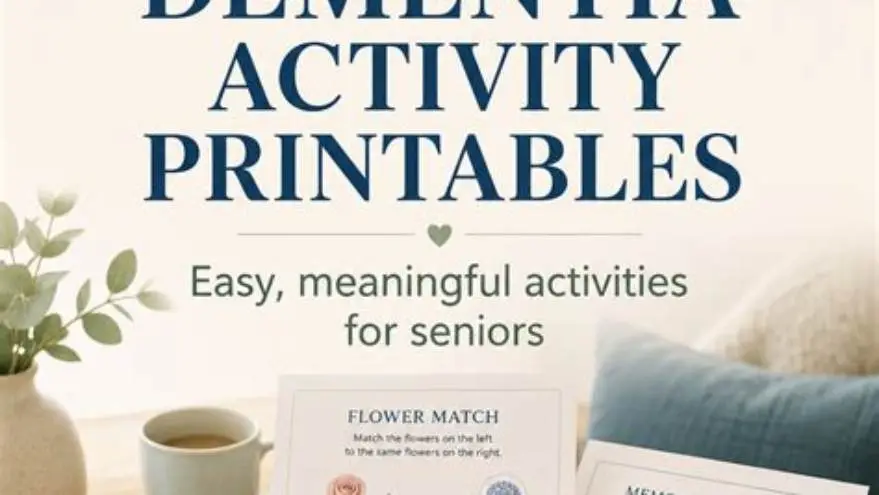
Familiar subjects bring immediate recognition and reduce the effort needed to engage with the page. Drawings of a teapot, a cat, a rose, or a pair of garden shears connect to long-term memory and often spark conversation. Abstract patterns or unfamiliar objects leave someone unsure what they are looking at or why it matters. Recognition brings confidence, and confidence brings conversation. Talk about the subject while coloring, and the page becomes a conversation, not just a task. The other half of this decision is printable activities for seniors with dementia.
Choose subjects tied to the person's life and interests. Farmers might enjoy coloring tractors or barns. Someone who loved baking might respond to a mixing bowl or a rolling pin. Pages featuring a single subject they recognize beat beautifully designed pages of something they have never seen. Personal relevance matters more than artistic skill.
Leave text out of the design, especially words that need to be colored around. Reading and coloring at the same time splits attention and adds difficulty. Pages labeled Bloom, with letters woven through the flowers, are harder to use than plain flowers with no text. Titles should sit outside the coloring area.
- Garden and nature: flowers, trees, birds, butterflies, vegetables
- Household items: teapots, clocks, chairs, vases, kitchen tools
- Animals: cats, dogs, horses, farm animals, one per page
- Seasonal: snowflakes, pumpkins, leaves, holiday symbols
How to set up a coloring session that ends well
Set up the activity for success before the person sits down. Lay out the page, a small cup with a few colored pencils or markers, and nothing else. Too many color choices overwhelm. A full box of markers turns a simple task into a decision marathon. Offer a small selection and let the person choose from those. The other half of this decision is dementia activities that are not childish.
Sit alongside, not across. Your presence reassures without turning the session into an observation. Avoid correcting or redirecting unless the person asks for help. If they color outside the lines or choose an unexpected color, that is fine. Engagement and calm are the goal, not technical accuracy.
Start the page yourself if needed. Color one small section to show how it works, then hand over the pencil. Some people need that initial prompt to understand the activity. Others pick up the tool and begin at once. Watch for cues and adjust. Losing interest after a few minutes still counts as a successful session. Do not push for completion.
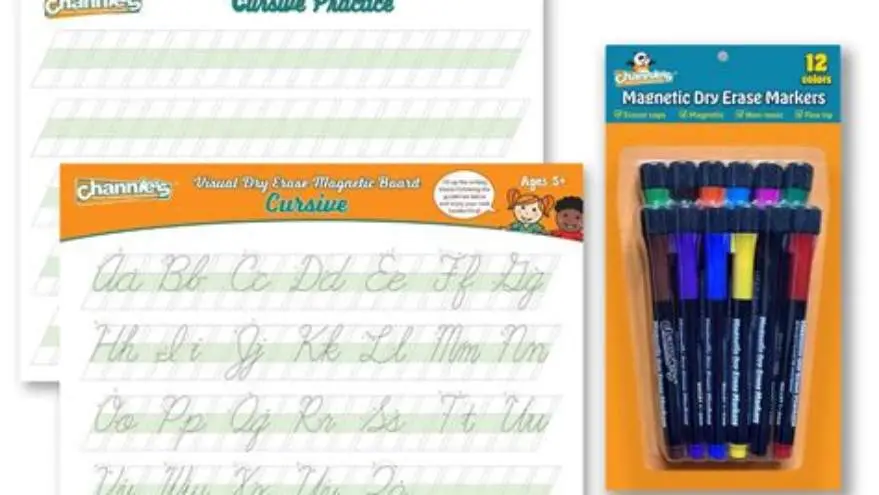
Treat the page as a conversation starter. Ask about the subject: did you ever grow roses, or what color should this bird be? Responses might surprise you. Coloring often relaxes someone enough that memories surface more easily. Keep the conversation light and follow where it leads. Art is the occasion; connection is the outcome. When the session goes well, our own Gentle Minds Activity Kit offers more coloring pages at three levels, plus a caregiver guide. It is a printable kit, so the pages need printing before they can be used. Before you commit to anything, it is worth looking at activity sheets that last with dry erase.
- Print the page on bright white paper with the darkest printer setting.
- Offer a few colored pencils or thick markers, not a full box.
- Stay beside the person, not across, and let them begin at their own pace.
- Color one section yourself if they seem uncertain how to begin.
- Ask about the subject: did you ever have a garden?
- Let them stop when they lose interest; a few focused minutes count as success.
Mistakes that turn coloring into frustration
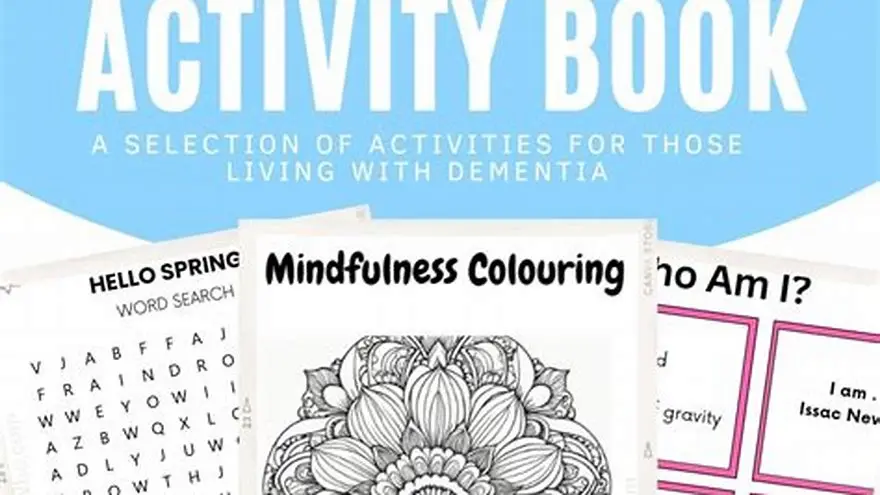
Printing a mandala because it looks beautiful wastes paper and creates frustration. Save intricate designs for a different audience entirely. Unfinished pages still work if the person can stop and return to them. Complexity is the problem, not length: too many small shapes, too many decisions, too little progress. Choose pages that end with a sense of completion. Finished pages, however simple, beat beautiful pages left half done.
Correcting colors or lines turns coloring into a test. People who are told the sky should be blue stop choosing and start waiting for instructions. Let unexpected colors stand. Green suns and purple cats harm nothing, and the choice itself is the point. Praise the effort, not the accuracy, and the page gets finished with pride.
Forcing completion spoils the next session. People who were pushed to finish will not want to start again. Let them stop when interest fades, and put the page aside for another day to try again. Half-finished pages are not failures. It is a page waiting for a better day, and the person decides when that day comes.
Still wondering?
Should I use colored pencils or markers for adults with dementia?
Thick markers give bolder color with less hand pressure, which helps if grip is weak. Colored pencils offer more control but need steadier hands. Try both and see which the person prefers. Avoid thin-tipped markers or hard pencils that need pressing.
How do I know if a page is too hard before printing it?
View the page on your screen and squint. If you cannot instantly see what it is, or the shapes blur together, it is too complex. Ones that pass the squint test usually work. Print one as a trial before making more copies.
Can the same person color the same page more than once?
Yes, especially if they do not recall coloring it before. Many people living with dementia enjoy the same page more than once, and familiarity can make it easier. Keep a few favorites and bring them back after a week or two.
What if the person refuses to color or loses interest at once?
Respect that choice. Coloring is not for everyone, and forcing it creates resistance. Try again another day with a different page, or try another activity such as sorting, folding, or listening to music. Some days nothing lands, and that is normal.
Ready to try it? It includes coloring pages at three levels for adults living with memory loss, plus a caregiver guide.
See the activity kit