Daily routine chart for dementia patients with timed activities and care cues
A timed daily routine chart for dementia patients helps caregivers provide calm, successful activities with clear care cues.
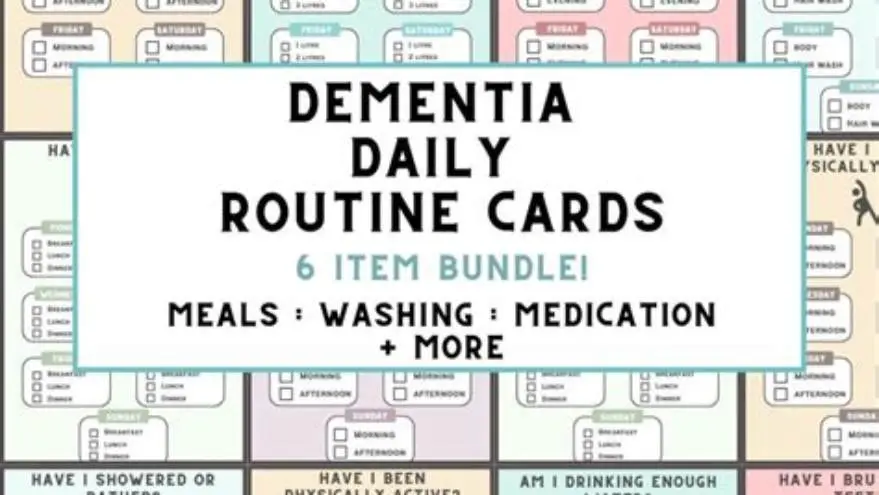
A daily routine chart for dementia patients schedules activities every 30-60 minutes, balancing calm tasks and care cues to reduce frustration and promote success throughout the day.
On this page (8 sections)
- The short version
- Sample daily schedule for dementia patients
- Why routine matters for dementia care
- Examples of daily activities for dementia patients
- Tips for adapting the schedule at home
- Daily routine chart for dementia patients with timed activities and care cues
- How the Gentle Minds Activity Kit supports daily routines
- Questions people still ask
Part of our guide on activities for all dementia stages
A timed daily routine chart with clear care cues lowers frustration and keeps dementia patients calm and engaged.
| Activity duration | 30-60 minutes |
|---|---|
| Number of activities | 5-8 daily |
| Routine importance | Reduces anxiety |
| Print-friendly kits | Yes, large-print |
| Care cues included | Yes |
The short version
- Timed activities keep engagement calm and achievable.
- Routine reduces anxiety and confusion in dementia care.
- Care cues guide caregivers on when to assist or prompt.
- Choose activities that fit the person's current abilities.
- Printable kits can simplify planning and offer variety.
Sample daily schedule for dementia patients
A sample daily routine for dementia patients typically divides the day into 30-60 minute segments. Early morning might start with a simple self-care task, like brushing teeth, followed by a calming activity such as listening to music.
Mid-morning can include a gentle group activity or a single-task puzzle to promote focus without causing frustration. Lunch time is a clear break, with care cues prompting assistance if needed.
Afternoon activities often vary, including light physical exercises or sensory activities like handling textured objects. Evening routines wind down with storytelling or looking at photo albums, supporting memory and connection.
Keeping tasks brief and predictable helps reduce agitation. Each activity’s timing depends on the individual’s stamina and alertness, which usually declines later in the day. It helps to understand personal details for dementia caregivers before going further.
- Select activities lasting 30-60 minutes each.
- Arrange activities from morning self-care to evening wind-down.
- Include care prompts such as reminders to drink water or take medication.
- Adjust the pace or duration based on observed stress or fatigue signs.
Why routine matters for dementia care
Routine offers stability that dementia patients rely on. Predictable schedules reduce anxiety by minimizing surprises and confusion.
Consistent timing of activities helps reinforce memory through repetition. It also cues the person about what to expect next, which can lower agitation.
Routine aids caregivers by creating an organized day that balances activity and rest. It reduces the risk of overstimulation or boredom. We cover ways to engage seniors with dementia in its own article.
However, rigid schedules can backfire if the patient resists an activity or shows fatigue. Flexibility combined with routine is key to success.
Routine also helps manage the sundowning effect common in dementia. This condition causes increased confusion and agitation in the late afternoon or evening. A consistent routine with calming activities during this time can ease symptoms and improve sleep quality.
The time of day matters too. Morning routines should focus on more challenging tasks when alertness peaks. Afternoons work better for simpler, soothing activities. This timing respects natural energy cycles and reduces frustration. If that sounds like your situation, read up on do dementia patients make up stories next.
Examples of daily activities for dementia patients
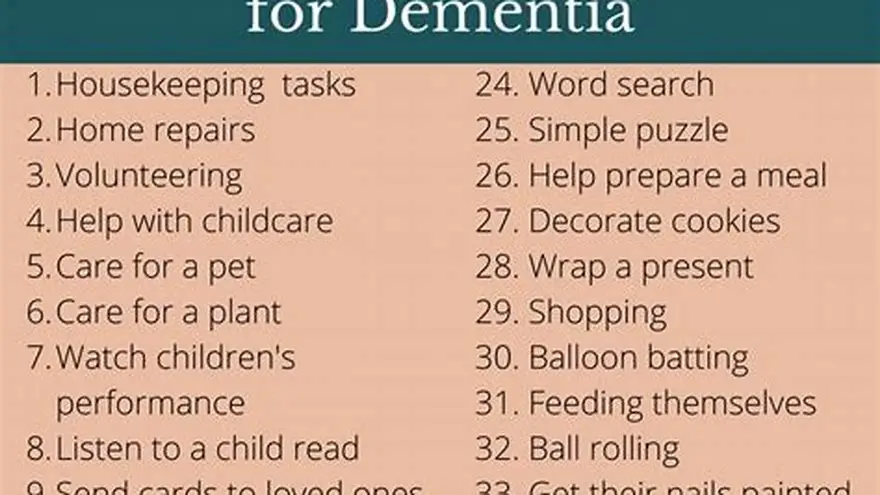
Choose activities that bring calm and a sense of success. Examples include large-print word searches, simple puzzles, sensory crafts, and music listening.
Physical activities like chair exercises or gentle walks promote circulation without exhaustion.
Social activities such as conversation cards or reminiscing with photos support connection and memory recall. We cover engaging dementia patients who can't read in its own article.
Avoid tasks that require complex instructions or fine motor skills that cause frustration and agitation.
Simple cooking tasks, like stirring batter or setting the table, encourage autonomy and offer sensory engagement. These activities work best with supervision and clear instructions to prevent safety risks.
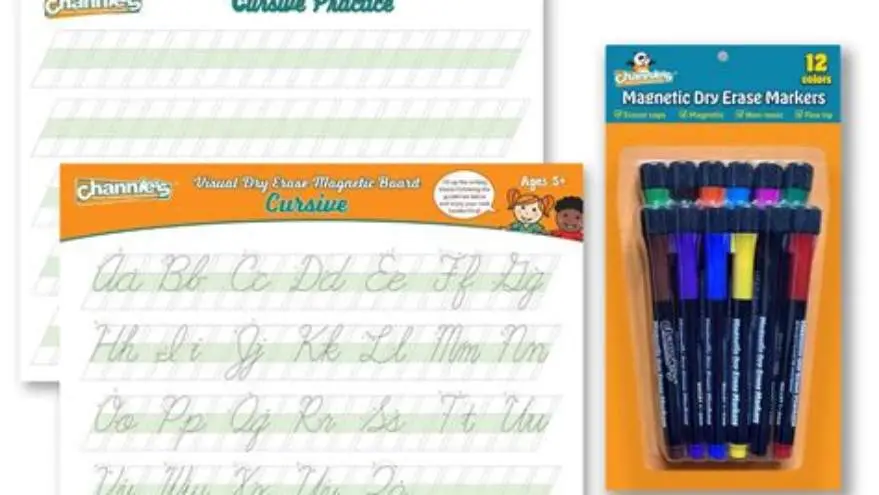
Art projects using clay or finger painting tap into creativity without demanding fine motor skills. They also provide tactile stimulation and can soothe anxiety, especially when paired with familiar music. Before you commit to anything, it is worth looking at activity sheets that last with dry erase.
Short, guided relaxation exercises like deep breathing or gentle stretching can reduce tension. For example, five minutes of seated stretches after lunch can refresh the mind and body.
- Large-print puzzles: support vision and cognition gently.
- Music sessions: calm mood and stimulate memories.
- Gardening tasks: sensory and light physical engagement.
- Conversation cards: promote social interaction and storytelling.
Tips for adapting the schedule at home
Observe the person's energy and mood throughout the day. Shift or shorten activities if signs of fatigue or distress appear.
Use visual aids like clocks, charts, or pictures to signal activity changes. This reduces confusion.
Encourage independence by allowing the patient to choose between two activities when possible.
Incorporate care cues like hydration reminders or bathroom breaks at natural points in the routine.
Keep backup activities handy for days when usual tasks feel overwhelming.
Check the patient's response after trying a new activity. If they seem restless or confused, pause and offer a calming break before trying again later or switching to a different task.
Adjust activities seasonally. Outdoor gardening suits warm months while indoor crafts work better in cold weather. Seasonal changes can add variety without overwhelming the person.
Label items clearly and keep frequently used materials within easy reach. This setup encourages participation and reduces frustration from searching or asking repeatedly.
- Watch for signs of agitation: shorten tasks.
- Use clear, large-print schedules visible to the person.
- Provide choices to empower engagement.
- Plan hydration and rest breaks regularly.
Daily routine chart for dementia patients with timed activities and care cues
A well-structured chart breaks the day into timed blocks with specific activities and care reminders. For example, 8:00-9:00 AM might be 'Morning hygiene with help as needed,' followed by 9:00-9:45 AM 'Large-print word search or gentle music listening.'
Midday includes meals and rest, with hydration and medication prompts. Afternoon sessions alternate between physical movement and social interaction, like group conversation or photo viewing.
Evenings focus on winding down with less demanding activities, lowering stimulation to ease transition to sleep.
The chart should be flexible but consistent, repeatable daily, and easy for caregivers to follow without guesswork.
| Time | Activity | Care Cues |
|---|---|---|
| 8:00-9:00 AM | Morning hygiene and dressing | Assist as needed, gentle reminders |
| 9:00-9:45 AM | Large-print word search or music | Encourage participation, no pressure |
| 10:00-10:30 AM | Chair exercises or light walking | Ensure safe environment |
| 12:00-1:00 PM | Lunch and rest | Assist with eating if needed, hydration |
| 2:00-2:45 PM | Conversation cards or photo reminiscing | Prompt storytelling gently |
| 3:00-3:30 PM | Sensory crafts or puzzles | Offer help without taking over |
| 5:00-6:00 PM | Dinner | Assist with meal prep or feeding |
| 7:00-8:00 PM | Reading or quiet music | Low lighting, calm atmosphere |
How the Gentle Minds Activity Kit supports daily routines
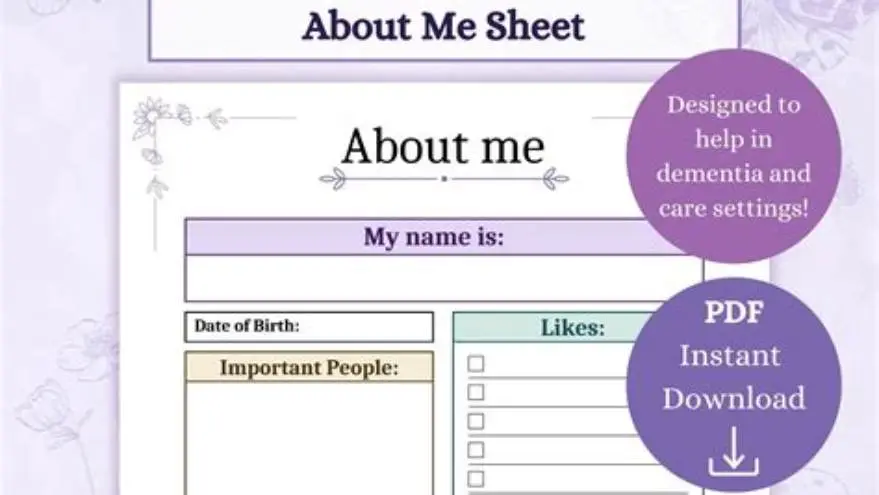
The Gentle Minds Activity Kit provides printable, large-print activities designed for adults with memory loss. Its three difficulty levels allow matching tasks to the patient's abilities, reducing frustration.
The kit includes over 130 pages of varied activities and 48 conversation cards to stimulate engagement and memory. Daily planning pages help caregivers organize and adapt routines easily.
Caregiver guides offer practical tips on timing and cues, supporting the caregiver in delivering a calm, successful day. Because it’s printable, you can reuse or adjust materials as the person’s needs evolve.
It does not replace medical treatment but serves as a ready, time-saving resource to fill the daily schedule with meaningful tasks that promote connection and calm.
Questions people still ask
How long should each activity last for a person with dementia?
Activities should usually last between 30-60 minutes, depending on the individual's energy and engagement level. Shorter durations help avoid fatigue and frustration.
Can I change the routine if my loved one resists certain activities?
Yes. Flexibility is key. If an activity causes distress, swap it for a simpler or more familiar task to maintain calm and success.
What if my loved one forgets the schedule?
Visual aids like large-print charts or clocks can help. Caregivers should give gentle reminders and maintain consistency to reinforce the routine.
How do I choose activities that are not too hard or too simple?
Select tasks that match current abilities using adaptive kits or test activities briefly. Look for signs of frustration or boredom and adjust difficulty accordingly.
Are there free tools to make daily routine charts?
Simple charts can be made manually with large-print templates or free word processing tools. Printable puzzle kits, like the Gentle Minds Activity Kit, also provide structured activities for routines.
Ready to try it? It provides printable, level-appropriate activities and planning pages perfect for daily routines with care cues.
Get printable dementia activities