Dementia activities without reading: 5 ways to engage non-readers
Five dementia-friendly activities that engage non-readers and avoid frustration.
To engage dementia patients who can't read, use visual, tactile, and sensory activities like sorting objects, listening to music, or matching images. These bring calm and success without requiring reading skills.
On this page (8 sections)
- The short version
- Examples of activities that do not require reading
- How to adapt common activities for non-readers
- Tools or kits suitable for non-reading dementia patients
- Why reading-based activities may not work for some dementia patients
- Activities for dementia patients who can't read
- How to use the Gentle Minds Activity Kit for non-readers
- Questions people still ask
Part of our guide on activities for dementia patients simple
Five clear ways to engage dementia patients who can’t read, focusing on calm, success, and connection without words.
| Typical activity time | 10-30 minutes |
|---|---|
| Activity difficulty levels | 3 levels |
| Printable pages | 130+ |
| Conversation cards | 48 |
| Suitable age | Adults with memory loss |
| Reading required | No for chosen activities |
The short version
- Choose activities leaning on senses, not reading.
- Adapt common activities by simplifying or using pictures.
- Use specially designed kits for memory loss engagement.
- Avoid frustration by keeping tasks simple and clear.
- Conversation-based activities help connection and calm.
Examples of activities that do not require reading
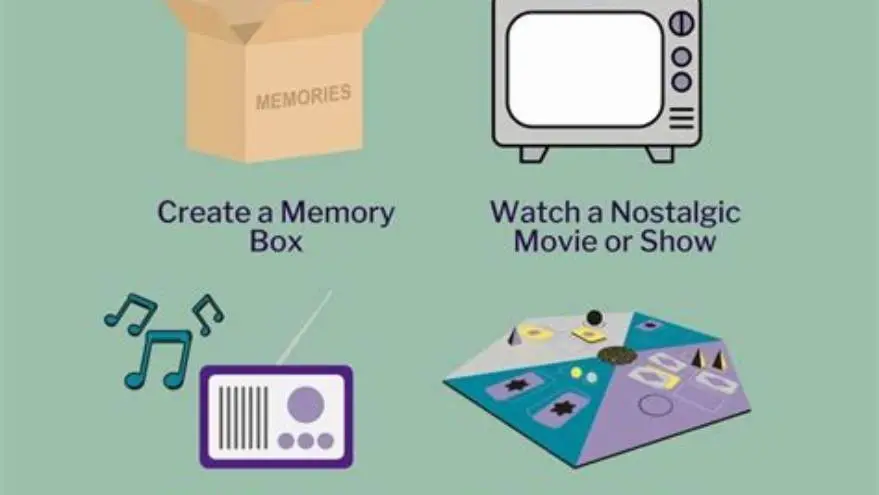
Dementia patients who can't read respond best to activities that involve senses and interaction. Visual sorting tasks like matching colored blocks or large picture cards work well. Tactile activities, such as handling different textured objects, also engage without reading. Music listening sessions provide auditory stimulation and memories without words.
Simple puzzles with large images or shapes, rather than words or numbers, encourage participation. Gardening tasks like watering plants or arranging flowers stimulate action and pride. Social activities such as looking at photo albums and talking about familiar faces promote connection without demanding reading.
Physical activities like gentle chair exercises or hand massages also fit this group. The goal is to offer success and calm, so patients avoid tasks that rely on reading or complicated instructions.
- Sorting colored objects: sorting shapes or colors by touch or sight
- Listening to familiar music: encourages memory and mood
- Matching picture cards: pairs of large images to match
- Gardening tasks: simple planting or watering
- Photo discussion: looking through albums together
How to adapt common activities for non-readers
Common activities like puzzles, games, or crafts often need reading. To adapt, use visuals only. Replace words with clear pictures or symbols. Provide physical examples for the patient to touch or mimic. Simplify steps to no more than 3 actions at a time. It helps to understand playlist for sundowning hours before going further.
If an activity requires instructions, use demonstration instead. Show rather than tell. Use large, clear images or cards to guide the process. Avoid timed tasks or any requirement to follow written rules. Instead, focus on activities that allow flexible responses.
Adapting word searches or crosswords can mean using pictures instead of words. Matching games can use pairs of objects or images. This removes the reading barrier while keeping the cognitive challenge manageable.
- Visual instructions: replace text with images or gestures
- Physical examples: show models or real objects
- Simplify steps: avoid complexity and multi-step tasks
- Flexible timing: no pressure to complete fast or perfectly
- Use matching pairs: objects or pictures instead of words
Tools or kits suitable for non-reading dementia patients
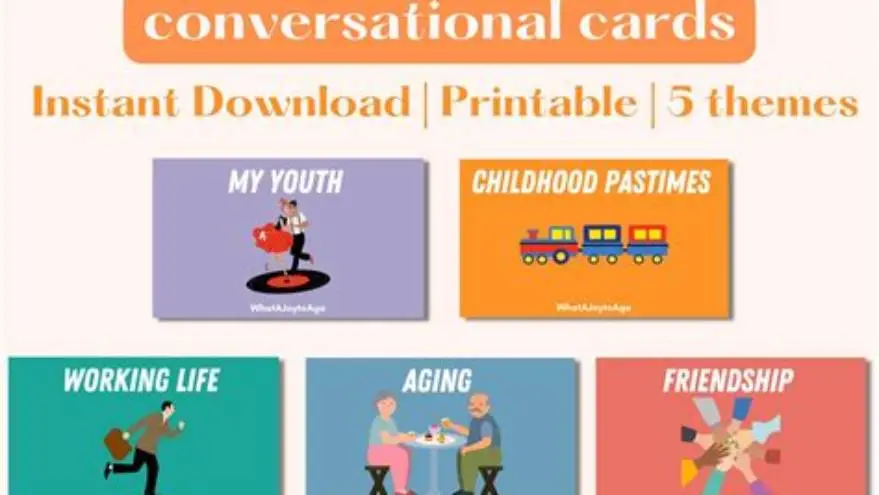
The Gentle Minds Activity Kit offers over 130 printable pages with activities tailored for adults living with memory loss. It has three difficulty levels, so you can pick easier options that don't need reading. The kit includes 48 conversation cards with images to spark discussion and connection without requiring reading skills. There is more on choosing cards by dementia stage in a separate guide.
It comes with a caregiver guide to help introduce activities and keep them pleasant. The materials are in large print and use pictures, making them accessible. You print what you need, so it adapts well even for those who cannot read.
This kit does not replace medical care or therapy. It’s designed purely for enjoyment, calm, and meaningful engagement. For caregivers facing frustration with typical reading-based puzzles, this is a practical alternative that saves time and effort in planning.
- Over 130 printable pages tailored for memory loss
- Three activity levels for easy adaptation
- Conversation cards to encourage interaction
- Large-print materials reduce visual strain
- Caregiver guide for smooth facilitation
- Designed specifically for adults with memory loss
- Multiple difficulty levels included
- Supports conversation and connection
- Printable on demand
- Not suitable for medical treatment
- No guaranteed cognitive improvement
- One-time payment required
Why reading-based activities may not work for some dementia patients
Memory loss and cognitive decline in dementia often affect language processing. Reading can become confusing or frustrating, especially as visual perception diminishes. Activities relying on reading may cause anxiety or withdrawal rather than engagement. For the detail, see our notes on starters for dementia conversations.
Patients who once read fluently may lose the ability to recognize letters or words. This creates repeated failure and discouragement. Cognitive load increases with instructions that require memory of symbols or rules.
Choosing activities that avoid reading removes this barrier. It allows focus on remaining abilities like recognizing faces, colors, or textures. Success without frustration is key to meaningful engagement.
Activities for dementia patients who can't read
This group benefits from sensory and social approaches to activity. Try these five options: For the detail, see our notes on picking tasks that hold interest.
1. Sorting and matching: Use large, colorful objects or cards with images to match pairs or group by color or shape. These tasks encourage recognition and fine motor skills.
2. Music and rhythm: Play familiar songs and encourage clapping or movement. Music connects deeply to memory and mood without any need for words.
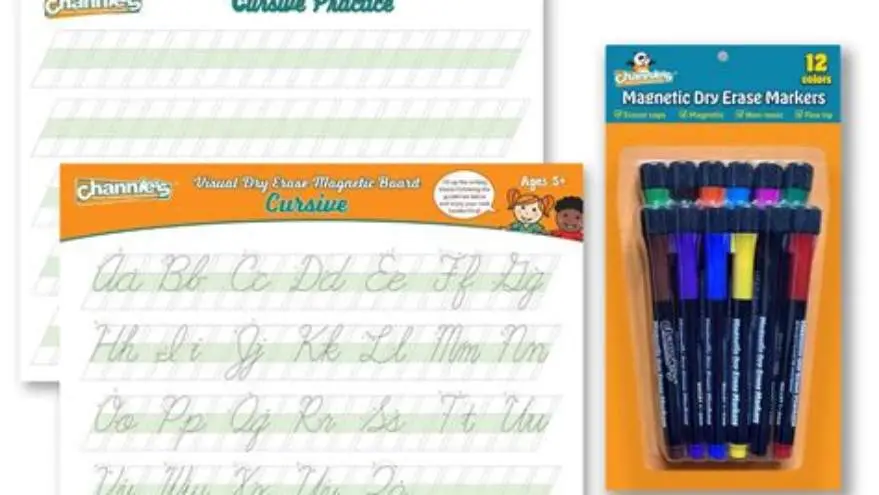
3. Tactile crafts: Simple crafts like making collages with fabric scraps or arranging natural objects stimulate touch and creativity. Before you commit to anything, it is worth looking at markers that don’t ghost or peel.
4. Garden tasks: Watering plants or planting seeds offers purpose and calm.
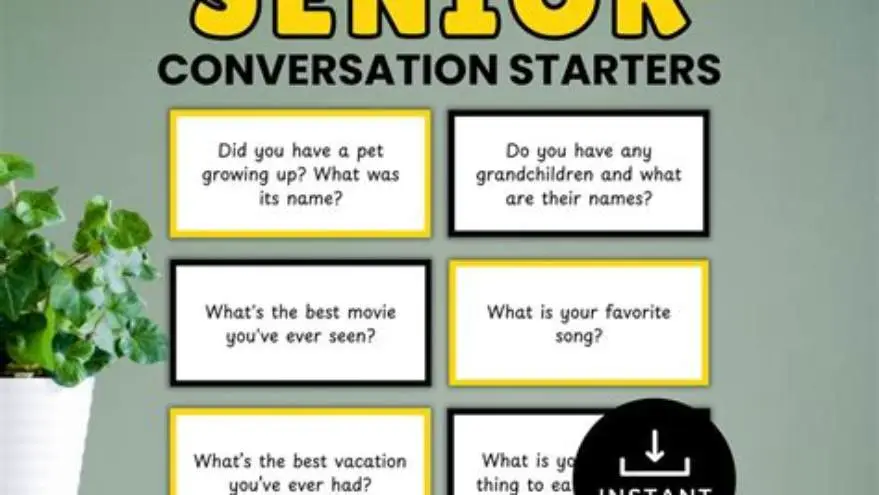
5. Conversation with visual prompts: Use large-print photos or conversation cards to tell stories and share memories.
| Activity | Type | Skills engaged | Requires reading |
|---|---|---|---|
| Sorting and matching | Visual/tactile | Recognition, motor | No |
| Music and rhythm | Auditory | Memory, mood | No |
| Tactile crafts | Touch/creative | Fine motor, creativity | No |
| Garden tasks | Physical | Coordination, purpose | No |
| Conversation with prompts | Social | Communication, memory | Minimal |
How to use the Gentle Minds Activity Kit for non-readers
Download and print the Gentle Minds Activity Kit. Choose the 'Gentle' or 'Easy' level activities first to avoid overwhelming the person. Use the conversation cards to stimulate talks by showing pictures instead of reading text.
Set up each session with all materials visible and within easy reach. Guide the person through steps by demonstrating, not reading. Use the caregiver guide’s tips to keep the mood calm and positive.
Reprint activities as needed, adapting the pace and difficulty based on the person’s responses. The kit offers variety to prevent boredom and encourages connection through shared enjoyment.
Questions people still ask
Can music really help dementia patients who can't read?
Yes, music stimulates memory and emotion without needing to read. Familiar tunes often trigger positive responses and engagement.
How do I know if an activity is too hard for a non-reader with dementia?
Watch for signs like frustration, withdrawal, or fatigue. Activities should feel calming and achievable, not stressful.
Are conversation cards effective for someone who cannot read?
Yes, cards with large images prompt memories and discussions without reading. They help maintain social connection.
Can I create my own activities for non-readers at home?
Absolutely. Use pictures, tactile objects, and music. Keep tasks simple and focus on senses rather than words.
Why avoid reading-based puzzles for some dementia patients?
Reading demands language processing often impaired by dementia. This can cause frustration and disengagement.
Ready to try it? It provides printable, large-print activities and conversation cards suitable for non-readers with dementia, saving caregivers planning time.
Try Gentle Minds Kit