Conversation starters for dementia: gentle, simple prompts caregivers can use
Simple, gentle conversation starters help connect with people living with dementia without causing frustration or confusion.
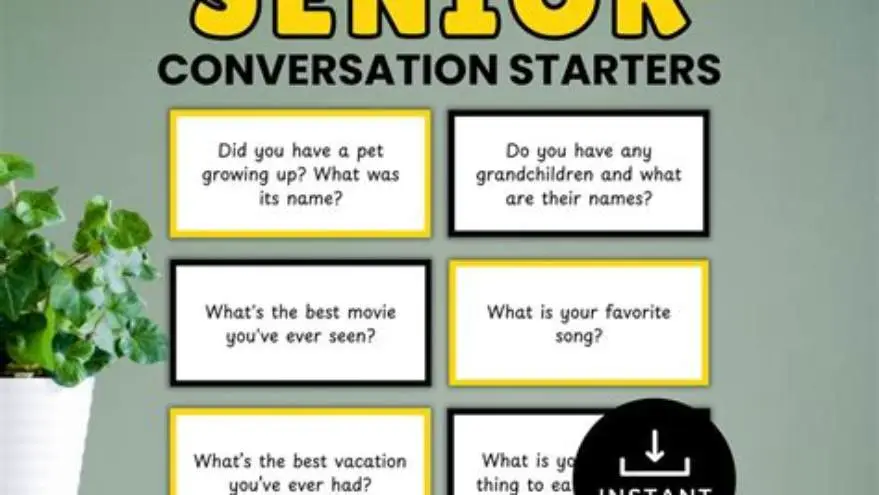
Use familiar, sensory-based conversation starters that are clear, calm, and easy to answer. Ask about simple topics like favorite smells, sounds, or memories to engage people with dementia gently and avoid confusion or frustration.
On this page (8 sections)
- The short version
- Examples of gentle conversation starters
- How to keep questions simple and familiar
- Tips for engaging people with memory loss sensitively
- Conversation starters for people with dementia
- How the Gentle Minds Activity Kit helps with conversation starters
- How to keep questions simple and familiar with conversation cards
- Questions people still ask
Part of our guide on activities for all dementia stages
| Question length | 1-2 short phrases |
|---|---|
| Common topics | sensory, memories |
| Prompt types | sensory, yes/no, choices |
| Activity levels | 3 difficulty levels |
| Conversation cards | 48 included |
The short version
- Keep questions simple and familiar to avoid confusion.
- Use sensory prompts like smells or sounds to spark memories.
- Avoid multi-part or abstract questions to reduce frustration.
- Use conversation cards or printable prompts designed for memory loss.
- Gentle Minds Activity Kit offers ready-made, large-print conversation starters.
Examples of gentle conversation starters
Gentle conversation starters focus on familiar, sensory themes like favorite smells, sounds, or foods. For example, ask, “Do you like the smell of fresh baked bread?” or “Which flower has your favorite scent?” These are easy to answer and often bring positive memories.
Use prompts that invite yes/no or simple choices to reduce overwhelm. Examples include, “Would you rather listen to jazz or classical music?” or “Do you prefer sunny or rainy days?” Questions with a clear choice help maintain engagement without frustration.
Avoid complex questions needing detailed recall. Instead, use prompts about the present experience, like, “How does this soft blanket feel?” or “What do you notice about this picture?” These keep the conversation grounded and sensory-based, encouraging responses even if memory is limited.
- Use yes/no or choice questions to keep it simple.
- Focus on sensory experiences to engage the senses.
- Keep topics familiar and positive to avoid confusion.
How to keep questions simple and familiar
Simple questions have just one concept and use familiar words. For example, ask “What is your favorite season?” instead of “Can you describe how the seasons change where you grew up?” The other half of this decision is calm and meaningful dementia prompts.
Use topics people with dementia know well: family, pets, favorite foods, or daily routines. Avoid abstract concepts or requiring detailed memories.
Repeat and rephrase questions if the person seems confused. Give plenty of time to respond and encourage any attempt at an answer, even if it's incomplete.
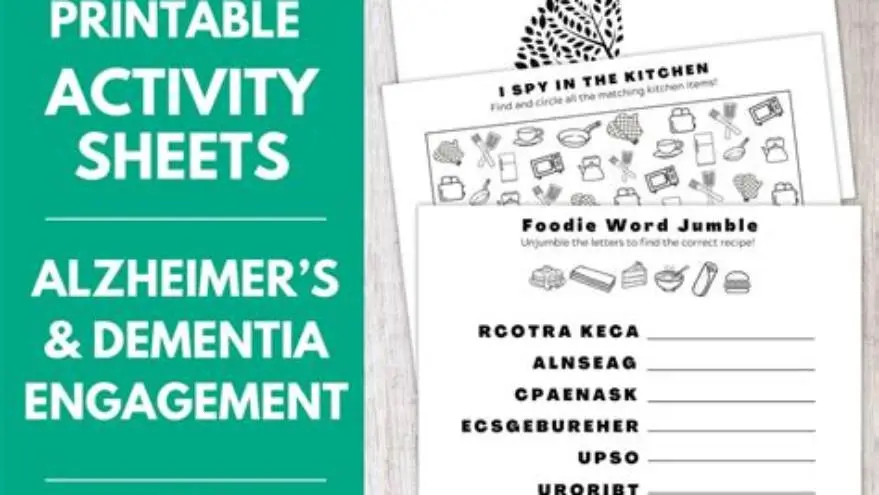
Use visual prompts or objects related to the question to help recall and understanding. Holding a photo or scented item invites connection. We go through printable alzheimer's patient activities step by step elsewhere on the site.
- One idea per question to reduce cognitive load.
- Choose topics from personal history or daily life.
- Use clear, familiar vocabulary and simple sentence structure.
- Provide visual or sensory aids alongside questions.
Tips for engaging people with memory loss sensitively
Patience is key. Allow long pauses and accept nonverbal responses like smiles or gestures as answers.
If a question causes frustration, gently switch topics or try a different prompt style like showing a photo or playing a familiar song.
Match your tone to be calm and warm. Avoid rapid-fire questions or correcting mistakes, which can shut down communication. There is more on activities for late stage dementia patients in a separate guide.
Use consistent, repeated activities and questions to build comfort and routine, which can improve willingness to engage over time.
- Allow time for responses without interruption.
- Use nonverbal cues as valuable communication.
- Avoid correcting or challenging incorrect answers.
- Create a calm, reassuring environment.
- Repeat effective questions to build familiarity.
Conversation starters for people with dementia
The best conversation starters for people with dementia are short, sensory-based prompts about familiar topics. They spark memories and feelings without demanding recall of complex facts.
Say things like, “Tell me about a favorite holiday smell,” or “What music makes you want to dance?” These invite sharing grounded in senses and emotions, not facts. People in this spot often ask about laminated activity sheets for dry erase as well.
You can also use objects or pictures as prompts, asking, “What do you see here?” or “How does this feel?” This draws attention to the present moment and stimulates gentle conversation.
Avoid questions about recent events or abstract ideas, which may cause frustration or silence. Focus on what the person can comfortably engage with to avoid distress.
How the Gentle Minds Activity Kit helps with conversation starters
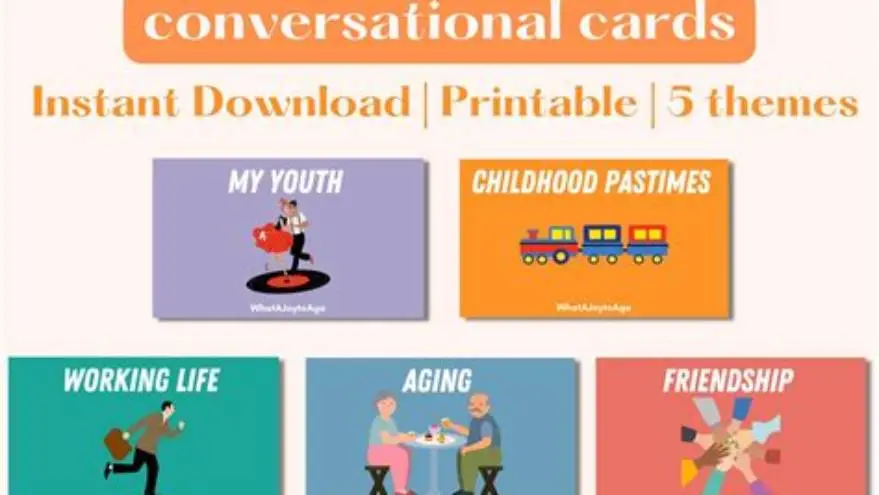
The Gentle Minds Activity Kit includes 48 conversation cards designed specifically for adults living with memory loss. Each card uses simple, sensory-based questions or prompts to encourage calm, successful engagement.
The cards are large-print and easy to read, minimizing visual strain. They're split into three levels (Gentle, Easy, and Steady) so you can match the conversation to the person's current abilities.
Besides conversation starters, the kit offers hundreds of printable activities and a caregiver guide with tips for facilitation. It helps avoid the frustration of searching for suitable, respectful topics every day.
The kit does not provide medical treatment or cure memory loss. It focuses on enjoyment and connection through accessible conversation and activity prompts.
- Large print for readability
- Multiple difficulty levels
- Includes caregiver guide
- Printable and reusable
- Not a medical treatment
- Requires printing and preparation
How to keep questions simple and familiar with conversation cards
Conversation cards help you keep questions short and focused. Each card presents one clear prompt using familiar words and sensory ideas, which matches best practices for talking with people with dementia.
You can pick cards fitting the situation or mood. If the person struggles, choose the Gentle level cards. When they're more alert, try Easy or Steady cards for a bit more challenge.
The cards can be paired with objects, photos, or activities to enhance understanding. For example, hold a card about smells alongside a scented item to stimulate recognition and conversation.
This system saves time and effort. Instead of inventing conversation starters daily, you rely on tested prompts designed to avoid frustration and support calm engagement.
Questions people still ask
What are some easy conversation starters for people with dementia?
Try sensory-based prompts like asking about favorite smells, foods, or music. Use yes/no or simple choice questions like “Do you like the smell of fresh bread?” or “Would you rather listen to jazz or classical?”.
How can I avoid frustrating someone with memory loss during conversation?
Keep questions short, use familiar topics, avoid multi-part questions, and accept nonverbal responses. Switch topics gently if frustration appears and speak calmly and patiently.
Why use sensory prompts for conversation?
Sensory prompts engage the senses and tap into emotional memories, which often remain accessible even as other memory fades. They help people connect without needing facts or dates.
Can conversation starters improve communication with dementia patients?
They can increase engagement and reduce frustration by giving clear, manageable prompts. However, they do not treat dementia but help make conversations more enjoyable and less stressful.
What is the Gentle Minds Activity Kit?
It is a printable activity kit with large-print conversation cards and activities designed for adults with memory loss. It helps caregivers find suitable prompts to encourage calm, simple conversations.
Are conversation cards suitable for all stages of dementia?
The Gentle Minds kit offers three difficulty levels, making it adaptable. However, very advanced stages may require more sensory and nonverbal engagement beyond conversation cards alone.
Ready to try it? It provides ready-made, large-print, sensory conversation starters designed to engage people with dementia calmly and successfully.
Try Gentle Minds prompts