Reminiscence conversation cards for dementia: how to choose and use them
Choose and use reminiscence conversation cards that match dementia stages to encourage calm, success, and meaningful engagement.
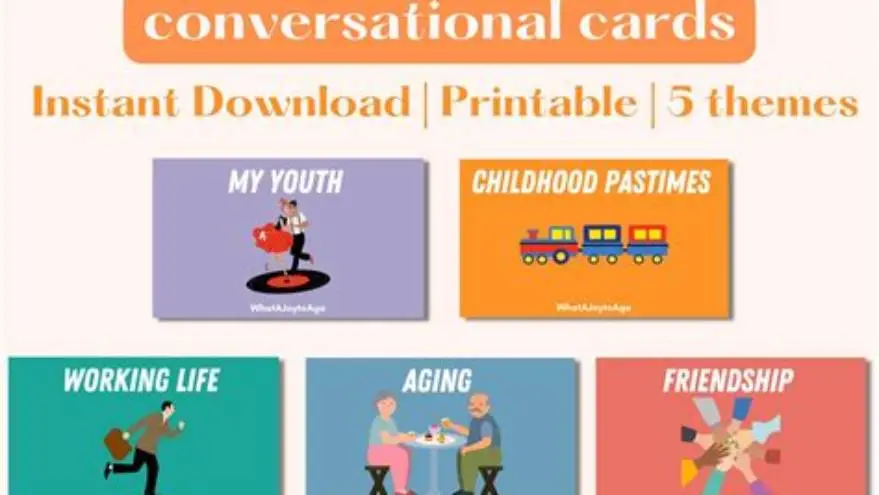
Select reminiscence conversation cards sized for large print with simple, clear questions matching the person's communication stage to encourage calm and success during dementia conversations.
On this page (8 sections)
- The short version
- What makes conversation cards suitable for dementia
- How to select cards based on memory and communication ability
- Ways to use cards to encourage engagement and reduce frustration
- Examples of gentle reminiscence questions or prompts
- How to choose and use the Gentle Minds Activity Kit for reminiscence conversation
- Alternative approaches to reminiscence conversation cards
- Questions people still ask
Part of our guide on activities for dementia patients simple
Choose conversation cards designed for dementia stages to enable calm, respectful talks with clear, large print prompts that avoid frustration.
| Card print size | Large print |
|---|---|
| Difficulty levels | 3 levels typical |
| Recommended card count | 40-50 cards |
| Common prompt length | 1-2 sentences |
| Use frequency | Daily to weekly |
The short version
- Pick cards with large, clear print for easy reading.
- Match card difficulty to memory and communication ability.
- Use gentle prompts to avoid frustration and encourage sharing.
- Vary topics to maintain interest and connection.
- Print multiple sets to reuse and share with different users.
What makes conversation cards suitable for dementia
Conversation cards suitable for dementia have clear, large print to aid adults with low vision. They use simple language and avoid complex or abstract concepts. Questions focus on familiar topics like childhood, hobbies, or sensory experiences.
Cards should use short sentences with gentle prompts that do not demand specific answers. This reduces frustration and encourages participation even if memory is impaired. The goal is calm engagement, not testing recall.
Physical card size should allow easy handling, often about postcard size or larger. Durable material or laminated cards hold up to frequent use. Visual cues, such as related images, support recognition and prompt memory.
How to select cards based on memory and communication ability
Memory and communication abilities vary widely with dementia stage. Early stages can handle more detailed questions; later stages need simpler prompts. Matching card difficulty prevents disengagement or stress. We cover large-print puzzles for reminiscence in its own article.
Look for card sets offering levels or categories, e.g. Gentle, Easy, and Steady. This allows you to pick cards that align with current abilities. Cards with more concrete topics work better for moderate to severe dementia.
Assess the person’s communication style: do they use words, gestures, or single words? Choose cards prompting answers in their comfortable mode. Avoid yes/no only cards if possible, as open prompts encourage richer engagement.
Ways to use cards to encourage engagement and reduce frustration
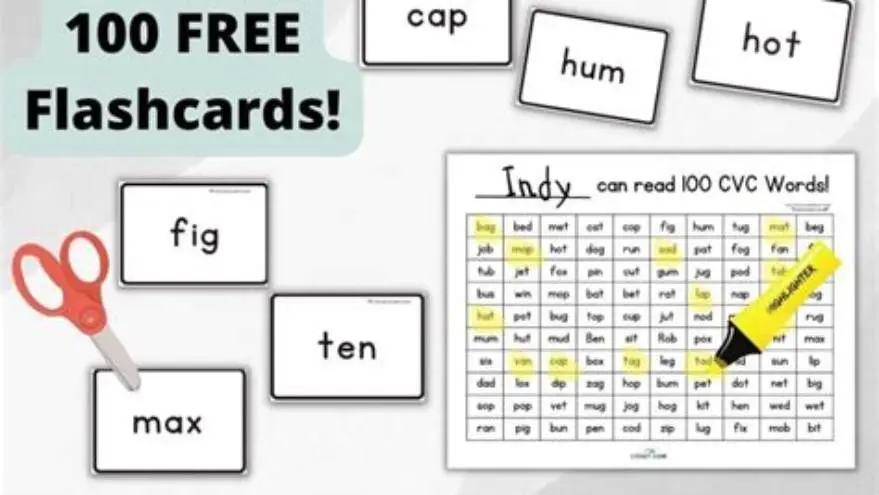
Use cards in quiet, relaxed settings to minimize distractions. Introduce one card at a time and allow plenty of time for responses. Avoid rushing or correcting answers to keep the mood calm. There is more on printable match cards with words and pictures for low literacy in a separate guide.
Involve the person by letting them choose cards from a small pile. This can boost confidence and interest. Repeat favorite cards over time to build familiarity and comfort.
Combine card prompts with other sensory cues like photos, music, or objects related to the topic. This multi-sensory approach helps stimulate memory and conversation.
Be flexible: if a card causes confusion or upset, skip it. Focus on cards that trigger positive memories or feelings. For the detail, see our notes on conversation starters for people with dementia.
Examples of gentle reminiscence questions or prompts
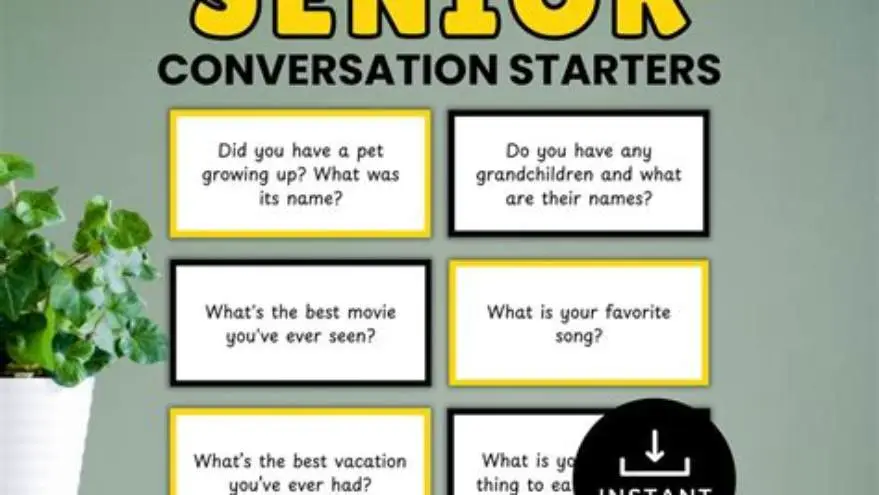
Gentle questions focus on familiar, positive themes. Examples include: 'What was your favorite holiday as a child?', 'Do you like the smell of fresh flowers?', and 'Tell me about your favorite song or dance.'
Avoid yes/no questions or ones that require exact recall. Instead, prompts should invite stories or feelings. For instance, 'Describe a place where you felt happy' works better than 'Where were you born?'.
Use sensory-related prompts to engage senses tied to memory. Questions like 'What’s your favorite scent in the kitchen?' or 'What sounds remind you of home?' encourage vivid memories. It helps to understand activities for seniors with dementia printable before going further.
Keep prompts short: one or two sentences max. This makes them easier to process and respond to.
| Topic | Example question |
|---|---|
| Childhood | What games did you enjoy playing? |
| Hobbies | What hobbies did you like? |
| Senses | What smells bring you comfort? |
| Music | Is there a song you love to sing? |
| Food | What was your favorite meal growing up? |
How to choose and use the Gentle Minds Activity Kit for reminiscence conversation
The Gentle Minds Activity Kit is a printable set designed specifically for adults with memory loss. It offers 48 large-print conversation cards at three difficulty levels, making it easy to match cards to current abilities.
It includes a caregiver guide that explains how to facilitate conversations with the cards, helping reduce frustration and encouraging success. The kit covers familiar topics and uses gentle prompts ideal for dementia. We go through table top activities for dementia step by step elsewhere on the site.
You can print multiple copies, letting you prepare tailored sets for different users or sessions. However, it is not a medical treatment or therapy, just a tool for engagement and enjoyment.
Using this kit saves time versus crafting your own cards, and provides structure for caregivers unfamiliar with reminiscence techniques. It works well in home or care settings and supports calm, meaningful interaction.
- Three difficulty levels for tailored use
- Large print easy to read
- Includes caregiver guide
- Printable and reusable
- Not a medical or therapy product
- Requires printer and some preparation
Alternative approaches to reminiscence conversation cards
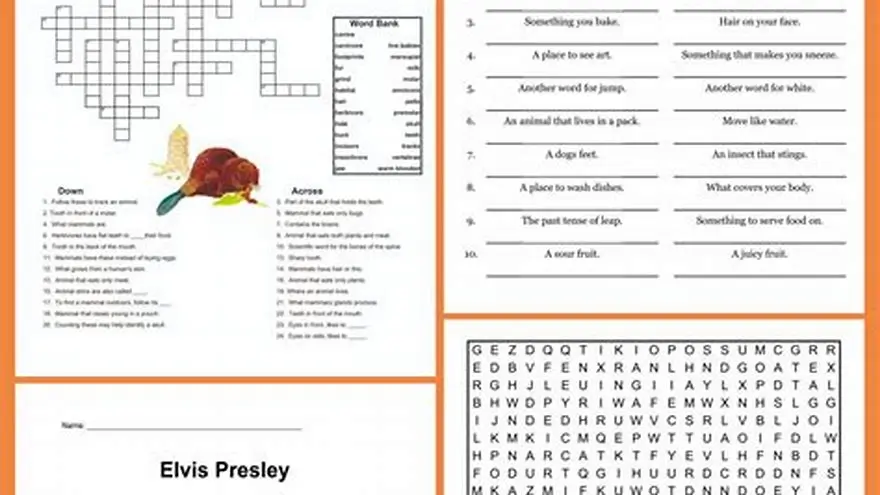
You can create your own conversation cards using large-print word search or puzzle tools to customize themes. This offers more control over topics but requires time and some design skill. We cover men's dementia activities in its own article.
Free printable cards are available online but often lack stages of difficulty or caregiver instructions, which may cause frustration or mismatched difficulty.
Another approach is using photo albums or sensory objects to trigger memories without words. This can complement cards or stand alone for nonverbal communication.
Standard puzzle books for seniors focus on cognition, not conversation, and can frustrate adults with dementia. Cards focused on reminiscence avoid this risk.
| Tool | Customization | Ease of Use | Suitability for Dementia |
|---|---|---|---|
| Gentle Minds Kit | Medium | Easy | High |
| Homemade Cards | High | Variable | Depends on design |
| Free Printables | Low | Easy | Variable |
| Photo Albums | Medium | Easy | High |
Questions people still ask
What size should reminiscence conversation cards for dementia be?
Cards should be large enough to read easily, typically with text at least 18-24 point font size. Card size about postcard or A5 helps with handling.
How do I know which cards suit my loved one’s ability?
Match card complexity to their current communication and memory skills. Use simpler prompts for later stages and more detailed for earlier stages.
Can I use conversation cards if my family member has trouble speaking?
Yes, choose cards with sensory or yes/no prompts and allow nonverbal responses like gestures or facial expressions.
How often should I use reminiscence conversation cards?
Daily to weekly sessions work well. Short sessions of 5-15 minutes prevent fatigue and keep engagement positive.
Are reminiscence cards a replacement for therapy?
No, they are tools for meaningful interaction and enjoyment, not medical treatment or therapy.
Ready to try it? It provides ready-made, large-print reminiscence conversation cards at levels matched to dementia abilities with a caregiver guide for practical use.
Download gentle conversation cards