Dementia activities for men: how to pick tasks that hold their interest
Choose dementia activities for men that bring calm and success, tailored to their interests and abilities to avoid frustration.

Choose dementia activities for men that match their stage and interest, focusing on tasks that bring calm and success without frustration. Adapt activities by simplifying or adding support, favoring physical or mental tasks men enjoy like puzzles, word games, or handiwork.
On this page (8 sections)
- The short version
- How to choose dementia activities for men that fit their stage of dementia
- How to adapt activities based on ability to prevent frustration
- Examples of mental and physical tasks men commonly enjoy with dementia
- How the Gentle Minds Activity Kit helps with dementia activities for men
- How to combine physical and mental activities to keep men engaged
- What to avoid when choosing dementia activities for men
- Questions people still ask
Part of our guide on word games for dementia patients printable
Select dementia activities that match men’s interests and abilities to keep them calm, successful, and engaged without frustration.
| Activity levels | 3 difficulty tiers |
|---|---|
| Activity kit pages | 130+ printable pages |
| Conversation cards | 48 included |
| Print sizes | US Letter, A4 |
| Product type | Printable activity kit |
The short version
- Match activities to dementia stage and abilities.
- Pick tasks that men find familiar and engaging.
- Adapt complexity to avoid frustration.
- Combine physical and mental tasks for best results.
- Use large-print materials for better accessibility.
How to choose dementia activities for men that fit their stage of dementia
Men with dementia need activities that match their cognitive and physical abilities at each stage. Early-stage dementia suits tasks requiring more focus, like simple puzzles or word searches, which stimulate thinking without overwhelming.
Mid-stage dementia calls for easier tasks with more support, such as matching games or coloring pages with large print. These promote success and avoid frustration by keeping demands low.
Late-stage dementia benefits from sensory and physical activities, like handling textured objects or gentle movement. These reassure and calm when complex thinking is no longer possible.
Choosing activities by stage reduces the chance men feel discouraged or irritated. Adjusting tasks as abilities change is crucial to maintain engagement and wellbeing. It helps to understand engaging dementia activities for seniors before going further.
How to adapt activities based on ability to prevent frustration
Adjusting activities means changing the difficulty or support level to match current skills. For example, simplify word searches by reducing word count or using familiar topics.
Use large-print materials to help men with vision issues. Enlarged fonts and clear contrast make reading easier for those with low vision.
Offer assistance in stages: first, encourage independent attempts, then provide hints or partial solutions, finally help complete tasks if needed. We go through easy dementia games for seniors step by step elsewhere on the site.
This gradual support lets men feel successful rather than stuck. Adapting activities over time keeps them engaged and lowers resistance.
- Simplify language and instructions.
- Offer physical aids like pencils with grips.
- Break tasks into smaller steps.
- Use repetition with variety to build confidence.
Examples of mental and physical tasks men commonly enjoy with dementia
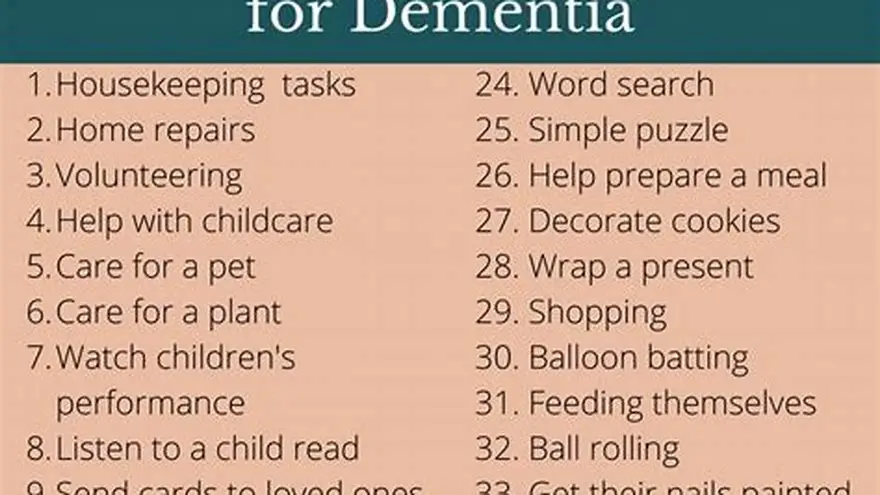
Men often prefer activities connected to familiar skills or interests. Mental tasks like large-print crossword puzzles, word searches, simple sudoku, or conversation cards tap into memory and language.
Physical activities can include gardening, sorting tools, or simple crafts that use hands and keep movement gentle but purposeful.
Many men enjoy projects involving organizing, fixing, or building, adapted to ability. These provide satisfaction and a sense of accomplishment.
Combining mental and physical elements in a task increases engagement and calms agitation.
- Large-print crossword puzzles: stimulate language and recall.
- Word searches on familiar themes: reinforce interests.
- Sorting or organizing small tools or objects: tactile and purposeful.
- Simple gardening tasks: light physical activity and sensory stimulation.
How the Gentle Minds Activity Kit helps with dementia activities for men
The Gentle Minds Activity Kit provides over 130 large-print pages of activities at three difficulty levels. It offers puzzles, word games, and 48 conversation cards designed for adults living with memory loss.
Its printable format allows caregivers to tailor activities instantly, avoiding the frustration of finding suitable materials. The caregiver guide assists in adapting tasks by ability and encouraging connection.
This kit focuses on bringing calm and success, not overwhelming users with hard puzzles or childish games. It respects adults’ dignity while engaging men through familiar activities.
One limitation is it does not replace therapy or medical treatment. It works best as a practical, ready-to-use resource to support meaningful engagement.
- Three clear difficulty levels.
- Large-print for low vision.
- Conversation cards included.
- Caregiver guide aids adaptation.
- Not a medical treatment.
- Requires printing and preparation.
How to combine physical and mental activities to keep men engaged
Engagement improves when activities stimulate both mind and body. For men, a routine that mixes puzzles, word games, and light physical tasks works well.
For example, a morning crossword session followed by organizing small household items or watering plants provides balance and success.
Physical tasks reduce restlessness and can boost mood, enhancing mental activity readiness.
Keep activities short and varied to maintain interest without causing fatigue or frustration.
- Mix puzzle time with gentle movement tasks.
- Use familiar objects to trigger memories.
- Keep sessions 15-30 minutes long.
- Encourage social interaction around activities.
What to avoid when choosing dementia activities for men
Avoid tasks that are too complex or too simplistic, as both cause frustration or boredom. Men dislike activities that feel childish or meaningless.
Do not force participation if refusal is persistent; offer choices instead. Pushing beyond ability can cause agitation and withdrawal.
Stay away from noisy, chaotic settings that add confusion. Calm, quiet environments support success and engagement.
Be cautious with new, unfamiliar activities that might overwhelm. Start with familiar tasks and introduce new ones slowly.
Questions people still ask
What activities work best for men in late-stage dementia?
Sensory and simple physical activities work best, such as touching textured materials or gentle hand movements. Complex puzzles or games are usually too difficult.
How can I tell if an activity is too hard or too easy?
Watch for signs like frustration, agitation, or withdrawal for too hard. Boredom or disinterest may mean it’s too easy. Adjust complexity accordingly.
Can physical tasks improve mental engagement in dementia?
Yes, combining light physical tasks with mental activities can reduce restlessness and improve focus for many men with dementia.
Are large-print puzzles better for men with dementia?
Large-print puzzles help men with low vision and reduce eye strain, making tasks more accessible and enjoyable.
What if a man refuses to do dementia activities?
Offer choices, keep sessions short, and respect his mood. Sometimes just sitting together or casual conversation is more helpful.
Ready to try it? It provides printable, large-print dementia activities at three difficulty levels designed to engage men with memory loss respectfully and effectively.
Download printable activities