Late stage dementia activities: 5 sensory tasks that engage without confusion
Calm, success-focused sensory activities help late stage dementia patients engage with ease and joy, avoiding confusion and frustration.
Five sensory activities suited to late stage dementia patients involve touch, smell, sound, sight, and taste to engage senses calmly without confusion. These include textured fabric exploration, scented objects, gentle music, simple visual contrasts, and safe taste tests.
On this page (8 sections)
- The short version
- What sensory activities help late stage dementia patients
- How to adapt activities for severe cognitive decline
- Examples of safe and calming tasks
- How to recognize patient engagement
- When to stop or change activities
- Activities for late stage dementia patients that bring calm and success
- Questions people still ask
Part of our guide on activities for dementia patients simple
Sensory tasks that respect late stage dementia limits ease engagement while avoiding confusion and frustration with gentle, simple activities.
| Sensory activity count | 5 tasks |
|---|---|
| Activity difficulty levels | 3 levels |
| Printable pages in kit | 130+ |
| Conversation cards | 48 cards |
| Large print sizes | US Letter & A4 |
The short version
- Choose sensory activities that are simple and calming.
- Adapt every task to the patient's current abilities.
- Look for signs of engagement, like eye focus and calmness.
- Stop an activity if the patient shows frustration or distress.
- Use activities that promote success, not challenge or failure.
What sensory activities help late stage dementia patients
Sensory activities that focus on simple, soothing input help late stage dementia patients stay calm and connected. These include touch tasks like feeling different fabrics, smell exploration with pleasant scents, listening to gentle music, viewing basic shapes or colors, and tasting safe, familiar flavors.
These tasks avoid confusion by being straightforward, requiring no memory or complex thinking. The goal is to provide comfort and positive stimulation, not to test or challenge the person.
For example, giving a patient a soft scarf to handle or letting them smell lavender can evoke calmness. Music with slow rhythms or familiar tunes also helps. Visual tasks might be looking at large, bold pictures or patterns with high contrast.
Not every sensory activity suits every patient. Some may find certain textures irritating or scents overwhelming. For example, a rough fabric might cause discomfort, while a strong citrus smell could trigger agitation. Test one new item at a time and observe reactions carefully. There is more on picking tasks that hold interest in a separate guide.
The time of day affects how well patients respond. Late morning or early afternoon usually work best when alertness peaks. Avoid sensory tasks right before sleep or during times of known restlessness. Adjust the duration to short intervals of five to ten minutes to prevent fatigue.
How to adapt activities for severe cognitive decline
Adapt activities by simplifying them and using strong cues. Reduce steps and avoid anything requiring memory or problem solving. Offer choices limited to two or three options to minimize confusion.
Use large-print materials and clear visuals to help with low vision or attention. Repeat instructions calmly and use physical guidance if needed. Adjust timing based on the person's alertness and mood. The other half of this decision is activities respecting early stage skills.
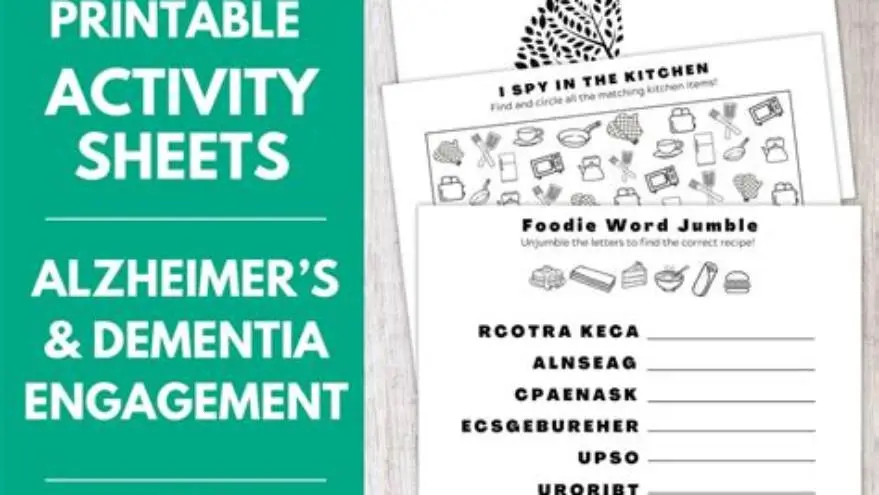
The Gentle Minds Activity Kit accommodates this need by providing activities at three levels: Gentle, Easy, and Steady. This lets caregivers match tasks to the patient’s current abilities, changing levels as needed without stress.
This kit provides over 130 printable pages and 48 conversation cards designed to spark engagement without frustration. It also includes a caregiver guide to help facilitate activities.
Consider the patient's physical health when adapting activities. Arthritis or tremors may limit handling small items. Use larger, easy-to-grip objects to reduce frustration. For example, hold a soft ball instead of tiny beads for tactile stimulation. If that sounds like your situation, read up on printable activities for alzheimer's patients next.
Environmental factors also matter. Minimize background noise and visual clutter to help focus. A quiet, well-lit room with familiar surroundings supports attention. Keep sessions brief and end with a soothing activity like soft music or hand massage to ease transition.
Check for sensory impairments regularly. Hearing or vision loss can change how a patient perceives an activity. Use hearing aids or reading glasses if available. Adjust lighting or sound volume as needed to maintain comfort and engagement.
- Tailored activity levels
- Clear, large print text
- Includes caregiver guidance
- Printable and reusable
- Not a medical therapy
- Some setup needed to print
- No real-time interaction
Examples of safe and calming tasks
Five sensory tasks suit late stage dementia well. First, fabric touch: offer a basket of scarves, felt, or velvet squares to feel. Second, scent jars with lavender, lemon, or cinnamon provide gentle olfactory stimulation. There is more on dementia table top activities in a separate guide.
Third, listening to soft music or nature sounds calms and engages attention. Fourth, visual contrast activities like sorting colored balls or looking at simple art with bold lines encourage focus without demands.
Fifth, safe taste tests: small samples of familiar foods like applesauce or mild tea provide comfort and sensory input. Always check allergies or swallowing issues before tastes.
Keep all items clean, simple, and familiar to create a sense of security.
A simple example of a scent activity involves passing a small jar of lavender oil near the patient's nose. Pause to see if they inhale deeply or smile. If they do, offer another scent after a short break to avoid overstimulation.
For touch, place a soft fleece blanket over the lap and encourage gentle stroking. If the patient’s hands tremble, hold their hand lightly to guide the motion. This shared touch often brings comfort and connection.
A short music session might include playing 'You Are My Sunshine' softly for three minutes. Watch for relaxed facial muscles or gentle humming, signaling enjoyment. Stop if restlessness grows or expressions turn tense.
How to recognize patient engagement
Signs of engagement include eye contact, reaching for objects, gentle smiles, and calm breathing. Patients may vocalize softly, hum, or relax their posture when they like an activity.
Watch for shifts in facial expression or body language. If a patient looks away, frowns, or tenses up, they might be overwhelmed or uninterested.
Engagement might last just minutes or longer, depending on the person and time of day. Frequent short sessions often work better than long ones.
Adjust activities based on these cues to keep them positive experiences.
Engagement signs vary between individuals. Some may show excitement by clapping hands or smiling broadly. Others might quietly watch and remain still, which also indicates focus.
If a patient reaches out to touch an object repeatedly or brings it closer for inspection, it signals meaningful interaction. Respond with gentle encouragement or verbal praise to reinforce positive behavior.
If the patient suddenly looks away, frowns, or clenches fists, it suggests discomfort or confusion. Pausing or switching activity can help restore calm and prevent distress.
Note the length of engagement: some patients sustain interest for 15 minutes, others only a few. Frequent brief sessions often yield better overall participation.
When to stop or change activities
Stop activities immediately if the patient becomes restless, anxious, or shows physical signs of discomfort like grimacing or pulling away. These signs indicate overstimulation or confusion.
Changing the activity to something simpler or more familiar often helps. Offering a break or switching to a calming sensory stimulus like gentle music can also reset mood.
Late stage dementia patients have fluctuating abilities and moods. Flexibility is key. No one activity suits all moments.
Caregivers should be ready to pause without pressure and return to different tasks as the patient’s attention varies.
If the patient shows signs of fatigue, such as heavy eyelids or decreased responsiveness, stop the activity. Continuing may cause frustration or agitation.
Watch for physical cues like sudden rigidity, rapid breathing, or tearfulness. These indicate distress and are reasons to halt the task immediately.
Alternatives include returning to a familiar comfort item like a favorite blanket or playing calming sounds. These can ease anxiety and reset the mood.
It's helpful to keep a log of which activities worked and when. This guides future choices and helps predict the best times for engagement based on moods and energy levels.
Activities for late stage dementia patients that bring calm and success
The Gentle Minds Activity Kit meets the need for calm, accessible activities tailored to different stages of memory loss. It offers printable large-print tasks at three difficulty levels, letting you choose what fits best.
The kit includes conversation cards to stimulate gentle memories and connection, plus caregiver guides for easy facilitation. This helps avoid frustration by promoting success and calm engagement every session.
Its printable format means you can try activities again and again without extra cost or clutter. This saves time compared to hunting for new ideas or adapting unsuitable puzzles.
While it does not replace therapy or medical care, it fills a gap for meaningful, enjoyable engagement that respects severe cognitive decline.
Success with the Gentle Minds Activity Kit comes from matching tasks to the patient’s mood and energy. If one level feels too hard, drop down to an easier one. If the patient brightens, try a slightly more challenging task next time.
Caregivers report that using the kit reduces frustration for both parties. It provides ready-made materials that avoid the guesswork of finding suitable activities. This consistency fosters trust and comfort.
The kit’s conversation cards prompt gentle topics like favorite foods or childhood memories. This encourages connection without demanding recall or complex thinking.
Using the kit regularly can create a predictable routine. Patients often respond well to familiar patterns, which reduce anxiety and support calm engagement.
- Multiple difficulty levels
- Large-print and clear layout
- Conversation cards included
- Printable any time
- No medical treatment claim
- Requires printer access
- Not interactive software
Gentle Minds Activity Kit strongly suits late stage dementia activities thanks to its tailored sensory tasks and caregiver support.
Questions people still ask
What sensory activities work best for late stage dementia?
Activities involving touch, smell, sound, sight, and taste work best when simple and familiar. Examples include feeling soft fabrics, smelling lavender, listening to calm music, viewing bold visuals, and tasting safe foods.
How can I adapt activities for someone with severe cognitive decline?
Simplify tasks, use large print, provide limited choices, repeat instructions calmly, and use physical cues. Matching the task difficulty to the person's abilities helps avoid frustration.
What are signs that a late stage dementia patient is engaged?
Look for eye contact, gentle smiles, vocalizations, relaxed posture, and reaching for objects. These signs show interest and comfort with the activity.
When should I stop an activity with a dementia patient?
Stop if the patient shows distress, agitation, avoidance, or physical discomfort. Switching to a simpler or calming task often helps maintain positive engagement.
Are printed puzzle kits suitable for late stage dementia?
Yes, if they offer simple, large-print tasks at varying difficulty levels, like the Gentle Minds Activity Kit. Avoid complex puzzles that require memory or problem solving.
Can sensory activities improve memory in late stage dementia?
Sensory activities mainly provide comfort and engagement, not cognitive improvement. Their goal is to reduce frustration and promote calm, positive interaction.
Ready to try it? It provides printable, large-print sensory activities at three difficulty levels designed specifically for adults with memory loss, easing caregiver planning.
Get gentle dementia activities