Early stage dementia at home: 5 gentle activities to match abilities
Find five gentle, success-focused activities for early stage dementia to do at home that respect abilities and avoid frustration.
Choose activities that match cognitive skills and focus on calm, success, and connection. Large-print puzzles, simple crafts, and memory conversation prompts help avoid frustration and encourage engagement in early stage dementia.
On this page (8 sections)
- The short version
- Activities that suit early stage dementia cognitive levels
- How to recognize early stage friendly activities
- Examples of easy home activities with instructions
- Why these activities support engagement without frustration
- Activities for early stage dementia at home
- How to start with activities for early stage dementia at home
- Questions people still ask
Part of our guide on simple activities for dementia patients
Find gentle, success-focused activities for early stage dementia that calm, engage, and match abilities at home without frustration.
| Activity levels | 3 difficulty tiers |
|---|---|
| Printable pages | 130+ pages |
| Conversation cards | 48 included |
| Activity types | Puzzles, crafts, prompts |
| Suitable stage | Early dementia |
| Print sizes | Large print US Letter & A4 |
The short version
- Match activity difficulty to current abilities to avoid frustration.
- Use large-print puzzles and familiar tasks for clarity and success.
- Focus on calming, engaging activities that encourage conversation.
- Recognize early stage friendly activities by ease and enjoyment.
- Printable kits like Gentle Minds help plan daily meaningful activities.
Activities that suit early stage dementia cognitive levels
Early stage dementia usually involves mild memory loss and some difficulty with complex tasks. Activities must fit this level, offering gentle challenges without overwhelming the person.
Choose tasks that rely on familiar skills like word recognition, simple problem-solving, and conversation. Large-print puzzles and word games work well because they reduce visual strain and cognitive load.
Tasks split into gentle levels help maintain confidence. Easy puzzles or conversation prompts that trigger memory recall suit this stage best. They support engagement while respecting cognitive changes.
Activities that suit early stage dementia cognitive levels vary depending on the individual’s experience and brain changes. Some people handle simple word games well, while others prefer activities that use visual or tactile skills. Try different types to see which fit best. The other half of this decision is cognitive word games for dementia.
If the person is still driving or managing household tasks, activities involving these skills can work. For example, organizing photos or sorting objects by color can engage memory and attention without being too hard.
Check for signs of fatigue or frustration during activities. A short break or switching to a different type can keep the person motivated. Aim for tasks that take 10 to 20 minutes, as longer sessions can cause tiredness.
How to recognize early stage friendly activities
An early stage friendly activity feels calming and doable. The person should complete it with some effort but minimal frustration or confusion. Before you commit to anything, it is worth looking at adapting tasks for memory loss.
Look for signs like sustained attention, smiles, or attempts to communicate about the activity. If they avoid tasks or seem distressed, the activity may be too hard.
Activities that invite conversation or reminiscence without rigid rules support success. They encourage connection and reduce the pressure to 'get it right.'
Early stage friendly activities often involve familiar materials and routines. If a task involves new skills or complicated tools, it may increase anxiety or confusion. People in this spot often ask about reducing frustration with home activities as well.
The person’s mood during and after the activity is a good indicator. Look for moments of enjoyment, laughter, or calm focus. These show the activity matches their abilities.
Sometimes an activity feels easy but does not hold interest. In that case, try adding a social element, like doing the activity together, to increase engagement. Conversations sparked by the activity can also help sustain attention.
Examples of easy home activities with instructions
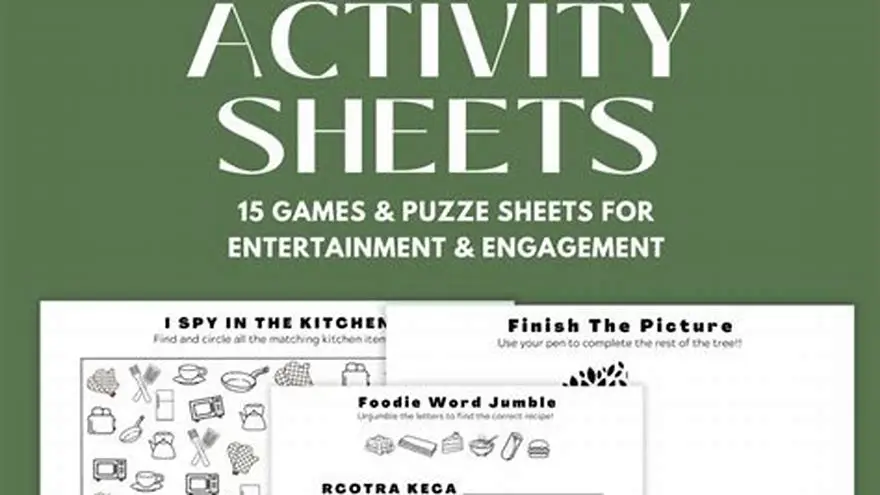
Try large-print word searches with a simple theme like seasons or animals. Print a copy and circle found words with a bright marker. Limit sessions to 15-20 minutes. For the detail, see our notes on activities for men with dementia.
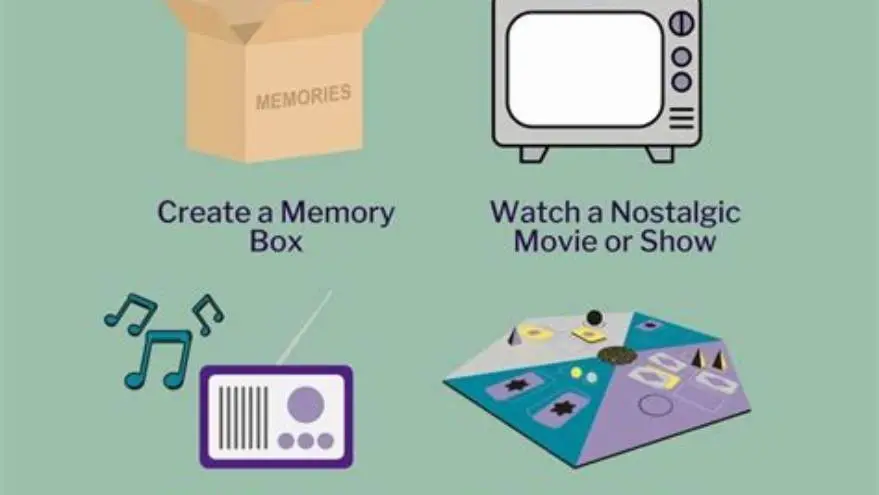
Use picture-based memory cards to prompt stories. Show one card, then ask about related memories. Keep questions open and flexible.
Create simple craft projects such as coloring large shapes or stringing beads. Use materials that are easy to handle and non-toxic.
For example, a large-print word search with the theme of flowers can be printed on colored paper to make it visually appealing. Use a red marker to circle words like rose and tulip. Doing this together adds social interaction. It helps to understand clear print and suitable complexity before going further.
Memory cards might show old photos or common objects. After showing a card, ask, 'What do you remember about this?' This allows the person to share stories at their own pace, avoiding pressure.
For crafts, stringing large beads onto a thick cord is simple but satisfying. Use beads of different shapes and colors. This supports hand-eye coordination and creativity without complex instructions.
- Large-print word search: print, circle words, limit to 20 min
- Memory cards: show one, ask open questions, listen actively
- Simple crafts: coloring or bead stringing with easy materials
Why these activities support engagement without frustration
Success is key to engagement. Activities that are too hard cause stress and withdrawal, while those that are too easy feel boring.
Large print and familiar content reduce sensory and mental strain. They allow the person to focus on enjoyment and social connection instead of struggling.
Conversation cards or prompts enable interaction without pressure. No wrong answers means the person can contribute freely, improving mood and confidence.
Activities for early stage dementia at home
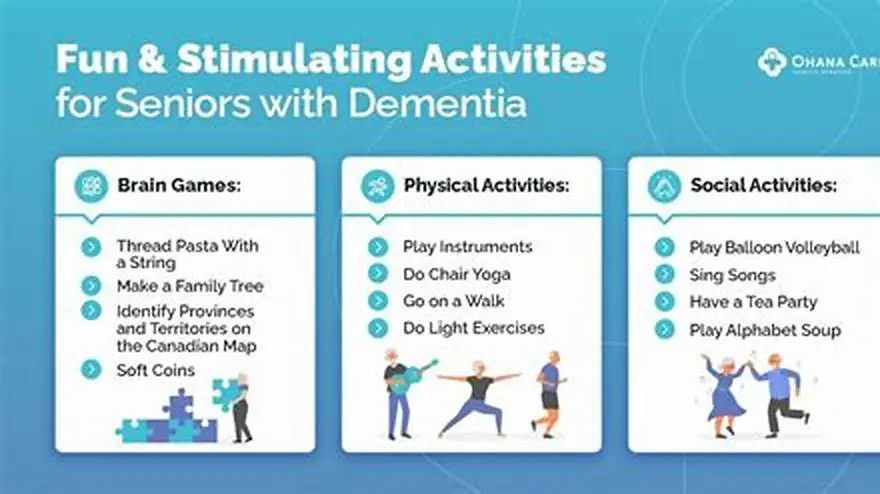
The best activities for early stage dementia at home combine gentle challenge with clear success. Large-print puzzles, memory conversation prompts, and simple crafts fit this description.
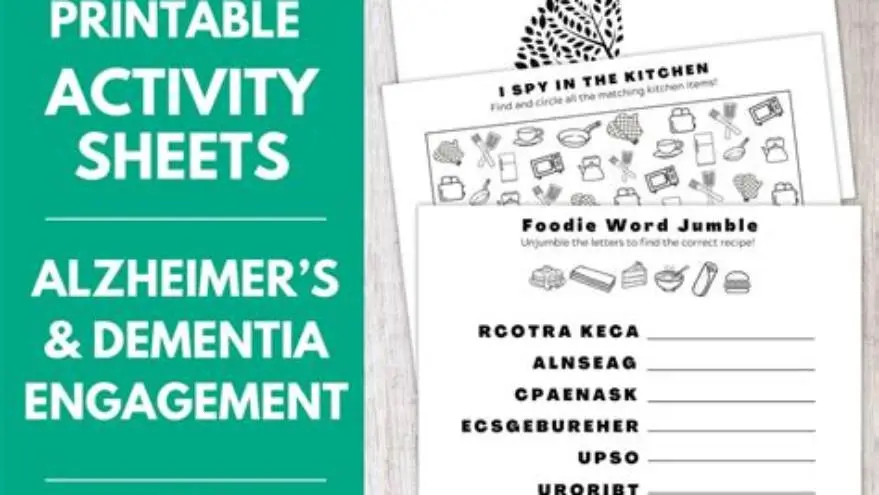
An example set is The Gentle Minds Activity Kit. It offers printable activities in three difficulty levels, a caregiver guide, and conversation cards designed specifically for adults living with memory loss.
Using such a kit saves time and avoids the guesswork of finding suitable tasks. It respects abilities, encourages connection, and prevents frustration by ensuring tasks are calibrated to early dementia needs.
- Three activity difficulty levels
- Over 130 printable pages
- Includes conversation cards
- Caregiver guide for facilitation
- Not a substitute for medical therapy
- No guaranteed cognitive improvement
How to start with activities for early stage dementia at home
Start by observing which activities hold attention and cause no upset. Begin with the easiest puzzles or conversation prompts.
Offer activities regularly but keep sessions short, around 15 to 20 minutes. Repetition helps with familiarity, easing the person into new tasks.
Print multiple copies if needed. Rotate activity types to maintain interest. Track which tasks work best in a simple journal for reference.
- Observe current abilities and interests.
- Choose large-print, simple activities aligned to abilities.
- Prepare materials and set a calm environment.
- Engage for short periods, watching for positive signs.
- Adjust difficulty or switch activities if frustration arises.
Questions people still ask
What types of activities work best for early stage dementia?
Activities that use familiar skills like large-print puzzles, simple crafts, and memory prompts work best. They should be easy to follow and visually clear to avoid frustration.
How can I tell if an activity is too hard or too easy?
If the person shows signs of distress, confusion, or avoids the activity, it is likely too hard. If they seem bored or disengaged, it may be too easy.
Can these activities improve memory or cognition?
These activities support engagement and mood but do not cure or cure dementia. They help maintain skills and encourage connection.
Are printable activity kits helpful for home care?
Yes, printable kits designed for memory loss provide structured, leveled activities and save time. They also include caregiver guides for support.
How often should I do activities with my loved one?
Daily or several times weekly sessions of 15-20 minutes work well. Consistency helps build comfort and routine.
Ready to try it? It provides printable, leveled activities and conversation cards tailored for early dementia engagement at home.
Try the Gentle Minds Kit