Easy at-home activities for dementia with a playlist for sundowning hours
Activities for dementia patients at home that reduce frustration plus a playlist designed for sundowning calm.
Activities for dementia patients at home should focus on simple, familiar tasks that provide calm and success without frustration, like large-print puzzles, sorting items, or gentle music during sundowning hours. Tailor activities to dementia stage and sensory preferences.
On this page (8 sections)
- Key takeaways
- Activities for dementia patients at home
- Simple activities suitable for various dementia stages
- A familiar playlist for sundowning periods
- How to create or find large-print puzzles for dementia patients
- Step-by-step sequence for setting up a dementia-friendly activity session at home
- Activities for dementia patients at home
- Questions people still ask
| Large print size | 16-24 pt |
|---|---|
| Sundowning peak time | Late afternoon to early evening |
| Puzzle types | Word search, sudoku, crosswords, mazes |
| Activity session length | 10-30 minutes |
| Common dementia stages | Mild, moderate, severe |
Key takeaways
- Choose activities that avoid frustration and foster calm success.
- Use large-print puzzles and simple games suited to dementia stages.
- Incorporate a familiar playlist during sundowning hours to ease agitation.
- Tailor activities to individual abilities and interests for best engagement.
- BigPrint Puzzle Studio simplifies custom large-print puzzle creation.
Activities for dementia patients at home
Effective activities for dementia patients at home must prioritize calm and a clear sense of achievement. Most dementia patients respond poorly to tasks that are too complex or fast-paced, which quickly leads to frustration and agitation.
Simple, repetitive actions like sorting objects by color or shape, handling textured fabrics, or completing large-print puzzles can engage attention without overwhelming memory or reasoning skills. These tasks provide sensory or cognitive stimulation while supporting dignity.
Caregivers should observe how the person responds and be ready to switch activities if signs of frustration appear. Activities that retain familiar elements from the person’s past tend to work best because they tap into older, more stable memories.
Simple activities suitable for various dementia stages
Dementia progresses through mild, moderate, and severe stages, each requiring different levels of task complexity. Early-stage patients can manage puzzles with larger print and fewer clues, while mid-stage patients benefit more from tactile and sorting activities. People in this spot often ask about holiday crafts for dementia as well.
Severe dementia patients often respond best to sensory stimulation like music, familiar smells, or soft fabrics since memory and motor skills decline significantly. Activities focused on comfort and sensory input rather than output are preferable.
A flexible approach is essential: start with a simple activity and, if it succeeds, gradually increase complexity or variety. When it fails, scale back immediately to prevent agitation.
In mild to moderate stages, activities that involve some decision-making or problem-solving can foster a sense of independence. For example, selecting clothes based on color coordination or arranging simple items in order can help maintain cognitive skills. These activities should be broken down into small, manageable steps and supported with verbal cues to reduce confusion. People in this spot often ask about nursing home activity ideas as well.
As dementia advances, patience and simplicity become even more critical. For instance, instead of asking a patient to complete an entire puzzle, a caregiver might encourage placing a single piece or sorting a few pieces by color. This approach respects declining abilities while still engaging the patient and providing a feeling of accomplishment.
| Stage | Suitable Activities | Purpose |
|---|---|---|
| Mild | Large-print crosswords, word searches, simple crafts | Cognitive engagement, memory use |
| Moderate | Sorting objects, matching games, simple puzzles | Sensory stimulation, motor skills |
| Severe | Listening to music, touching fabrics, smelling familiar scents | Comfort and sensory input |
A familiar playlist for sundowning periods
Sundowning usually peaks between late afternoon and early evening, causing restlessness and agitation in many dementia patients. A playlist of familiar, soothing music played during these hours can significantly reduce symptoms.
Choose songs from the patient’s youth or middle age, focusing on calm, slow tempos without abrupt changes in volume. Avoid complex or unfamiliar pieces that could cause confusion or overstimulation. If that sounds like your situation, read up on printable puzzle for seniors next.
Playing music softly in the background while the person engages in a quiet activity can extend calm beyond the sundowning window. Keep volume levels manageable and watch for signs of comfort or distress.
- Music selection: avoid fast-paced or unfamiliar tunes
- Timing: start playlist 30 minutes before sundowning symptoms appear
- Volume: keep low to moderate, adjust based on reaction
How to create or find large-print puzzles for dementia patients
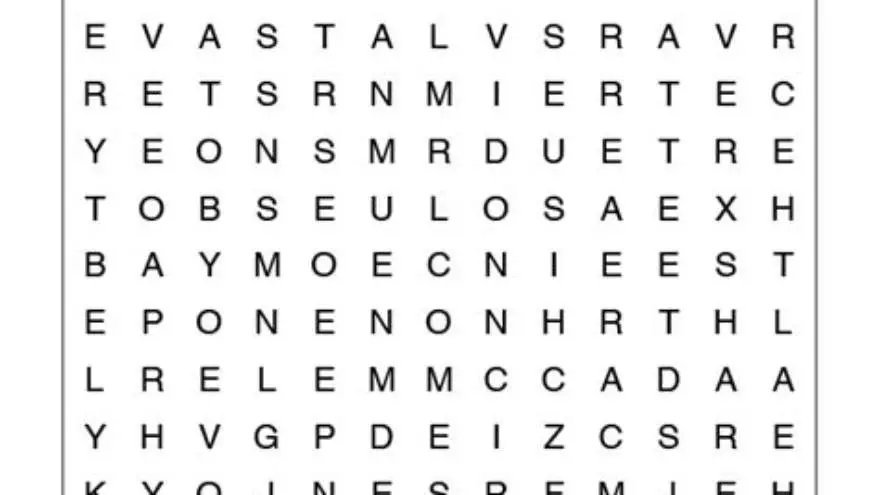
Large-print puzzles help dementia patients engage longer and avoid eye strain. Print size of at least 16 pt improves readability, with 20-24 pt better for significant vision impairments.
You can find free printable puzzles in large print online, but making customized puzzles tailored to interests or themes related to the person’s life increases engagement. This requires software or manual work setting font sizes and word lists. We go through easy puzzles for dementia patients step by step elsewhere on the site.
BigPrint Puzzle Studio is a tool designed to create large-print puzzle books quickly. It offers ready themes and easy customization options, including font size adjustments and answer keys. While it’s not a medical solution, it simplifies producing activities suited to dementia patients at home.
When creating large-print puzzles, consider the cognitive load as well as visual accessibility. Limiting the number of clues to between 10 and 15 prevents overwhelming the patient and keeps the activity achievable. Using high-contrast colors for the puzzle background and letters further aids visibility.
If you prefer physical puzzles, some companies offer commercially produced large-print puzzles specifically designed for dementia patients, typically featuring simple images and large, sturdy pieces measuring at least 2 inches across. Testing a few options can help identify the most suitable type based on personal preferences and motor skills. We go through dementia printable puzzles step by step elsewhere on the site.
A practical check to confirm puzzle appropriateness is monitoring the time taken and frustration signs. If the patient completes a puzzle in 10 to 20 minutes with occasional prompting and without distress, it is likely well matched to their abilities. Frequent pauses or signs of anxiety indicate a need for simpler designs or alternative activities.
- Easy to customize puzzles
- Large font options (16-24 pt)
- Ready-made themes included
- Not a medical or therapeutic tool
- Requires learning basic software use
Step-by-step sequence for setting up a dementia-friendly activity session at home
A structured approach helps maximize success in activity sessions, minimizing frustration for both the patient and caregiver.
Begin by choosing an activity appropriate to the current dementia stage and the person’s known preferences. Prepare the materials in advance and ensure the environment is quiet and free from distractions. We go through cultural prompts for memory recall step by step elsewhere on the site.
Introduce the activity calmly, demonstrating the task if needed. Observe closely and provide encouragement or assistance without taking over. End the session promptly if signs of agitation or fatigue appear.
Before starting, ensure lighting is adequate but not glaring, which helps reduce eye strain during activities. Natural light or soft white bulbs work best. Also, removing unnecessary objects from the work area minimizes distractions that can interrupt focus or cause confusion.
After the session, allow a brief rest period or a soothing activity such as listening to calming music or gentle hand massage. This can reinforce positive feelings associated with the activity and reduce residual agitation. The other half of this decision is how to choose puzzles for someone with dementia.
Keeping a simple log of successful activities and durations helps caregivers plan future sessions tailored to what works best. Recording observations like peak engagement times or favorite tasks supports ongoing customization and improves quality of life.
- Select a simple, familiar activity tailored to ability and interest.
- Prepare materials with large print or tactile elements.
- Set up a calm, distraction-free space.
- Introduce the task clearly and gently.
- Monitor engagement and signs of frustration.
- Offer praise and adjust or stop if needed.
Activities for dementia patients at home
Activities for dementia patients at home work best when they prioritize calm and success over complexity. Simple puzzles in large print, sensory tasks like sorting or folding, and music during sundowning help manage memory loss symptoms and agitation.
Choosing activities that connect with a person’s past life or hobbies encourages engagement. The key is to avoid frustration triggers: too many steps, confusing rules, or fine motor demands beyond capability.
For sundowning, a familiar, calming playlist combined with a quiet activity can ease the transition into evening, reducing pacing and anxiety that often peak then.
Questions people still ask
What types of activities are best for early-stage dementia patients?
Early-stage dementia patients benefit from puzzles like large-print crosswords or word searches, simple crafts, and memory games that still challenge cognitive functions without causing stress.
How long should activity sessions last for someone with dementia?
Sessions typically last 10-30 minutes depending on the patient’s stamina and engagement level. It’s important to stop before fatigue or frustration begins.
Can music really help with sundowning symptoms in dementia?
Yes, familiar and calming music played during late afternoon or early evening can reduce agitation and restlessness, but it must be chosen carefully to avoid overstimulation.
Are large-print puzzles available for free?
Free large-print puzzles exist online but may lack customization. Enlarging regular puzzles using print settings is possible but less reliable in quality.
How do I prevent frustration during dementia activities?
Choose simple, familiar tasks, keep sessions short, provide gentle guidance, and watch for signs of struggle to stop or switch activities promptly.