Winter activities for dementia patients
Printable large-print puzzles and games offer calming winter activities suited for dementia patients’ abilities and interests.
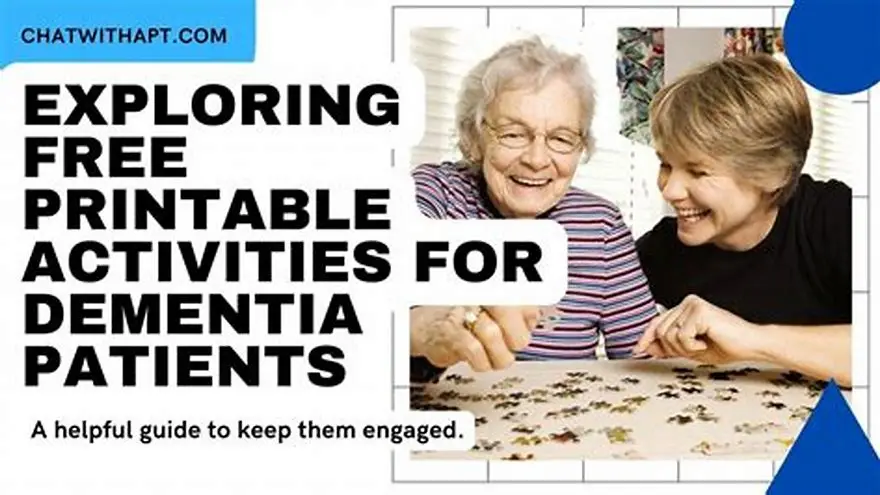
Printable large-print winter puzzles and games suited for dementia patients combine simple, seasonal themes with clear, easy-to-read fonts. Activities that focus on gentle cognitive engagement and familiar imagery work best.
On this page (8 sections)
- The short version
- What types of winter activities work well for dementia patients
- How printables can be adapted for dementia
- Examples of printable winter puzzles and games suitable for memory loss
- Winter activities for dementia patients printable
- How to create your own winter printables for dementia patients
- How to choose winter activities that suit your loved one’s changing abilities
- Questions people still ask
Part of our guide on senior thanksgiving activities
Printable large-print winter activities designed to engage dementia patients with gentle puzzles and seasonal themes.
| Printable pages | 130+ |
|---|---|
| Puzzle types | Word search, sudoku, mazes |
| Text size | Large print |
| Difficulty levels | 3 levels |
| Delivery | Instant download |
The short version
- Winter activities must match the cognitive level of dementia patients.
- Large-print puzzles ease low vision and support focus.
- Seasonal themes like snowflakes and holidays aid engagement.
- Printable sets allow easy reuse and adapt to changing needs.
- Conversation cards help turn activities into social moments.
What types of winter activities work well for dementia patients
Winter activities for dementia patients should focus on gentle stimulation, low frustration, and familiarity. Puzzles, coloring, and memory games with clear seasonal themes work well.
Physical activity is limited by patients’ mobility and safety, so seated, quiet tasks are preferred. The emphasis is on comfort and engagement, not challenge.
Using winter imagery like snowflakes, mittens, and warm beverages triggers recognition and positive feelings. This supports calmness and connection.
Activities that involve conversation or reminiscence encourage social interaction. This can improve mood and reduce anxiety during winter months. There is more on thanksgiving crafts for dementia in a separate guide.
How printables can be adapted for dementia
Printables for dementia patients need large, clear fonts (usually 18-24 point or more) to accommodate low vision. Use high-contrast colors and simple layouts.
Activities must avoid complex instructions and have few steps. This helps maintain attention and reduces confusion.
Printables can include conversation prompts or themed cards to aid caregivers in guiding engagement and encouraging memory sharing. We go through printable dementia activities for adults step by step elsewhere on the site.
Multiple difficulty levels allow tailoring activities as cognitive function changes. Printables offer flexibility to repeat or modify tasks without waste.
Examples of printable winter puzzles and games suitable for memory loss
Word searches with winter vocabulary support recognition and sustained focus. Words can be related to snow, holidays, or warm drinks.
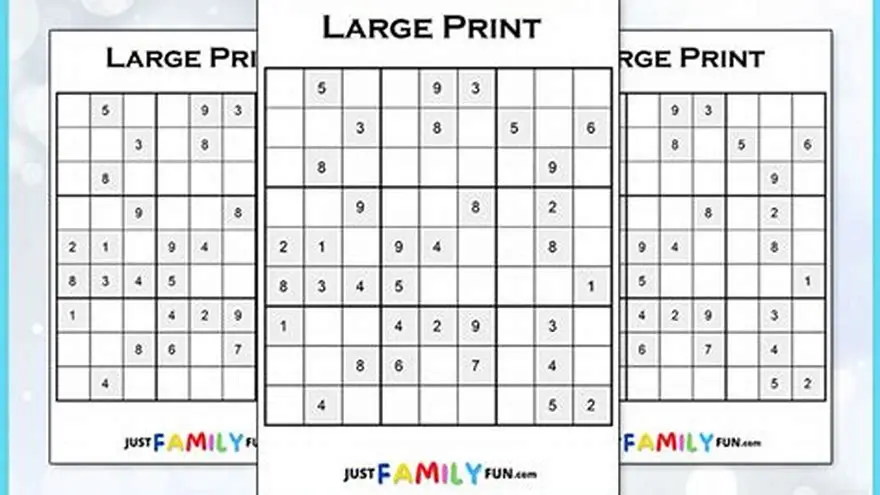
Simple large-print sudoku puzzles engage logical thinking without overwhelming complexity. The other half of this decision is seasonal engagement ideas.
Maze puzzles with winter scenes combine visual tracking and problem-solving.
Matching games using paired winter images promote recall and offer a tactile element when printed on cards.
| Activity | Description | Benefit |
|---|---|---|
| Word search | Find winter-themed words in a large grid | Enhances word recognition and focus |
| Sudoku | Easy 4x4 large-print grids | Supports logical thinking gently |
| Maze | Navigate through a snowy path | Improves visual tracking |
| Matching cards | Pair winter objects or symbols | Stimulates memory and social play |
Winter activities for dementia patients printable
Printable winter activities designed for dementia patients combine gentle cognitive tasks with clear, accessible presentation. They use large print and seasonal themes to engage users comfortably. It helps to understand winter indoor seniors activities before going further.
The Gentle Minds Activity Kit fits this need well. It offers over 130 pages of printable activities at three difficulty levels, all crafted for adults living with memory loss.
The kit includes word searches, puzzles, and conversation cards. These encourage not just solo engagement but meaningful interaction with caregivers.
Because it’s printable on demand, families and activity coordinators can refresh activities weekly or tailor difficulty as needed. This flexibility is key in dementia care. The other half of this decision is sudoku printables sized for seniors.
- Multiple difficulty levels
- Conversation cards included
- Large-print and clear layout
- Printable as needed
- Not a medical or therapeutic tool
- Requires caregiver involvement
How to create your own winter printables for dementia patients
You can make custom large-print puzzles using free online tools like the Large Print Word Search Maker. It allows you to enter your own words and generate clear, readable puzzles.
Choose familiar winter words or phrases that trigger recognition. Keep grids small, with bold letters.
For sudoku or mazes, printable templates are available online that you can enlarge or simplify as needed. It helps to understand fall seniors nursing home activities before going further.
Simple coloring pages with winter scenes also work well for motor and visual engagement. Use thick lines and avoid clutter.
Create conversation prompts on cards linked to winter memories or holiday traditions to accompany puzzles.
- Pick a winter theme or vocabulary set.
- Use an online large-print puzzle maker to generate a word search or crossword.
- Print on heavy paper for durability.
- Add conversation cards or prompts to encourage interaction.
- Test the activity with the individual and adjust difficulty.
How to choose winter activities that suit your loved one’s changing abilities
Dementia symptoms vary over time and even day to day. Activities should adapt accordingly. Watch for signs of frustration or disengagement.
Start with simple puzzles and increase complexity only if the individual responds well. Lower difficulty or switch to coloring if focus drops.
Consider sensory preferences too. Some may prefer tactile activities like handling cards to purely visual puzzles.
Keep sessions short and positive. Multiple short activities may work better than a long one.
Record what worked well to plan future activities and avoid repeats that feel tiring.
Questions people still ask
Can printables really help people with dementia?
Yes, when designed for their needs. Large-print puzzles and games with simple instructions can engage cognition and mood safely.
How large should the print be for dementia-friendly puzzles?
Text sizes of 18 to 24 points or larger help those with low vision. High contrast fonts improve readability.
Are these winter activities safe for all stages of dementia?
Activities should be chosen based on the individual’s current abilities. They work best in mild to moderate stages when cognitive engagement is still possible.
Can family caregivers use these printables without special training?
Yes. Printables often come with simple guides or answer keys to help caregivers facilitate activities.
How often should winter printables be rotated or changed?
Weekly rotation or as attention spans allow prevents boredom and keeps engagement fresh.
What if the person refuses to do puzzles or games?
Try different activity types like coloring or sensory tasks. Sometimes conversation cards linked to memories work better.
Ready to try it? It provides a ready set of large-print, dementia-appropriate winter activities at varied difficulty levels with conversation aids.
Download winter printables now