Fall activities for seniors in nursing homes
Find fall activities for seniors in nursing homes, matched to their abilities and seasonal interests with printable puzzles and engaging group ideas.

Fall activities for seniors in nursing homes should match their cognitive and physical abilities, include autumn-themed printables like large-print word searches, and offer social and sensory events to engage everyone safely.
On this page (8 sections)
- Key takeaways
- Matching fall activities to seniors’ cognitive and physical abilities
- Autumn specials for elder care activities
- Printable fall activities for seniors
- Activity ideas for seniors with dementia
- Fun fall activities for seniors in nursing homes
- Fall activities for seniors in nursing homes: printable and seasonal variety
- Questions people still ask
Part of our guide on memory care thanksgiving printables
| Large print size | 16-24 pt |
|---|---|
| Common puzzle types | word search, sudoku, crossword |
| Activity duration | 30-60 minutes |
| Group event size | 5-15 seniors |
| Ideal fall theme | harvest, leaves, pumpkins |
Key takeaways
- Match activities to seniors’ cognitive and physical levels
- Use large-print puzzles and autumn themes to encourage participation
- Include sensory and social events for engagement and mood enhancement
- Printable puzzles support memory loss and low vision needs
- Plan events with safety and mobility considerations in mind
Matching fall activities to seniors’ cognitive and physical abilities
Fall activities in nursing homes must be carefully matched to seniors’ cognitive and physical levels to ensure participation and enjoyment. For example, those with mild to moderate dementia can engage with structured puzzles like large-print crossword or word searches, while those with advanced memory loss may benefit more from sensory or simple social activities.
Physical limitations must shape activity choice. Seniors with limited mobility or arthritis may prefer seated activities such as large-print puzzles, themed coloring, or music sessions rather than walking outdoors or crafts requiring fine motor skills.
Organizers should assess individual abilities or consult care staff before planning. An activity that is too complex causes frustration, while one too simple may bore. The goal is meaningful engagement that improves mood and cognition without fatigue.
Cognitive abilities can fluctuate daily in seniors, especially those with dementia, so flexibility in activity planning is crucial. For instance, a resident who successfully completes a word search one day may find it challenging the next; offering alternative options like simple matching games or music sessions can maintain engagement without causing frustration. People in this spot often ask about christmas dementia patient activities as well.
Physical abilities may also vary with the time of day and medication schedules. Morning sessions might be more suitable for more physically demanding activities when seniors are more alert and less fatigued. Monitoring energy levels and allowing rest periods within or between activities helps sustain participation and enjoyment.
| Activity Type | Mild Dementia | Moderate Dementia | Advanced Dementia | Limited Mobility |
|---|---|---|---|---|
| Large-print puzzles | Suitable | Suitable | Limited use | Suitable |
| Sensory activities | Suitable | Suitable | Suitable | Suitable |
| Outdoor walks | Suitable | Limited | No | Limited |
| Group discussions | Suitable | Limited | No | Suitable |
| Crafts | Suitable | Limited | No | Limited |
Autumn specials for elder care activities
Seasonal themes like autumn offer a rich source of inspiration. Decorations, scents, and colors remind seniors of nature’s cycle and can spark memories. Examples include pumpkin decorating, leaf collages, or tasting sessions with fall fruits like apples and pears.
Incorporate sensory stimulation through touch (crisp leaves), smell (cinnamon, cloves), and taste (pumpkin spice tea). These sensory events help seniors with dementia access positive memories and increase emotional wellbeing. People in this spot often ask about activity ideas for nursing homes as well.
Social autumn events like themed tea parties or harvest celebrations create opportunities for connection and reduce loneliness, important factors in elder care during colder months when outdoor time is limited.
Weather conditions during autumn can impact the feasibility of outdoor activities in nursing homes. For example, a crisp, sunny day may be ideal for a leaf-collecting walk, while rainy or windy days require indoor alternatives such as pumpkin-themed crafts or storytelling sessions about fall traditions.
Involving seniors in preparing autumn decorations can enhance their sense of contribution and pride. For example, creating paper leaf chains or painting small pumpkins not only stimulates creativity but also promotes fine motor skills within a comfortable, seated setting. For the detail, see our notes on winter activities for seniors indoors.
Printable fall activities for seniors
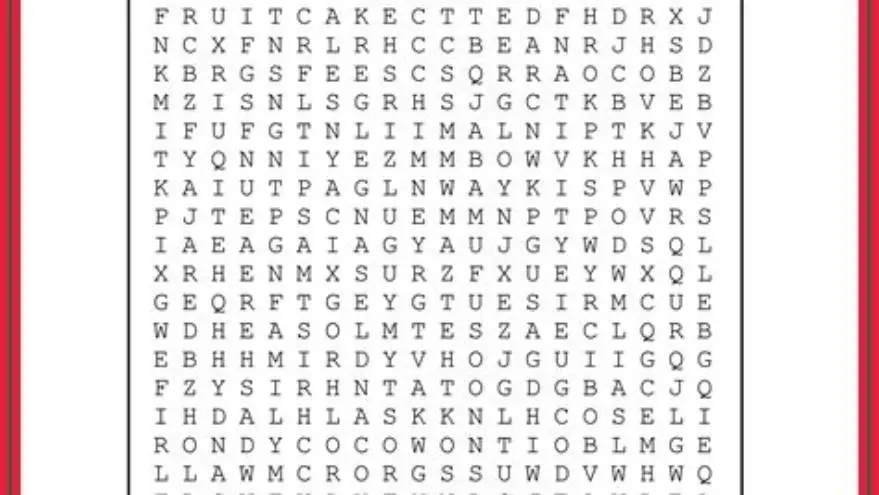
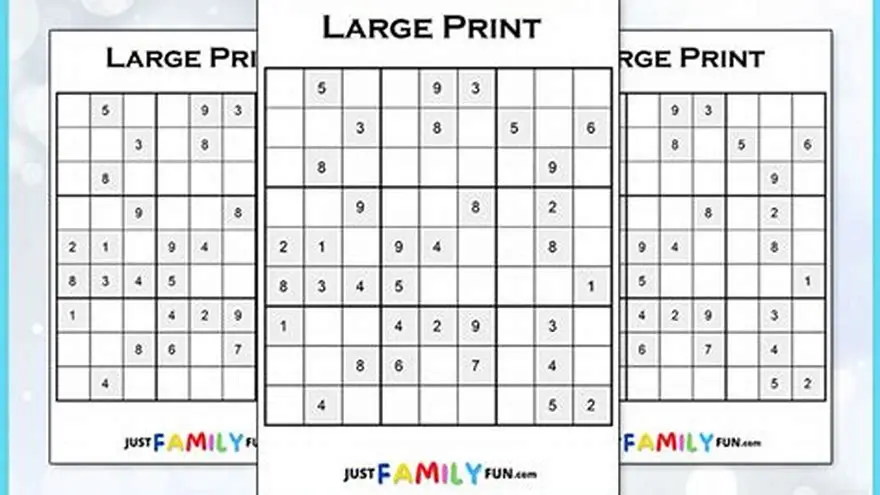
Printable fall activities that use large fonts (16-24 pt) and clear layouts support seniors with low vision and cognitive decline. Word searches, sudoku, and crosswords with autumn themes are popular and effective at stimulating the brain.
Free printable puzzles can be sourced online or created using tools that allow customization of difficulty and size. For example, a word search using fall-related words like “harvest,” “acorn,” and “sweater” connects the activity to the season and is familiar yet challenging enough.
Manual creation of these printables requires time and some design skill. Alternatively, tools like BigPrint Puzzle Studio help caregivers and activity directors quickly generate large-print, themed puzzle books tailored to seniors’ abilities and preferences. There is more on large print festive word search in a separate guide.
A well-designed printable activity must balance challenge with simplicity. For example, a fall-themed word search containing 15-20 words with clear spacing allows seniors to focus without overwhelming them. Larger spacing between letters can reduce visual confusion and improve accuracy.
When printing puzzles, using matte paper reduces glare that can strain seniors’ eyes, especially under artificial lighting common in nursing homes. Laminating printables or using plastic sleeves allows for repeated use with dry-erase markers, saving resources and enabling corrections.
- Supports vision and cognition
- Easy to distribute and reproduce
- Can be customized for ability
- Requires printer and paper
- Some design skill for custom printables
- Not interactive without facilitator
Activity ideas for seniors with dementia
Seniors with dementia benefit most from activities that reduce frustration and support memory with simple, repetitive, and sensory-rich tasks. Autumn-themed sensory bins with pine cones, leaves, and safe spices allow them to touch and smell familiar textures and scents. The other half of this decision is printable sudoku with large grids.
Music and rhythm using fall songs or nature sounds provide engagement without needing active participation. Large-print puzzles with fewer words or images help maintain a sense of accomplishment without overwhelming complexity.
Social activities such as reminiscence groups focused on autumn memories enable emotional connection and communication. Staff or volunteers facilitating these should allow plenty of time and encourage participation at any level.
Visual aids can support seniors with dementia during activities. For example, picture cards showing autumn items like pumpkins or leaves can cue recognition and facilitate discussion during reminiscence groups.
Caregivers should watch for signs of agitation or fatigue during activities. If a senior becomes restless or withdrawn, gently shifting to a calming activity such as listening to soft autumn-themed music or watching nature videos can help soothe and reengage them.
Fun fall activities for seniors in nursing homes
Fun fall activities span active games, crafts, sensory experiences, and group social events. Examples include pumpkin bowling using soft balls, making simple leaf garlands, or organizing a costume day with light dress-up.
Consider safety: avoid brittle leaves that may cause cuts or small decorations that pose choking hazards. Activities should last about 30-60 minutes to minimize fatigue but long enough to build enjoyment.
Outdoor options like garden walks to view fall foliage work if weather and mobility permit. When not possible, indoor nature-themed decorations and videos of autumn scenes maintain seasonal connection.
Adapting games to individual capabilities maximizes fun and safety. For example, pumpkin bowling can use lightweight foam balls instead of heavier ones to accommodate limited strength or coordination, lowering the risk of injury.
Measuring enjoyment post-activity can help refine future choices. Staff might observe participation levels, smiles, or verbal feedback during activities like costume days, adjusting the complexity or duration accordingly to optimize engagement.
Fall activities for seniors in nursing homes: printable and seasonal variety
Fall activities for seniors in nursing homes should combine printable puzzles tailored by difficulty and seasonally themed group events to maintain engagement across abilities. Large-print word searches and sudoku challenge the mind, while sensory and social events stimulate emotion and memory.
For caregivers and activity planners, balancing individual preferences with group dynamics is essential. Printables offer quiet, focused time for some, while harvest festivals or music gatherings appeal to others.
Using a tool like BigPrint Puzzle Studio simplifies producing tailored large-print puzzles quickly with fall themes. This saves time over manual creation, especially for activity directors managing multiple residents’ needs.
Manual printables are available free online but may lack customization or large print options. Combining both resources ensures variety and accessibility.
Combining printable and group activities caters to diverse preferences and energy levels. For example, after a group harvest festival, some seniors may prefer sitting quietly with a themed puzzle while others continue socializing, allowing self-directed pacing.
Seasonal variety also includes incorporating educational elements about fall traditions or harvest facts. A brief discussion before or after activities can stimulate cognitive connections and provide meaningful context, enhancing the overall experience.
Questions people still ask
What types of puzzles are best for seniors with low vision?
Large-print puzzles with font sizes between 16 and 24 points work best. Word searches and simple crosswords with clear contrast help maintain readability and engagement.
How long should fall activities last for seniors in nursing homes?
About 30 to 60 minutes is ideal to balance engagement and prevent fatigue. Some seniors may need shorter sessions based on health and attention span.
Can seniors with advanced dementia participate in fall activities?
Yes, but activities should focus on sensory stimulation and social interaction, avoiding complex tasks to minimize frustration.
Are there free printable fall puzzles available for seniors?
Various websites offer free printable puzzles, but they may not always have large-print or dementia-friendly versions. Tools and software can customize puzzles to suit specific needs.
How do I ensure fall activities are safe for all seniors?
Check materials for choking hazards, avoid sharp objects, and consider mobility limitations. Supervise activities and provide assistance as needed.
Ready to try it? It helps create large-print, seasonal puzzles quickly and tailored to seniors’ cognitive levels, saving time and improving engagement.
Create large-print puzzles