Christmas activities for dementia patients: varied ideas matched to stages
Find Christmas activities matched to dementia stages with simple crafts, sensory tasks, and printable large-print puzzles that engage and comfort.

Choose Christmas activities based on dementia stage: simple crafts for early, sensory-friendly tasks for middle, and comfort-focused, familiar routines for late stages, using large-print or tactile materials to aid engagement.
On this page (8 sections)
- Key takeaways
- How to match Christmas activities to dementia stages
- Simple and festive craft ideas for dementia patients
- Adapting Christmas activities for different dementia stages
- How to engage dementia patients meaningfully during Christmas
- Examples of large-print and sensory-friendly Christmas materials
- Step-by-step sequence to prepare and use Christmas activities for dementia patients
- Questions people still ask
Part of our guide on thanksgiving activities for seniors
| Dementia stages | Early, middle, late |
|---|---|
| Large print size | 16-24 pt fonts |
| Craft complexity | Simple to moderate |
| Sensory focus | Tactile and scent-based |
| Activity duration | 10-30 minutes |
Key takeaways
- Match activities to dementia stages for best engagement
- Use large-print and sensory materials to aid participation
- Simple crafts work for early stage; sensory tasks for moderate
- Late-stage benefits from familiar, soothing activities
- Adapt materials for vision and cognitive challenges
How to match Christmas activities to dementia stages
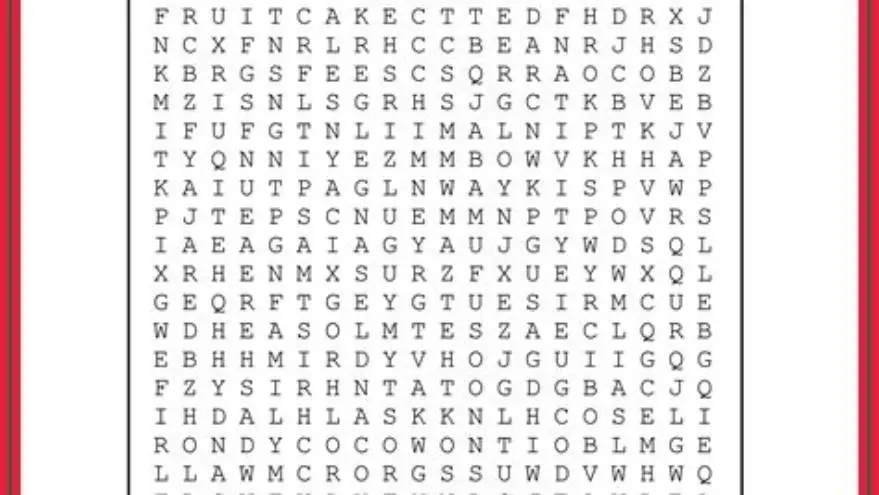
Dementia patients benefit from activities that suit their cognitive abilities. Early-stage individuals can handle simple tasks involving memory and fine motor skills, such as easy crafts or large-print word searches. Middle-stage patients respond better to sensory activities that do not require complex instructions.
Late-stage dementia requires familiar, comforting routines focusing on sensory stimulation and reducing frustration. Activities need to be shorter, with minimal demands on memory or coordination. Adapting the complexity and sensory input prevents overwhelming or discouraging the participant.
The key is to observe current abilities and tailor the Christmas activity to match. Changes in mood or fatigue signal when to switch or stop. A well-matched activity boosts mood and engagement, while a mismatch risks withdrawal or agitation.
Simple and festive craft ideas for dementia patients
Crafts suitable for early to middle-stage dementia patients use large, easy-to-handle materials and clear step-by-step guidance. For example, decorating paper ornaments with pre-cut shapes and large stickers provides a festive feel without frustration. People in this spot often ask about christmas word search for seniors as well.
Use safe, familiar supplies like felt, ribbon, and non-toxic glue. Limit colors and complexity to avoid overstimulation. Large-print instructions or pictorial guides help caregivers support the patient. Crafts such as making wreaths from pre-cut paper leaves or stringing large beads can be festive and manageable.
Adapting crafts for vision impairments means choosing brightly colored materials with strong contrast. For those who struggle with fine motor skills, larger pieces or pre-assembled parts reduce difficulty and encourage participation.
- Paper ornament decoration: large stickers and shapes
- Ribbon wreaths: use pre-cut strips for threading
- Greeting card making: simple stamping or coloring
- Bead garlands: large beads, elastic string
Adapting Christmas activities for different dementia stages
Activities must evolve as dementia progresses. Early-stage patients can handle multi-step tasks and puzzles with clear instructions. Middle-stage individuals benefit more from single-step sensory activities and familiar holiday songs or stories. We cover home activities for dementia patients in its own article.
Late-stage patients require very simple or passive activities like holding scented pine branches, listening to Christmas music, or watching seasonal lights. The caregiver’s role shifts to providing comfort and encouragement rather than expecting active participation.
To adapt, reduce task complexity by breaking down steps, use more sensory cues (touch, smell, sound), and shorten activity duration. Flexibility is essential; if the patient shows signs of distress or fatigue, switch to a gentler task or a rest period.
| Stage | Activity Type | Complexity | Duration | Materials |
|---|---|---|---|---|
| Early | Crafts, puzzles | Moderate | 20-30 mins | Large-print, simple tools |
| Middle | Sensory crafts, music | Simple | 15-20 mins | Textured, scented items |
| Late | Passive sensory | Minimal | 10-15 mins | Familiar scents, music |
How to engage dementia patients meaningfully during Christmas
Meaningful engagement hinges on creating moments that connect to the patient's past or senses without demanding complex memory recall. Use familiar Christmas music, scents of pine or cinnamon, and simple tactile crafts to evoke positive feelings. We go through printable fall puzzles for seniors step by step elsewhere on the site.
Involve patients in decorating with safe, easy-to-use items like large baubles or garlands they can touch or hold. Encourage reminiscing by sharing short, clear stories about holiday traditions, accompanied by related sensory props.
Engagement also requires patience and responsiveness. If concentration wanes, switch to quiet companionship or a gentle hand massage with festive-scented lotion. The goal is comfort and presence, not performance.
Including family members or familiar caregivers in Christmas activities can enhance engagement by providing emotional support and shared memories. Their presence often helps patients feel more secure and motivated to participate when the activity is framed as a joint celebration rather than a task. For example, singing a favorite carol together can spark smiles and gentle movement even in those with moderate dementia. It helps to understand winter indoor seniors activities before going further.
Visual aids like photo albums or simple picture books depicting previous Christmas events can serve as prompts for conversation and reminiscence. Pairing these with sensory stimuli such as a sprig of holly or a small wrapped gift allows the patient to connect multiple senses, deepening engagement. These aids should be kept simple, with only a few images at a time to avoid confusion or frustration.
Monitoring nonverbal cues during activities is critical. Signs of enjoyment include relaxed posture, smiling, or humming along to music. Conversely, agitation or withdrawal suggests the activity may be too challenging or overstimulating. Adjusting the environment by reducing noise or bright lights can help maintain comfort and focus during Christmas celebrations, ensuring the experience remains positive.
Examples of large-print and sensory-friendly Christmas materials
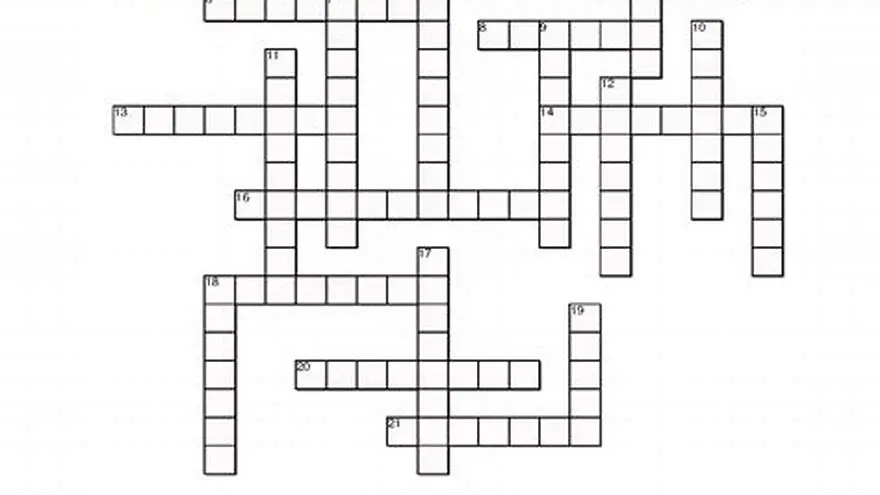
Large-print materials use fonts sized between 16 and 24 points with high-contrast colors like black on white or red on cream. Word searches, simple crosswords, and bingo cards with Christmas themes can be adapted this way to suit those with low vision or cognitive slowing. We cover thanksgiving crossword free printable in its own article.
Sensory-friendly items include soft fabric scraps for crafts, textured wrapping papers, scented pine cones, and lightweight ornaments. Avoid fragile or sharp decorations that might cause frustration or injury.
Printable Christmas puzzles with large print can be created easily using online tools like BigPrint Puzzle Studio, which allow customization for font size and content. This tool addresses the challenge of finding suitable large-print puzzles by enabling quick creation of themed activity books.
- Large-print puzzles: word searches, sudoku, crosswords
- Sensory items: pine cones, soft ribbons, scented sachets
- High-contrast colors: black/red on white/cream
- Safe materials: no sharp edges or fragile pieces
Step-by-step sequence to prepare and use Christmas activities for dementia patients
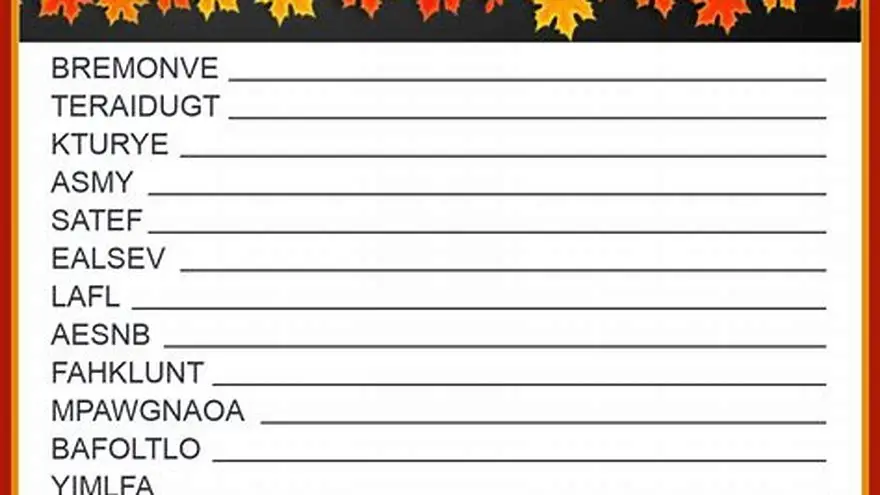
Preparing activities requires assessing abilities, selecting suitable tasks, gathering materials, and planning the session length. Starting with a familiar Christmas song or scent helps ease into the activity. We go through free printable thanksgiving word scramble step by step elsewhere on the site.
Introduce the task gently, providing clear, simple instructions or demonstrations. Encourage participation without pressure and be ready to assist or switch activities if needed.
After the activity, offer positive feedback and time for rest or reflection. Keep a note of which activities worked best for future sessions.
- Assess cognitive and physical abilities before selecting activity.
- Choose activity complexity according to dementia stage.
- Gather large-print or sensory-friendly materials safely.
- Begin with familiar sensory cues like music or scent.
- Explain or demonstrate task in simple steps.
- Encourage participation, assist as necessary, watch for distress.
- End with positive reinforcement and rest period.
- Record success to tailor future activities.
Questions people still ask
What if a dementia patient refuses to participate in Christmas activities?
Refusal can signal fatigue, confusion, or overstimulation. Try simpler tasks, sensory-only options, or just quiet companionship. Respect their mood, return later, or use familiar music or scents to invite engagement gently.
How can I make large-print Christmas puzzles at home for dementia patients?
You can create puzzles using word processors with fonts sized 16-24 pt and high-contrast colors. Alternatively, online tools like BigPrint Puzzle Studio simplify creating themed large-print puzzles quickly without complex design skills.
Are there specific Christmas scents that help dementia patients?
Common scents like pine, cinnamon, and clove often evoke positive memories and calm agitation. Use them in sachets or candles, but ensure no allergies or sensitivities. Introduce scents gently to avoid overwhelming the senses.
How do I adapt activities for a dementia patient with poor vision?
Use large-print materials with high contrast colors and tactile elements. Avoid small or detailed items. Bright, simple colors and familiar shapes help recognition. Sensory input through touch or smell can supplement poor vision.
Can Christmas music improve engagement for dementia patients?
Yes, familiar holiday songs can boost mood and prompt memories. Use slow, clear melodies and sing along or play softly. Be mindful of volume and patient preference to avoid overstimulation.