Thanksgiving crafts and gentle activities that engage dementia patients
Find practical Thanksgiving activities to engage dementia patients with crafts and gentle games tailored to their abilities and interests.
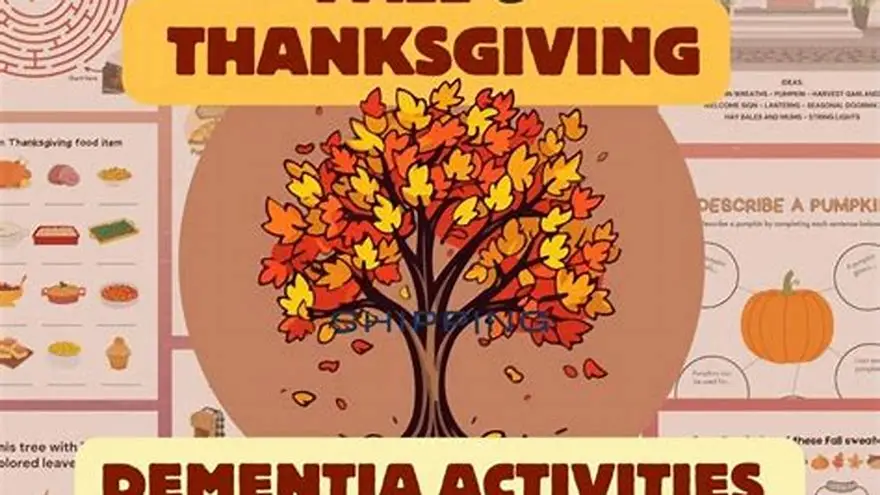
Thanksgiving activities for dementia patients should be simple, familiar, and gentle, such as large-print word searches, easy crafts like leaf painting, and memory-stimulating conversation cards. Activities must avoid frustration, focusing on enjoyment over complexity.
On this page (8 sections)
- The short version
- Which Thanksgiving crafts suit dementia patients best
- How to adapt activities for memory loss
- Examples of gentle, familiar Thanksgiving-themed activities
- How to prepare your Thanksgiving activities kit
- Thanksgiving activities for dementia patients that include puzzles and games
- How the Gentle Minds Activity Kit supports Thanksgiving activities for dementia patients
- Questions people still ask
Part of our guide on thanksgiving activities for seniors
Easy, familiar Thanksgiving crafts and puzzles tailored to engage dementia patients without causing frustration or confusion.
| Printable pages | 130+ |
|---|---|
| Difficulty levels | 3 levels |
| Conversation cards | 48 cards |
| Craft complexity | Simple steps |
| Activity focus | Engagement, not therapy |
The short version
- Choose crafts that use familiar Thanksgiving themes and simple steps
- Adapt activities by simplifying instructions and allowing flexibility
- Use large-print puzzles and word games to support low vision and memory loss
- Gentle Minds Activity Kit offers printable, level-based activities matched to abilities
- Conversation cards enhance engagement and memory sharing during activities
Which Thanksgiving crafts suit dementia patients best
Pick crafts that feel safe and familiar. Familiar items spark memory and lower anxiety. Choose projects with big pieces and simple steps. Leaf stamping with paint works well. Decorating paper pumpkins also works. Stringing large wooden beads in autumn colors suits many hands.
Avoid any craft that needs fine motor precision. Intricate cutting or tiny sticking steps frustrate. Too many parts breaks attention. Pick activities that give results quickly. A finished project boosts mood and confidence.
Use clear, adult symbols like turkeys, leaves, and cornucopias. Those images trigger recognition and ease participation. Lay out all supplies before you start. Prepare samples so the person sees the goal. Keep materials non-toxic and easy to clean. Speak calmly and show each step one at a time.
How to adapt activities for memory loss
Start by simplifying each task into a few clear steps. Show the step once. Then ask the person to try it. Use the same words every time. That builds familiarity and lowers confusion. People in this spot often ask about christmas dementia patient activities as well.
Keep the pace slow. Pause after each instruction. Use a steady tone and smile. Offer gentle physical guidance if the person accepts it. Stop and rest if you see signs of fatigue.
Choose crafts that use familiar themes. A paper turkey, a hand-print leaf, and a simple gratitude card work well. Familiar images trigger memories and encourage participation.
Paper turkey, step by step: cut a large circle for the body. Cut several smaller leaf shapes for feathers. Give pre-cut pieces if cutting is hard. Glue the feathers to the back of the circle. Draw two eyes and a beak. Use stickers for eyes if drawing is tricky. We cover dementia winter games printable in its own article.
Hand-print leaf, step by step: choose a sheet of coloured paper. Help the person place their palm on the paper. Paint one side of the hand with a brush and press down. Wait for 30 seconds, then lift. Trim the print into a leaf shape. Glue it on a card and write a short message.
Gratitude card, step by step: fold a sheet in half. Provide a pen with a wide barrel. Offer a list of short prompts you read aloud. Examples: "I am thankful for...", "I like when...". Let the person choose a prompt. Help them write or use stickers to show the idea.
Offer choice without pressure. Lay out two colours or two stickers and let the person pick. Choice increases engagement. It also keeps the task within ability. We go through fall activities for seniors in nursing homes step by step elsewhere on the site.
Adjust materials to vision and dexterity. Use large-print labels. Swap thin markers for wide-tip markers. Use pre-cut shapes and adhesive dots instead of liquid glue.
Keep sessions short. Aim for 10 to 20 minutes. That reduces frustration and fatigue. Repeat the same activity over several days if it went well.
Examples of gentle, familiar Thanksgiving-themed activities
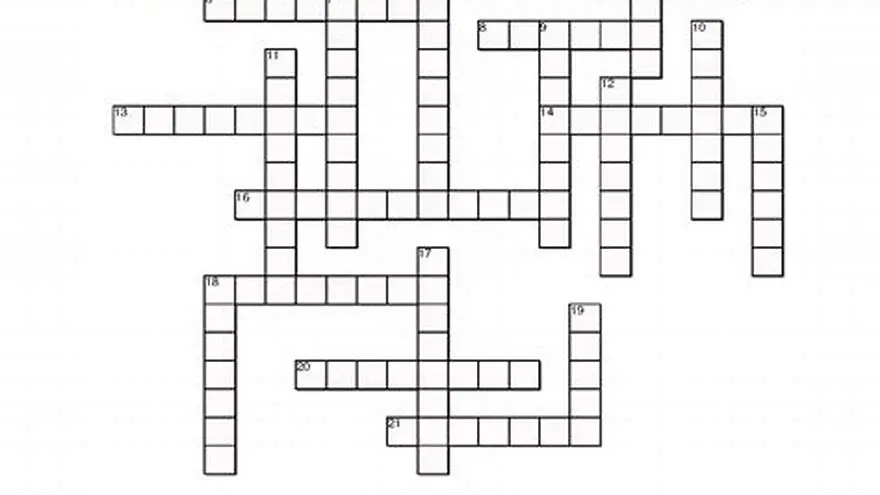
Word searches featuring Thanksgiving words in large print aid focus and memory. These puzzles stimulate recognition without timed pressure. Pair with an answer page for caregivers to assist. It helps to understand printable thanksgiving crossword puzzle before going further.
Decorate simple paper turkeys by attaching colorful feathers or stickers. This tactile task engages fine motor skills gently while connecting to holiday themes.
Use conversation cards with Thanksgiving prompts to spark memories and smiles. Questions like 'What is your favorite Thanksgiving food?' or 'Did you help cook as a child?' encourage sharing.
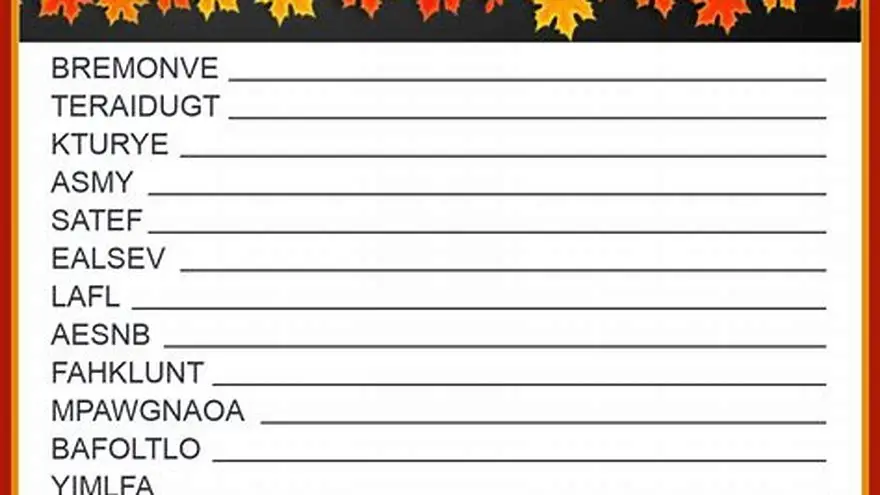
Make collages from autumn leaves and magazine cutouts. This flexible craft allows creativity with minimal steps and no strict rules. There is more on printable thanksgiving word scramble in a separate guide.
How to prepare your Thanksgiving activities kit
Gather all materials beforehand to streamline the activity session. Have glue, scissors (safety scissors for dementia patients), paper, and coloring supplies ready.
Create a quiet, comfortable environment with minimal distractions. Soft background music or natural light can help set a calm mood.
Plan a short activity duration: 15 to 30 minutes usually suits attention spans. Allow breaks and switch activities if engagement drops.
Label materials with large clear text or pictures. This helps participants identify items independently or with minimal support.
Thanksgiving activities for dementia patients that include puzzles and games
Large-print puzzles such as word searches, crosswords, and sudoku adapted for seniors support cognitive function gently. They focus on pattern recognition and memory without timed pressure.
Word search puzzles featuring 10 to 15 themed words are suitable. The font size should be at least 18 points, depending on vision abilities.
Gentle Minds Activity Kit offers printable puzzles at three difficulty levels, making it easy to adapt to each person's needs.
Pair puzzles with gentle conversation prompts from the kit to create social interaction alongside cognitive activity.
How the Gentle Minds Activity Kit supports Thanksgiving activities for dementia patients
This section describes what a credible activity kit should include and how to check its claims. Do not assume product descriptions are accurate. Look for clear lists, sample pages, and a vendor contact.
A reliable kit packs three types of content. Printable crafts with large-print instructions. Simple puzzles with bold pieces. Conversation prompts tied to Thanksgiving memories. Each item should show a sample page on the seller's site.
Check for specific, verifiable details. Look for a contents list that names page counts, card counts, and file formats. A trustworthy seller offers a preview PDF or free sample you can download. If you cannot find a sample, contact the vendor before buying.
If a kit promises levels of difficulty, confirm what each level means. Sellers should describe task length, fine-motor demands, and recommended supervision. If they do not, treat the claim as unverified.
Keep dignity central. Choose adult-focused imagery and language. Avoid cartoonish art and tiny pieces. Prefer kits that note safety rules and cleaning instructions.
Safety with materials: avoid loose beads and small buttons for people who may put items in their mouths. Replace liquid glue with glue sticks or adhesive dots. Use non-toxic, washable tempera paint. Offer paint on plates rather than open jars to reduce spills.
Manage paint safely: set a damp cloth and paper towels within reach. Use a smock or an old shirt to protect clothing. Limit paint time to 10 minutes. Rinse hands immediately after painting. Supervise until hands are clean.
Manage glue safely: use glue sticks or adhesive tabs. Have wipes and a damp cloth ready. Apply adhesive to the piece, not the table. Keep extra adhesive out of reach until needed.
If you need sensory stimulation, use dried leaves, fabric scraps, or textured paper. These items add variety without chemical risks. Store materials in labelled boxes to keep sessions predictable.
If you still want a ready-made kit, request these proofs: a content list, sample pages, a refund policy, and a statement about safety materials. Keep receipts and test one activity before doing a group session.
- Look for sample pages before you buy
- Prefer glue sticks and adhesive dots over liquid glue
- Use washable tempera paint and paint plates
- Limit sessions to
10–20minutes - Request a content list and safety statements from the seller
Questions people still ask
Can Thanksgiving crafts frustrate dementia patients?
Yes, crafts that are too complex or unfamiliar may cause frustration. Choose simple steps and familiar materials to keep activities enjoyable and stress-free.
How do I know which activity level suits my loved one?
Observe their current abilities and attention span. Start with the easiest level and adjust up or down based on how they respond.
Are large-print puzzles better for dementia patients?
Large print supports low vision and eases recognition, making puzzles more accessible and enjoyable.
Can I use the Gentle Minds Activity Kit multiple times?
Yes, the kit is printable and reusable. You can print fresh copies for new sessions or other participants.
Do the activities require caregiver involvement?
Some activities benefit from caregiver guidance or participation, especially conversation cards, but others can be done independently within ability.
Ready to try it? It delivers printable, large-print Thanksgiving activities at three levels, with conversation cards and a caregiver guide for dementia patients.
Download the activity kit