Winter indoor activities for seniors: varied ideas matched to ability
Find indoor winter activities for seniors tailored to their abilities and living situations, with practical tips and printable puzzle options.

Winter activities for seniors indoors include large-print puzzles, gentle chair exercises, creative crafts, and interactive games, all adaptable by ability level and setting, ensuring engagement and comfort despite cold weather and limited mobility.
On this page (8 sections)
- Key takeaways
- Which activities suit different ability levels indoors
- How to adapt activities for winter conditions
- Options for nursing home and home settings
- Winter indoor activities for seniors indoors
- How to create or source large-print winter puzzles
- Engaging seniors beyond generic lists of winter ideas
- Questions people still ask
Part of our guide on senior thanksgiving activities
| Large print size | 16-24 pt |
|---|---|
| Puzzle types | Crosswords, Sudoku, Word searches |
| Typical session length | 20-45 minutes |
| Exercise intensity | Very light to moderate |
| Craft duration | 1-2 hours |
| Adaptation needed | Yes, by ability |
| Printable tools | Available |
Key takeaways
- Seniors benefit from indoor activities tailored to cognitive and physical abilities.
- Large-print puzzles suit low vision and memory loss common in winter.
- Adapt activities with warm, safe spaces and accessible materials.
- Nursing home and home settings require different activity considerations.
- Printable puzzles can be created easily to match seasonal themes and abilities.
Which activities suit different ability levels indoors
Seniors’ abilities indoors vary widely in winter: cognitive function, vision, mobility, and endurance determine which activities engage without causing frustration or fatigue. For those with mild or no impairments, puzzles like large-print crosswords and Sudoku offer mental challenge and satisfaction. Dementia or memory loss calls for simpler word searches or matching games with clear visuals.
Physical abilities also matter. Seniors able to move easily may enjoy gentle chair yoga or stretching designed for small spaces, while those with limited mobility can participate in hand-based crafts or sensory activities. The key is matching the puzzle or activity complexity and physical demands to the individual's functional level.
Caregivers and activity planners should assess seniors’ endurance. Sessions exceeding 45 minutes risk fatigue, especially in winter when energy dips. Shorter, repeatable activities often work better. Activities should provide measurable success or progress to maintain motivation and a sense of achievement.
| Ability Level | Cognitive Demand | Example Activity | Physical Effort |
|---|---|---|---|
| High mobility | High | Large-print Sudoku | Light stretching |
| Moderate mobility | Moderate | Word searches (large print) | Chair yoga |
| Limited mobility | Low | Matching cards or simple puzzles | Hand crafts |
| Memory loss | Very low | Sensory play, coloring | Minimal to none |
How to adapt activities for winter conditions
Winter reduces outdoor time and often lowers indoor temperatures, affecting seniors’ comfort and motivation. Indoor activities must consider heating, lighting, and ease of access. Warm, well-lit spaces with minimal clutter reduce risks of falls and cold-related stiffness. The other half of this decision is fall activities for seniors in nursing homes.
Materials for puzzles or crafts should be easy to handle without gloves, or provide warm fingerless gloves to avoid drops. Avoid activities requiring fine motor skills that cold fingers struggle with, or ensure warm breaks. Use large-print materials to compensate for dimmer light levels common in winter rooms.
Use seasonal themes to boost engagement. Winter-themed puzzles or crafts tied to holidays and seasons create relevance. Applying scents like cinnamon or pine in crafts can heighten sensory stimulation, helping focus and mood. Adapt timing: avoid late afternoons when energy wanes, aiming for mid-morning or early afternoon.
- Warm spaces: Maintain room temperature above 68°F (
20°C) for comfort. - Lighting: Use natural light or full-spectrum bulbs to reduce eye strain.
- Handling materials: Choose chunky pens, large-piece crafts to ease handling.
- Seasonal themes: Incorporate winter topics to enhance interest.
Options for nursing home and home settings
Nursing homes often have structured activity schedules and staff trained to adapt activities to residents’ needs, making group interaction easier. Group puzzles, bingo with large-print cards, or assisted crafts maximize social benefits and cognitive stimulation simultaneously. If that sounds like your situation, read up on activities to do at home next.
Home settings offer more flexibility but require activity planners—family or caregivers—to tailor activities individually. Home seniors may prefer solitary puzzles like Sudoku or word searches printed in large type to manage isolated time during winter.
Both settings benefit from a mix of mentally stimulating puzzles and gentle physical activity. Nursing homes can provide equipment like adapted exercise bands or sensory kits, while homes should keep simple exercise props handy, such as stress balls or lightweight hand weights, for short sessions.
| Feature | Nursing Home | Home |
|---|---|---|
| Social interaction | High, group activities | Variable, often solitary |
| Staff support | Professional staff | Family or caregiver led |
| Activity structure | Scheduled | Flexible timing |
| Access to materials | Provided by facility | Must be sourced or printed |
| Physical activity aids | Available | Needs provision |
Winter indoor activities for seniors indoors
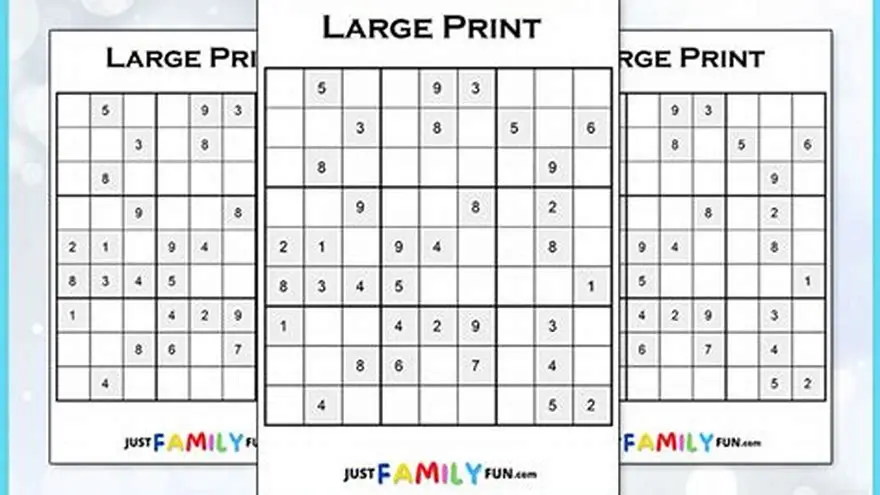
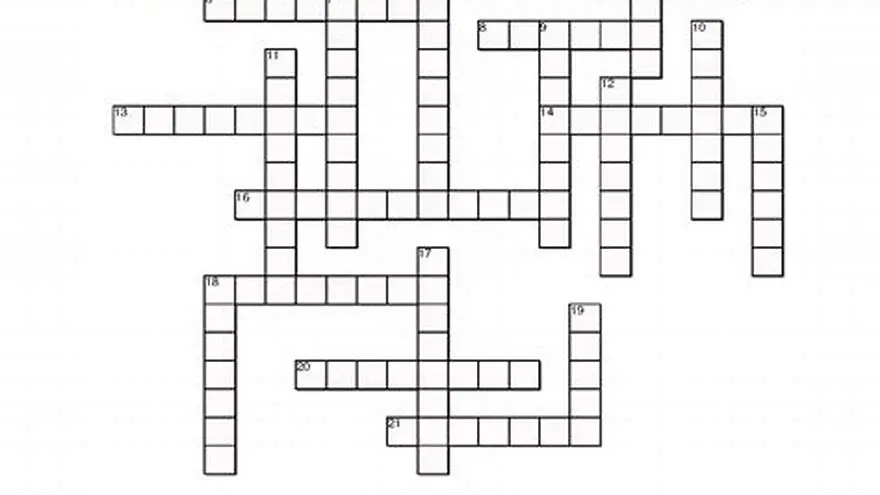
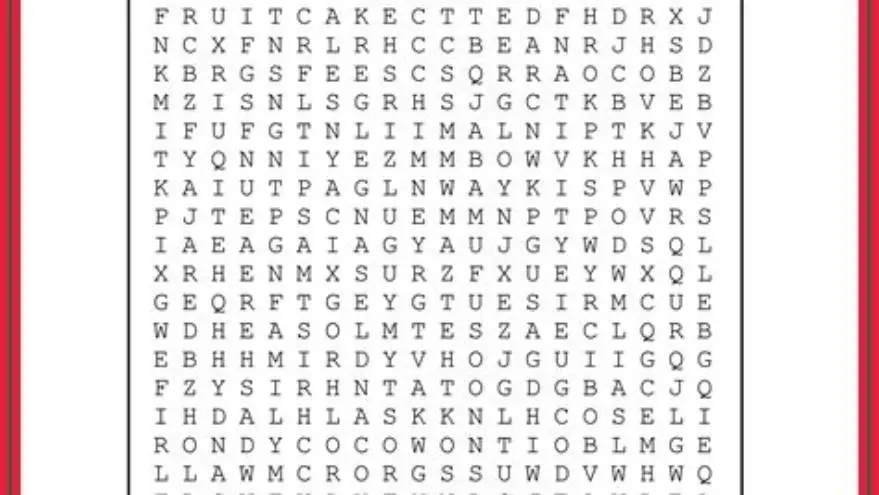
Large-print puzzles like word searches, sudoku, and crosswords remain top indoor winter choices because they stimulate cognition without physical strain. Printables with font sizes from 16 to 24 points improve readability for seniors with mild to moderate vision loss. The other half of this decision is seasonal engagement ideas.
Creative crafts such as simple knitting, collage making, or seasonal card decorating engage fine motor skills and encourage expression. Crafts are best done seated and with frequent breaks to avoid fatigue.
Interactive games like bingo with large cards, trivia quizzes tailored to seniors’ interests, or storytelling circles promote social interaction and memory recall. These activities ease loneliness common in cold months and offer enjoyable mental exercise.
Gentle chair exercises and stretching routines improve circulation and reduce stiffness caused by inactivity and cold temperatures. Sessions of 15-20 minutes, repeated daily or every other day, support physical health without exhaustion. Before you commit to anything, it is worth looking at easy 6x6 and complex 16x16 sudoku.
- Puzzles: Use large print, themed for winter or holidays.
- Crafts: Choose low-mess, easy-to-follow projects.
- Games: Focus on social and memory engagement.
- Exercise: Prioritize safe, chair-based routines.
How to create or source large-print winter puzzles
Finding large-print puzzles that fit older adults’ abilities can be challenging, especially themed for winter. Free resources online often lack customization and large print clarity. Creating your own solves these issues.
BigPrint Puzzle Studio is an online tool designed to build large-print puzzle books quickly, with font sizes from 16 to 24 points. It allows you to select puzzle types, customize word lists with winter themes, and generate complete printable books including answer keys and page numbers.
For those who prefer free alternatives, editing standard puzzles in word processors with increased font size and simplified layouts works but requires more time and formatting skill. Printing test pages to check readability and ease of use is essential whichever method you choose. We cover thanksgiving crossword puzzle free print in its own article.
Activity directors, family caregivers, or sellers on Amazon KDP and Etsy benefit from having ready-to-print, clear puzzles that engage seniors during winter indoor months. BigPrint Puzzle Studio reduces effort in puzzle creation but doesn’t replace the need to adapt activities overall.
- Use font size at least 16 pt for visibility.
- Choose puzzle types suitable for ability levels.
- Include winter-themed word lists for relevance.
- Test print puzzles before use to confirm clarity.
Engaging seniors beyond generic lists of winter ideas
Generic lists of winter activities often miss the mark by not matching seniors’ specific needs or by suggesting activities too complex or too simple. Engagement improves when activities are tuned to interests and abilities and when they offer a sense of accomplishment.
Involve seniors in choosing or modifying activities. For example, ask which puzzles they enjoy or crafts they remember liking. Adjust difficulty by breaking tasks into steps or providing hints. Social interaction amplifies engagement: even solitary activities become richer if paired with occasional group discussion. If that sounds like your situation, read up on seniors christmas word search next.
Offer variety but repeat favorites. Not every senior wants a new craft or puzzle weekly; familiarity provides comfort and confidence. Rotate between mental, physical, and creative activities within weekly schedules to maintain interest and overall well-being.
Use props like seasonally scented items during crafts or warm drinks to enhance sensory experience. These small touches encourage participation and create pleasant associations with activities during often dreary winter days.
- 1. Assess senior’s interests and abilities individually.
- 2. Select activities fitting their cognitive and physical levels.
- 3. Present activities in manageable sessions (20-45 min).
- 4. Encourage social interaction or shared experiences.
- 5. Repeat successful activities and introduce small variations.
Questions people still ask
How can I make puzzles easier for seniors with memory loss?
Simplify puzzles by reducing the number of clues or words. Use clear, large print and familiar themes. Provide visual cues or partial answers to guide completion.
What physical indoor activities are safe during winter for seniors?
Gentle chair-based exercises, stretching routines, and light hand-strengthening activities are safe and effective. Avoid activities requiring balance or standing on slippery surfaces.
Are printable puzzles better than store-bought books?
Printable puzzles can be customized to seniors’ needs, with larger print and preferred themes, whereas store-bought books sometimes lack these adaptations.
How do I keep seniors motivated to do indoor winter activities?
Engage them in choosing activities, focus on tasks that provide a sense of accomplishment, and incorporate social interaction to make activities pleasant and rewarding.
Can crafting be adapted for seniors with arthritis?
Yes. Choose crafts with large, easy-to-handle materials and tools that require little force. Break projects into steps and allow frequent breaks.