Picture matching games for dementia
Look at picture matching games tailored to dementia with advice on choosing and using them for calm and success.
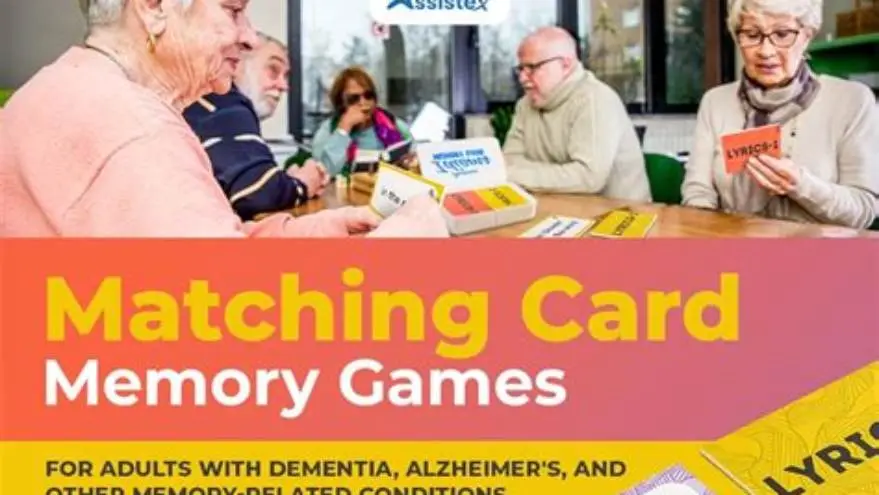
Picture matching games best for dementia patients use large, familiar images with simple layouts and no time pressure, supporting short-term memory and recognition through repetition. Tailor games to cognitive levels and sensory abilities for calm success.
On this page (8 sections)
- The short version
- Types of picture matching games suitable for dementia patients
- How to choose based on cognitive and sensory needs
- Tips for facilitating play and engagement
- Examples of Gentle Minds Activity Kit components
- Picture matching games for dementia patients: how to use them effectively
- How to choose based on cognitive and sensory needs compared to other puzzle types
- Questions people still ask
Part of our guide on simple activities for dementia patients
| Image size | Large print |
|---|---|
| Difficulty levels | 3 levels |
| Kit pages | 130+ printable |
| Game type | Picture matching |
| Use case | Memory care |
| Pressure | No time limit |
The short version
- Choose games with large, clear pictures and easy layouts.
- Match game difficulty to cognitive and sensory needs to avoid frustration.
- Use picture matching to support recognition and memory gently.
- Facilitate play with prompts and conversation, not pressure.
- Printable kits like Gentle Minds save time and offer varied levels.
Types of picture matching games suitable for dementia patients
Picture matching games for dementia vary by complexity and format. Successful types use large, high-contrast images of familiar objects or scenes. Games with pairs of identical images or matching them to originals work well.
Some games require matching exact duplicates, while simpler ones ask for matching by category or theme. Games focusing on everyday objects tend to trigger recognition and memory more reliably than abstract images.
Using cards, boards, or printable sheets with clear separation helps reduce confusion. Avoid cluttered or detailed images as these overwhelm users with memory loss, leading to frustration.
Games with thematic sets can also help spark recognition. For example, matching images of fruits or animals can connect to familiar categories, making it easier to recall. A set with 8 to 12 pairs keeps the challenge manageable without overwhelming. For the detail, see our notes on laminated activity sheets for dry erase.
Picture matching games that include a memory component, like flipping cards face down and recalling positions, add gentle cognitive exercise. However, this should be used only with mild memory impairment to avoid confusion and frustration.
- Supports recognition memory
- Easy to customize difficulty
- Encourages social interaction
- Too complex images cause confusion
- Fast-paced games increase frustration
How to choose based on cognitive and sensory needs
Select picture matching games that fit the individual's current cognitive abilities. For mild memory loss, games with more pairs or slightly similar images may be suitable. Moderate to severe dementia requires simpler matching with fewer items.
Consider sensory issues like vision loss. Pictures should be large, in bold colors or high contrast. Avoid small text or thin lines. Tactile cards can help if touch is a strength. We go through printable dementia activities for adults step by step elsewhere on the site.
Choose games without timers or strict scoring to reduce anxiety. Materials should be durable and easy to handle. If using printables, pick kits with several difficulty levels to adapt as needs change.
Lighting conditions affect visibility of images. Choose games with matte finishes to reduce glare, especially for those sensitive to bright light. This can prevent eye strain and help maintain focus.
If hearing is impaired, include visual or tactile cues instead of verbal instructions. Use straightforward, slow explanations, and demonstrate how to match cards by example. We go through choosing word games for dementia step by step elsewhere on the site.
Some dementia patients respond well to multisensory stimulation. Combine picture matching with simple sounds or textures related to the images, like a rough sandpaper card for a beach scene, to increase engagement.
- Adjustable difficulty levels
- Large clear visuals aid perception
- Not all kits include sensory adaptations
- Some games lack progression options
Tips for facilitating play and engagement
Play picture matching games in short sessions of 10-20 minutes to avoid fatigue. Use gentle encouragement rather than correction. Let the person take breaks when needed.
Prompt with questions about images to stimulate conversation and reminiscence. For example, ask what the object is used for or if it reminds them of anything.
Demonstrate matching steps slowly and clearly. Avoid rushing or pressuring for quick answers. Celebrate attempts and successes equally to maintain motivation.
Use a quiet, well-lit environment with minimal distractions. Familiar caregivers or family members can increase comfort and willingness to engage.
If the patient loses interest or seems frustrated, switch to a simpler matching set or pause the activity. Resuming later with easier images can restore confidence.
Encourage family or caregivers to share memories related to the pictures, turning the session into a social experience. This can improve mood and create meaningful moments.
Repetition over days can strengthen recognition. Playing the same matching game multiple times helps reinforce memory pathways without pressure to perform.
Examples of Gentle Minds Activity Kit components
The Gentle Minds Activity Kit is designed specifically for adults with memory loss. It includes over 130 printable pages with picture matching activities at three difficulty levels: Gentle, Easy, and Steady.
The kit uses large, clear images of everyday items, with no time pressure. It also features conversation cards that encourage sharing memories, plus daily planning pages for caregivers.
A caregiver guide explains how to use the materials effectively, offering tips to avoid frustration and promote calm, rewarding play. It's available as an instant download, making it easy to print multiple copies.
While it does not replace therapy, the kit targets engagement and social connection, solving the problem of running out of suitable activities.
- Varied difficulty levels
- Includes conversation cards
- Caregiver guide provided
- Not a medical treatment
- Requires printer access
Picture matching games for dementia patients: how to use them effectively
Use picture matching games to support recognition memory gently. Start with the simplest level and observe how the person responds. Adjust difficulty up or down accordingly.
Introduce games during calm times, avoiding stress periods like just after meals or medication times. Keep sessions brief and positive.
Encourage conversation around images to build connection and memory triggers. Celebrate small wins to boost confidence and willingness to continue.
Use materials that respect the dignity of the person, avoiding overly childish themes. Printable kits with adult-appropriate images help maintain respect and interest.
Observe signs of frustration or fatigue as early warnings. If the player repeatedly mismatches cards or seems confused, pause the game. Return to easier sets or reduce the number of cards to match. This prevents negative associations with the activity.
Use a consistent routine when introducing picture matching games. Playing at the same time and place daily helps form habits. For example, a 15-minute session after morning coffee signals a calm moment for engagement. This consistency can improve willingness to participate.
Check the person’s mood before starting. If they are tired or agitated, postpone the game. A positive emotional state increases focus and enjoyment. After a successful session, offer praise or a small reward to reinforce participation.
How to choose based on cognitive and sensory needs compared to other puzzle types
Compared to word puzzles or number games, picture matching suits those with memory loss and low literacy or vision challenges better. Word or number puzzles often require higher cognitive and visual skills.
Picture matching games can be adapted easily with large print and tactile elements. Other types may need more complex adaptations, limiting their accessibility.
When choosing puzzle types, consider the individual's remaining strengths. If language is impaired but visual recognition intact, picture matching offers better chances for success.
Other puzzle types might cause frustration if they require recall beyond current ability. Picture matching minimizes this by relying on recognition, which dementia patients often retain longer.
Picture matching games work well when other puzzles become too difficult. For instance, a crossword may require recall of specific words and spelling, which dementia patients often lose first. Matching pictures relies on recognition memory, which lasts longer.
Some puzzle types demand fine motor skills. Jigsaw puzzles need precise hand control and spatial reasoning. Picture matching cards require less dexterity, making them more accessible when motor skills decline.
When vision is impaired, puzzles with small or busy images become frustrating. Picture matching games can use bold, simple images sized for easy viewing. This adjustment ensures the person can still engage meaningfully with puzzles.
If the person has language deficits, word puzzles become inaccessible. Picture matching bypasses language, using visual cues. This makes it suitable for later dementia stages when speech is impaired.
| Puzzle Type | Cognitive Demand | Visual/Sensory Needs | Adaptability | Typical User |
|---|---|---|---|---|
| Picture Matching | Low - recognition | Large print, tactile possible | High - many difficulty levels | Mild to moderate dementia |
| Word Puzzles | Moderate to high | Good vision, literacy | Moderate - large print only | Mild dementia, literate |
| Number Puzzles | Moderate | Good vision, numeracy | Moderate | Mild dementia, numerate |
- Picture matching suits broader abilities
- Easier to adapt visually
- Encourages social interaction
- Other puzzles support cognition differently
- Some may prefer variety
Questions people still ask
Can picture matching games improve memory in dementia?
Picture matching helps maintain recognition memory but does not reverse dementia. It supports engagement and may slow decline by stimulating the brain gently.
How often should picture matching games be played?
Short sessions 2-3 times a week work best. Overdoing can cause fatigue and frustration.
Are printable picture matching games better than physical cards?
Printables are convenient and customizable but require printing access. Physical cards are more tactile and reusable.
What if the person gets frustrated during the game?
Stop play immediately. Switch to simpler activities or take a break. Avoid pressure or correction.
Can family caregivers use these games alone?
Yes. Games like those in the Gentle Minds Kit come with guides to help caregivers facilitate play.
Ready to try it? It provides printable picture matching games tailored to dementia with varying difficulty and a caregiver guide.
Get Gentle Minds Kit