Dementia activity books vs printables: which suits memory care needs best
Compare dementia activity books and printables for memory care to find which best fits calm, success, and engagement for older adults.
Dementia activity books offer ready-made, durable activities with guidance, while printables provide flexible, customizable options for caregivers. For ease and tailored engagement, printables like the Gentle Minds Activity Kit suit memory care best.
On this page (8 sections)
- The short version
- Key benefits and drawbacks of books versus printables
- How dementia symptoms affect activity choice
- Practical factors like reusability and ease of use
- The Gentle Minds Activity Kit as a practical printable solution
- Steps to choose between dementia activity books and printables
- How dementia activity books vs printable activities fit memory care needs best
- Questions people still ask
Part of our guide on calm engaging dementia puzzles
Clear comparison of dementia activity books versus printables helps you choose calm, success, and connection for memory care activities.
| Typical puzzle size | A4 or Letter print |
|---|---|
| Printables pages | 100+ per kit |
| Activity levels | Multi-level options available |
| Reuse | Printables reusable |
| Durability | Books last longer |
| Customization | Printables customizable |
The short version
- Books offer durability and consistency; printables allow customization and reusability.
- Activities must match dementia symptoms to avoid frustration.
- Printables can be reused, printed multiple times, and tailored by difficulty.
- Books guide caregivers but may lack variety and flexibility.
- Match activities to abilities for calm, success, and social connection.
Key benefits and drawbacks of books versus printables
Dementia activity books provide a physical, bound resource. Pages are sturdy, easy to flip, and often designed with large print and clear layouts. They usually include a curated set of activities suitable for adults with memory loss. Books offer consistency; caregivers and users can rely on the structure and know what to expect.
Printables bring flexibility. You print only the needed pages, which reduces waste and lets you tailor activities to the moment or abilities. They often come with varying difficulty levels, enabling caregivers to select what engages without causing frustration.
Drawbacks appear in both. Books can become boring if activities repeat with no variation and cannot be altered. They require storage space and may become worn or damaged. Printables need a printer and can feel less substantial. Managing loose pages can be frustrating for users with memory loss.
Pros and cons summary: It helps to understand engaging dementia activities for seniors before going further.
- Books: durable, ready-made, consistent but fixed and less customizable.
- Printables: flexible, reusable, adjustable but require printing and page handling.
| Aspect | Books | Printables |
|---|---|---|
| Durability | Physical, durable, lasts months | Single-use paper, print as needed |
| Customization | Fixed content, one difficulty | Multiple levels, choose pages |
| Ease of use | Easy to navigate, no setup | Requires printer, handling loose sheets |
| Reusability | Can reuse worn pages, but limited | Unlimited reprints, save files |
| Cost over time | One purchase, may be costly | Print cost, initial kit cost |
| Storage | Needs shelf space | Easily stored digitally |
- Books are durable and stable
- Printables adjustable to ability level
- Books fixed content can bore
- Printables require printer access
How dementia symptoms affect activity choice
Memory loss and cognitive changes affect the ability to engage with activities. Tasks that once were simple become confusing. Success comes from matching activity complexity to current abilities. Before you commit to anything, it is worth looking at dementia activity book for adults.
Early stages of dementia might handle word searches and simple sudoku puzzles. Later stages need gentler tasks like matching or coloring in large print. Visual perception and hand coordination often decline, influencing the choice of puzzles and materials.
Activities that cause frustration or highlight failure reduce calm and willingness to engage. Choose activities that allow success and social connection to help maintain dignity and enjoyment. This principle applies to both books and printables.
Printables often allow easier adjustment of difficulty level than books, which may have fixed challenges. This flexibility helps caregivers to keep activities positive and achievable. If that sounds like your situation, read up on matching activities to dementia stages next.
Image suggestion next: a caregiver assisting an older adult with a large-print puzzle.
- Matching difficulty reduces frustration
- Adjustable print size aids vision
- Fixed books may not suit all stages
- Some printables lack gentle tasks
Practical factors like reusability and ease of use
Printables excel in reusability. You can print the same activity several times or share pages among multiple users. This is key in memory care settings where repetition is useful.
Books offer no printing cost and no setup, just open and use. They work well in settings where a printer may not be available or reliable. Books keep pages intact, which helps prevent loss or damage to important materials. If that sounds like your situation, read up on achievable activities for caregivers next.
Handling loose printouts requires organization. Use folders or binders to keep pages together. Some printables include caregiver guides to help plan and reuse activities efficiently.
Large-print book formats support those with low vision. However, printables often provide multiple font and layout options, enhancing readability in ways books cannot.
If you have access to a printer and want adaptable resources, printables offer the best reusability and ease of customization. Without those, a well-made dementia activity book is the safer choice. It helps to understand clear print and suitable complexity before going further.
- Printables reusable and customizable
- Books ready to use without tech
- Printables need printer and organizing
- Books require storage space
The Gentle Minds Activity Kit as a practical printable solution
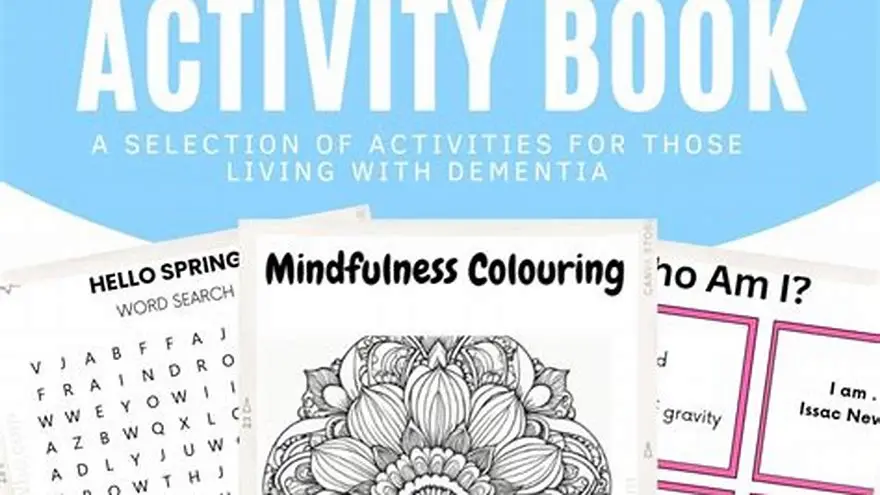
The Gentle Minds Activity Kit is a downloadable, printable set designed specifically for adults living with memory loss. It includes over 130 pages of activities at three difficulty levels, which caregivers can print as needed.
It offers large-print puzzles, conversation cards, and daily planning pages. These help build calm, stimulate conversation, and avoid frustration by matching ability.
One limitation is it requires access to a printer and basic familiarity with printing and handling pages. The kit does not replace therapy or medical treatments but fills the gap for enjoyable, respectful engagement.
This kit suits families and care homes needing varied, reusable, and well-structured activities. It avoids childish content and supports social connection, which books might not always provide.
Printed daily, these activities bring calm and success. The caregiver guide helps facilitation and adapts use to individual needs.
- Multi-level activities
- Conversation cards included
- Large-print for vision needs
- Needs printer access
- Not a medical treatment
Steps to choose between dementia activity books and printables
1. Assess the person's current abilities and dementia stage to pick suitable activity difficulty.
2. Consider your access to tools: if you have a reliable printer and storage, printables offer flexibility.
3. Decide on longevity: books are sturdy for repeated long-term use, printables allow frequent changes.
4. Look at social needs: printables with conversation prompts encourage interaction more than most books.
5. Try free samples or small purchases before investing in large kits or books.
Printables like the Gentle Minds Activity Kit enable step 3 and 4 well, while books cover step 3 better for those without print access.
This sequence helps balance engagement, ease, and practicality for your caregiving situation.
| Factor | Books | Printables |
|---|---|---|
| Ability matching | Fixed difficulty | Multiple difficulty levels |
| Printer required | No | Yes |
| Durability | High | Low, reprintable |
| Social facilitation | Limited | Includes conversation cards |
| Ease of storage | Bulky | Digital files |
How dementia activity books vs printable activities fit memory care needs best
The question 'dementia activity books vs printable activities' depends on caregiving goals and resources. Books offer a tactile, durable format that some users prefer for stability.
Printables like the Gentle Minds Activity Kit provide variety, reusability, and adjustable difficulty suited to fluctuating abilities. The kit's conversation cards enhance connection, a key benefit for memory care.
If you want calm, success, and engagement tailored to your loved one’s needs, printables let you adapt quickly. Books suit those who dislike managing paper or lack printing options.
Choosing depends on whether you prioritize convenience (books) or customization (printables). For many caregivers, printables strike the right balance for dementia-friendly activities.
- Books offer a physical, stable resource
- Printables are flexible and reusable
- Books lack customization
- Printables need printer and handling
Questions people still ask
Can printables cause frustration for advanced dementia?
Yes, if difficulty is not adjusted. Printables with multi-level options help avoid this by matching ability levels.
Are dementia activity books better for people with poor vision?
Both can offer large print, but printables often allow font size adjustments, enhancing readability beyond fixed books.
Is it cheaper to use printables or buy books?
Printables have upfront printing costs but can be reprinted; books cost more initially but last longer.
How do conversation cards help in dementia care?
They stimulate social interaction and memory sharing, which promote engagement and reduce isolation.
Can I use free printables for dementia activities?
Free printables exist, but curated kits like Gentle Minds include appropriate difficulty and variety, reducing caregiver prep time.
Are activity books suitable for group sessions?
They can be, but printables allow easy duplication for multiple users and tailored group activity.
Ready to try it? It provides tailored, printable activities at multiple difficulty levels with conversation cards to engage adults with memory loss.
Try printable dementia activities