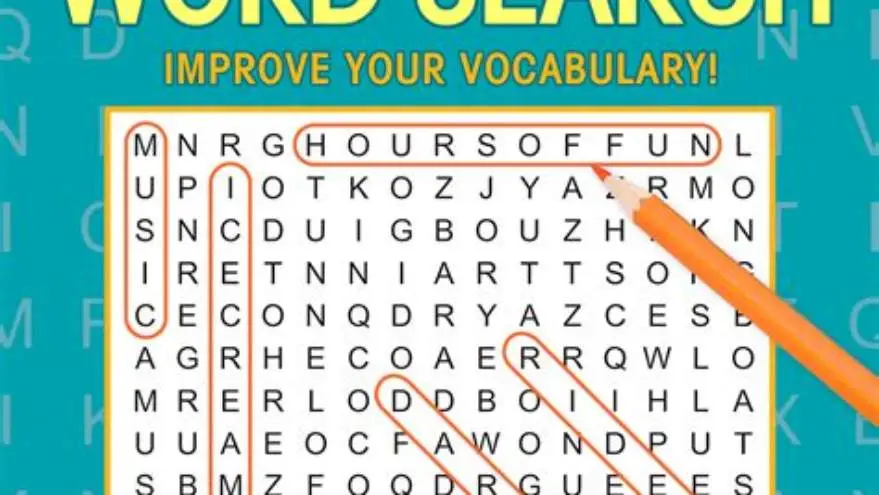
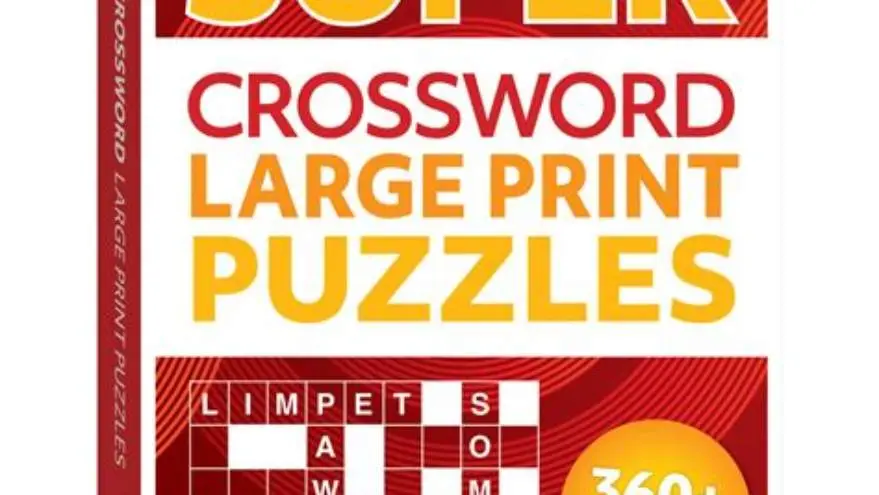
Sell Your Large Print Word Search Books at Craft Fairs
You can sell large print word search books at craft fairs. Book a small local fair, price each book in round numbers, and show the covers face-out. Bring a card reader, a bundle deal and a way for buyers to find you again.
On this page (8 sections)
Part of our guide on designing for older adults
Key figures
- Copies on show
- A handful per title
- Titles on the table
- 3 to 5, no more
- Price shape
- Round numbers, bundles
- Payment
- Card reader plus cash
- First fair
- One small local fair
- After the fair
- One follow-up email
Quick recap
- Book one small fair first and learn from it before paying for a big one.
- Print a sample page large and put it on the table so buyers can read it.
- Take a photo of your table setup so the next fair starts faster.
- Write down what sold and what did not before you pack up.
How to sell large print word search books at craft fairs

Craft fairs put your books in front of the exact people who buy them. Shoppers look for a gift, a grandchild buys for a grandparent, a carer stocks an activity shelf. They can pick up the book, read a page, and decide in a minute. No algorithm stands between you and the sale. Set the table right and the books do the talking.
Selling at a fair is different from selling online. Online, a buyer compares your book with a dozen others before they click. At a fair, the buyer holds your book and talks to the person who made it. That conversation is the advantage, and it is free. Short chats about who the puzzles are for sell more books than a clever cover on its own.
This page walks through the whole day, from picking a fair to packing up. You will see how to choose an event and make the books. Then comes the table, the pricing, and what to do when the fair ends. Each step keeps the costs low and the work plain. The first fair teaches you more than any guide can.
Picking the right fair for your books
Start with a fair where your buyers already shop. Village hall fairs, church bazaars and school Christmas markets draw the grandparents, adult children and carers who buy puzzle books. Big city craft shows draw more people, but the booth costs more and the crowd came for handmade jewellery, not books. Your first fair should be small, local and cheap to enter, so a slow day costs little. For the detail, see our notes on earnings from large print puzzles.
Check the numbers before you book. Ask the organiser for the booth fee before you commit, and compare it with what you expect to sell. Cheap fairs you sell out at beat expensive ones you do not. Ask the organiser how many visitors came last time, and how many stalls sold books or paper goods. Hundreds of visitors beat dozens, even if the booth costs a little more. Walk the fair as a visitor first if you can: watch where the crowd stops, and where it walks straight past.
Look for fairs that list their rules in plain writing. Some fairs allow only handmade goods, and a printed book may not count. Others welcome books and paper goods. Ask whether you need a seller's permit or a tax number, since the answer changes from place to place. Settle the rules before you pay the booth fee, so the day holds no surprise.
Making the books you will actually sell
Large print means the letters read clearly at arm's length, with room between them and dark ink on plain paper. Grids of around ten letters across the page keep the type large; squeeze in more and the letters shrink. The answer page needs the same treatment, since answers in tiny type undo the whole point. The cover title should read at a glance too, in the same large type. Print one puzzle first and hold it at arm's length.
Make the books before you book the fair. One title is enough for a first run. Pick a book of word searches on a theme your buyers know, such as gardens, the 1960s or Christmas. Print it large, with clear type and an answer page at the back. Our BigPrint Puzzle Studio builds large-print puzzle books with print-ready PDFs, matching covers and listing text, which covers the whole book in one tool.
Books must survive being picked up a hundred times. Covers that bend, pages that fall out, or type that smudges will lose the sale. Print one copy first and handle it the way a shopper would: open it flat, flip the pages, read a puzzle under the hall light. Fix what annoys you before you print the rest. No tool guarantees sales, and earnings depend on your effort and the market, so the book itself has to earn its place on the table.
Slow ways still work if you would rather not buy a tool. Lay out each puzzle by hand in a word processor, print the pages, and bind them with a spiral or a staple. One book takes an afternoon by hand, minutes with a tool. Choose between time and money, and see which one you have more of.
- Pick one theme your buyers already know.
- Lay out the puzzles in large, clear type.
- Add an answer page at the back.
- Print one copy and handle it like a shopper.
- Run the rest only when the test copy reads well.
Setting up a table that stops browsers
Shoppers decide whether to stop from a few paces away, before they read a single title. Clean tablecloths, one banner with your name, and books standing face-out pull more eyes than a table piled flat with stock. Put your best book in the middle at eye level, on a small stand. I keep a handful of each title out and the rest boxed underneath. Tables that stay full all day read as plenty.
Work the table in three zones. Banners at the back carry your name, so shoppers can read it from across the room. Books in the middle sit on stands at different heights, with one copy of each title face-out. Small things go at the front: a price sign, a few bookmarks, and a card that says where to find you online. Loose sample puzzles let shoppers try one word before they buy. Price signs matter most of all, since nobody likes asking what a thing costs.
Leave room for people to step in. Tables pushed against a wall with stock piled to the edge feel like a wall, not a shop. Pull the table forward, leave a gap at the side, and stand where shoppers can reach you. Smiles and a short sentence about the books do more than a long pitch. Try the setup at home first, with tape on the floor marking the space, so the fair morning holds no surprises.
Pricing books so they sell and still pay
Use round numbers at the fair, since cash changes hands fast. Take whatever you charge online and round it up to the nearest whole number at the fair. Work out your print cost per copy first. Page count, paper and whether you print at home or at a shop all change it. Then subtract it from your price. With a $4 print cost and a $15 price, a book leaves $11 before the booth fee. Work the maths before the fair, not during it, so you know how many books pay for the day.
Bundles lift the average sale. Price the bundle below two singles by enough that the saving is obvious at a glance. Put the saving on the sign in dollars, not percentages. Buyers who came for one book leave with two, and you move twice the stock for one conversation. Cash discounts help too: a dollar or two off for cash saves the card fee and speeds the queue. Keep the deals simple, since a shopper will not stand and work out a puzzle of prices.
Do not race to the bottom on price. Books priced too low look cheap next to the handmade goods around them, and a low price leaves no room for a bundle. Your buyer is not hunting for the cheapest book in the hall. They are buying a gift for someone they love, and a fair price tells them the book is worth giving. Price for the gift, not for the bargain bin.
| Way to sell | Price | When it works |
|---|---|---|
| Single book | The price, in whole numbers | A buyer wants one gift |
| Two-book bundle | The saving, in dollars | A buyer likes two titles |
| Cash payment | A dollar or two off | The queue is long |
What to do after the fair ends
Pack up slowly and count what matters. Write down how many books sold, which titles moved, and what browsers picked up. Those three notes shape your next fair more than any advice. Titles that sold out by lunch need a bigger print run next time. Titles nobody touched need a new cover or a new theme, not a lower price. Unsold books go back on the shelf for the next fair, so a second print run waits until the first stock runs low.
Follow up with the people who left their details. Short emails the next day, with a thank you and a link to your online shop, turn a one-day buyer into a repeat customer. One picture, one line about the books, and one way to buy is enough. Long letters from a stall get skipped, not read. Buyer lists from five fairs beat follower lists that never buy.
Book the next fair while the first one is still fresh. You know now which fairs suit your books, what the table should look like, and what price moves the stock. Try one new thing next time: a theme, a bundle, or a better banner, and watch what it does.
Still wondering?
Do I need a business licence to sell at a craft fair?
It depends on the fair and the place. Some fairs ask for a seller's permit or a tax number before you book. Ask the organiser early, before you pay anything. Fairs that want paperwork will tell you plainly.
How many books should I bring to my first fair?
Figure it out from the booth fee: divide the fee by your price, and bring at least that many books, plus a few spares. Keep the spare stock in a box under the table and top up the display as it sells. Shoppers buy from a full table, not an empty one.
Should I take card payments?
Yes. Take card payments. A shopper who has to walk away to find a cash machine is a sale you probably will not get back. Phone card readers cost little and fit in a pocket. Bring change for twenty-dollar bills as well, since some buyers still pay cash.
What if my books do not sell?
Treat the first fair as a test, not a failure. Note which books browsers picked up, and which ones they put straight back down. Try a different cover, price or theme for the next fair. Fairs with no sales still teach you the pitch.
Can I sell books I printed at home?
Home-printed books sell fine if the print is clean and the binding holds. Open the book flat and read a page under a normal lamp. If the pages stay put and the type reads clearly, the book is ready for the table. Home printers suit a first small run.
Ready to try it? It builds the whole book, puzzles, covers and listing text, in one tool.
Build your fair books