Activity director printables: 30 large-print puzzles ready to copy
A printable works for low vision and memory loss when text is 18pt or larger, contrast is black on white, and instructions are one short sentence. A 30-puzzle kit covers a full month if you run two to three sessions a week.
On this page (8 sections)
- Quick recap
- What makes a printable actually work for low vision and memory loss
- What's inside a 30-puzzle kit and how it fills a month of sessions
- How to print and copy puzzles for a group without ruining them
- Which free director forms pair with the kit
- When free printables are enough, and when the full kit saves more time
- How often should you rotate puzzle types in one week?
- Still wondering?
Part of our guide on printable activities for memory care units
Key figures
- Minimum readable text size
- 18-20pt
- Puzzles in the kit
- 30 activities
- Sessions per week to cover a month
- 2-3 sessions
- Print scale setting
- 100%, not 'fit to page'
- Paper weight for groups
- 24lb or 32lb
- Gentle Minds Activity Kit pages
- 130+ pages
Quick recap
- Print at 100% scale, never 'fit to page', or letters shrink below readable size
- One activity director copy license covers unlimited copies for your own group, not resale
- Rotate difficulty levels through the week so the same residents aren't always stuck or always bored
- A sign-in sheet and a one-line activity log are the two forms every care home actually checks
- Thicker 24lb paper survives a 10-person group far better than standard 20lb copy paper
What makes a printable actually work for low vision and memory loss
A printable works when the text sits at 18 to 20pt or larger, with real black-on-white contrast, not grey toner on cream paper. Below that size, residents with macular degeneration or cataracts start squinting, then quietly stop trying.
Instructions matter as much as font size. One short sentence beats a paragraph: 'Find the hidden word' works, 'Using the letters provided, locate each word from the list below' does not. Memory loss residents lose the thread of a long instruction before they reach the puzzle.
Grid spacing is the detail most printables get wrong. A crossword with squares under half an inch forces a shaky hand to guess between two boxes, and that single error can end the activity in frustration rather than progress.
Contrast also means avoiding busy backgrounds behind the puzzle grid. A faint holiday graphic under a word search looks nice on screen and becomes unreadable noise once toner fades on an office printer. There is more on downloadable forms for activity directors in a separate guide.
- Font size: body text and clue numbers at
18ptminimum, titles larger - Contrast: pure black ink on white or pale cream paper, never grey-scale shading
- Instructions: one line, present tense, no jargon like 'adjacent' or 'diagonal'
- Grid size: puzzle squares at least 0.5 inch so pens and shaky hands fit
What's inside a 30-puzzle kit and how it fills a month of sessions
A set built for directors needs three difficulty levels, because one room of residents rarely shares one ability level. A kit split into gentle, easy and steady tiers lets you run the same session title across a wing without excluding anyone.
Thirty activities map cleanly onto a month if you run sessions two to three times a week. That's roughly seven to thirteen sessions, so a 30-piece set gives you backup pages and room to repeat a popular one without reprinting the whole binder.
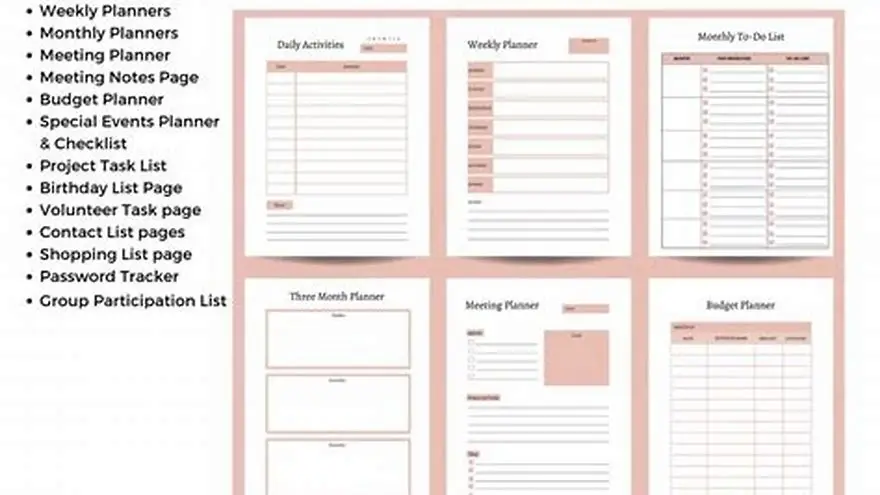
The Gentle Minds Activity Kit, which this site makes, is built around that three-level structure: Gentle, Easy and Steady activities, over 130 printable pages in total, plus 48 conversation cards for the sessions where a puzzle isn't the right fit that day. It includes daily planning pages so you're not building a calendar from scratch, and a caregiver guide explaining how to introduce each activity. If that sounds like your situation, read up on activity director resources printable next.
It won't write your activity notes for you, and it's built for enjoyment and engagement, not as a therapy program, so keep clinical documentation in your own system. For a resident with advanced memory loss who gets frustrated by a timed quiz, the conversation cards sidestep the 'wrong answer' problem entirely since there isn't one.
| Week | Sessions | Suggested mix |
|---|---|---|
| Week 1 | 2-3 | Gentle word search + conversation cards |
| Week 2 | 2-3 | Easy crossword + Steady sudoku for sharper residents |
| Week 3 | 2-3 | Repeat a favorite + one new maze or picture puzzle |
| Week 4 | 2-3 | Mixed-level session, residents choose their own sheet |
How to print and copy puzzles for a group without ruining them
Printer settings wreck more large-print puzzles than bad eyesight does. Set your printer to 100% scale, never 'fit to page' or 'shrink to fit', because that single checkbox can quietly drop an 18pt font down to 14pt without any warning on screen.
Paper weight decides whether a page survives a session. Standard 20lb copy paper shows through when residents press hard with a pen, and it tears at the fold. Jump to 24lb or 32lb stock for anything that will get handled by ten people in a row. There is more on monthly calendar ideas seniors in a separate guide.
For groups, print one clean master copy on your best printer, then photocopy that master rather than reprinting from the file each time. Photocopiers are more forgiving of slightly worn paper and faster for 15-20 copies than most home or office printers.
Check copy rights before you run a stack. Most printable kits, including the free ones and the paid ones on this site, license unlimited copies for use with your own group or facility residents, but not resale or sharing the master file outside your organization.
- Print one master copy at 100% scale on your best printer, checker for clean black text
- Hold the master at arm's length to confirm font size and contrast before copying
- Photocopy 15-20 at a time on 24lb paper, checking every fifth sheet for toner fade
- Store the master in a labeled folder by week, not by puzzle type, so the next director can pick up where you left off
Which free director forms pair with the kit
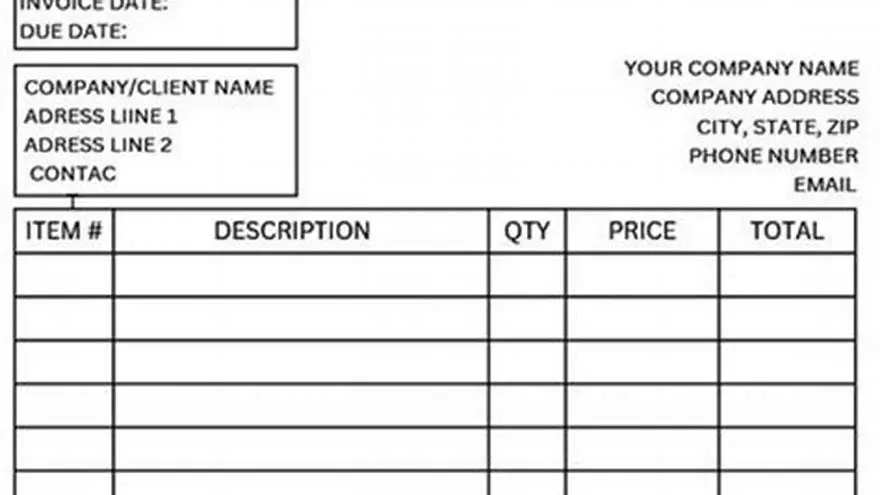
A printable puzzle kit solves the activity itself, but a care home audit asks for documentation, not just a fun afternoon. Pair your puzzles with a sign-in sheet and a one-line activity log, both of which can be built free in any spreadsheet or word processor.
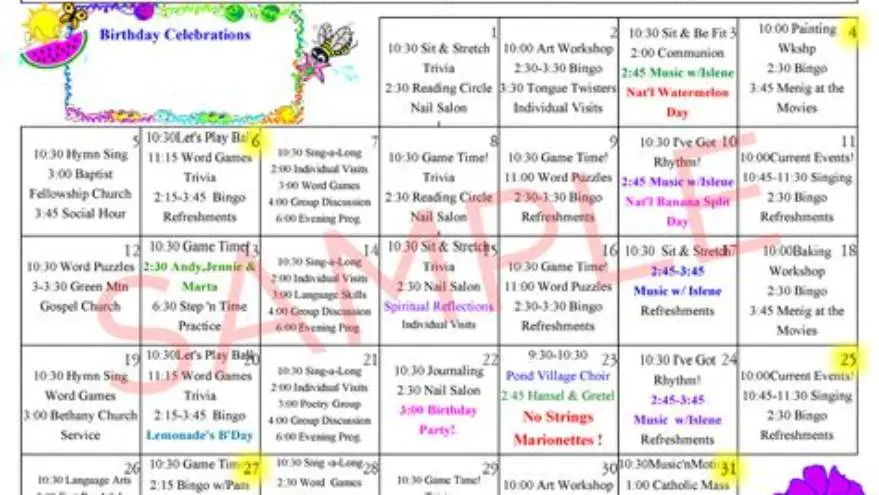
A basic monthly calendar template, even a plain grid you draw in a document, lets you note which puzzle ran on which day. That single record answers the question every family meeting eventually asks: 'What did Mom actually do this week?'
Keep the forms separate from the puzzle pages themselves. Mixing them into one PDF makes it harder to reprint just the puzzle when a sheet runs out, and harder to file just the sign-in sheet when it's time for records.
None of this needs special software. A two-column table for sign-ins and a five-row table for a weekly log cover most state and facility requirements, though you should check your own facility's specific documentation policy since it varies by state and provider.
- Sign-in sheet: name, date, puzzle run, one line, reused every session
- Activity log: one row per session, puzzle title, attendance count, any notes
- Monthly calendar: a plain grid mapping puzzle to date, filed with the master copies
- Caregiver guide: comes included with structured kits, explains how to introduce each level
- free to build in any spreadsheet
- satisfies most basic audit questions
- takes under 10 minutes to set up
- facility-specific requirements still need checking
- no built-in reminder system
- easy to forget to file consistently
When free printables are enough, and when the full kit saves more time
A handful of free large-print word searches and a sudoku sheet cover a single afternoon activity fine. The gap shows up by week three, when the same director is hunting for a new puzzle every session instead of running the program.
The free tools on this site, like the large-print word search maker, let you type in your own words and get a large-print PDF with an answer page, at no cost. That's the right tool when you want one custom puzzle built around a theme, a resident's hometown, or a holiday.
The Gentle Minds Activity Kit earns its place when you need the whole month solved at once: 130+ pages across three difficulty levels, 48 conversation cards, and daily planning pages already laid out, all for a one-time payment starting at $19. It won't build you a custom puzzle about one resident's hobby the way the free maker will.
The honest trade-off: free tools cost time, building one puzzle at a time. A structured kit costs money up front but hands you a calendar's worth of levels, cards and planning pages in one download, which is the whole reason a director reaches for it instead of a folder of loose printouts.
| Need | Free tools | Gentle Minds Activity Kit |
|---|---|---|
| One custom puzzle today | Word search maker, free | Not built for single custom requests |
| A month of varied sessions | Takes hours of separate searching | Already organized, 130+ pages |
| Mixed ability levels in one room | Requires manual sorting by you | Three levels built in: Gentle, Easy, Steady |
| Conversation-based sessions, no puzzle that day | Not covered by puzzle makers | 48 conversation cards included |
How often should you rotate puzzle types in one week?
Rotate puzzle type at least once within any three-session week, because repeating the same format back to back is what drops attendance fastest. A word search Monday, a conversation card session Wednesday, and a sudoku or picture puzzle Friday keeps the room curious about what's next.
Difficulty should rotate less often than type. Jumping a resident from Gentle to Steady and back in the same week reads as inconsistent, and some residents notice the whiff of being 'tested' rather than entertained.
Watch attendance, not enthusiasm, as your real signal. A resident can say a puzzle was fun and still not show up next time if the font was too small or the instructions too long, so the sign-in sheet tells you more than the compliment does.
The quick test: if your last three sessions used the same puzzle type, that's your answer, swap the next one before you plan the one after.
A structured, three-level printable kit beats a folder of loose free puzzles once you're running sessions more than once a week.
Still wondering?
What font size actually counts as large print for activity printables?
Most directors treat 18pt as the floor and 20-24pt as comfortable for residents with significant vision loss. Titles and clue numbers can run larger than body text for extra clarity.
Can I photocopy puzzle pages instead of printing each one from the file?
Yes, and it's usually faster for groups. Print one clean master at 100% scale, then photocopy that master, checking every few sheets for toner fade.
Does a large-print puzzle kit help with dementia specifically?
Kits built for memory loss, like the Gentle Minds Activity Kit, are designed for adults with dementia, Alzheimer's and other changes in thinking. They're for enjoyment and engagement, not treatment, so they sit alongside your care plan rather than inside it.
How many puzzles do I actually need for one resident per month?
Figure 8-12 sessions a month at two to three a week. A 30-puzzle set gives enough variety that no resident sees the same sheet twice in a four-week cycle, with a few spares for popular repeats.
Can I sell copies of a printable activity kit I bought?
No, standard kit licenses cover use with your own group or facility residents, not resale or sharing the file outside your organization. Check the specific license terms of whatever kit you buy before copying it for another facility.
Ready to try it? It gives you a month's worth of three-level, large-print activities and conversation cards already organized, instead of hunting for a new puzzle every session.
Get the printable kit