Dementia Activity Boards: What Works and What to Skip
It depends on the person using it. A dementia activity board is a panel fitted with objects, such as latches, switches, zips and gears. Each one is there to touch and move, with no right answer and nothing to pass. It suits restless hands best.
On this page (8 sections)
Part of our guide on dementia activity book for adults
Key figures
- Board size
- About a tea tray
- Session length
- 10 to 20 minutes
- Label print size
- 18 pt or larger
- Safety check
- Before each use
- Fixings tug-test
- Once a week
Quick recap
- Match the board to the person's hands and interests, not to a label.
- Few familiar items beat a board crowded with many.
- Look the board over before each use and once a week.
- Keep sessions short: two short sits beat one long one.
What a dementia activity board is
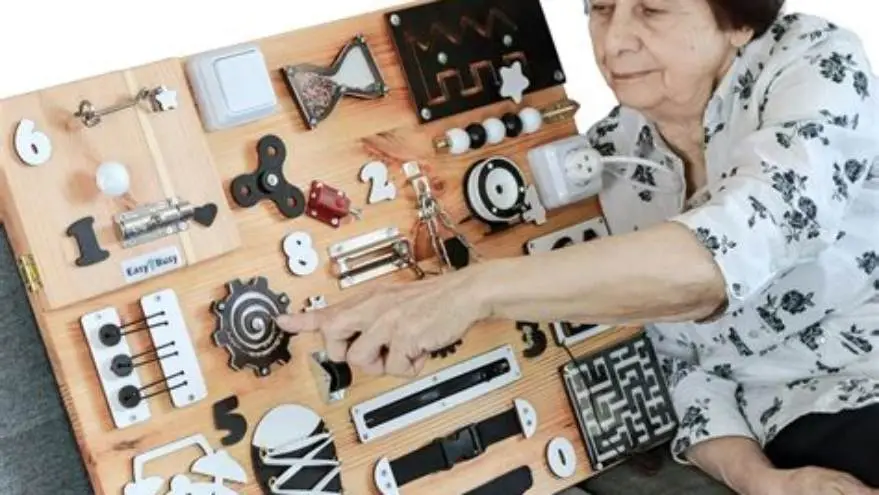
A dementia activity board is a flat panel with everyday objects fixed to it. Expect latches, switches, zips, gears, dials and bolts. Each sits where a hand can reach it. The person picks the board up, turns a knob, slides a bolt, and puts it down again, with nothing on it needing instructions. No wrong answers.
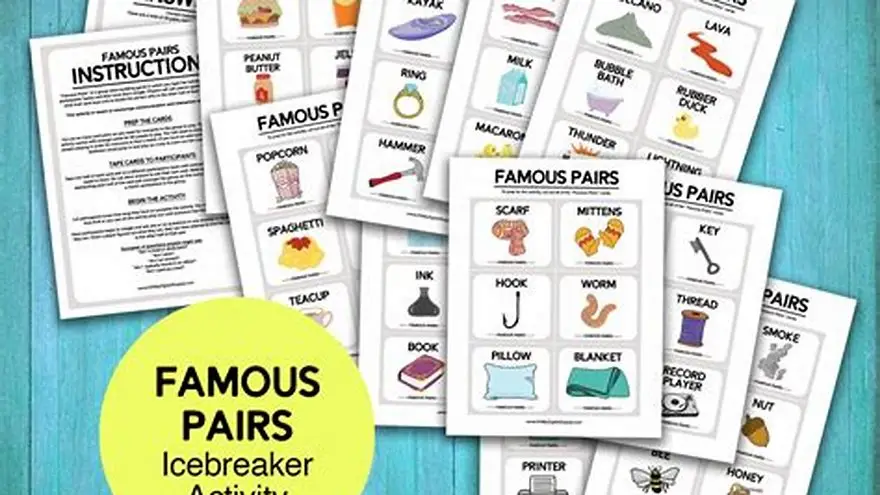
Two kinds share the name, and shops mix them up. Fidget boards, sometimes called busy boards, carry hardware to touch and move. Matching boards are trays with picture cards to pair up. This article covers the hardware kind, the one most people mean.
Such a board gives busy hands something real to do. Familiar movements, a little choice, and a reason to sit still come with it. Visits get easier too. Both people can look at the board instead of at each other. What it cannot do is treat, slow or prevent dementia. Alzheimer's Society describes activities as a way to stay active and involved, not as treatment. NHS guidance frames them as a way to live well with dementia. Health questions belong with the person's doctor.
Adult looks matter more than most sellers admit. Cartoon animals or bright plastic tell the person using it that the thing was made for a child. Real wood, real metal and muted colours tell a different story. The test costs nothing. Set the board down, say nothing, and watch the first five minutes. Boards picked up again tomorrow passed. If that sounds like your situation, read up on famous matching game for seniors next.
Choosing the right board for the person
Start with the person's hands and habits, not with a label. Someone who spent years fixing things reaches for a bolt first. Never a zip. Sewers reach for buttons and laces first, and boards work when they meet a skill the person still owns. Watch their hands on an ordinary day before you buy or build anything.
Attention span sets the size of the board. As a rule of thumb, six to ten items suits most people. People who settle for ten minutes manage the full set. People who flit from thing to thing need fewer, spaced wide, so each one is easy to find. A board is not right for someone who mouths objects or pulls things apart. Soft fabric items with nothing to detach suit them better.
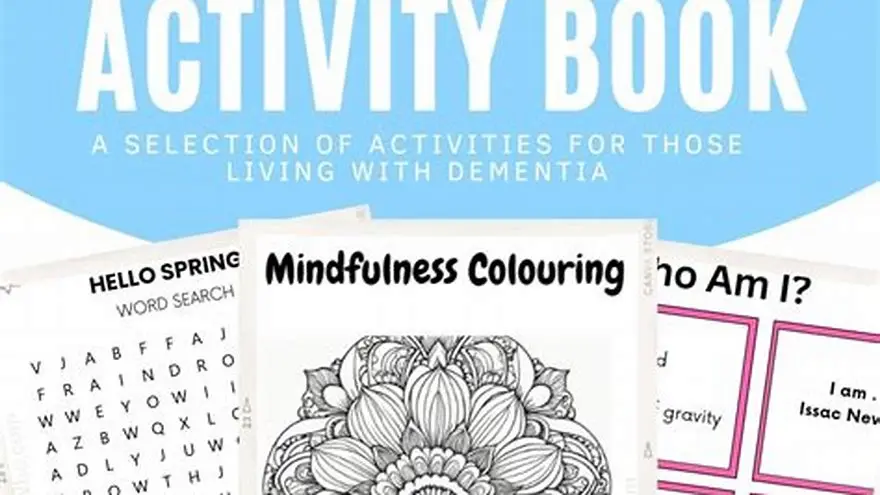
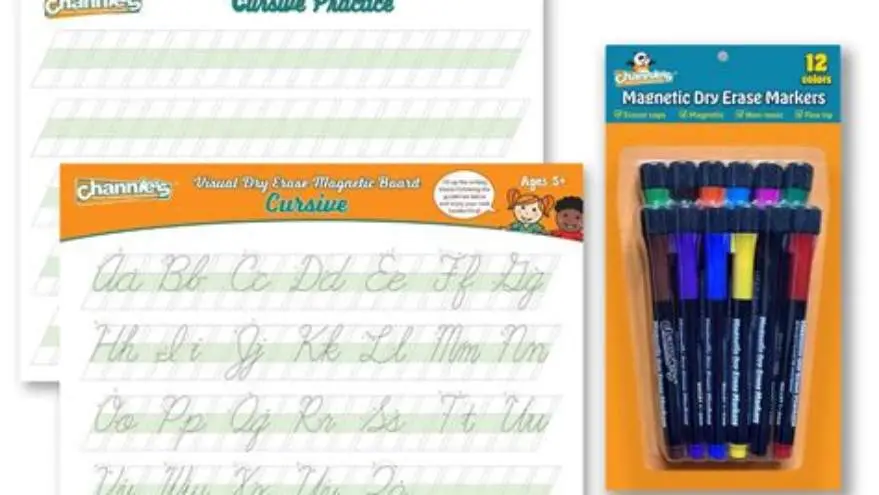
Printed activities can sit beside the board and take over when hands tire. Our Gentle Minds Activity Kit is a set of large-print activities at three levels, Gentle, Easy and Steady, plus conversation cards. Its limit is honest: it is printed pages, not hardware, so it cannot keep hands busy the way a board can. Your own word cards do the same job free. One question or picture on each, printed at 18 pt. It helps to understand activity sheets that last with dry erase before going further.
Where the board lives matters as much as what is on it. Lap boards suit a chair and a quiet corner. Wall panels suit a corridor or lounge where several people pass. Boards that slide off a lap end up in a cupboard. Check the weight and the grip before you settle on one.
What goes on a dementia activity board?
Begin with a handful of items, not a crowd. Fewer feels bare, and more turns the board into clutter. Pick items the person has handled for years, in full size. Fix each one well. Each must move the way the real thing moves. Sticky latches teach frustration, not patience.
Leave off anything small enough to fit in a mouth. Sharp edges, glass, anything with a battery a person can open, and anything that looks like food or medicine stay off. Pill organisers have no place on a board. Handy or not. Parts that come loose during the weekly check come off at once. Leave the space empty until the part is fixed properly.
Labels help only when they can be read. Print any label at 18 pt or larger, in dark ink on pale paper. Test it at arm's length before you stick it down. Most boards need no labels at all. Someone who knows what a switch does needs no word under it.
Match the items to the person's past, not to a catalogue. Retired electricians light up at a real switch plate, and gardeners may prefer a short length of rope and a wooden toggle. Cooks may reach for a jar lid on a hinge before anything else. Past work and hobbies are the best shopping list you will ever have.
- Latches and bolts: a sliding barrel bolt and a small gate latch, both smooth to move.
- Switches and dials: a wall switch with a faceplate and a chunky rotary dial.
- Zips, laces and buttons: a short zip on fabric and a row of large buttons.
- Gears and wheels: two or three meshed gears.
- Textures: a patch of corduroy, a smooth stone and a short length of rope.
| Board type | Best for | Hands | Watch out for |
|---|---|---|---|
| Fidget board | Restless hands, quiet time | Latches, switches, zips | Loose fixings, small parts |
| Matching board | Short visits, two people | Cards to pair and sort | Cards too small to grip |
| Wall panel | Shared lounges, corridors | Big latches and dials | Needs firm wall fixing |
How do you make one yourself?
Home-made boards take an afternoon and a few pounds of hardware. Start with plywood or MDF about the size of a tea tray. Sand the edges smooth. Raid a junk drawer first: old switches, a spare latch, a zip from a worn-out coat. Items with a history the person recognises work best.
Glue alone fails, and it fails quietly. Latches held by glue look fine until one comes away in a hand. Then it is a sharp edge and a small part at once. Screws from behind cost ten minutes. They hold for years. That is the secret of a board that lasts.
Keep the layout loose enough to change. Tastes shift, and a board that cannot change becomes boring or too hard, so leave one empty corner for a new item. Growing boards get used for months instead of days, and stay welcome.
Try the board yourself for a full day first. Work every latch, flip every switch, pull every zip. Hands find the faults that eyes miss. Fix what sticks, tighten what wobbles, and take off anything that feels wrong.
- Cut or buy the board, then sand every edge and corner until no splinter catches your finger.
- Lay the items out with gaps, so a hand can reach each one without knocking the next.
- Mark each position. Fix every item with screws from behind or short bolts, never glue alone.
- Countersink each screw head so nothing sharp sits proud of the surface.
- Shake the board and leave it overnight before the first use.
- Sit with the person for the first try, say little, and watch which items draw the hand.
How long should a board session last?
Many carers find 10 to 20 minutes works well. Offer the board in the afternoon dip. Or while waiting for a meal. Two short sessions beat one long one: attention fades and frustration grows late in a long sit. Put the board away while it is still enjoyed. It will be welcome tomorrow.
Sit nearby and say little. Comment on what their hands are doing, not on whether it is right. That latch moves smoothly beats well done every time. Never correct a wrong move, because there is no wrong move. Correcting one turns a calm activity into a test.
Watch for the signs that the session is over. Pushing the board away, sighing, or pulling at fixings instead of using them all mean stop. Put the board away without a fuss. Offer a drink or a walk. Trying again tomorrow costs nothing. Pushing on costs the next session too.
Routine helps more than persuasion. Same chair, same time of day, board in the same place, and routine does the inviting, so you do not have to persuade anyone. Care homes should note which items draw the hand, so the board is set up the same way each time. Wipe the board with a damp cloth each day, and dry it before it goes away.
Should you buy a board or make one?
Buying a board is fast. Finished boards arrive ready to use, and good ones are sanded, solid and checked. Listings hide the catch: many boards sold for dementia are children's toys with a new label. Search for fidget board for adults or busy board for dementia. Check the current price before you buy. Look at the photos, not the title. Small, bright, plastic items mean a board made for a child. Adults know it at once.
Making a board costs less and fits the person better. You choose every item. You know every fixing. Swap items as tastes change. Costs run to an afternoon, basic tools and a trip to a hardware shop. Never held a drill? Ask a neighbour or a family member to do the fixing while you choose the items.
Either route works when the board fits the person. Time spent sitting with the person is the point, and the board is only the tool. Bought boards and home-made boards both fail the same way: too many items, loose fixings, or a look that says toy. Those three things matter. Rest is detail.
Use what you have. One lap tray, one junk drawer and one hour will tell you if a board suits the person. Build a proper one or buy a good one when the answer is yes, and shelve it when the answer is no. Nothing is lost. That beats a board bought on a hope.
- Ready to use at once
- Sanded and checked by the maker
- Simple to return
- Hard to tell quality from a photo
- Items chosen by a stranger
- Often looks made for a child
Still wondering?
Can a dementia activity board calm someone who is agitated?
Busy hands get something to do, and many carers find the quiet helps. Some days it will not work. Treat it as a pleasant activity: the Alzheimer's Society frames activities as a way to stay active and involved.
What size should a dementia activity board be?
Lap boards about the size of a tea tray suit most chairs. Wall panels can be larger. Measure the lap or table first. Make sure every item sits within easy reach.
Is a busy board safe for someone in the later stages of dementia?
Soft items, no small parts and someone sitting nearby make it workable. Skip anything that can be pulled off. Care teams know the person's habits best, so ask them.
How often should the board be checked?
Look it over before each use and tug every item hard once a week. Tighten or remove anything loose at once. Weekly checks keep a board safe. Without checks it is not safe.
Can I use a children's busy board instead?
Children's boards use small parts, bright plastic and cartoon pictures, and adults find the look patronising, while adult boards use full-size hardware in muted colours. People using them can tell.
Ready to try it? It gives you ready-made large-print activities at three levels, so board time has a next step when the board is put away.
See the activity kit