Famous pairs matching game for seniors: how to play and adapt it
Step-by-step guide to playing and adapting a famous pairs matching game for seniors with memory or vision challenges.
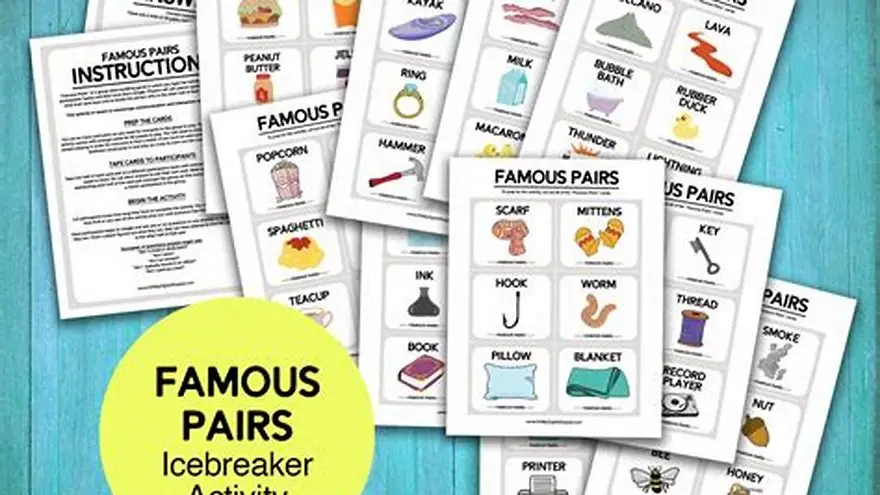
The famous pairs matching game for seniors works best when cards show clear, familiar images of two-person pairs. Use 12-18 pairs with large, high-contrast images to avoid frustration. Adapt cards and rules to support memory and vision challenges.
On this page (8 sections)
Part of our guide on simple activities for dementia patients
Adapt a famous pairs matching game for seniors with dementia-friendly design and practical tips to ensure calm and success, not frustration.
| Pairs count | 12-18 pairs |
|---|---|
| Image size | 2-3 inches |
| Font size | 18-24 points |
| Playtime | 15-30 minutes |
| Players | 2-6 people |
The short version
- Choose famous pairs known and liked by the players.
- Use large, clear images with high contrast on cards.
- Limit pairs to 12-18 to keep the game manageable.
- Adapt rules to reduce memory load and keep play calm.
- Encourage group play with conversation to boost engagement.
How to set up the pairs game
Set up requires 12 to 18 pairs of cards featuring famous pairs. These pairs may be real people, fictional duos, or well-known partnerships. The number depends on the players’ attention span and memory capacity; fewer pairs suit those with memory loss better. Each card should be printed at about 2 to 3 inches wide, with large, easy-to-see images.
Cards should be printed on sturdy, non-glossy cardstock to reduce glare and ease handling. Shuffle the cards thoroughly and arrange them face down in rows on a table or flat surface. Make sure the playing area is well-lit but without harsh reflections.
Players take turns flipping two cards over to find matches. If a pair is found, they keep it and take another turn. The game ends when all pairs are matched. This setup keeps the game simple and familiar, reducing confusion and frustration.
- Choose 12-18 pairs of famous duos familiar to players.
- Print cards with large, high-contrast images on sturdy cardstock.
- Shuffle and lay cards face down in a grid on a well-lit table.
- Players take turns flipping two cards to try and find a pair.
- Keep matched pairs, and continue until all pairs are found.
Which famous pairs work best for seniors
Choose pairs that the group will recognize easily. Classic TV or movie duos, well-known historical figures, or iconic fictional characters work well. For example, pairs like Laurel and Hardy, Sherlock Holmes and Dr. Watson, or famous political couples often resonate. There is more on choosing games that reduce frustration in a separate guide.
Avoid very recent pop culture pairs that might be unfamiliar or confusing. Focus on pairs connected to the era when players were younger or that appear frequently in memory aids or reminiscence therapy.
Keep cultural and personal backgrounds in mind. What is famous for one group may be unknown or even upsetting to another. Adapting pairs for specific players’ preferences boosts enjoyment and reduces frustration.
- Classic TV/movie duos: Laurel and Hardy, Lucy and Ricky
- Historical couples: Abraham and Mary Lincoln, Queen Victoria and Prince Albert
- Fictional characters: Sherlock Holmes and Dr. Watson, Tom and Jerry
- Avoid obscure or very recent pairs unfamiliar to the group
Adaptations for memory and vision challenges
Memory loss and low vision require thoughtful game modifications. Use cards with large, clear images, ideally 2 to 3 inches wide, with simple backgrounds and high contrast colors. Avoid shiny finishes that cause glare, which hinder vision. There is more on early stage dementia word games in a separate guide.
Limit the number of pairs. Twelve pairs suit moderate memory loss. If memory is more impaired, use fewer pairs or play cooperatively rather than competitively.
Introduce aids like name labels on cards or picture hints nearby. Repeat the rules regularly and allow players to ask for help without pressure. Let players take breaks as needed.
Consider adapting rules: instead of forgetting unmatched cards, leave them face up to reduce memory load. Encourage talking about pairs when found to stimulate memory and conversation. Before you commit to anything, it is worth looking at reminiscence activities seniors 1950s.
- Print cards with large, high-contrast images, 2-3 inches wide
- Use fewer pairs (12 or less) for severe memory loss
- Add name labels or hints on cards
- Allow cooperative play or modify rules to reduce memory load
- Avoid glare and use soft lighting
Group play tips for seniors and caregivers
Playing in groups keeps the activity social and engaging. Limit groups to 2 to 6 players to avoid crowding and confusion. Have a caregiver or family member facilitate play to keep the pace steady and positive.
Encourage conversation around pairs. For example, when someone finds Laurel and Hardy, prompt sharing a memory or story. This connection boosts enjoyment and engagement beyond just the game.
Keep sessions around 15 to 30 minutes to avoid fatigue. Breaks between rounds help maintain calm. Use positive reinforcement and avoid correcting mistakes harshly to keep the mood light. Before you commit to anything, it is worth looking at activities for dementia at home.
Adapt according to group dynamics and individual needs. Some may prefer to watch rather than play actively. Offer flexible roles, such as scorekeeper or helper, to include everyone.
- Keep groups small, 2-6 players
- Use facilitator to keep play calm and positive
- Encourage conversations about pairs found
- Limit playtime to 15-30 minutes with breaks
- Offer roles like helper or scorekeeper to engage all
Which famous pairs matching game for seniors works best
The famous pairs matching game works best when the design respects seniors’ needs for clear visuals, manageable rules, and familiar content. A balanced game has 12 to 18 pairs, uses large, high-contrast cards, and involves familiar pairs that trigger positive memories.
The Gentle Minds Activity Kit offers printable cards and conversation prompts designed for adults with memory loss. It includes three difficulty levels, letting you adapt the game to your group’s needs and abilities. Its large-print, high-contrast design reduces vision strain, and the included caregiver guide supports smooth facilitation.
While you can make your own cards for free using online templates, the kit saves time and ensures the materials suit people living with dementia. It also provides activities beyond pairs games, enriching your sessions with variety and conversation starters.
This kit does not treat memory loss, but it helps reduce frustration and promotes calm engagement, exactly what you need for dementia-friendly game sessions.
How to make your own pairs cards for seniors
If you prefer a DIY approach, you can create your own pairs cards with familiar images and names. Use big fonts (18-24 points) and simple, high-contrast pictures from free clipart or photo sites. Print on sturdy cardstock with a matte finish to avoid glare.
Cut cards into uniform 2-3 inch squares. Laminate them if possible for durability. Arrange pairs logically, such as matching photos of famous duos or related symbols.
Test the cards with one or two players first. Watch for signs of confusion or frustration. Adjust by reducing pairs or simplifying images as needed.
This free method requires more time and trial but allows customization to players’ preferences. Use the Large Print Word Search Maker tool from the site if you want to create other puzzles to complement the pairs game.
- Select familiar famous pairs and find simple images.
- Use large fonts and high-contrast colors for names and pictures.
- Print on sturdy matte cardstock, cut into 2-3 inch squares.
- Test with a small group and adjust number or design of cards.
- Use free puzzle tools for complementary activities.
The Gentle Minds Activity Kit suits this game best with dementia-friendly, large-print materials and caregiver guidance.
Questions people still ask
What if some players can’t remember the pairs?
Modify rules to allow cards to stay face up or play cooperatively. Use name labels on cards and encourage gentle reminders during play.
Can I use this game for seniors with severe vision loss?
Use tactile cards with raised edges or textures if vision is very impaired. Otherwise, rely on large, high-contrast images with no glare.
How long should a typical game session last?
Keep sessions to 15-30 minutes with breaks as needed to prevent fatigue and maintain calm engagement.
Should I choose pairs from the players’ youth or current culture?
Focus on famous pairs familiar during the players’ younger years to trigger positive memories and reduce confusion.
Can caregivers join the game or just supervise?
Caregivers should facilitate but can also join to encourage social interaction and provide support as needed.