For early dementia: activity gifts that don't feel like memory tests
If memory is only mildly affected, the best activity gifts for dementia patients are large-print, adult-themed puzzles and conversation prompts you can start and finish in 10-20 minutes without instructions or scoring. Avoid memory tests and childlike designs; choose what matches what still feels easy and enjoyable.
On this page (8 sections)
- Quick recap
- How early-stage needs differ from later stages when you choose a gift
- 3 signs activity gifts for dementia patients will feel like a memory test
- What makes an activity feel adult, not childish: print, theme and design
- Activity types you can start and finish in one short sitting without instructions
- How to give and present the kit so it invites use without pressure to perform
- What to print, buy or skip when you build the kit
- Still wondering?
Part of our guide on supporting comfort with holiday gifts
Key figures
- Best sitting length
- 10-20 minutes per activity
- Readable print size
- 16-point or larger, high contrast
- Pages that avoid tests
- No timers, no scoring
- Finish rate tip
- One page, one clear finish
- Gift that gets used
- Adult themes, not child art
Quick recap
- Match the gift to what still comes easily, not to old hobbies that now frustrate.
- Adult themes, large print and one-page tasks avoid the childish or test-like feel.
- Choose activities that finish in 10-20 minutes with no new rules to learn.
- Present the kit as an invitation to do together, not a task to complete alone.
How early-stage needs differ from later stages when you choose a gift
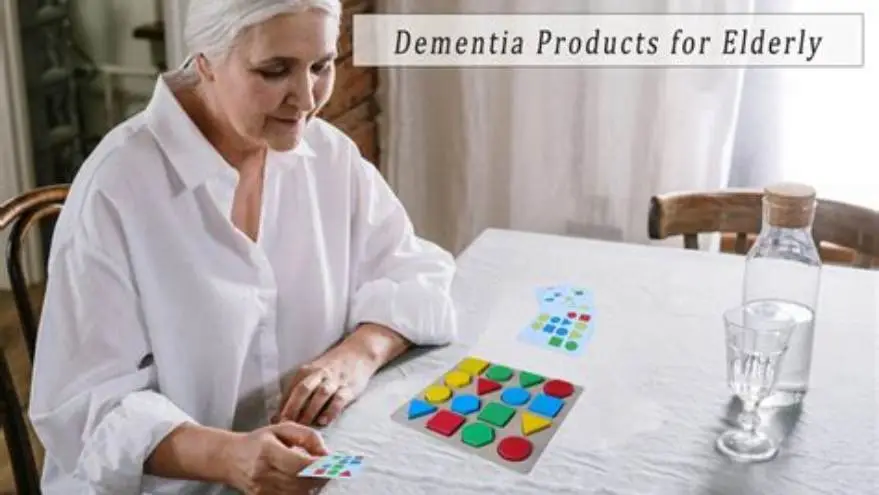
The best activity gifts for dementia patients in the early stage match what still comes easily. Reading a short clue, scanning a large-print grid, sorting familiar words or pictures. That work usually takes 10 to 20 minutes in one sitting and needs no new rules to learn. Families often report the person can still follow print at 16-point or larger if contrast is high and glare is low. Keep the task adult and completable, and you get a good moment instead of frustration.
Later on, needs shift. Instructions become harder to hold, even for a moment. Small print, crowded pages and multi-step directions cause more fatigue than enjoyment. At that point, shorter tasks, fewer choices and more sensory or sorting activities often work better than word-heavy puzzles. What felt satisfying at three pages in one session earlier may now feel long at half a page.
Early-stage gifts can therefore assume some reading and word play, but they should not assume memory for new rules. Choose activities that use familiar knowledge, like language, categories and everyday objects. Offer a clear start and a clear finish on the same page. That single choice explains why some kits get used daily while others are set aside after one try.
| Stage | What still feels easy | What often frustrates | Gift focus |
|---|---|---|---|
| Early stage | Reading short clues, word play, sorting | Learning new rules, timed recall | One-page puzzles, conversation cards |
| Later stage | Matching, sorting by colour, listening | Small print, multi-step puzzles | Shorter tasks, sensory activities |
3 signs activity gifts for dementia patients will feel like a memory test
A gift feels like a test when it measures recall, not enjoyment. The clearest sign is scoring or timing in minutes and points on the page itself. A clock icon, a score box or "see how many you remember" turns a pleasant puzzle into a performance. People living with early memory change often notice the pressure before the task even starts, and then they avoid it. We cover grandma gifts in assisted living in its own article.
The second sign is a task that requires holding new instructions while working. "Memorize this list, then turn the page and write it back" is a test, even if the box calls it a game. A kinder design keeps the words or pictures visible while you work. You look, you find, you finish. Nothing hides, nothing has to be remembered to proceed.
The third sign is correction that feels like grading. Red marks, "wrong answers" or a helper who has to say no all afternoon drains the good feeling out of the activity. Better pages use no wrong answers with answer pages for helpers instead of for the player. The person doing the puzzle sees completion, while the family has a quiet guide if they want it. That shift keeps the moment relaxed.
- Sign 1 - timing or scoring on the page: skip any puzzle that asks to beat a clock or count points.
- Sign 2 - recall after hiding: avoid memorize-then-recall formats; keep source material visible.
- Sign 3 - grading: choose activities where every finished page counts, with answers only for the helper.
What makes an activity feel adult, not childish: print, theme and design
Adult feeling starts with print and space. Use large print at 16-point to 18-point with generous line spacing and strong black-on-white or black-on-cream contrast. Crowded pages, thin fonts and pale grey text look hard before you read a word. A clean page with one puzzle, wide margins and a simple title feels calm and respectful. That is often the first filter for whether a gift looks grown-up. Before you commit to anything, it is worth looking at gifts for elderly with low vision.
Theme is the second filter. Childish kits lean on cartoon animals, primary colours and school-like clip art. Adult kits use everyday subjects: gardens, travel, food, music, homes, seasons. The words themselves sound adult too. "Herb garden" or "train station" sits differently from "count the puppies." People report they will pick up a garden word search and leave a cartoon maze alone, even if the difficulty is the same.
Design details finish the impression. One activity per page, no stickers or stars to earn, no characters giving instructions. Answers are separate, not on the same sheet. Paper that does not glare under a lamp helps low vision. When you hold two samples side by side, the adult one looks like a magazine puzzle page. The childlike one looks like homework. That visual cue decides use.
- large 16 to 18-point print, high contrast
- one puzzle per page, wide margins
- adult themes: food, travel, garden
- cartoon art and primary colours
- crowded pages, thin grey type
- stickers, stars and grading marks
Activity types you can start and finish in one short sitting without instructions
The most-used activities share a simple rule: you can start without being taught. For early memory change, that means puzzles where the task is visible on the page. Our own printable kit, the Gentle Minds Activity Kit, was built for this moment. It groups over 130 pages at three levels called Gentle, Easy and Steady, plus 48 conversation cards and a short caregiver guide, so you can match the day rather than guess the level. It does not teach new games. It offers familiar formats in large print that finish on the same sheet.
It helps because the pages are designed to be completable in 10 to 20 minutes in one sitting without a lesson. Word searches with large letters, spot-the-difference with clear images, categorisation and sorting lists, and conversation prompts that invite stories are typical. You print a few pages at Letter or A4, try one, and keep the rest for another day. The limitation is honest: it is for enjoyment and connection, not treatment, and it will not suit someone who no longer reads print comfortably.
You can also build a similar set by hand if you prefer. Print a large-print word search from your own words, copy a one-page maze with thick lines, or write ten category prompts on a single sheet. A free option that does the same small job is a large-print word search maker where you paste in familiar words and get a printable page with an answer sheet. The key is the same either way: one page, one clear finish, no memorising step. Test any page yourself first. If you can finish it while chatting, it will likely work for them too.
- Word search - large letters: find familiar words that stay visible; no hidden list to memorise.
- Categorise and sort: circle items that belong together, like herbs or tools.
- Spot the difference - clear images: two large pictures side by side, five changes at most.
- Conversation cards: one prompt per card, like "a kitchen smell you remember", with no right answer.
How to give and present the kit so it invites use without pressure to perform
How you give the gift matters as much as what is inside. Place matters. A small box or folder on the table where you have tea beats a wrapped parcel put away in a cupboard. People use what they see. Keep three to five pages in one folder visible, not a thick book that looks like work. That number feels approachable and lets you swap pages without fuss.
Language matters too. An invitation works better than an instruction. Try "I printed a couple of puzzles, want to do one together while the kettle boils?" That frame removes scoring and keeps you side by side. Sit at an angle so you both see the page, offer reading glasses and good light, and let the person hold the pen. If they pause, offer a choice, not a correction. "Want a hint or want to try the next one?"
Pacing closes the loop. Aim for a short, pleasant sitting and stop at a good point, even if a page is half done. Note what got a smile and print more of that type next time. Families often find that two short sittings at 15 minutes beat one long session that ends in fatigue. The gift then becomes a habit, not a test to pass.
- Set the scene: clear table, good light, glasses at hand, one folder with 3-5 pages.
- Invite, do not assign: "Want to try one together for a few minutes?" Sit side by side.
- Start with the easiest page in the set so the first experience is a finish, not a struggle.
- Offer choices when stuck: give a hint, skip a word, or switch to a conversation card.
- End on a high note: stop after one or two pages, note what worked, and leave the folder in sight.
What to print, buy or skip when you build the kit
Build a kit around paper that is easy to see and easy to finish. Print a few pages at a time on matte white or cream stock so ink stays sharp and glare stays low. Choose large print at 16-point or bigger and one puzzle per sheet. Include a short pencil with a soft grip. Skip glossy paper, thin grey fonts and books where four puzzles share one page. Those savings cost you in use, because the person simply will not pick them up.
Buy or print with variety in mind, not volume. A useful starter set has 10 to 15 word searches with adult themes, 5 to 10 categorisation sheets, a few image puzzles and 20 to 30 conversation prompts. That mix covers different energy levels across the week. If you print at home, set your printer to actual size and check that letters measure about 4 to 5 mm high for body text. If they look smaller, increase the scale or choose a different file.
Skip anything that adds pressure. Avoid kits that promise memory improvement, timed challenges, or childlike art. Also skip single-use books you cannot reprint for another household or care setting. Printable pages you can reprint keep cost down and let you repeat favourites without marking up an original. Keep a simple log: date, pages used, what sparked a story. That note helps you choose the next print run and shows what is worth keeping.
| Item | Print at home | Buy ready-made | Skip if |
|---|---|---|---|
| Word searches, large print | Use your own words, one per page | Large-print book with adult themes | Print is small or crowded |
| Conversation cards | Print 48 cards on card stock | Boxed prompt cards for adults | Prompts feel like quiz questions |
| Sorting and categories | One list per page, clear headings | Printable activity kit with levels | Requires memorising before sorting |
| Paper and tools | Matte paper, soft-grip pencil | Folder and good lighting | Glossy or thin paper |
- reprintable pages, low cost per use
- adult themes and large print
- mix of puzzles and conversation
- needs printer and paper
- too many pages at once feels like work
For early memory change, choose large-print, adult-themed activities that finish in one short sitting without memorising: and present them as a shared invitation, not a test.
Still wondering?
Are activity gifts for dementia patients the same as memory training?
No. Gifts that work best at the early stage aim for enjoyment and connection, not training. They use familiar language and visible information so the person can finish without recall pressure. Any benefit is a pleasant side effect, not the goal.
How many pages should I give at once?
Three to five pages in a folder is a good start. It looks doable and lets you swap in fresh pages next time. A thick book can feel like homework, even if the puzzles inside are fine.
What if they get stuck or say they cannot do it?
Offer a choice rather than a correction. Suggest a hint, skip a word, or switch to a conversation card. Stop after 10 to 20 minutes and try again another day with an easier page first.
Can I make my own large-print pages instead of buying a kit?
Yes. Use a large-print word search maker with your own familiar words, or lay out one puzzle per page in 16 to 18-point type. Print on matte paper and keep answers separate for helpers. Test the page yourself for glare and readability.
Ready to try it? It gives you large-print, adult-themed pages at three levels that finish in one sitting without test pressure
See the printable kit