Gifts for elderly with low vision
Choose gifts for elderly with low vision that feature large print and tactile designs to ensure usability and enjoyment every time.
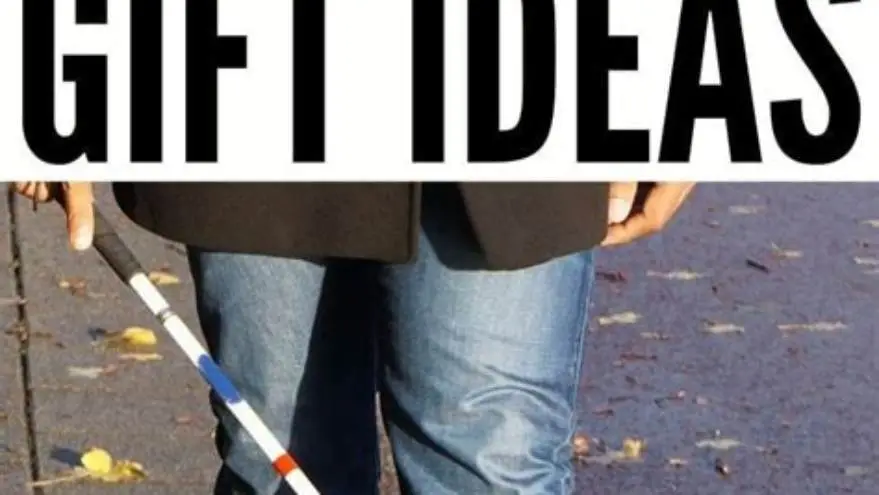
Choose gifts with large, high-contrast print of at least 18-point font, tactile elements, and simple layouts to aid elderly with low vision. Large-print puzzles and tactile games bring enjoyment and usability.
On this page (8 sections)
Part of our guide on christmas gifts for dementia patients
| Minimum font size | 18-point |
|---|---|
| Contrast ratio | High contrast |
| Puzzle types | Word search, sudoku, mazes |
| Print sizes | Letter and A4 |
| Activity levels | 3 difficulty levels |
The short version
- Large print over 18-point improves readability for low vision.
- High contrast colors reduce eye strain and enhance clarity.
- Tactile features support interaction beyond sight.
- Simple, uncluttered layouts avoid confusion.
- Printable large-print puzzles engage and entertain effectively.
Which gift features aid low vision use
Large print typefaces sized 18-point or above help elderly with low vision read without strain. The exact size depends on the user's visual acuity.
High contrast between text and background is essential; black on white or yellow on black works best under varied lighting.
Tactile features like raised dots or textured surfaces let users feel the puzzle or game components, aiding interaction when sight is limited.
Simple, uncluttered layouts avoid overwhelming the user. Avoid small captions, decorative fonts, or busy backgrounds. We cover gifts for caregivers of dementia patients in its own article.
Durable materials and non-glare finishes prevent reflections that confuse vision-impaired users.
Some users need font sizes as large as 24- or 28-point to read comfortably, especially if their vision loss is severe. An 18-point font may still cause strain for those with advanced macular degeneration or glaucoma.
Lighting conditions affect readability: bright but indirect lighting reduces glare and helps seniors read large print more easily. Adjustable lamps with warm light tones prevent harsh reflections on glossy surfaces. If that sounds like your situation, read up on what is a good gift for a person with dementia next.
Magnifiers with built-in lights can complement large-print materials. They enlarge text and improve contrast, helping seniors focus on details without having to move the print closer to their eyes.
- Font size: minimum 18-point, bigger if possible
- Color contrast: black and white or yellow and black
- Tactile aids: raised dots, textured pieces
- Layout: clear, uncluttered, large spacing
- Materials: matte finish, non-reflective surfaces
Examples of accessible puzzles and games
Large-print word searches with bold letters and clear grids suit seniors with low vision. Providing an answer page helps caregivers assist without spoiling fun.
Sudoku puzzles designed with large numbers and thick grid lines reduce eye strain and make tracking easier. If that sounds like your situation, read up on activity gifts for dementia patients next.
Crossword puzzles with wide squares, large numbers, and uncluttered clues improve usability.
Mazes with thick path lines and high contrast backgrounds support visibility and engagement.
Games with large tactile pieces, such as raised letter cards or textured game tokens, add sensory interaction beyond vision.
Some accessible puzzles come with built-in stands or holders to keep pieces steady, preventing frustration from slipping or moving parts. This is helpful for seniors with shaky hands.
Games like large-piece dominoes use tactile dots and large numbers, combining touch and sight for better accessibility. They also encourage fine motor skills.
Simple card games with oversized cards and high-contrast suits offer familiar gameplay with easier recognition, supporting social play without eye strain.
- Word search: big letters, clear answers
- Sudoku: large digits, bold grids
- Crossword: wide squares, simple clues
- Mazes: thick paths, high contrast
- Tactile games: raised and textured pieces
| Puzzle Type | Print Size | Contrast | Tactile Elements | Usability Notes |
|---|---|---|---|---|
| Word search | 18+ point font | Black on white | None usually | Easy to read and print |
| Sudoku | Large numbers | Bold grids | None | Good for logic engagement |
| Crossword | Wide squares | Clear numbering | None | Needs simple clues |
| Maze | Thick lines | High contrast | None | Visual tracking aid |
| Tactile games | Variable | High contrast | Raised tokens | Enhances touch interaction |
How large-print activities help vision-impaired seniors
Large-print activities reduce visual fatigue by making text and images easily distinguishable. This supports longer, more enjoyable engagement.
They promote cognitive stimulation through challenges accessible without added frustration from unreadable print.
Using these activities encourages social interaction when done in groups or with caregivers, aided by clear print and simple instructions.
Large-print materials also empower seniors to maintain independence in leisure, boosting mood and self-esteem.
Printable and digital formats allow for easy scaling of text size and reprinting as needed.
For vision-impaired seniors, large-print activities also help maintain daily routines by including calendars, to-do lists, and appointment sheets that are easy to read and update.
Repetition with large-print materials supports memory retention. Seniors can revisit puzzles or word searches without struggling to see clues or answers, fostering confidence.
When caregivers participate in large-print activities, they can better monitor seniors’ engagement and provide help that matches the user’s pace and preferences.
- Reduce eye strain through larger text
- Boost cognitive engagement with accessible puzzles
- Foster social interaction and shared activity
- Encourage independence and self-confidence
- Allow easy customization and reprinting
How to choose safe and supportive gifts
Safety means avoiding small parts that can be choking hazards or easy to lose. Opt for large, sturdy pieces that are easy to handle.
Supportive gifts provide clear instructions in large print and consider physical limitations like arthritis by including easy-grip pieces.
Materials should be non-toxic, durable, and washable to remain hygienic during repeated use.
Gift packaging and instructions must use high-contrast, large print and simple language to aid comprehension.
Avoid overly complex games with tiny text or intricate components that frustrate or exclude.
Check for rounded edges and non-slip textures on puzzle pieces or game components to reduce the risk of injury or dropping.
Some seniors prefer puzzles printed on heavy cardstock or laminated sheets to prevent tearing and withstand repeated handling.
Avoid electronic gifts with small screens or complicated menus unless they have accessibility features like screen readers or voice commands tailored for low vision.
- Avoid small or fragile parts
- Choose easy-grip, large pieces
- Non-toxic, durable, washable materials
- Clear, large-print instructions
- Simple, inclusive game design
Gifts for elderly with low vision
Look for printable large-print puzzle kits designed for low vision, like the Gentle Minds Activity Kit. It offers over 130 pages of large-print activities with three difficulty levels, suitable for adults with memory or vision challenges.
This kit includes word searches, crosswords, conversation cards, and daily planning sheets, all designed with readability and engagement in mind.
Its digital download format lets you print as many copies as needed, adapting font size or spacing if necessary. The caregiver guide supports easy facilitation.
Gentle Minds is not a medical product but helps sustain enjoyment and mental activity for seniors with low vision or memory loss.
As an alternative, you can create your own large-print word searches using free online makers to tailor puzzles to the senior’s interests.
- Printable and reusable
- Multiple difficulty levels
- Includes conversation starters
- Caregiver guide included
- Not a therapy or medical product
- Requires printing equipment
- Limited to pre-designed activities
How to make or find large-print puzzles yourself
You can create large-print word searches and puzzles using free tools like the Large Print Word Search Maker. Simply input your chosen words, select large font, and print.
Free printable puzzles from senior activity sites often offer large-print options for sudoku, crosswords, and mazes.
If you want to publish or sell your own large-print puzzle books, tools like BigPrint Puzzle Studio help create layouts with adjustable font sizes and themes.
When making puzzles manually, keep font size above 18-point and use black text on white or yellow backgrounds for best contrast.
Test your printouts by holding them at typical reading distances to gauge ease of use for the intended senior.
When printing large-print puzzles, use quality paper that doesn’t bleed ink or fade easily under bright light, preserving contrast and clarity.
If creating your own puzzles, consider adding tactile marks or Braille labels where possible to increase accessibility beyond print size.
Collaborate with seniors to choose words or themes for word searches and crosswords. Personalizing content boosts interest and makes puzzles more meaningful, encouraging repeated use.
- Use free online puzzle makers for custom word searches
- Download large-print puzzles from reputable senior activity websites
- Create your own with puzzle studio tools if publishing
- Keep font size 18+ and use high-contrast colors
- Test print at reading distance for usability
Questions people still ask
What font size is best for seniors with low vision?
Fonts sized 18-point or larger generally improve readability. Adjust size further based on the senior's vision ability and comfort.
Are tactile puzzles better for low vision users?
Tactile puzzles can enhance engagement by adding a touch element, especially when vision is very limited, but they should still feature large print.
Can I print large-print puzzles at home?
Yes, using a home printer is practical. Choose matte paper and test print to ensure font size and contrast work well for the senior.
How do I know if a gift is too complex for someone with low vision?
Look for simple layouts, large print, and avoid tiny pieces or complicated rules. If in doubt, ask the senior or their caregiver about preferences.
Is the Gentle Minds Activity Kit suitable for someone with dementia?
Yes, it is designed for adults living with memory loss and cognitive changes, not as therapy but for engagement and enjoyment.
Ready to try it? It provides large-print, multi-level printable activities suited to seniors with low vision and memory loss.
Download printable puzzles