Gifts for Dementia Caregivers: 5 Ways to Support Their Daily Challenges
Find meaningful gifts for dementia caregivers that ease their daily challenges and bring moments of connection and relief.

The best gifts for caregivers of dementia patients provide stress relief, practical support, and foster engagement. Kits with tailored activities, like the Gentle Minds Activity Kit, directly ease caregiver workload and promote connection.
On this page (8 sections)
- The short version
- Why gifts that support dementia caregivers matter
- How gifts address specific caregiver challenges
- Where to find or create gifts for dementia caregivers
- Examples of gifts tailored for dementia caregiving
- How the Gentle Minds Activity Kit helps caregivers of dementia patients
- How to choose the right gift for a dementia caregiver
- Questions people still ask
Part of our guide on christmas gifts for dementia patients
Practical gift ideas that reduce stress and foster meaningful moments for caregivers supporting loved ones with dementia.
| Activity kit pages | 130+ printable |
|---|---|
| Activity levels | 3 difficulty levels |
| Conversation cards | 48 included |
| Print sizes | US Letter and A4 |
| Caregiver guide | Included |
| Product type | Digital download |
The short version
- Effective gifts ease caregiver stress and support daily tasks.
- Activity kits offer tailored engagement for dementia patients.
- Printable, large-print puzzles help maintain meaningful connection.
- Caregiver guides improve use of activities and communication.
- Look for gifts that respect abilities and encourage conversation.
Why gifts that support dementia caregivers matter
Caregivers of dementia patients face constant stress from managing daily care and engaging loved ones. This leads to emotional and physical fatigue.
Gifts that ease these pressures can improve caregiver wellbeing and quality of life for both parties. Practical support reduces exhaustion.
Meaningful engagement helps preserve connection and dignity for those living with memory loss. It also enriches caregiving moments.
Caregivers often sacrifice their own health, skipping meals or rest to meet patient needs. This leads to burnout and health problems. Gifts that support self-care can help prevent these issues. There is more on choosing engaging dementia gifts in a separate guide.
Stress from caregiving can cause sleep disturbances. A gift that promotes relaxation or better sleep, like soothing music or aromatherapy, can improve caregiver resilience.
Emotional strain comes from watching a loved one’s decline. Gifts that offer emotional support, such as journals or access to support groups, can help caregivers process their feelings.
Caregivers’ stress levels spike during late afternoon and evening, known as sundowning. Gifts that offer calming strategies for these times can ease tension. If that sounds like your situation, read up on what is a good gift for a person with dementia next.
Physical health support matters. Gifts like ergonomic seat cushions or foot massagers can reduce discomfort from long caregiving hours.
Some caregivers juggle jobs and families alongside care duties. Gifts that save time, such as meal delivery services or pre-prepped activity kits, offer real relief.
How gifts address specific caregiver challenges
Caregivers need tools that simplify activity planning and encourage positive interaction. Many struggle to find suitable, respectful activities. People in this spot often ask about Mother's Day dementia gifts as well.
Activity kits with clear, large-print materials and graduated difficulty levels provide accessible options tailored to cognitive abilities.
Conversation cards and caregiver guides included in such kits help stimulate dialogue and prevent frustration or boredom.
Cognitive decline varies widely among dementia patients, so activities must match abilities carefully. A mismatch can cause frustration or withdrawal.
Tools that adapt to changing patient needs over time give caregivers flexibility and reduce guesswork. Kits with multiple difficulty levels address this well.
Caregivers also face social isolation. Gifts that encourage shared activities with family or community can help reduce loneliness for both parties.
Caregivers often deal with unpredictable behaviors. Gifts that include strategies or prompts to handle agitation calmly are especially helpful.
Routine disruption is a major challenge. Gifts that help establish consistent schedules improve patient stability and ease caregiver stress.
Emotional support gifts like access to counseling or peer groups help caregivers process grief and maintain mental health.
| Gift type | Stress reduction | Daily task support | Engagement facilitation |
|---|---|---|---|
| Activity kits | High | Moderate | High |
| Puzzle books | Low | Low | Moderate |
| Relaxation aids | Moderate | Low | Low |
| Medical devices | Moderate | High | Low |
Where to find or create gifts for dementia caregivers
Printable activity kits like the Gentle Minds Activity Kit are available for instant download. They offer ready-made, tested resources.
Free tools like the Large Print Word Search Maker let you customize puzzles for personal touches but require more setup.
Creating your own activities takes time and skill but can be rewarding. Web-based tools such as BigPrint Puzzle Studio simplify this for sellers and caregivers alike.
Online shops specializing in dementia care offer curated gift selections tested by experts. This saves caregivers time and effort.
Local support organizations sometimes distribute free or low-cost activity kits tailored for dementia care. Contacting them can uncover unexpected resources.
Handmade gifts with personal photos or familiar themes can boost patient recognition and comfort. These require more effort but often have greater emotional impact.
Some caregivers prefer physical gifts over digital ones. Local craft stores or therapeutic product shops can be good sources for such items.
Crowdsourcing ideas from caregiver forums or social media groups can uncover unique, proven gift ideas.
When creating gifts, test activities on a small group to ensure they suit varied cognitive levels and interests before wider use.
- Instant download kits: ready to print and use immediately.
- Free online generators: customize puzzles but need design effort.
- Puzzle creation software: build and publish tailored books.
Examples of gifts tailored for dementia caregiving
The Gentle Minds Activity Kit offers over 130 pages of large-print activities at three difficulty levels, meeting diverse cognitive needs.
Its 48 conversation cards foster reminiscence and social connection, helping caregivers engage meaningfully.
Daily planning pages assist caregivers in structuring activity schedules, preventing decision fatigue.
This kit supports repeated printing for multiple users, ideal in care homes or multi-patient households.
Simple tactile items like textured balls or fidget blankets provide sensory stimulation and can calm agitation.
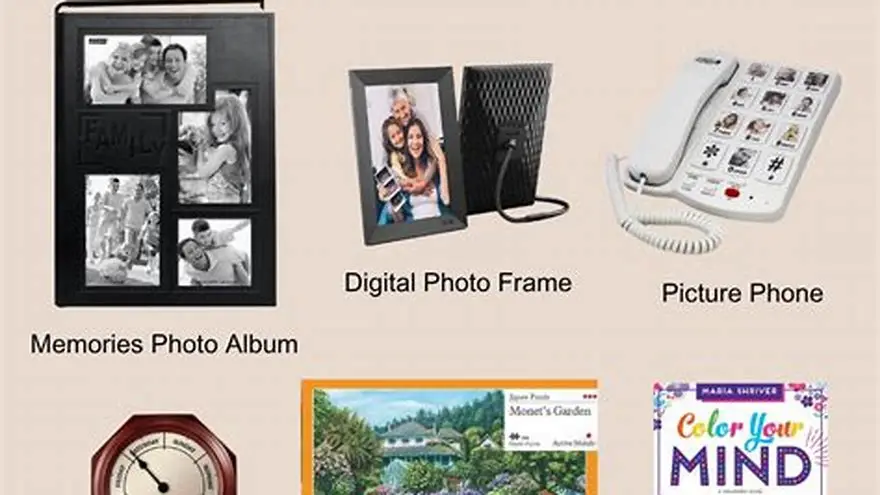
Photo albums with clear captions can spark memories and improve mood during quiet moments.
Weighted lap pads or blankets help reduce anxiety and restlessness in some dementia patients by providing gentle pressure.
Multi-sensory gift sets combining sound, touch, and sight can engage dementia patients more fully and provide varied stimulation.
Simple tech gifts like digital photo frames preloaded with familiar images can spark recognition and conversation.
Caregiver journals with prompts help track patient moods and responses, guiding activity adjustments and medical discussions.
How the Gentle Minds Activity Kit helps caregivers of dementia patients
This kit directly tackles the caregiving challenge of finding appropriate, respectful activities. It respects patients’ abilities and avoids infantilizing content.
Caregivers receive guided tools that ease planning and promote connection, reducing their mental load.
Its printable format allows repeated use without extra cost or waiting for shipments.
The kit does not provide medical treatment or cognitive improvement guarantees. It focuses on enjoyment and engagement.
- Varied difficulty levels fit different cognitive stages
- Includes caregiver guide for effective use
- Printable and reusable activity pages
- Conversation cards encourage meaningful interaction
- No therapeutic claims or medical use
- Requires a printer and basic setup
- Not suitable for professional therapy
How to choose the right gift for a dementia caregiver
Identify the caregiver’s biggest daily challenge: planning activities, managing stress, or finding engagement tools.
Look for gifts that the caregiver can use easily and repeatedly, without adding more tasks.
Consider kits with caregiver support materials to aid in using them effectively.
Assess whether the gift respects the dignity and cognitive abilities of the dementia patient.
Evaluate the caregiver’s tech comfort level. Digital or printable gifts suit tech-savvy caregivers, while physical items may be better for others.
Consider the time availability of the caregiver. Gifts that require minimal setup or supervision offer more practical value.
Choose non-perishable items or those easy to replenish, so the caregiver isn’t burdened by frequent replacements.
Seasonal considerations matter. Choose gifts that work indoors during cold months or outdoors in good weather to fit the caregiver's environment.
Budget is a practical factor. Affordable, reusable gifts provide ongoing value without financial strain.
Check if the caregiver already has similar items to avoid duplicates that add clutter rather than help.
- Ask the caregiver about their current challenges.
- Match those challenges to gift features (activity planning, stress relief, engagement).
- Choose gifts with proven usability for dementia caregiving.
- Check if printing or technology needs are manageable for the caregiver.
Questions people still ask
Why are activity kits better than standard puzzle books for dementia caregivers?
Activity kits designed for dementia offer multiple difficulty levels tailored to varying abilities and include conversation prompts, unlike standard puzzles which may be too hard or too simple.
Can printable activities replace professional therapies for dementia patients?
Printable activities provide engagement and enjoyment but do not replace medical or therapeutic treatment. They support daily care by reducing boredom and frustration.
How often should caregivers introduce new activities?
Varied activities every few days help maintain interest without overwhelming the patient. Regular rotation prevents boredom and maintains engagement.
Do caregivers need special skills to use activity kits effectively?
Basic caregiving knowledge suffices. Kits with included caregiver guides help facilitate activities and conversations, easing use.
Are digital downloads practical for caregivers without printers?
Without a printer, downloads may be less practical. Caregivers can use local print shops or seek kits that offer physical copies.
Ready to try it? It provides printable, large-print activities with caregiver guides tailored for dementia patient engagement and caregiver support.
Try the activity kit